The beauty of authentic living spaces often emerges from imperfection rather than precision. Rooms that feel genuinely comfortable invite inhabitants to relax, to put their feet up, to feel at ease in their surroundings. This quality of authentic comfort connects strongly to natural materials that show their origins and histories—the grain patterns that record a tree's growth, the knots that mark where branches once joined the trunk, the subtle color variations that speak of different seasons and conditions. Natural knotty alder grain PU faux beams celebrate these organic imperfections, bringing the charming character of living wood into interior spaces while eliminating the complications that genuine knotty timber introduces.

Alder ranks among the most characterful of domestic hardwoods, with a growth pattern that produces abundant knots and distinctive grain figures. The wood's relatively uniform texture accepts these natural features gracefully, creating surfaces where knots appear as welcome accents rather than defects. This acceptance of natural character makes knotty alder particularly suited for interiors seeking organic warmth—the kind of spaces where nothing feels too perfect or too controlled.
The Character of Knotty Alder
Understanding knotty alder begins with appreciating what makes it distinctive among American hardwoods. Unlike clearer grades of wood selected for uniformity, knotty alder embraces the features that most other species try to minimize. Branch knots appear throughout the grain, varying in size, shape, and frequency. The grain itself tends toward subtle waviness rather than the straight patterns of clearer grades. Color varies slightly from board to board, creating the natural patchwork that distinguishes real wood from manufactured alternatives.
The knots in alder carry particular visual interest. Unlike the dead knots that appear in some wood species, alder knots form while the tree is growing, integrating naturally with surrounding grain. These live knots display darker coloration and distinctive grain patterns radiating outward from the knot center. When properly finished, these knots become the most distinctive visual elements of the wood, drawing attention without overwhelming surrounding grain patterns.
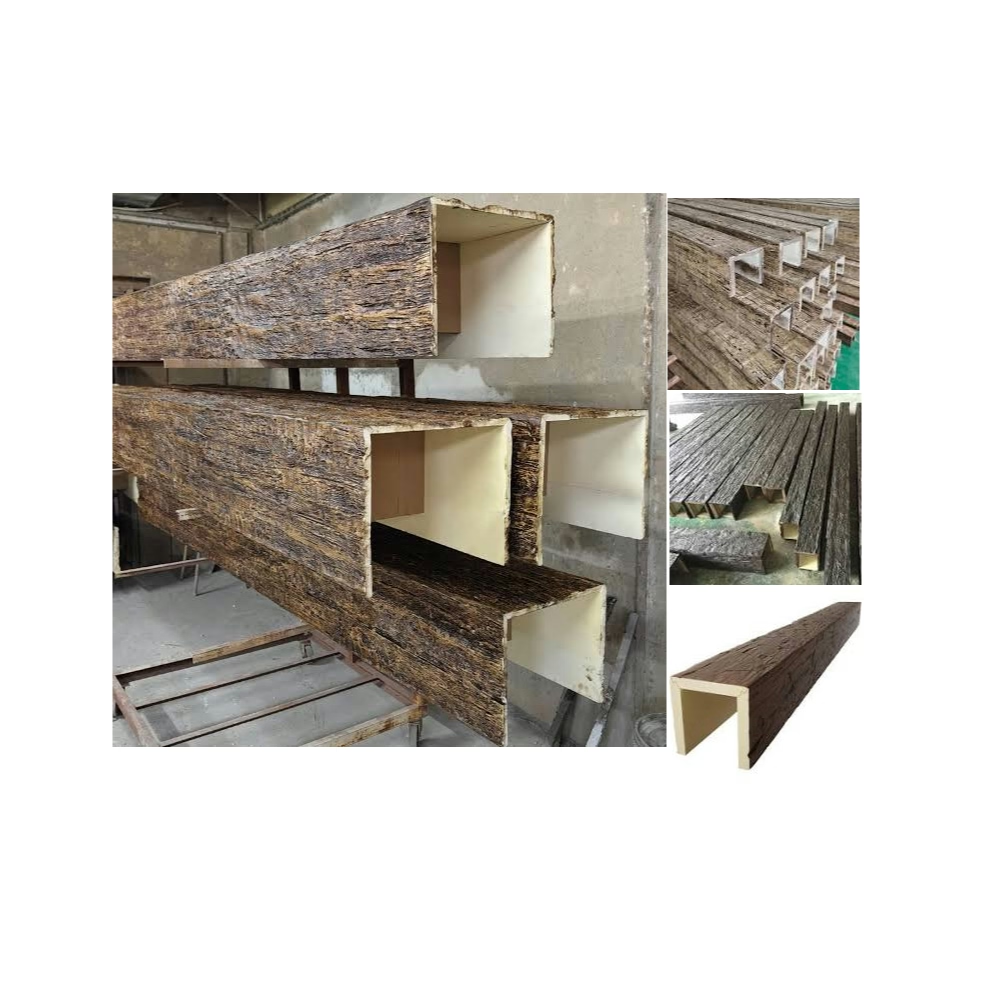
Alder grain accepts stain and finish with remarkable consistency, unlike some hardwoods that blotch or absorb unevenly. This workability allows manufacturers to create faux knotty alder beams with predictable, repeatable results that genuine timber cannot match. Each beam displays the characteristic knotty appearance, but with controlled variation that ensures consistent aesthetic across complete installations.
Organic Design Philosophy
Organic design as a movement rejects the cold precision of purely functional architecture in favor of spaces that connect inhabitants to natural processes and materials. The philosophy extends beyond surface aesthetics to encompass how spaces feel, how light moves through them, and how inhabitants interact with their surroundings. Organic interiors feel alive in ways that sterile modern spaces cannot match.
Wood plays a central role in organic design theory. The material connects interior spaces to the living world outside, reminding inhabitants of natural growth processes even in urban environments. Knotty wood intensifies this connection, emphasizing the imperfect reality of organic growth rather than the idealized representations that clearer grades might suggest. Beams displaying prominent knots communicate authenticity that perfectly clear wood cannot achieve.
Other elements reinforce organic design intentions. Curved forms soften angular architectural elements. Natural textiles in undyed or minimally processed states add textile character. Living plants introduce the green tones and dynamic growth that distinguish living systems. Stone and ceramic add earthy materials that complement wood. The knotty alder beams provide essential architectural structure that grounds these softer elements in something substantial and permanent.
Creating Inviting Living Spaces
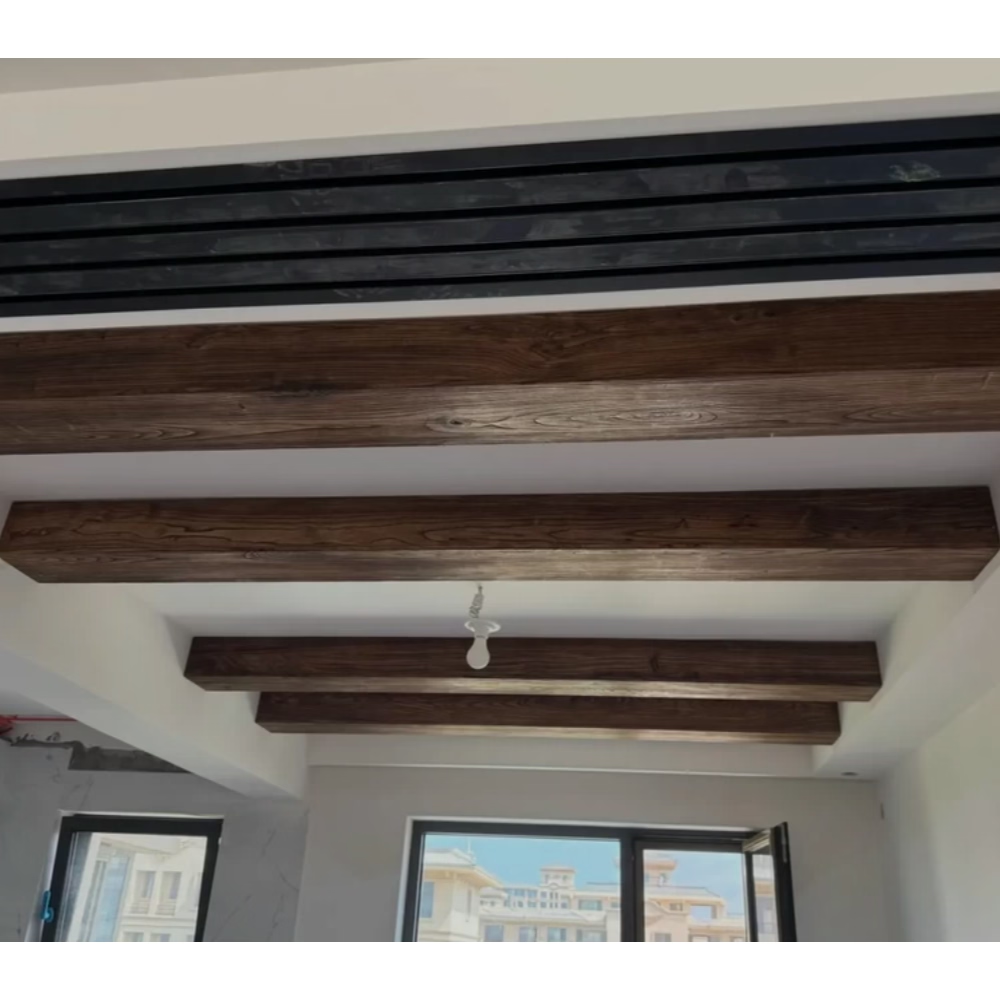
The warmth of knotty alder makes it particularly effective in spaces intended for gathering and relaxation. Living rooms, family rooms, and great rooms benefit from the welcoming character that these beams contribute, creating environments where inhabitants feel genuinely comfortable rather than merely present. The organic imperfections seem to invite relaxation, as if the space itself acknowledges that perfection is neither expected nor required.
Bedrooms can incorporate knotty alder beams for similar effect, though the approach requires some adjustment. The intimacy of bedroom spaces might be overwhelmed by bold beam presence, so more restrained application often succeeds better. A single exposed beam crossing the ceiling, or smaller beams in a guest bedroom, can introduce organic warmth without creating the rustic intensity that larger treatments might produce.
Home offices and studies benefit from the grounding quality that knotty alder provides. The organic character creates a counterpoint to the digital tools and precise technology that these spaces typically contain. A moment of natural imperfection in an otherwise functional space can help maintain perspective and remind inhabitants of the physical world beyond their screens.
Color Coordination Strategies
The warm reddish-brown tones of knotty alder create specific coordination opportunities. Natural linens and off-white fabrics complement the wood tones without competing for attention. Cream and ivory backgrounds let alder knots stand out as focal points while maintaining overall lightness. Deep forest greens and earthy browns in upholstery or curtains create monochromatic schemes that feel grounded and natural.
Metallic accents should acknowledge the warmth of alder tones. Antique brass, copper, and warm nickel finishes complement the reddish undertones, while cool chrome or brushed steel might create jarring contrast. The goal is creating material harmony where different elements feel like they belong together rather than assembled from unrelated sources.
Paint colors in knotty alder spaces should avoid extremes. Very dark walls might overwhelm the subtle presence of alder beams, while pure white can make the wood appear more prominent than intended. The warm greys, soft taupes, and gentle creams work well, creating neutral backgrounds that let wood tones provide the primary visual interest.
Integration with Various Design Styles
While knotty alder might seem most appropriate for rustic or farmhouse applications, the wood's versatility extends to other contexts as well. The warm, inviting quality that knots contribute can soften contemporary interiors, adding organic interest to spaces that might otherwise feel too precise or industrial. A modern living room with clean-lined furniture might benefit from knotty alder beams overhead, introducing the warmth that prevents the space from feeling cold despite its good design.
Transitional interiors between traditional and contemporary styles often incorporate knotty alder effectively. The wood's character bridges design vocabularies, with traditional warmth compatible with contemporary proportions and restraint. This flexibility makes knotty alder a valuable design tool for spaces that resist easy categorization.
Coastal and beach-influenced interiors can incorporate knotty alder for warmth that prevents spaces from feeling too nautical or themed. The organic character connects naturally to beach settings, while the warm wood tones balance the cooler blues and greys typical of coastal palettes.
Practical Considerations for Knotty Installations
Knot frequency and placement affect both appearance and performance in ways that warrant consideration. Beams with frequent, prominent knots create bold rustic character suitable for cabin and lodge applications. More restrained knot patterns provide subtle organic interest that works in less rustic contexts. Understanding the range of options helps in selecting products that match specific intentions.
Grain pattern intensity varies between manufacturers even when describing the same wood species. Some products feature subtle grain with emphasis on knots, while others present more pronounced grain with knots as secondary features. Examining samples from multiple sources identifies the specific balance that particular products offer.
Finish options for knotty alder beams range from clear coatings that preserve natural coloring through stained finishes that shift the overall tone. Natural finish lets the warm reddish tones remain prominent. Golden oak stain warms the overall appearance. Walnut or dark stains create deeper, more dramatic effects. Each treatment serves different aesthetic intentions and coordinate with different surrounding palettes.
Maintenance of Organic Spaces
The care of knotty alder beams aligns with the low-maintenance philosophy that organic design often promotes. Rather than demanding constant attention, quality faux beams maintain their appearance through years of normal use with minimal intervention. Occasional dusting or light cleaning suffices for routine maintenance, with no periodic refinishing or protective treatment required.
The durability of polyurethane supports the casual lifestyle that organic spaces often encourage. Active families, pets, and the general activity of daily living pose no significant threat to properly installed beams. This resilience differs from natural wood that might show impacts, scratches, or wear marks that require attention.
Long-term appearance stability ensures that organic spaces remain inviting over time. Natural wood can fade unevenly when exposed to sunlight, developing lighter and darker areas that disrupt the intended appearance. Faux beams resist this UV degradation, maintaining consistent color and appearance throughout their service life.
Making Appropriate Selections
Product selection should begin with understanding the specific character that knotty alder offers and how that character serves design intentions. The wood's warmth and the organic quality of its knots distinguish it from other species that might appear similar in photographs. Physical samples reveal qualities that digital images cannot capture—the precise warmth of the color, the depth of grain texture, the character of individual knots.
Supplier quality varies significantly, and selecting reputable sources ensures that products meet expectations. Quality control in manufacturing affects consistency between beams, accuracy of color matching, and durability of finished surfaces. Established suppliers with track records of quality provide confidence that samples accurately represent the products that will be delivered.
Warranty coverage and customer support provide additional assurance for significant purchases. Quality suppliers stand behind their products with meaningful warranties that protect buyer investments. Technical support during planning and installation helps ensure successful outcomes that might not occur with less supported purchases.
Technical References
ASTM standards cited in every specification
Test Data
Lab results from internal testing program
Updated 2026
Reviewed against current product specs


