Pine has served as the working wood of rustic America for centuries, from the hand-hewn beams of colonial farmhouses to the dimensional lumber that built generations of mountain cabins. Its availability, workability, and the generous character provided by frequent knots made pine the practical choice for builders working with limited resources and unlimited need for honest, functional construction. Today, that heritage translates into design choices that prioritize authentic character over manufactured perfection. Natural knotty pine texture PU faux beams carry this heritage forward, delivering the relaxed beauty and casual warmth that define genuine mountain living into contemporary homes without the complications that genuine old-growth pine timber would bring.

The personality of knotty pine differs fundamentally from clearer hardwoods. Where oak presents dignified grain patterns and maple offers subtle refinement, pine delivers cheerful abundance. Knots appear with generous frequency, each telling the story of a branch that once reached toward sunlight. The grain runs relatively straight but with enough character to prevent monotony. Overall color ranges from creamy yellow through warm amber, with darker tones appearing around knots and in areas of more pronounced grain.
Understanding Knotty Pine Character
Genuine knotty pine carries marks of its organic origins that no manufacturing process can truly replicate, but premium faux products come remarkably close to capturing essential character. The knots themselves vary significantly—small tight knots where small branches emerged, larger oval knots where major limbs once joined the trunk, and the occasional cluster where multiple branches grew together. This variety creates visual interest that uniform materials cannot match.
The wood grain between knots presents its own quiet character. Pine grain runs generally straight but contains the subtle figuring that distinguishes softwood from hardwood. Annual growth rings create gentle figure visible under certain lighting conditions, adding depth to the surface without demanding attention. This quieter grain provides necessary visual rest between the more prominent knot features.
Color variation in knotty pine results from natural growth processes and from the way light and air affect exposed wood surfaces. Heartwood and sapwood display different tones, with heartwood showing warmer, more golden coloration. Knots themselves often display darker, more concentrated coloring that makes them visually prominent. Premium faux products capture this natural variation, creating surfaces that feel authentic rather than manufactured.
The Casual Aesthetic of Mountain Living
Mountain and cabin design traditions developed around practical needs and available materials rather than aesthetic theory. Early builders used what the forest provided, accepting the character that nature offered in exchange for structural integrity and thermal efficiency. This practical origins give mountain aesthetics their distinctive quality—the beauty of making do with what works rather than demanding what looks perfect.
Knotty pine fits naturally within this tradition. The wood's abundant character suits spaces intended for relaxation rather than formal entertaining. Families gathering after outdoor activities, friends sharing meals after a day on the slopes or trails—these moments happen naturally in spaces furnished for comfort rather than presentation. The knots and grain provide visual interest that holds up to extended viewing without demanding constant attention.
The casual quality extends beyond aesthetics to encompass how spaces function and feel. Mountain interiors typically feature comfortable furniture chosen for durability and coziness rather than formal appearance. Worn leather, braided rugs, handcrafted accessories, and practical storage solutions create environments that invite use rather than careful preservation. Knotty pine beams contribute essential warmth that softens these practical elements while maintaining the honest character that defines authentic mountain style.
Design Applications Across Spaces
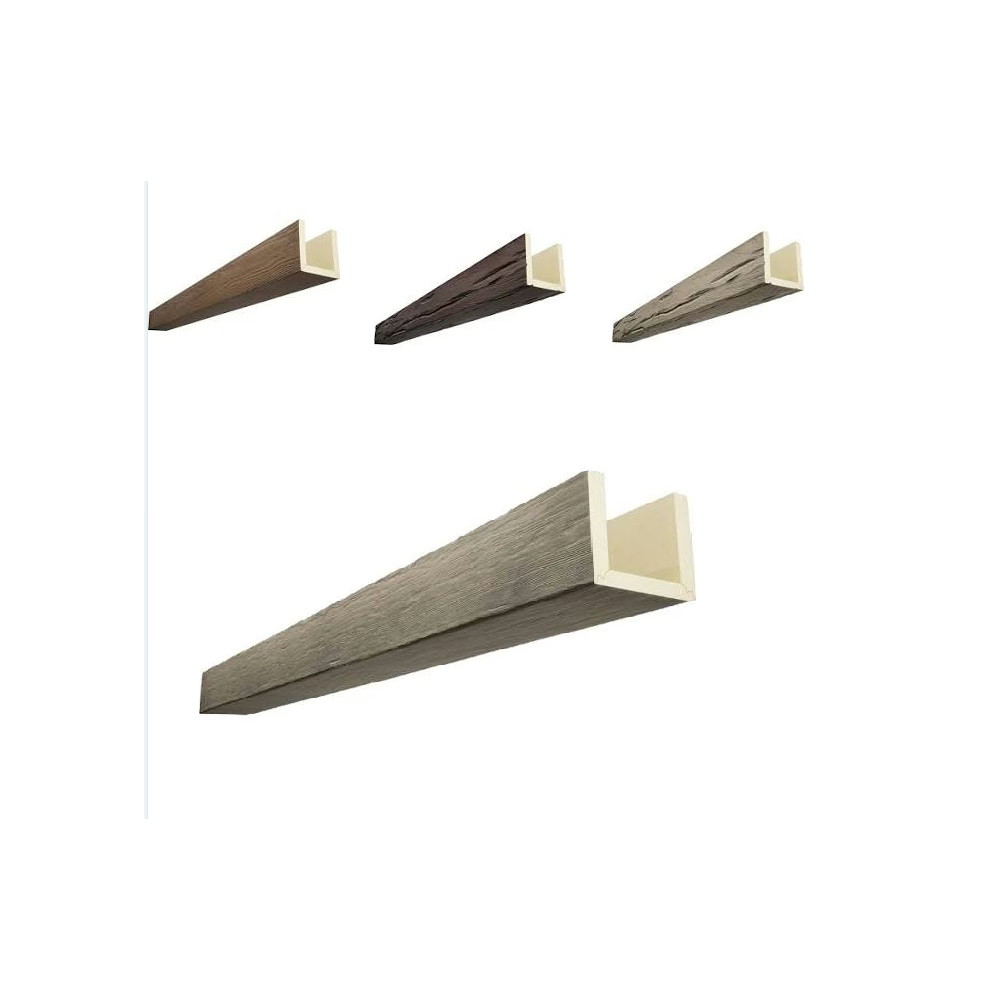
Living rooms and great rooms represent the most dramatic applications for knotty pine beams. Vaulted ceilings provide expansive canvas for beam installations, with the generous proportions of mountain architecture accommodating substantial timber elements. Multiple beams spaced across the ceiling create the classic cabin ceiling treatment that immediately communicates mountain retreat, regardless of the building's actual location or construction.
Kitchens in knotty pine contexts often extend the cabin aesthetic through practical choices that maintain character while supporting serious cooking. Open shelving displays stoneware and copper with the casual arrangement that cabin kitchens favor. Wooden countertops or butcher block islands provide work surfaces with natural warmth. The beams overhead tie these elements together, creating unified spaces where nothing feels out of place.
Bedrooms benefit from the soothing quality that knotty pine provides. The warm wood tones and organic character create environments conducive to rest, with the casual beauty of knots providing visual interest without overstimulation. Smaller scale applications—a single beam crossing the ceiling or beams in a guest room—introduce this character without overwhelming intimate spaces.
Material Coordination in Rustic Settings
Stone and knotty pine share natural affinity that mountain architecture has exploited for generations. Fieldstone fireplaces find natural companions in pine beams overhead, with both materials contributing organic texture and earth-tone coloring. The rough surface of stone contrasts with the smoother finish of pine, creating textural variety that prevents visual monotony while maintaining material harmony.
Leather furniture complements knotty pine through shared warmth and casual character. Worn leather in brown or tan tones finds natural harmony with amber pine tones. The combination suggests lived-in comfort that formal materials cannot achieve. This pairing works particularly well in living rooms and family rooms where furniture receives heavy daily use.
Natural textiles extend the material palette without introducing competing character. Wool blankets, linen curtains, and cotton bedding in muted earth tones reinforce the organic aesthetic while maintaining the neutral foundation that lets wood tones dominate. Synthetic fabrics with their precise uniformity should be minimized in favor of materials that display natural variation.
Color Treatment Options
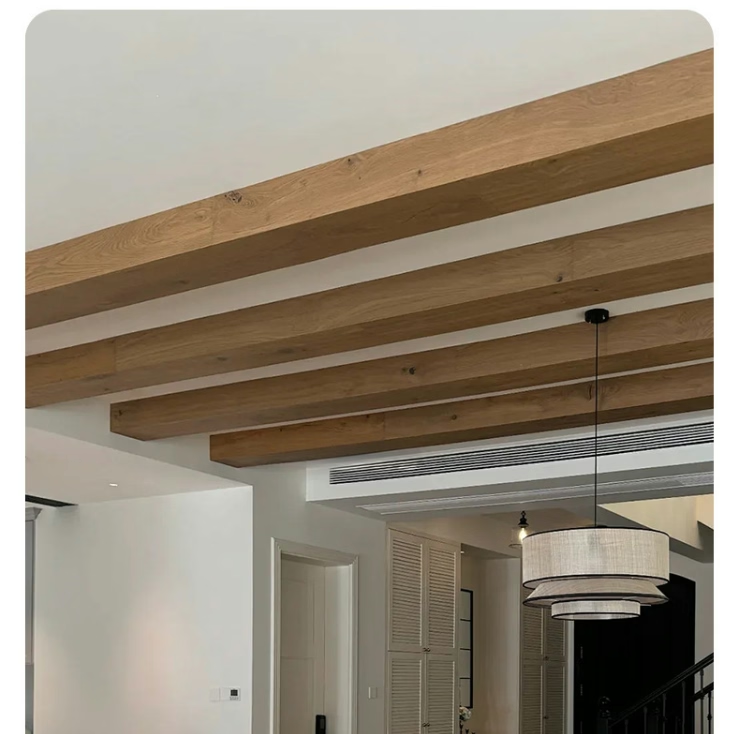
Natural pine finish preserves the light, warm tones that characterize the species. This treatment works best in spaces with ample natural light, where the pale wood contributes to overall brightness. Natural finish suits contemporary interpretations of cabin style where full rustic intensity would feel excessive.
Golden oak stain warms the overall appearance while slightly darkening the natural tones. This treatment reduces contrast between heartwood and sapwood while emphasizing grain patterns and knot character. Golden oak suits spaces where a bit more color intensity supports the design intention without crossing into heavy rustic territory.
Walnut or dark stain treatments create dramatic effects that emphasize the contrast between light grain and dark knots. These darker treatments work in larger spaces where the visual weight feels appropriate, or in rooms with very light walls that would be overwhelmed by untreated pine. The dramatic character suits bold mountain aesthetics rather than more restrained contemporary interpretations.
Installation Considerations
Ceiling structure must support whatever beam installation is planned, even with lightweight faux alternatives. While polyurethane weighs far less than solid timber, proper mounting requires secure attachment to structural elements. In new construction or major renovation, adding blocking between ceiling joists at beam locations provides the secure mounting surface that successful installations require.
Beam spacing affects the visual result significantly. Closely spaced beams create dense ceiling texture with maximum rustic impact, suitable for larger rooms where this intensity feels appropriate. Wider spacing provides more ceiling visibility, creating a lighter overall effect that suits smaller spaces or more restrained design intentions.
Profile selection should respond to the overall design intention. Simple square beams suit contemporary rustic applications where restraint serves the design. Chamfered edges add traditional character appropriate for classic cabin aesthetics. More ornate profiles with decorative corbels or end treatments support formal mountain lodge interpretations.
Practical Advantages of Faux Knotty Pine
The availability of genuine old-growth knotty pine has declined dramatically, with salvage sources providing limited access to the large dimensions that authentic cabin aesthetics require. Contemporary pine grows faster and produces more numerous, smaller knots than the slow-growing timber of earlier forests. Faux products overcome these sourcing limitations, providing the abundant knot character that genuine contemporary pine cannot deliver.
Moisture sensitivity of natural pine creates challenges in many applications. The wood readily absorbs and releases moisture, leading to expansion, contraction, and eventual deterioration in humid environments. Faux knotty pine eliminates these concerns, maintaining consistent dimensions and appearance regardless of humidity conditions. This stability proves particularly valuable in vacation homes that sit empty for extended periods.
Installation logistics favor faux products for most applications. Natural pine timbers in knotty grades can be heavy and awkward to handle, requiring multiple workers and specialized equipment for ceiling installation. Lightweight faux beams reduce these requirements, often allowing single-worker installation with standard tools and techniques.
Long-Term Care and Maintenance
Knotty pine faux beams require minimal maintenance to maintain their appearance over time. Regular dusting removes the dust that accumulates in textured surfaces, while occasional cleaning with damp cloths addresses more significant soiling. No periodic refinishing, sealing, or other protective treatment is required, simplifying the care routine for busy households.
The durability of polyurethane stands up well to the casual use that rustic spaces typically accommodate. Active families, pets, and the general activity of daily living pose minimal threat to properly installed beams. Minor impacts that might dent or scratch natural wood leave faux beams unaffected.
Future flexibility remains available with faux installations. Should design preferences change or renovation require beam removal, the lightweight construction simplifies this process compared to heavy natural timber. This adaptability supports long-term property management and design evolution.
Technical References
ASTM standards cited in every specification
Test Data
Lab results from internal testing program
Updated 2026
Reviewed against current product specs


