The country aesthetic draws its enduring appeal from authenticity and honest functionality. Unlike design styles that prioritize visual effect over genuine comfort, country interiors developed organically over generations of practical living, incorporating whatever worked while gradually refining what pleased the eye. Wood played an essential structural and decorative role in these traditions, with local species used for everything from structural framing to furniture construction. Natural knotty pine texture PU faux beams connect contemporary homes to this heritage, delivering the warm, welcoming character of authentic farmhouses into spaces designed for modern living without the complications of sourcing and maintaining genuine period timber.

Knotty pine holds a special place in country building traditions. The wood's abundant character masked the imperfections of construction-grade lumber while providing visual warmth that made interiors feel inhabited rather than institutional. Families lived with these surfaces for generations, watching children grow, meals shared, and daily life unfold beneath the same knotty boards and beams. This accumulated history gives country wood its emotional resonance, a quality that contemporary reproductions work to capture.
The Heritage of Country Wood
Understanding country aesthetics requires appreciating how these traditions developed. Rural builders worked with available materials, selecting whatever the local forest provided at reasonable cost. Knotty pine was abundant across much of the country, making it the practical choice for builders who needed structural integrity without premium pricing. The knots that clearer grades would have discarded became welcome features, hiding construction imperfections while adding the visual interest that bare walls otherwise lacked.
This practical origins distinguished country wood from the refined materials destined for formal interiors. City houses featured mahogany and walnut, cherry and maple—hardwoods selected for consistent grain and minimal defect. Country buildings showcased pine and poplar, fir and hemlock—softwoods that accepted their imperfections as part of their character. This contrast between refined and rustic became fundamental to how these styles are understood today.
Contemporary country design embraces this heritage while adapting it for modern sensibilities. The goal is not reproducing old houses exactly but capturing the essential qualities that made them feel genuinely homey. Knotty pine beams contribute essential warmth and character, creating the foundation upon which other country elements—painted furniture, printed textiles, antique accessories—build coherent interiors.
Creating Welcoming Country Interiors
The welcome that country interiors project emerges from thoughtful combination of warm materials and comfortable furnishings. Nothing in these spaces should feel too precious or too formal; everything should invite use and habitation. Knotty pine beams overhead reinforce this intention, providing visual warmth that complements rather than dominates surrounding elements.
Dining rooms benefit particularly from country treatment. The meals shared, conversations held, and daily gatherings that happen around dining tables deserve settings that support rather than distract from these activities. Knotty pine beams create overhead warmth that makes extended meals feel cozy rather than formal. A farmhouse table beneath these beams completes the composition, creating spaces where families gather naturally across generations.
Living rooms and family rooms gather spaces that benefit from the casual warmth that knotty pine provides. Comfortable upholstery in durable fabrics, throw pillows in country prints, braided rugs on wooden floors—all find natural harmony with pine beams overhead. The wood tone coordinates with the leather, cotton, and wool textures typical of country interiors while providing the architectural interest that prevents rooms from feeling under-designed.
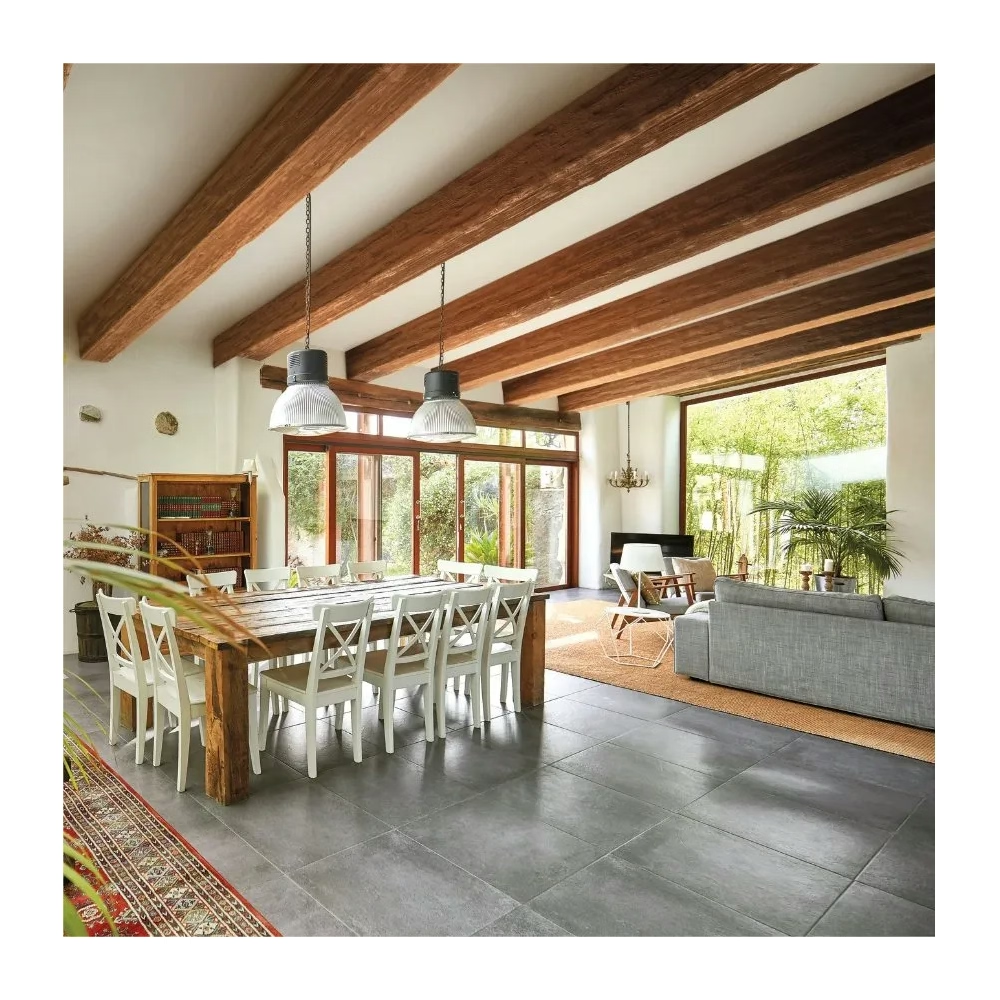
Kitchen Applications in Country Design
Kitchens in country tradition served as the true heart of the home, combining food preparation with family gathering and domestic work. These spaces required durability to withstand heavy use, warmth to make cold-weather cooking comfortable, and character to make long hours of meal preparation tolerable. Knotty pine beams contribute all three qualities, creating kitchen environments that invite extended occupation rather than efficient exit.
The practical advantages of polyurethane prove valuable in kitchen environments. Grease splatter, cooking humidity, and occasional water exposure pose no threat to properly finished faux beams. This durability simplifies cleaning and maintenance routines that kitchen spaces inevitably require. Natural wood in similar environments would demand careful protection and regular refinishing to maintain acceptable appearance.
Kitchen islands wrapped in knotty pine texture create substantial visual anchors that organize open-plan spaces. The warmth of wood contrasts effectively with cooler countertop materials like stone or marble, adding organic balance that prevents kitchen environments from feeling overly sterile or industrial. This material combination appears frequently in farmhouse-style kitchens where the goal is creating spaces that feel crafted rather than manufactured.
Color and Finish Considerations
The natural color range of knotty pine—creamy yellow through warm amber—provides the foundation for most country applications. This light, warm tone complements the muted colors typical of country palettes: sage green, dusty blue, warm grey, cream, and terracotta. The wood contributes essential warmth that prevents these cooler tones from creating cold or unwelcoming environments.
Clear finishes preserve the natural color while providing protection against environmental exposure. This treatment works well in country interiors that aim for fresh, bright atmospheres rather than heavily aged appearance. The wood reads clearly with all its character intact—knots, grain, and subtle color variation visible without interference.
For more aged country aesthetics, tinted finishes can simulate the patina that decades of exposure produce. Yellowed varnish, darkened corners around knots, and slightly amber overall tone suggest furniture and woodwork that has served faithfully through generations. These treatments suit period-reproduction country interiors where authenticity of age contributes to overall design credibility.
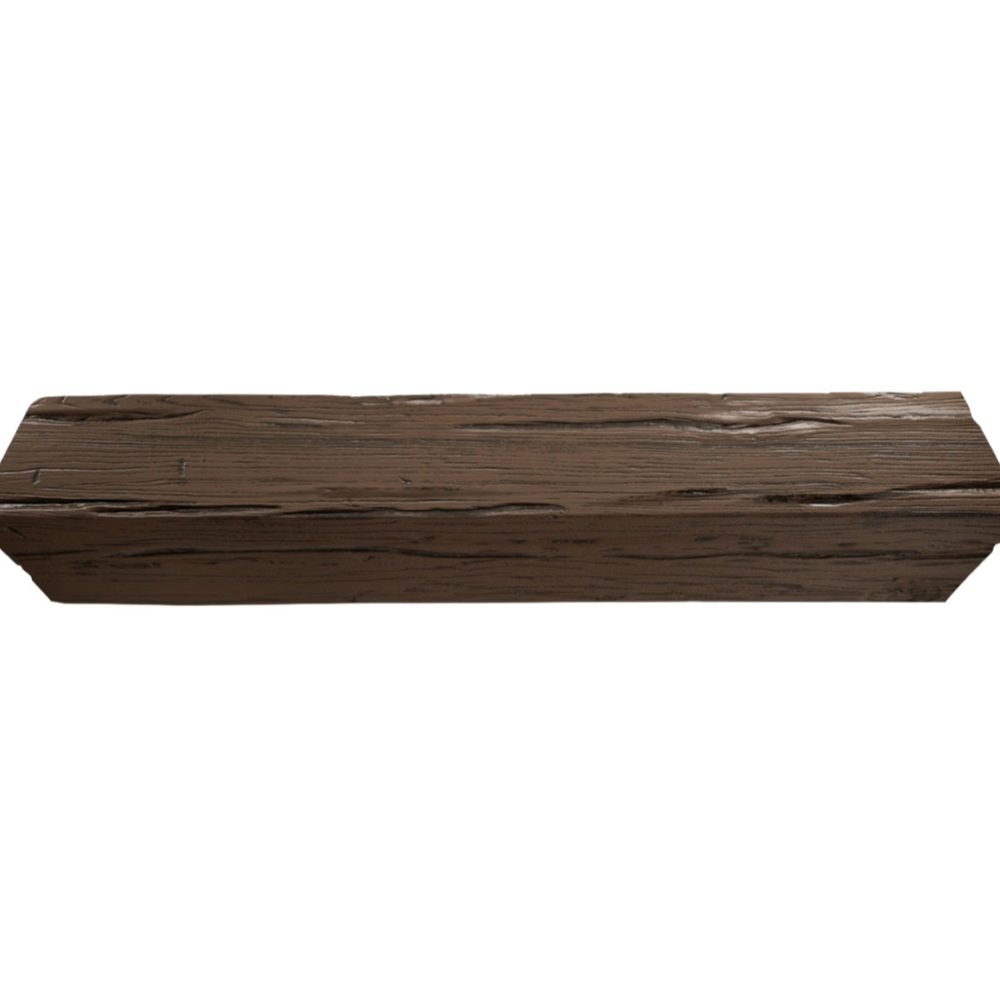
Integration with Country Furnishings
Country furniture typically features painted surfaces rather than natural wood, with colors drawn from historical traditions. Farmhouse tables in creamy white or soft blue, chairs in sage green or warm red, and cabinet pieces in heritage colors all coordinate naturally with knotty pine beams overhead. The wood tone provides warmth that prevents painted furniture from feeling too pastel or sweet.
Hardware and accessories in country interiors should reinforce the traditional aesthetic. Butt hinges, wooden knobs, and iron pulls connect to historical furniture-making traditions. Decorative accessories—stoneware crocks, quilt displays, botanical prints—fill shelves and surfaces with collected character that manufactured goods cannot replicate.
Textiles play major roles in country interiors, with patterns and colors that complement wood tones. Floral prints in muted palettes, ticking stripe upholstery, and woven rag rugs all provide textural variety while maintaining the muted color harmony that country design requires. These textiles soften hard surfaces while adding the visual warmth that makes country interiors feel genuinely inhabited.
The Practical Country Choice
Maintenance expectations in country interiors align well with the practical advantages of faux wood beams. These spaces should look better with age and use, developing patina rather than showing wear. Faux knotty pine maintains consistent appearance through years of occupation, resisting the scratches, dents, and fading that natural wood would accumulate under similar conditions.
The lightweight nature of polyurethane simplifies installation in country homes, which may feature construction that doesn't anticipate heavy ceiling treatments. Older homes particularly benefit from this weight reduction, as their ceiling structures were not engineered for the loads that solid timber would impose. Faux beams allow these homes to receive the aesthetic upgrades that knotty pine would provide without the structural complications.
Cost considerations favor manufactured products for many applications. Genuine old-growth knotty pine in substantial dimensions commands premium prices, if available at all. Contemporary fast-grown pine lacks the character that country aesthetics require. Faux products provide the authentic appearance that design intentions demand while avoiding the sourcing difficulties and cost premiums that genuine period materials would involve.
Long-Term Value in Country Applications
Country homes often serve multiple generations, with design choices made to last decades rather than years. The durability of quality faux beams supports this long-term perspective, maintaining appearance through the accumulated use that family homes experience. This stability differs from natural wood that would require periodic refinishing or eventual replacement as conditions deteriorate.
Flexibility for future changes remains available with faux installations. As family needs evolve or design preferences shift, lightweight beams can be removed and replaced more easily than heavy timber would permit. This adaptability supports the ongoing evolution that family homes necessarily experience while maintaining the option of preserving successful treatments indefinitely.
The authentic character that knotty pine faux beams provide contributes to home value in ways that purely decorative treatments cannot. Real wood aesthetics remain desirable across changing design fashions, providing visual appeal that transcends temporary trends. This lasting quality makes knotty pine beams a sound investment in home improvement that will continue contributing to living quality and property value for years to come.
Technical References
ASTM standards cited in every specification
Test Data
Lab results from internal testing program
Updated 2026
Reviewed against current product specs


