Ceilings occupy an awkward position in interior design—large surface areas that receive little conscious attention while significantly influencing how spaces feel. Smooth, featureless ceilings create the blank backdrop that contemporary minimalism sometimes pursues, but this approach sacrifices the warmth and character that more traditional treatments provide. Natural knotty textured faux beams address this imbalance directly, transforming ceiling planes from neutral backgrounds into engaging architectural features that contribute essential warmth to interior environments. The knotty texture ensures that these beams read as genuine wood rather than flat substitutes, creating the authentic character that distinguishes real craftsmanship from mere decoration.

The effectiveness of ceiling beams in creating warmth and character has been recognized since the earliest covered structures. Exposed timber framing represented both structural necessity and aesthetic opportunity, with builders selecting and arranging timbers to create pleasing visual compositions. This tradition continues in contemporary construction where ceiling beams—whether structural or decorative—remain primary tools for establishing interior character.
Why Ceilings Need Attention
The ceiling plane presents unique design challenges because of its position and scale. Floors and walls receive regular visual attention as inhabitants navigate and interact with spaces, but ceilings typically exist at the edge of awareness, noticed mainly through peripheral vision or when looking up deliberately. This limited attention means ceiling treatments must create impact through subtler means—overall tone, gentle texture, and the way light interacts with surfaces.
Textured ceiling elements solve this attention problem effectively. Rather than demanding direct observation, textured beams catch and play with light as inhabitants move through spaces, creating shifting shadows and highlights that register in peripheral vision. This ambient quality makes textured ceilings feel alive without requiring active attention, contributing to overall atmosphere without demanding focus.
The vertical dimension that ceiling beams introduce creates visual expansion that benefits most interior configurations. Beams drawing the eye upward create the perception of increased height, making rooms feel larger than their actual dimensions. This perceptual expansion proves valuable in smaller spaces or in rooms with lower-than-desired ceilings, where the visual heightening effect improves proportions without physical construction.
The Knotty Aesthetic in Ceiling Applications
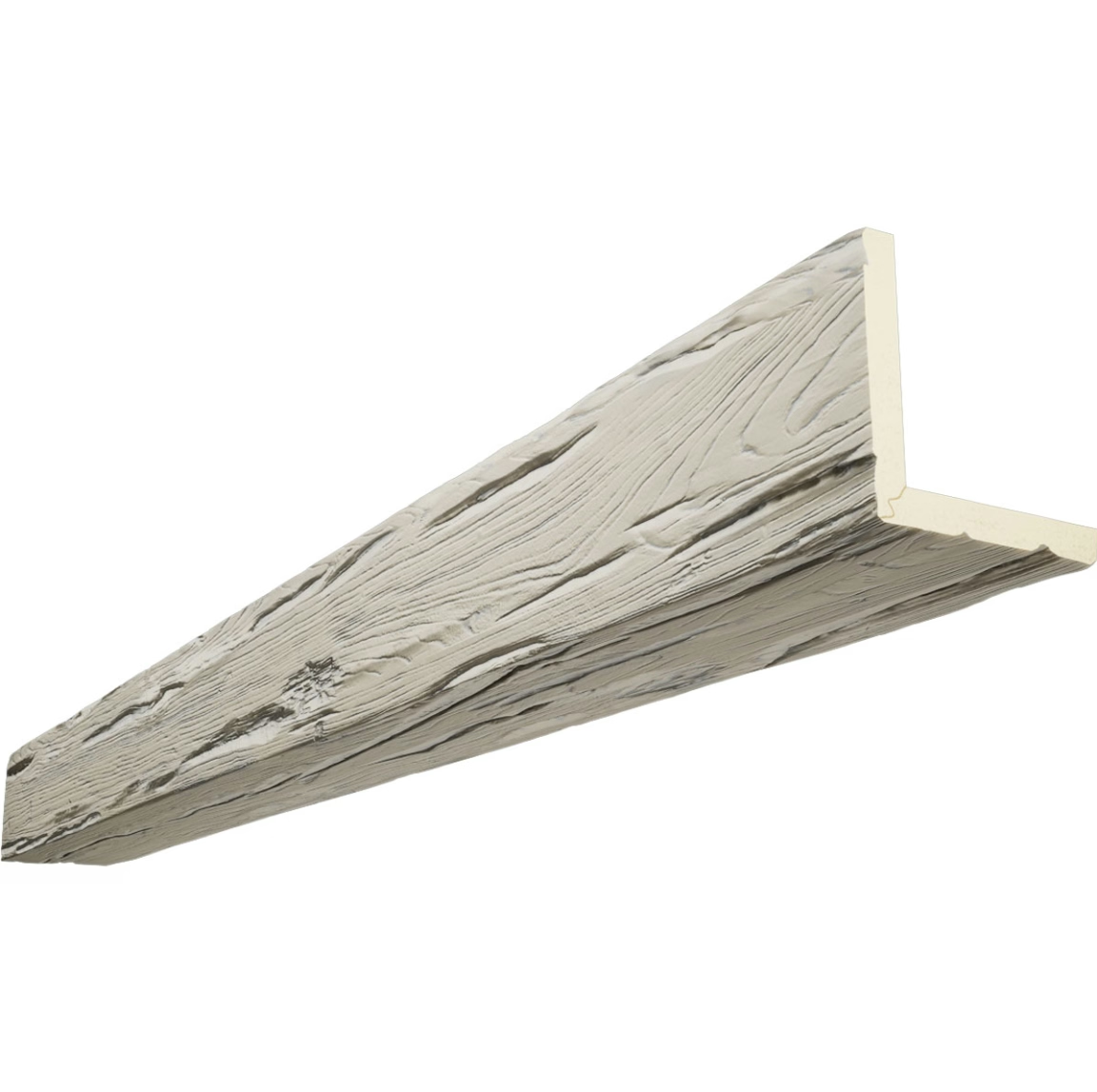
Knots provide visual anchors that prevent wood surfaces from appearing too uniform or manufactured. In ceiling applications where beams span considerable distances, the presence of knots creates points of visual interest that reward extended viewing. Each knot tells a micro-story of the tree's growth, connecting interior spaces to natural processes that existed before the building was conceived.
The distribution and character of knots significantly affect how beams read in completed installations. Dense knot patterns create bold rustic character suitable for cabin and lodge applications. More restrained knot placement provides subtle organic interest that works in transitional or even contemporary contexts. Understanding this range helps in selecting products that match specific design intentions.
Knot size relative to beam dimensions deserves consideration. Large beams with proportionally small knots can appear oddly empty, while smaller beams with prominent knots might feel overwhelmed by their features. Premium products offer various knot densities and sizes to match different beam proportions, ensuring that texture and scale relate logically to each other.
Creating Visual Rhythm Across Ceiling Planes
The spacing between ceiling beams establishes the rhythmic quality that significantly affects room perception. Uniform spacing creates regular rhythm that suggests order and intentionality, appropriate for formal or contemporary spaces. Variable spacing introduces more organic feeling, suggesting growth patterns rather than mechanical precision. Each approach serves different design intentions.
The number of beams installed affects how the ceiling reads overall. A single beam crossing a room creates a subtle feature that draws limited attention. Two or three beams establish directional emphasis that guides room arrangement and activity patterns. Multiple beams creating grid or parallel patterns transform the ceiling into a major design element that dominates visual perception.
Viewing distance influences appropriate beam selection and spacing. In rooms where inhabitants sit rather than stand, closer beam spacing might overwhelm the visual field. In rooms with vaulted ceilings and standing-height viewing, bolder beam treatments can achieve their intended impact without creating visual clutter. Scale decisions should anticipate typical viewing conditions.
Integration with Room Functions
Different room functions support different ceiling treatments. Living spaces benefit from the welcoming warmth that knotty beams provide, creating environments conducive to relaxation and conversation. Dining rooms gain intimate atmosphere when beams overhead add visual enclosure without physical barriers. Bedrooms receive the cozy quality that helps spaces feel genuinely restful.
Home office and study applications require more careful consideration. While the organic character of knotty beams can provide welcome counterpoint to digital workspaces, the rustic intensity might prove distracting in environments requiring focused concentration. More restrained application—smaller beams, lighter spacing, or less prominent knots—maintains warmth without compromising function.
Kitchen and bathroom applications leverage the practical advantages of polyurethane faux beams. These humid environments challenge natural wood severely, but polyurethane tolerates moisture exposure without deterioration. The knotty texture adds organic warmth to spaces that might otherwise feel clinical or overly functional.
Lighting Interaction with Textured Ceilings
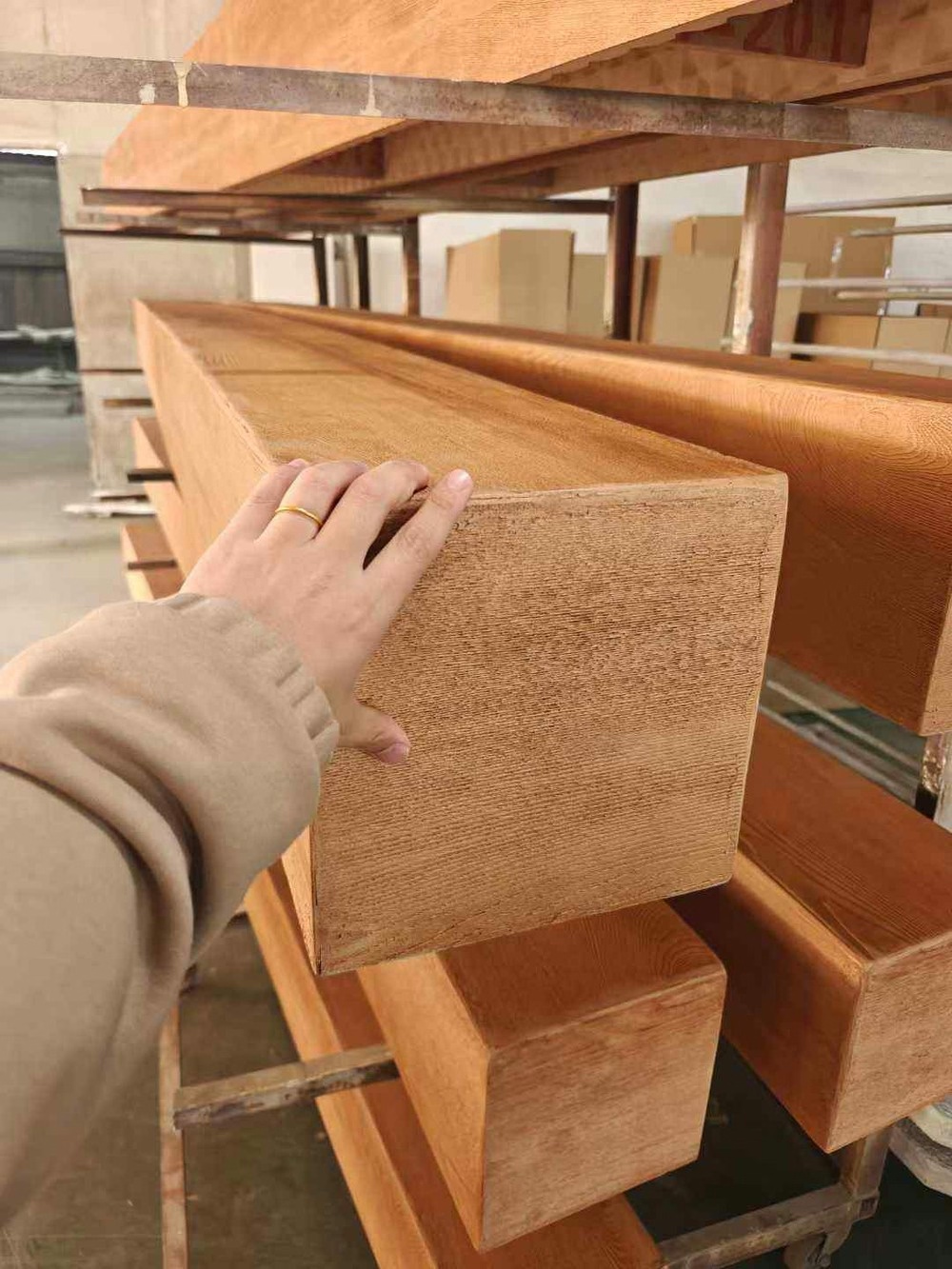
The way light plays across textured beam surfaces creates visual drama that smooth ceilings cannot achieve. Directional lighting from recessed fixtures or track lighting creates shadows within knot cavities and highlights on raised grain, adding dimensional interest that changes throughout the day as natural light shifts. This dynamic quality keeps textured ceilings interesting across extended observation.
Ambient lighting considerations differ for textured ceilings. The shadow patterns that beams create affect how light distributes across the ceiling plane, potentially creating dark areas that require supplementary illumination. Planning for adequate ambient light ensures that textured ceilings contribute positively to overall room lighting rather than creating problematic shadows.
Natural light from windows and skylights interacts with beam textures in complex ways. Morning light from east-facing windows creates different shadow patterns than afternoon west light. North light provides more consistent, cooler illumination. Understanding how natural light moves through spaces helps in planning beam placement that maximizes positive interaction between light and texture.
Materials Coordination
The materials surrounding knotty beam installations should acknowledge rather than compete with wood texture. Stone surfaces—fireplace surrounds, accent walls, flooring—provide natural complements through shared earth tones and organic variation. The roughness of stone contrasts with wood smoothness while maintaining material harmony.
Metal elements in contemporary spaces require careful handling with rustic beam treatments. Industrial metal and aged wood make unusual partners, but successful combinations exist when proportions and tones relate logically. The key lies in ensuring that different materials feel like intentional design choices rather than accidental accumulation.
Textiles and soft furnishings provide opportunity for color coordination with wood tones. The warm amber and yellow tones in knotty pine find natural companions in earth-tone textiles, creating monochromatic schemes that feel unified and grounded. Brighter accent colors stand out dramatically against wood backgrounds, requiring confident handling to avoid jarring effects.
Installation Planning
Successful ceiling beam installation requires accurate measurement and careful preparation. Ceiling dimensions, structural member locations, and beam specifications must align precisely to achieve intended results. Incomplete planning leads to awkward mounting situations, visible gaps, or beams that don't align as design intentions anticipated.
Mounting methods depend on ceiling construction and beam weight. New construction offers opportunity to add blocking between joists at mounting locations, providing secure attachment surfaces. Existing construction may require different approaches—cleats, brackets, or other hardware designed for retrofit installation. Understanding available mounting options helps in planning realistic installations.
Finishing details at beam ends and connection points affect the finished appearance significantly. Clean cuts with visible grain suggest craftsmanship, while rough or incomplete ends undermine the quality perception that the beams otherwise create. These details deserve attention equal to larger design decisions.
Maintenance for Lasting Beauty
Textured beam surfaces accumulate dust in recesses that smooth surfaces don't create. This accumulation becomes most visible under direct lighting where shadows reveal accumulated particles. Regular dusting with soft brush attachments keeps textured surfaces clean without damage. More thorough cleaning with damp cloths addresses heavier soiling that dusting cannot handle.
The durability of quality polyurethane ensures that textured surfaces maintain their definition over time. Lesser products might compress or fill in recesses through handling or cleaning, gradually losing the texture that creates authentic wood character. Premium products maintain surface definition indefinitely, preserving the investment value of quality installations.
Future access for painting or staining should be considered during installation planning. While polyurethane faux beams don't require refinishing, surrounding elements might eventually need attention. Designing installations that allow beam removal without major disruption supports long-term flexibility in maintenance and renovation.
Technical References
ASTM standards cited in every specification
Test Data
Lab results from internal testing program
Updated 2026
Reviewed against current product specs


