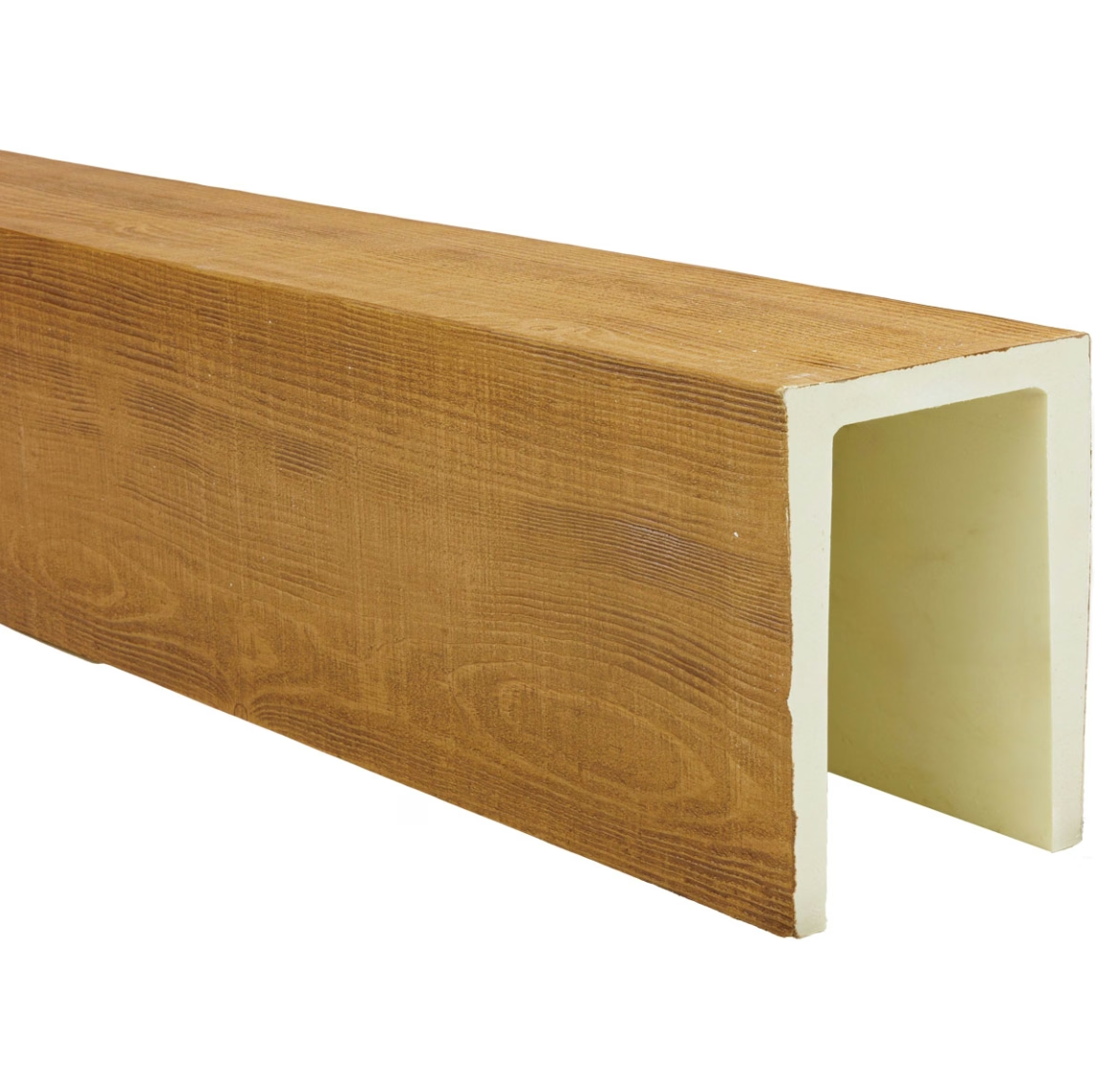
Contemporary interior design frequently pursues brightness and openness as primary aesthetic goals. White walls, light floors, and generous windows create interiors flooded with natural illumination, spaces that feel clean, airy, and optimistic. The challenge arises when these bright environments need warmth—wood brings essential organic character, but traditional dark wood tones can overwhelm the delicate balance that contemporary spaces require. Natural light oak finish faux wood beams solve this problem elegantly, providing the warmth that wood contributes while maintaining the visual lightness that contemporary interiors demand.

Light oak occupies a specific position in the wood color spectrum, offering warmth without heaviness. The pale honey tones sit closer to natural wood's lighter ranges, reflecting rather than absorbing the light that contemporary interiors typically feature in abundance. This reflective quality means light oak beams actually contribute to the brightness of spaces rather than diminishing it, a characteristic that darker woods cannot claim.
The Challenge of Wood in Contemporary Spaces
Modern architecture and interior design emerged partly as reaction against the heavy, ornate aesthetics that preceded them. Victorian excess gave way to Arts and Crafts honesty, which eventually evolved into the clean-lined contemporary that dominates today. Wood in these contexts serves different purposes than in traditional interiors—warmth without weight, texture without ornament, organic quality without visual heaviness.
Darker wood species that dominated traditional interiors create specific problems in contemporary settings. Deep mahogany or rich walnut beams draw significant visual attention, creating focal points that compete with the clean aesthetic that contemporary design pursues. These heavier woods work when their presence is intentional and designed for—but in spaces seeking subtle organic warmth, they often undermine rather than support design intentions.
The solution lies not in avoiding wood entirely but in selecting species and finishes appropriate for contemporary contexts. Light oak with minimal grain intensity provides exactly this balance, contributing warmth that enhances rather than disrupts the contemporary aesthetic. The key lies in understanding how different wood tones interact with the other elements that define modern spaces.
Designing with Light Oak
The coordination of light oak beams with surrounding elements requires attention to tonal relationships. Light walls—white, cream, or pale grey—create appropriate backgrounds for light oak, with enough contrast to define beam edges while maintaining overall brightness. Very pale walls with very light beams risk blending together, eliminating the definition that makes beams visible as distinct elements.
Floor materials significantly influence how light oak beams read in completed spaces. Light oak or maple floors create continuity that makes beams feel like natural extensions of the floor plane. Grey floors—concrete, tile, or painted wood—provide contrast that defines beams without overwhelming them. The relationship between floor and ceiling materials should feel intentional rather than coincidental.
Furniture selection in spaces with light oak beams should maintain the restrained quality that contemporary design favors. Lighter wood furniture, white upholstery, and minimal ornamentation keep the visual field clear for the beams' contribution. Heavier furniture in dark leather or bold patterns can compete with beam presence, creating visual confusion rather than harmonious composition.
Ceiling Treatment Strategies
The ceiling plane in contemporary spaces benefits from treatment that adds warmth without disrupting the clean aesthetic. Light oak beams provide exactly this contribution, introducing organic character through material rather than through complex architectural detailing. The beams become part of the architectural vocabulary without demanding attention as decorative elements.
Single beam applications work well in spaces seeking subtle warmth. A single beam crossing the ceiling of a bedroom or home office adds organic interest without making the ceiling a primary design feature. This restrained approach suits spaces where the furniture and accessories provide visual interest, with beams serving as quiet supporting elements.
Multiple beam installations create more substantial ceiling presence while maintaining the lightness that contemporary spaces require. Parallel beams crossing the ceiling at regular intervals establish rhythm that organizes the space without fragmentation. The light oak tone ensures this rhythm feels airy rather than heavy, contributing to rather than diminishing the sense of openness.
Color Temperature Considerations
Light oak presents warm tones within the broader wood spectrum, but this warmth interacts differently with various light sources. Incandescent lighting enhances the honey tones, making beams appear more golden than they might under other conditions. LED and fluorescent sources can make warm woods appear slightly orange or muddy if their color temperature isn't carefully selected.
Natural daylight reveals light oak at its best, with sunlight bringing out the subtle grain patterns and warm undertones that characterize the species. North-facing windows with their cooler natural light present the most challenging condition, potentially making warm wood appear flat or dull. In these situations, supplementary lighting with warm color temperature helps maintain the intended appearance.
The interplay between warm wood tones and cool architectural elements—stainless steel appliances, grey stone countertops, glass surfaces—creates the tension that makes contemporary spaces interesting. Neither warm nor cool should dominate entirely; instead, the combination should feel balanced and intentional. Light oak beams contribute the warmth that prevents contemporary interiors from feeling cold while remaining subtle enough not to disrupt the overall composition.
Integration with Modern Architectural Elements
Contemporary homes frequently feature architectural elements that older construction doesn't include—large windows, open floor plans, minimal interior partitions, and integrated lighting systems. Light oak beams should acknowledge these elements rather than competing with them. The beams provide warmth that these modern features sometimes lack, creating balance between organic and industrial vocabularies.
Glass walls and sliding doors common in contemporary design require careful coordination with ceiling treatments. Beams that align with or respond to these elements create visual connections that unify disparate features. A beam that terminates above a glass door, for instance, can frame the transition between interior and exterior spaces, drawing attention to the connection rather than leaving it as unemphasized architecture.
The minimal interior partitions of contemporary spaces make ceiling treatments particularly important for defining functional zones. Beams can establish the boundaries of living areas within open plans without requiring physical dividers. This spatial definition through architectural elements rather than walls maintains the openness that contemporary design typically pursues while providing the organization that practical living requires.
Practical Considerations
The lightweight nature of polyurethane faux beams proves particularly valuable in contemporary construction, where ceiling systems may not anticipate heavy timber loads. Light oak finish adds minimal visual weight while the material itself weighs far less than solid timber. This combination allows beam installation in contexts where traditional timber would be impractical or structurally unsound.
Installation efficiency matters in the fast timelines that contemporary renovation projects often follow. Light oak faux beams arrive ready to install, requiring no finishing, acclimation, or special handling. This simplicity accelerates project completion while reducing the skilled labor requirements that solid timber installations demand.
Maintenance in contemporary spaces should align with the low-maintenance philosophy that modern living often embraces. Light oak faux beams require only occasional dusting to maintain their appearance, with no periodic refinishing or protective treatment required. This simplicity suits busy households where time for home maintenance is limited.
Selecting the Right Light Oak Product
Grain intensity varies between light oak products, affecting how they read in completed spaces. Contemporary interiors typically favor subtle grain patterns that contribute warmth without strong visual presence. More pronounced grain might suit transitional spaces bridging contemporary and traditional aesthetics. Understanding this range helps in selecting products appropriate for specific design intentions.
Finish quality determines how light oak beams will age over time. Premium finishes resist yellowing and maintain consistent color despite exposure to light and air. Lesser finishes might develop uneven patina that undermines the clean appearance that contemporary spaces require. Quality suppliers provide finish specifications and warranty coverage that ensure long-term appearance.
Profile selection affects the contemporary feel of installations. Simple square profiles suit minimalist intentions most directly, with clean lines that echo contemporary furniture and architectural details. Slightly chamfered edges add subtle traditional character for spaces seeking transitional aesthetics. Avoid ornate profiles that would conflict with the restraint contemporary design typically pursues.
Long-Term Design Relevance
Contemporary design aesthetics have proven durable across decades, suggesting that investments in quality contemporary interiors will remain relevant longer than spaces chasing temporary trends. Light oak beams fit naturally within this enduring aesthetic, providing warmth that remains appropriate as furniture and accessories evolve.
The neutrality of light oak supports future changes in decor and color scheme. As preferences shift and rooms are updated, light oak beams continue contributing appropriate warmth without requiring replacement. This flexibility protects the investment value of beam installations while simplifying future renovation planning.
Quality construction ensures that contemporary spaces maintain their intended character over time. Premium faux beams that resist wear, maintain finish quality, and endure without requiring maintenance preserve the initial design intent through years of occupation. This durability represents the practical expression of the timeless aesthetic that quality contemporary design pursues.
Technical References
ASTM standards cited in every specification
Test Data
Lab results from internal testing program
Updated 2026
Reviewed against current product specs


