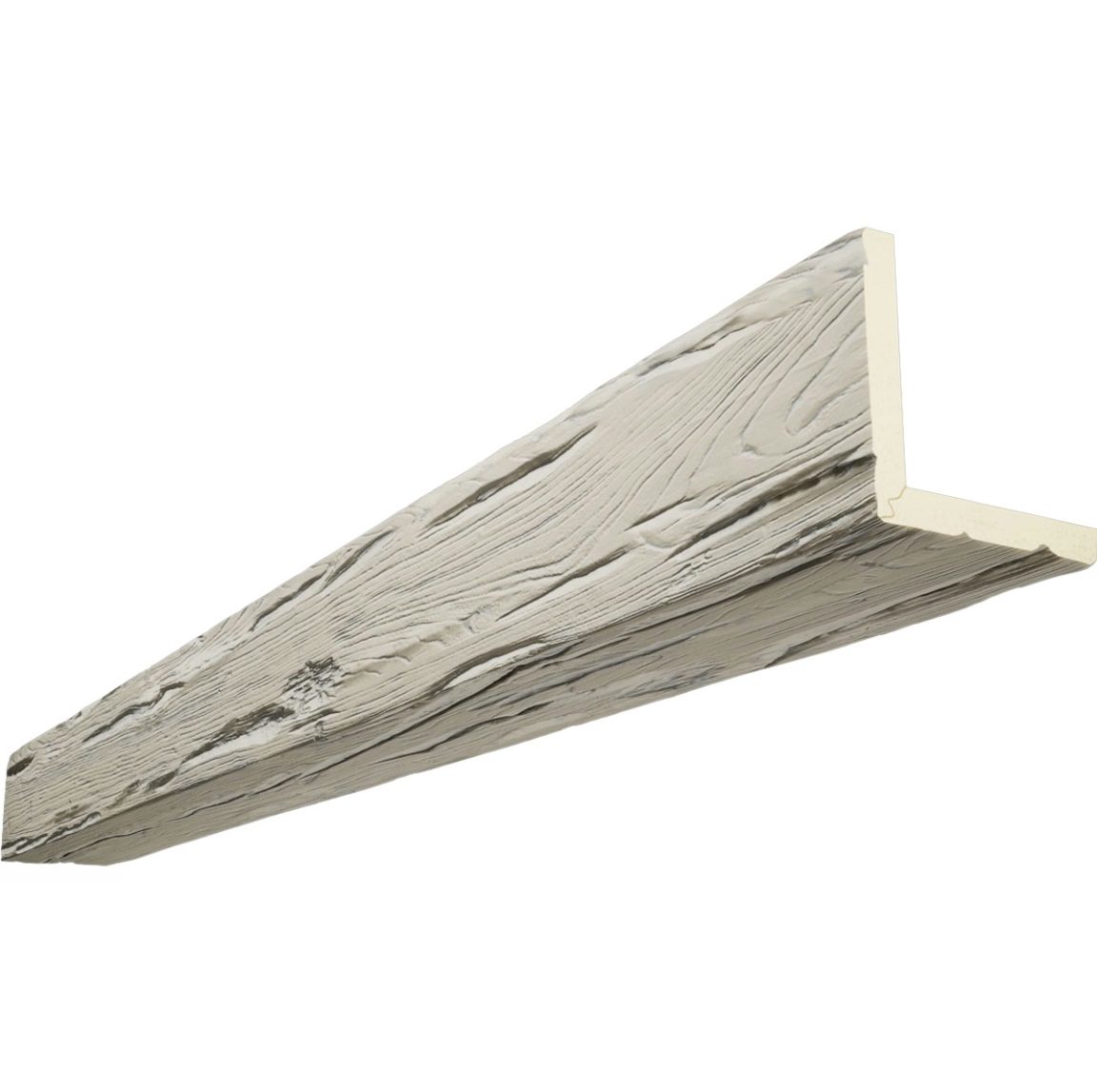
Design trends increasingly celebrate the spaces between established styles, where the boundaries of distinct vocabularies blur into something new and often more interesting than their parent traditions. The coastal farmhouse represents one such hybrid—combining the relaxed openness of beach-influenced interiors with the warm practicality of country aesthetics. This fusion creates spaces that feel genuinely livable while maintaining visual interest that neither style alone could achieve. Natural limed oak effect PU faux ceiling beams serve these hybrid interiors perfectly, offering the sun-bleached quality that coastal design prizes while preserving the warmth that farmhouse character requires.

Liming as a finish technique has ancient origins, developed to protect wood while preserving its natural grain character. The process involves applying lime-based treatments that penetrate the wood surface, lightening tones while adding subtle grey or white hues that suggest age and sun exposure. The result occupies middle ground between natural wood and painted surfaces—visible grain pattern, but muted color that feels both fresh and timeless.
Understanding the Coastal Farmhouse Fusion
The coastal farmhouse aesthetic emerged from practical real-world observations rather than theoretical design movements. Homeowners and designers noticed that beach locations and rural properties shared certain qualities—the prevalence of natural materials, the casual comfort of spaces designed for relaxed living, and the tendency toward open plans that connected interior to exterior environments. Combining these observations produced the hybrid style that now appears extensively in shelter publications and social media.
This style suits a range of geographic contexts and property types. Beach houses benefit from the farmhouse warmth that prevents nautical themes from feeling too themed. Rural properties gain the relaxed openness that coastal design contributes. Suburban homes achieve the casual comfort that neither pure coastal nor pure farmhouse might deliver alone. The versatility of the style explains its widespread adoption across diverse contexts.
Material selection proves critical in achieving successful coastal farmhouse combinations. The goal is neither pure beach house nor pure country kitchen but something new that honors both traditions. Wood tones that suggest sun-bleached timber without appearing weathered or decayed serve these interiors well. Limed oak provides exactly this quality, offering warmth within a light, relaxed color palette.
The Limed Oak Aesthetic
Limed oak achieves its distinctive appearance through careful treatment that modifies rather than conceals the underlying wood. The lime solution lightens the wood's natural tones while depositing white particles in grain depressions and open pores. This creates subtle dimensionality where light and shadow play across the surface, adding interest without the dramatic variation that darker stains produce.
The resulting color palette sits between natural oak and painted white. Honey and amber tones persist but are muted significantly, allowing grey and white influences to emerge. This intermediate quality makes limed oak remarkably versatile, coordinating with both warm and cool surrounding materials while maintaining its own distinct character.
Grain visibility in limed oak remains clear but refined. The treatment doesn't obliterate the wood's natural patterns but rather presents them in softened form. This restraint appeals to contemporary sensibilities that often reject the obvious or aggressive patterns that some wood species display. Limed oak provides enough texture to prevent flatness while maintaining the subtlety that refined interiors require.
Designing Hybrid Spaces
The most successful coastal farmhouse interiors balance their influences deliberately rather than mixing them randomly. Some rooms might lean more coastal, with blue accents and lighter overall tones. Others might emphasize farmhouse character through earth tones and rustic details. The overall home reads as unified when these variations feel like intentional modulation rather than inconsistent accumulation.
Ceiling beams provide opportunity for strategic positioning within this balance. Limed oak beams contribute more coastal than farmhouse character—the sun-bleached quality reads as seaside rather than rural. In rooms where farmhouse influence should dominate, other elements like exposed brick, apron-front sinks, or wood countertops provide counterbalance. The beams function as one voice in a larger composition.
Open floor plans common in coastal farmhouse designs benefit from material consistency across connected spaces. If the kitchen features limed oak beams, carrying similar treatment through adjacent living areas creates visual continuity that helps large spaces feel unified. Variation within this consistency—different beam configurations or spacing—prevents monotony while maintaining the overall aesthetic.
Color Coordination in Coastal Farmhouse Contexts
The muted quality of limed oak creates numerous color coordination opportunities. White and off-white walls—the backbone of both coastal and farmhouse palettes—provide appropriate backdrop for limed beams, allowing their subtle coloring to contribute without overwhelming. The slight grey influence in limed oak connects naturally to greige (grey-beige) tones common in sophisticated coastal palettes.
Blue accents appear frequently in coastal farmhouse interiors, with the specific shade significantly affecting how limed oak reads. Navy creates strong contrast that emphasizes wood grain and texture. Soft blue-grey suggests the muted tones of distant water. Seafoam and aqua bring fresher, more contemporary feeling. Each choice creates different relationships between wood and accent colors.
Earth tones and natural neutrals reinforce farmhouse influences within coastal farmhouse compositions. Terracotta, sage green, warm grey, and natural linen all complement limed oak while introducing the country character that distinguishes this hybrid style. These colors prevent interiors from reading as purely coastal by adding the grounded, practical quality that farmhouse design contributes.
Room-by-Room Applications
Kitchens represent the most common application for limed oak beams in coastal farmhouse contexts. The combination of practical functionality and gathering space that kitchens serve makes them ideal for the welcoming warmth that these beams contribute. Above kitchen islands, across cooking zones, or throughout entire kitchen ceilings—beam placement responds to specific spatial conditions and design intentions.
Living rooms and family rooms benefit from limed oak beam treatments that create gathering spaces with genuine comfort. The sun-bleached quality suggests relaxation and escape, aligning with how these rooms are typically used. Beams above conversation areas define zones within open plans while maintaining the visual flow that contemporary living requires.
Bedrooms might incorporate limed oak beams more sparingly, given the intimacy of these spaces. A single beam crossing the ceiling of a master bedroom adds architectural interest without overwhelming the quiet character that restful rooms require. Guest rooms and children's rooms might accommodate more substantial beam presence depending on specific design intentions.
Material Pairings
White surfaces—painted cabinetry, subway tile, plaster walls—create classic coastal farmhouse combinations with limed oak. This material pairing emphasizes the cleanliness that both styles pursue while allowing wood warmth to prevent clinical feeling. The high contrast between bright white and warm wood creates visual interest that holds up to extended viewing.
Natural stone surfaces in muted tones provide textural variety that complements limed oak. Quartzite or marble countertops in grey or white, slate or limestone flooring in earth tones—all coordinate with the subtle coloring that limed oak displays. The organic quality of stone reinforces the natural character that wood contributes.
Metal finishes in coastal farmhouse contexts typically favor warm options over cool. Antique brass, unlacquered brass, oil-rubbed bronze, and matte black hardware all work within the palette that limed oak establishes. The specific choice affects whether interiors read as more coastal or more farmhouse, with warmer metallics reinforcing country character and cooler options suggesting maritime influence.
The Practical Case for Faux Limed Oak
Genuine limed oak represents an expensive and challenging finish to achieve and maintain on structural timber. The lime treatment softens wood fibers, potentially affecting durability. The light color shows wear and marking more readily than darker finishes. Natural wood in limed finish requires careful maintenance to preserve its appearance over time.
Polyurethane faux beams overcome these challenges while delivering the authentic appearance that design intentions require. Factory-applied limed finishes provide consistent quality that on-site finishing cannot match. The durable polyurethane substrate accepts and retains these treatments through years of use without the wear patterns that natural wood would develop.
Installation advantages compound the practical benefits. Lightweight faux beams simplify handling and mounting, while the consistency of manufactured products ensures that all beams match precisely. This reliability proves valuable in larger projects where multiple beams must create cohesive ceiling treatments across substantial spans.
Long-Term Maintenance
The durability of polyurethane supports the low-maintenance expectations that contemporary coastal farmhouse living typically embraces. Active households with children, pets, and frequent entertaining require materials that maintain appearance through accumulated use. Faux limed oak beams meet these expectations without demanding the careful attention that natural wood would require.
Cleaning involves simple dusting to remove accumulated particles, with occasional damp cloth treatment for more significant soiling. The sealed surface prevents staining and allows straightforward removal of spills or marks. This simplicity differs dramatically from natural limed wood that might require specialized cleaning products and careful handling to avoid damage.
Future flexibility remains available with faux installations. Design evolution over time might require different aesthetics or different room functions. Lightweight beams can be removed and replaced more easily than heavy timber, supporting renovation flexibility while maintaining the option of permanent installation when circumstances suit.
Technical References
ASTM standards cited in every specification
Test Data
Lab results from internal testing program
Updated 2026
Reviewed against current product specs


