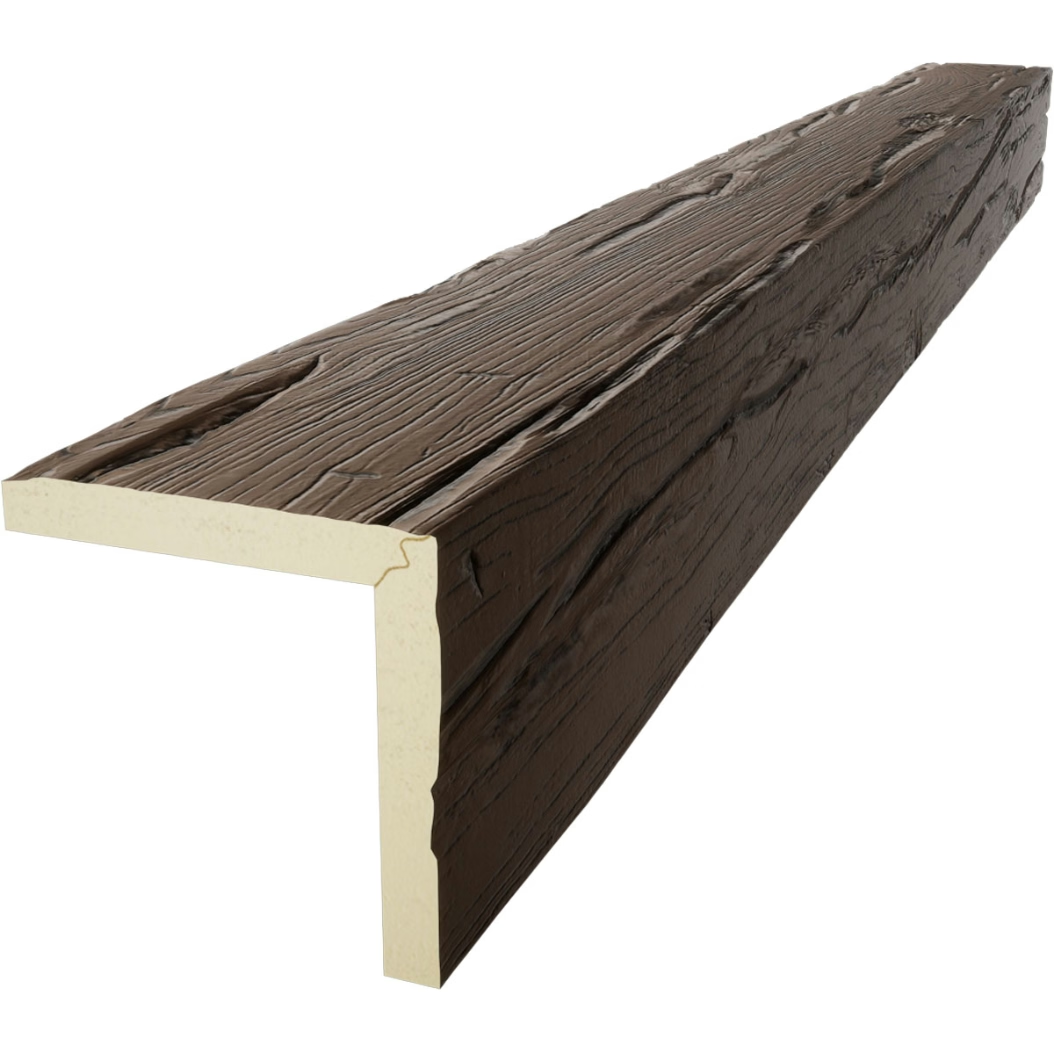
The organic modern design movement represents a response to the cold precision that modern architecture sometimes achieved at the expense of human comfort. Where early modernist philosophy pursued ideal forms divorced from historical context or tactile experience, organic modern embraces natural materials, subtle textures, and the kind of warmth that invites habitation rather than mere occupation. This philosophy has influenced residential design profoundly, with spaces increasingly seeking the authentic character that natural materials provide. Natural matte wood finish faux beams embody these principles elegantly, offering wood's organic warmth through sophisticated matte finishes that feel genuinely tactile rather than merely decorative.

Matte finishes play crucial roles in organic modern aesthetics. The absence of shine allows wood grain and texture to communicate more authentically, with light interacting with surfaces as it would with genuine timber rather than reflecting in ways that emphasize manufactured surfaces. This authenticity appeals to the material honesty that organic modern design pursues—materials should appear as themselves rather than attempting to be something else.
Understanding Organic Modern Philosophy
Organic modern design emerged from several converging influences. The craft revival of the mid-twentieth century revalued handmade objects and natural materials against industrial production. Environmental awareness highlighted the disconnect between manufactured environments and natural systems. Postmodern theory questioned the universal claims of modernist orthodoxy, embracing regional variation and human scale. These influences combined to produce design approaches that honor natural materials while maintaining contemporary sensibility.
The organic in organic modern refers not to literal biological forms but to qualities that feel natural and authentic. Spaces should breathe and flow rather than rigidly compartmentalize. Materials should reveal their true nature rather than disguising themselves. Connections to natural systems—light, air, vegetation—should be maintained or created. The goal is environments that feel genuinely alive rather than sterile or purely functional.
Wood fits naturally within this philosophy, connecting interior spaces to living forest ecosystems that existed before construction began. The grain patterns that recording growth, the subtle color variations between pieces, the tactile quality of surfaces—all communicate the organic origins that manufactured alternatives cannot replicate. Matte finish amplifies these connections by eliminating the reflective qualities that distance surfaces from natural appearance.
The Role of Matte Finishes
Matte finishes achieve their effect by scattering light rather than reflecting it coherently. Where glossy surfaces create mirror-like images and emphasize surface uniformity, matte surfaces reveal texture and variation beneath their finish layer. This behavior mimics how natural wood interacts with light, where grain patterns and surface variations create the visual interest that makes genuine timber compelling.
The tactile dimension of matte finishes deserves equal attention. Glossy surfaces feel slippery and manufactured, while matte surfaces feel more like the materials they represent. Running a hand across a matte wood surface should feel somewhat like touching genuine timber—warm, slightly textured, organic. This sensory authenticity contributes to the overall impression of spaces finished with matte treatments.
Matte finishes age differently than glossy alternatives. Rather than showing scratches and wear as glossy surfaces do—through visible scratches that disrupt reflections—matte finishes show wear more subtly, as gradual changes in texture that blend with the original surface character. This forgiving quality makes matte finishes practical for heavily used surfaces while maintaining their intended appearance over time.
Designing with Organic Modern Principles
Organic modern interiors typically feature clean lines that acknowledge contemporary construction while organic materials add warmth and character. The architecture tends toward simplicity—minimal ornament, functional forms, generous light—but finishes introduce the natural variation and tactile quality that prevent spaces from feeling mechanical. Matte wood beams serve this purpose precisely, contributing organic character through material rather than through decorative gesture.
Color palettes in organic modern design tend toward natural ranges. Earth tones, muted greens, warm neutrals, and soft blues create environments connected to natural color systems. Wood beams in matte finish contribute to these palettes through tones that emerge from nature rather than from industrial processes. The coordination between wood tones and surrounding colors should feel harmonious rather than contrasted.
The relationship between interior and exterior elements deserves attention in organic modern spaces. Large windows, indoor plants, natural light, and ventilation connect inside to outside. Wood beams reinforce these connections, with the forest origins of timber making abstract notions of nature more tangible and present. This reinforcement of interior-exterior connections distinguishes organic modern from purely aesthetic contemporary approaches.
Material Combinations in Organic Modern Contexts
Natural stone pairs effectively with matte wood beams, with both materials sharing organic origins and matte surface qualities. Stone floors, accent walls, or fireplace surrounds in materials like travertine, limestone, or slate complement wood ceilings without competing for attention. The textural variety between smooth stone and wood grain creates visual interest while maintaining material harmony.
Concrete and matte wood create more challenging but ultimately successful combinations. Both materials share industrial production methods, but their organic versus mineral origins create interesting contrast. Polished concrete floors with matte wood ceilings establish a material dialogue that contemporary spaces can explore. The warmth of wood offsets the coolness that concrete typically introduces.
Textiles and soft furnishings in natural fibers—wool, linen, cotton, leather—complement matte wood through shared organic qualities. These materials feel natural to touch, age gracefully, and contribute warmth without visual heaviness. The combination of matte wood overhead and natural textiles throughout creates environments that feel genuinely connected to natural material systems.
Lighting Considerations
The way matte surfaces interact with lighting differs significantly from glossy alternatives, and this difference shapes design decisions throughout organic modern spaces. Matte surfaces scatter light, creating soft, diffuse illumination rather than the pools and shadows that directional lighting produces on reflective surfaces. This behavior contributes to the calm, even lighting quality that organic modern interiors typically pursue.
Natural light from large windows interacts beautifully with matte wood surfaces. Sunlight filtering through trees, for instance, creates soft patterns that matte surfaces diffuse gently throughout spaces. The warmth of natural light enhances wood tones, while matte finish prevents the harsh glare that glossy surfaces might produce. This interaction between natural light and matte wood creates the kind of luminous, comfortable spaces that organic modern design seeks.
Artificial lighting in matte-finished spaces should acknowledge how these surfaces respond. Warm color temperature lighting enhances wood tones and contributes to the organic feeling that matte finish supports. Fixture positioning should consider how matte surfaces scatter light, potentially requiring more fixtures to achieve equivalent illumination compared to glossy surfaces that reflect light more efficiently.
Scale and Proportion
Organic modern spaces typically feature good proportions that generous windows and open plans create. Beam selection should enhance rather than disrupt these proportions, using scale to reinforce the sense of space that careful architecture has established. Beams too small disappear against large ceiling planes; beams too large overwhelm carefully balanced proportions.
The visual weight of matte wood beams affects how they read in completed spaces. Matte finish reduces the apparent weight compared to glossy alternatives, as less light reflects from surfaces. This reduced weight makes matte beams suitable for installations where glossy versions might feel heavy or oppressive. The psychological effect of matte finish contributes to the lightness and airiness that organic modern interiors often pursue.
Spacing between beams affects both visual rhythm and perceived ceiling height. Wider spacing creates more ceiling visibility, maintaining the sense of openness that generous windows and open plans provide. Closer spacing adds texture and visual weight, which might suit larger spaces or rooms where some compression feels appropriate. These decisions should respond to specific spatial conditions rather than applying formulas universally.
Maintenance of Matte Surfaces
Matte finishes hide dust and minor soiling better than glossy alternatives, but this quality should not lead to neglect. Regular dusting with soft materials prevents particle accumulation that might eventually require more thorough cleaning. The forgiving quality of matte surfaces means that cleaning doesn't need to be perfectly executed to achieve acceptable results.
Deeper cleaning of matte wood beams involves mild soap solutions and soft cloths. Harsh chemicals or abrasive cleaners should be avoided, as they might damage the matte surface layer. The goal is removing accumulated grime without altering the finish quality that distinguishes matte from other surface treatments.
The durability of quality matte finishes supports long-term appearance maintenance. Premium polyurethane accepts matte treatments that maintain their character through years of use, resisting the wear patterns that lesser finishes might develop. This durability simplifies household management while preserving the investment quality that organic modern interiors represent.
Selecting Quality Matte Products
The matte finish itself requires careful evaluation during product selection. Quality matte finishes appear uniformly non-reflective without visible inconsistencies or glossy patches. Running a hand across the surface should feel consistently textured without rough or smooth variations that might indicate finish problems.
The substrate beneath matte finish significantly affects long-term performance. Quality polyurethane provides stable foundation that maintains flatness and accepts finish uniformly. Lesser substrates might expand, contract, or accept finish unevenly, compromising the intended matte appearance over time. Understanding material specifications helps ensure that finished products will perform adequately.
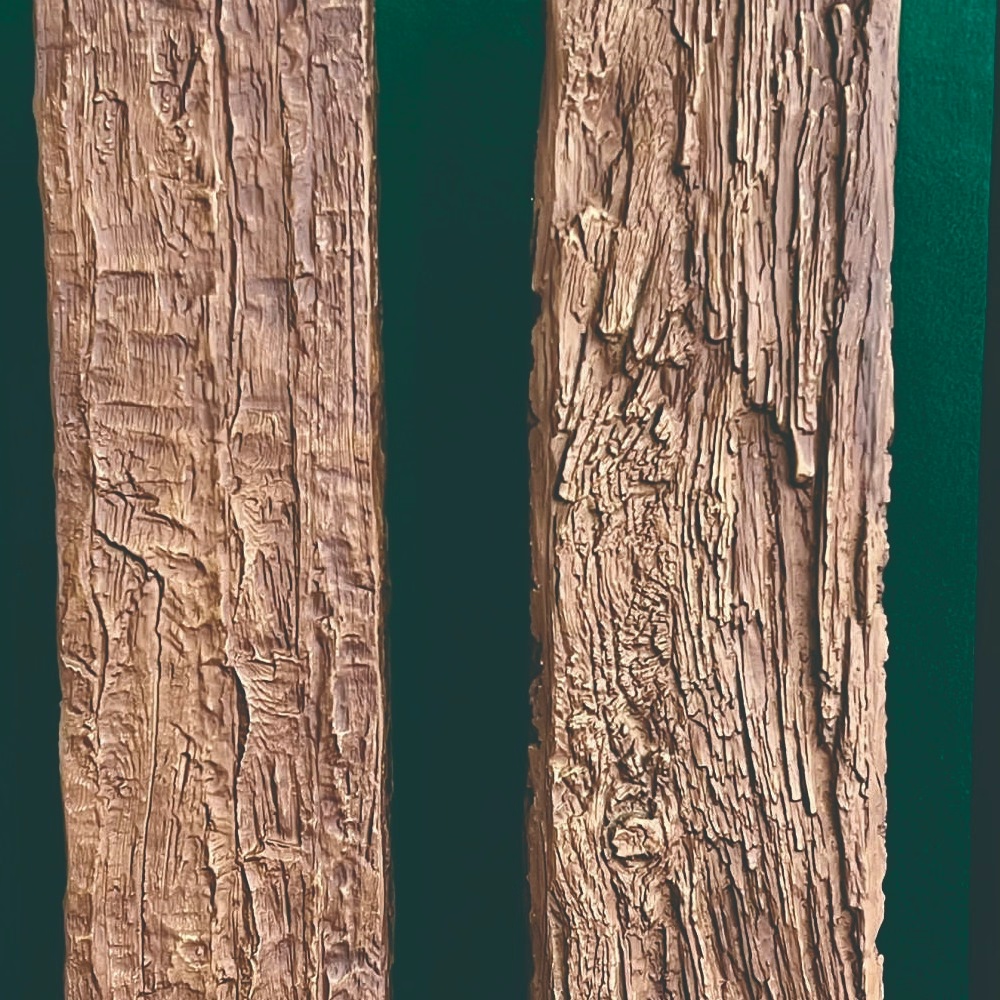
Grain character beneath matte finish should remain visible and appealing. The purpose of matte finish is enhancing natural wood appearance rather than obscuring it. Premium products maintain clear grain visibility through matte treatment, with the finish amplifying rather than suppressing the wood's natural character. Samples under various lighting conditions reveal how effectively specific products achieve this balance.
Technical References
ASTM standards cited in every specification
Test Data
Lab results from internal testing program
Updated 2026
Reviewed against current product specs


