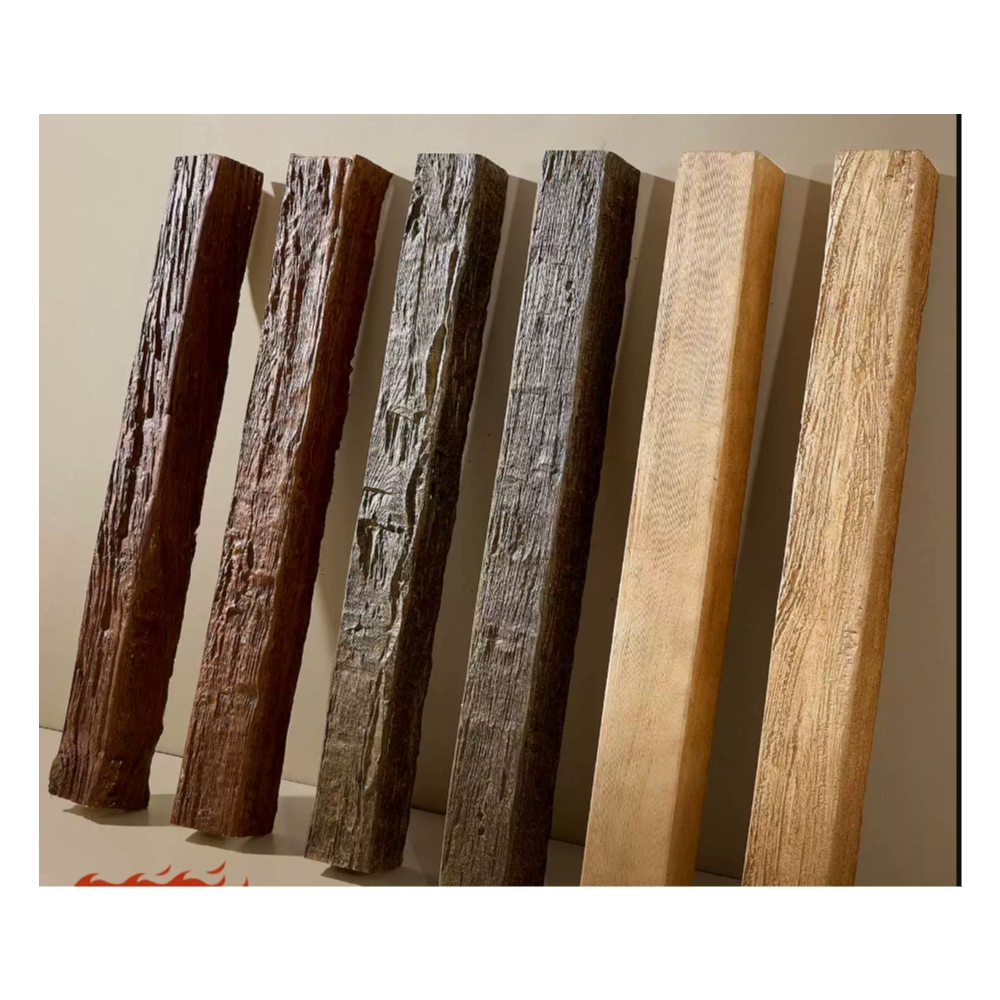
Authentic timber framing never achieved the uniformity that modern manufacturing can produce. Old growth forests produced timbers of varied character—different species growing together, trees of different ages producing wood with different densities, and the natural variation that biological systems inherently create. When carpenters assembled these varied timbers into structural frames, the resulting assemblies displayed the natural diversity that each piece carried. Natural mixed-tone PU faux timber beams capture this authentic variability, creating ceiling treatments that feel genuinely historical rather than artificially manufactured.

The visual interest of mixed-tone beams emerges from the interplay between different wood colors within a cohesive composition. Each beam displays its own character—subtle variations in grain, small differences in tone—but the overall installation reads as unified rather than chaotic. This balance between variety and unity distinguishes authentic-feeling timber installations from random accumulation of unrelated elements.
The Aesthetics of Natural Variation
Human perception responds positively to natural variation in ways that uniform manufactured surfaces cannot replicate. The visual system evolved in natural environments where organic forms displayed exactly this kind of subtle variability—each leaf slightly different from its neighbors, each stone carrying unique coloration, each tree displaying individual character. Spaces incorporating similar variation feel more alive and connected to natural systems than those featuring perfect uniformity.
The specific character of variation matters significantly. True randomness produces visual chaos that feels confused rather than natural. Authentic natural variation, by contrast, operates within parameters—similar scales, related colors, consistent patterns—that create cohesion while maintaining interest. Premium mixed-tone products achieve this balance through careful engineering that captures essential natural variability without losing compositional unity.
Mixed-tone treatments can simulate several different natural conditions. Timbers from different tree species display different base colors and grain patterns. Heartwood versus sapwood within the same species creates tonal variation. The effects of aging and exposure produce further differentiation. Understanding these natural sources of variation helps in designing installations that feel genuinely historical rather than arbitrarily treated.
Creating Organic Ceiling Compositions
The arrangement of mixed-tone beams affects how the completed installation reads visually. Random placement—installing beams as they come without deliberate arrangement—produces unpredictable results that might work well or poorly. Deliberate arrangement, by contrast, allows designers to control the visual result, placing beams with similar tones in positions that create pleasing relationships while distributing variation evenly throughout the installation.
Color zoning involves grouping beams of similar tone in specific areas rather than mixing them uniformly. A cluster of warmer-toned beams above the fireplace, for instance, with cooler tones in other areas, creates visual variety while maintaining overall composition. This technique requires more planning but produces more controlled, intentional results than random distribution.
Uniform mixing distributes different tones evenly throughout the installation, creating a dappled effect where no particular area draws excessive attention. This approach suits spaces where the beams should provide background texture rather than focal interest. The overall effect resembles historic timber frames more closely than deliberately zoned arrangements might.
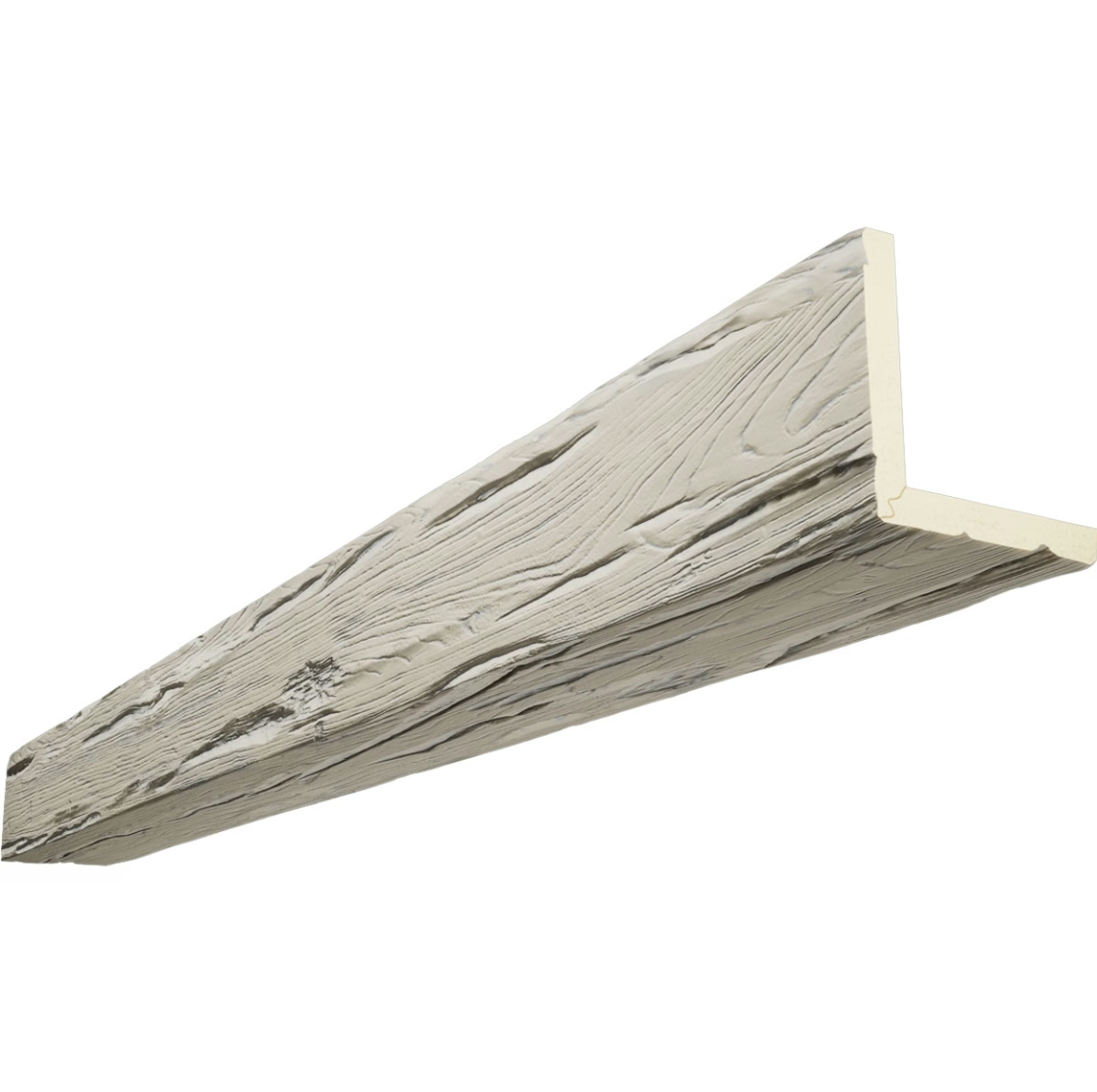
Species Combinations in Mixed-Tone Treatments
Different wood species display characteristic colors and grain patterns that create natural variation when combined. Oak with its warm browns, maple with pale honey tones, and walnut with rich dark coloring—these species in combination create the kind of varied palette that old timber frames often displayed. Faux products can simulate these species combinations through careful color matching and grain treatment.
The number of species simulated affects how varied the overall appearance becomes. Two-species combinations create subtle variation that reads as unified despite tonal differences. Three or more species introduce more dramatic variety that reads as deliberately collected rather than naturally occurring. The appropriate number depends on the specific design intention and the overall aesthetic being pursued.
Grain pattern variation accompanies color differences in multi-species treatments. Each simulated species brings its characteristic grain intensity and figure, adding visual complexity beyond mere color variation. This additional dimension of variety creates richer, more interesting surfaces that reward extended observation. Premium products capture these species-specific grain patterns rather than applying generic wood texture uniformly.
Integration with Architectural Styles
Rustic and cabin interiors provide natural applications for mixed-tone faux timber. The informal character of these spaces welcomes the organic variation that mixed-tone treatment provides, with the variety contributing to the relaxed, collected atmosphere that rustic design pursues. Beams that all appear identical would feel wrong in these contexts, suggesting manufactured rather than salvaged origin.
Transitional spaces between rustic and refined can incorporate mixed-tone beams for organic warmth without full commitment to rustic intensity. The variation adds character that prevents spaces from feeling overly designed or sterile, while the overall treatment maintains enough refinement to suit more considered interiors. This versatility makes mixed-tone products valuable for designers working across style boundaries.
Contemporary spaces seeking organic warmth without rustic character might employ mixed-tone treatments more sparingly. Single mixed-tone beams rather than full ceiling treatments provide organic character without strong stylistic commitment. This restrained approach allows contemporary spaces to benefit from natural variation while maintaining the visual restraint that modern aesthetics often pursue.
Coordination with Other Materials
Stone surfaces in varied colors complement mixed-tone wood beams effectively. River rock in mixed grey tones, fieldstone with natural color variation, or cultured stone designed to simulate these effects—all create material harmonies that reinforce organic character. The shared quality of natural variation connects disparate materials within unified compositions.
Metal elements in mixed-tone contexts should acknowledge the organic character of surrounding materials. Weathered steel, patinated copper, or black iron in matte finish complement mixed wood tones better than highly polished or brightly colored alternatives. The goal is creating material relationships that feel naturally occurring rather than deliberately matched.
Textiles in natural, undyed or minimally processed states reinforce the organic quality that mixed-tone beams establish. Wool in natural grey and brown tones, linen in unbleached states, and cotton in natural colors all extend the material palette without introducing manufactured precision. The cumulative effect of these material selections creates environments that feel genuinely connected to natural systems.
Installation Planning
Accurate quantity estimation becomes more important with mixed-tone installations where visual variety affects appearance. Beams that arrive should be evaluated for tonal distribution before installation begins. Some suppliers provide beams already sorted by tone; others ship randomly and require on-site sorting. Understanding supplier practices helps in planning the additional time that sorting might require.
Layout planning allows designers to control how different tones distribute throughout installations. Drawing or diagramming beam placement before installation begins ensures that tonal distribution meets design intentions. This planning also identifies any beams that might need repositioning to achieve optimal visual results.
Mounting considerations for mixed-tone installations don't differ significantly from uniform treatments. The same structural requirements and mounting methods apply regardless of beam coloring. The additional planning that mixed-tone treatments require relates to visual arrangement rather than structural installation.
Maintenance of Varied-Tone Installations
Cleaning protocols for mixed-tone beams should address all tones present without preferentially affecting any. Some stain removal techniques might lighten certain colors while leaving others unchanged, creating appearance problems in varied-tone installations. Testing cleaning products on inconspicuous areas before full application prevents unintended tonal changes.
The durability of quality polyurethane supports long-term color stability in mixed-tone products. Unlike natural wood where different species or different pieces age at different rates, manufactured products maintain consistent coloring indefinitely. This stability preserves the intentional balance that designers establish, preventing the gradual divergence that natural wood would experience over time.
Touch-up considerations in varied-tone installations require careful color matching. Patching or repair of damaged areas must acknowledge the specific tone of affected beams. Suppliers who provide touch-up materials specifically formulated for their products offer the best assurance of matching results. Generic repair materials might produce visible patches that disrupt the intended visual effect.
Evaluating Quality in Mixed-Tone Products
The range of variation within mixed-tone products should be sufficient to create visual interest without appearing random or chaotic. Quality products achieve balance through careful engineering of color ranges and distributions. Examining multiple samples reveals how well manufacturers have calibrated this variation to create authentic organic character.
Grain pattern variety accompanies color variation in quality products. Each beam should display distinctive grain character that corresponds to its color treatment, simulating the species-specific patterns that natural timber variation produces. Uniform grain pattern throughout varied-tone products would undermine the authentic character that these treatments pursue.
Finish consistency ensures that all beams in mixed-tone installations age uniformly. Variations in finish quality or thickness might cause some beams to yellow or change color while others remain stable, gradually disrupting the intentional balance that characterized initial installation. Quality control during manufacturing prevents these inconsistencies.
Technical References
ASTM standards cited in every specification
Test Data
Lab results from internal testing program
Updated 2026
Reviewed against current product specs


