Luxury in contemporary interior design has evolved beyond ostentation toward a more subtle vocabulary of quality and restraint. The wealthiest clients increasingly seek spaces that feel genuinely comfortable rather than impressively grand—interiors where expensive materials coexist with livable functionality, and where refined taste manifests through careful selection rather than accumulated excess. This evolution has elevated walnut to prominence among wood species, as its rich, neutral tones provide the warmth that neutral luxury palettes require while maintaining the restraint that contemporary sophistication demands. Natural modern walnut wood look PU faux beams bring these qualities into ceiling applications, providing the architectural presence that substantial wood elements contribute.

Walnut occupies a special position in the wood hierarchy, prized by craftsmen and designers across centuries for qualities that distinguish it from both lighter and darker alternatives. The species displays rich chocolate-brown tones with occasional purple or grey undertones that create complexity beneath surface appearances. Grain patterns run generally straight with occasional figure that adds interest without demanding attention. The combination produces wood that feels substantial and luxurious without the visual heaviness that darker species sometimes impose.
The Character of Modern Walnut Aesthetics
Contemporary walnut applications differ significantly from traditional uses. Historic walnut furniture and paneling often featured prominent grain and substantial color variation, reflecting the nature of timber from older-growth trees. Modern walnut, from plantation-grown timber, tends toward more uniform coloring with subtler grain patterns. Contemporary faux products capture this refined character, providing luxury aesthetics suited to current design sensibilities rather than historical recreation.
The neutral quality of walnut makes it extraordinarily versatile in design applications. Unlike woods with strong color biases—orange honey tones, red undertones, or pale blondeness—walnut sits in the middle range, coordinating naturally with both warm and cool surrounding materials. This flexibility allows walnut to serve diverse design intentions without demanding specific companion colors or materials.
Luxury interiors increasingly favor the quiet confidence that walnut provides. Rather than demanding attention through bold color or dramatic pattern, walnut communicates quality through subtlety and refinement. The wood rewards close observation while maintaining restraint that allows other elements their place in the composition. This quality of understated elegance defines contemporary luxury aesthetics.
Designing with Neutral Luxury Palettes
Neutral luxury interiors build from foundation colors—whites, creams, greys, and beiges—that create calm, sophisticated backgrounds. Against these neutral foundations, walnut introduces warmth that prevents spaces from feeling cold or clinical. The relationship should feel complementary rather than contrasting: walnut enhances neutral backgrounds rather than competing with them for attention.
Grey palettes in particular benefit from walnut's warming influence. Cool greys can feel austere without warmer elements to balance their temperature. Walnut's subtle warmth prevents this austerity while maintaining the sophisticated character that grey palettes pursue. The combination of grey walls and walnut beams has become a contemporary classic precisely because it balances these qualities so effectively.
White backgrounds create different relationships with walnut. The high contrast between pale walls and rich walnut beams produces more dramatic effect than grey backgrounds achieve. This combination suits spaces seeking stronger visual presence, where the beams should contribute significant architectural interest rather than quiet warmth. Entry halls, dining rooms, and living rooms often benefit from this more assertive treatment.
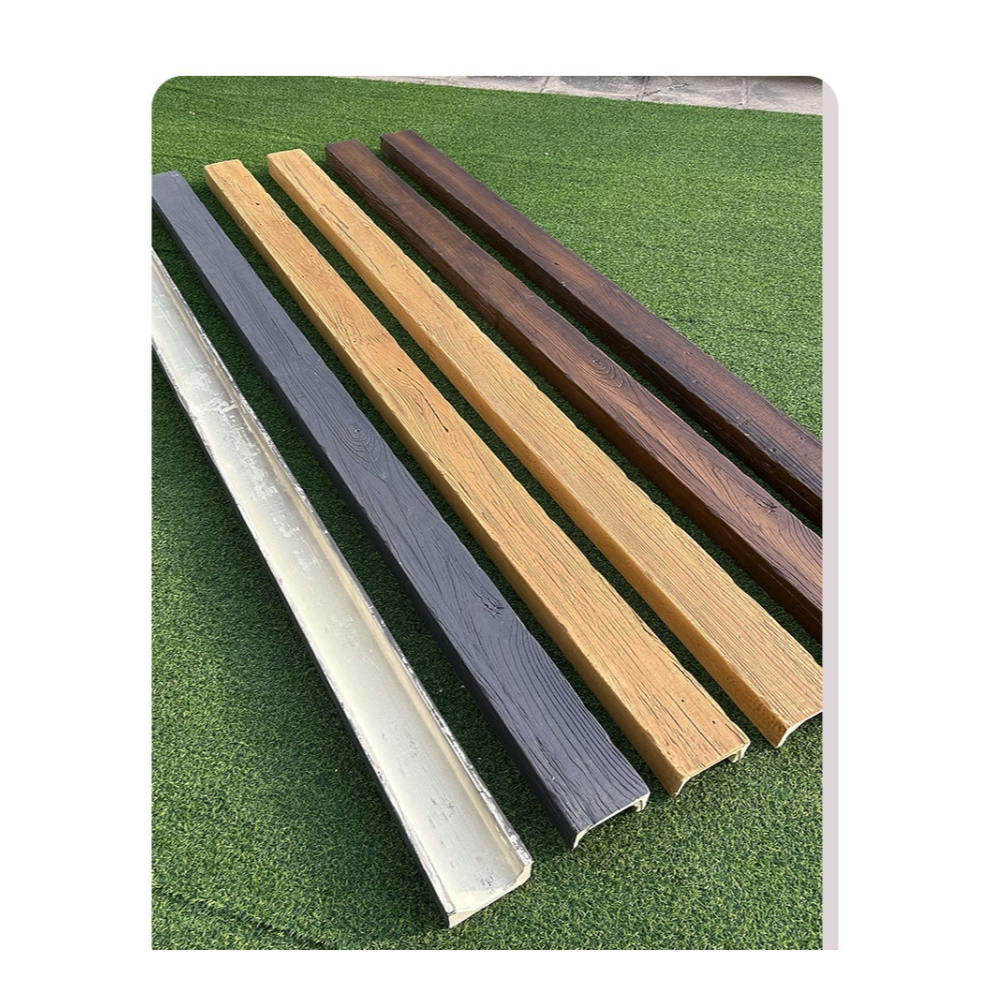
Integration with Luxury Materials
Natural stone surfaces in neutral tones complement walnut beams through shared luxury positioning. Marble in white, grey, or travertine; granite in sophisticated neutral colors; and limestone in warm beige—all create material combinations that communicate quality without visual competition. The organic warmth of wood balances the mineral coolness of stone, creating harmonious compositions that feel both natural and refined.
Metal accents in luxury interiors should acknowledge walnut's sophisticated character. Polished brass and warm gold introduce complementary warmth that harmonizes with walnut tones. Brushed nickel and cool steel create more complex relationships that require careful handling. Black metal provides strong contrast that emphasizes walnut's richness while maintaining the neutral palette that luxury interiors typically pursue.
Glass and crystal elements appear frequently in luxury interiors, and walnut provides grounding counterpoint to these transparent materials. The warmth and solidity of wood balances the cool transparency of glass, creating material relationships that feel complete and balanced. Large glass windows, crystal lighting fixtures, and mirrored surfaces all benefit from walnut's organic counterpoint.
Application Strategies for Luxury Spaces
Ceiling applications of walnut beams in luxury interiors should acknowledge the refined character that defines these spaces. Substantial beams that command attention might overwhelm the subtle sophistication that contemporary luxury pursues. More moderate applications—single beams or carefully spaced groups—contribute warmth and luxury without visual heaviness.
Profile selection for luxury applications favors clean lines over decorative elaboration. Simple square or slightly eased profiles suit contemporary walnut aesthetics better than carved details or ornate corbels. This restraint maintains the refined quality that distinguishes luxury from excess, where excessive ornamentation would undermine the understated elegance that these spaces seek.
Scale relationships between beams and surrounding elements deserve careful attention. Beams that appear undersized relative to room dimensions will seem inadequate rather than refined. Appropriately scaled beams, by contrast, feel like considered choices that acknowledge proportional relationships. The specific appropriate scale depends on ceiling height, room dimensions, and the overall design intention.
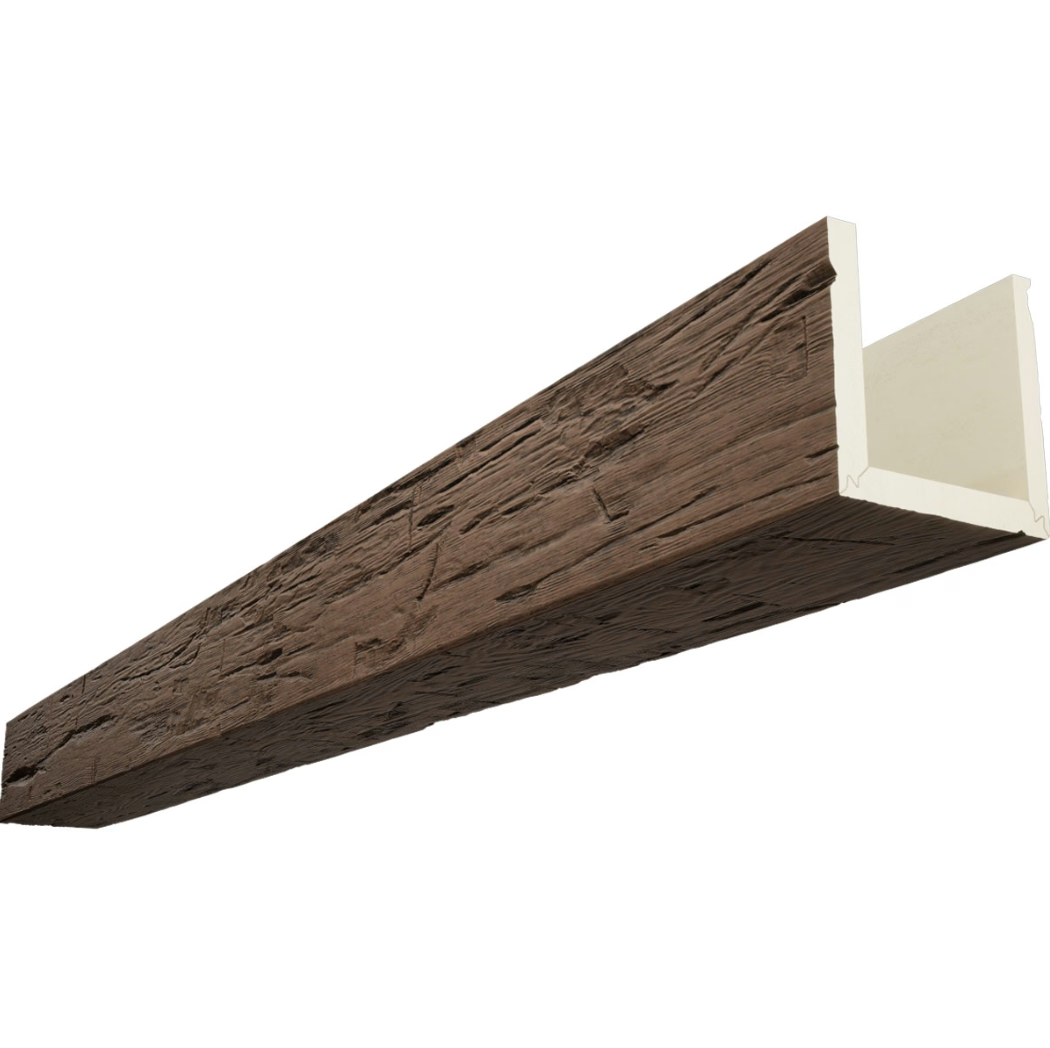
The Practical Luxury of Faux Walnut
Genuine walnut timber in architectural dimensions represents significant investment, with prices reflecting both the species' inherent value and the limited supply of wide, clear lumber. Faux walnut beams provide the aesthetic qualities that design intentions require while avoiding the cost premiums and sourcing challenges that genuine walnut involves. This practical advantage makes walnut aesthetics accessible across a wider range of projects and budgets.
The consistency of manufactured products ensures uniform quality that natural walnut cannot match. Each beam displays color and grain within specified parameters, eliminating the variation that natural wood inherently displays. For projects requiring precise coordination between multiple beams, this consistency simplifies design and installation while ensuring predictable results.
Installation efficiency compounds the practical advantages. Lightweight faux beams reduce the structural requirements and labor intensity that genuine walnut timber would impose. These practical benefits matter in luxury applications where project budgets typically include allowances for quality but not for unnecessary expense or complexity.
Maintenance for Lasting Luxury
The care of luxury interiors should match the quality that defines them. Rather than demanding frequent attention, quality materials maintain their appearance through routine care that preserves rather than degrades. Walnut faux beams support this expectation, requiring only occasional dusting to maintain their refined appearance.
The durability of polyurethane ensures that beam appearance remains consistent over time. Natural walnut can develop uneven patina when exposed to light, with surfaces near windows lightening while protected areas remain darker. Faux products maintain consistent coloring regardless of light exposure, preserving the intentional balance that designers establish.
Cleaning protocols for faux walnut beams involve simple dusting and occasional damp cleaning. The sealed surface prevents staining and allows straightforward removal of accumulated grime. No specialized cleaning products or periodic refinishing is required, simplifying household management while maintaining the investment quality that luxury interiors represent.
Selecting Quality Walnut Look Products
Grain authenticity distinguishes premium walnut look products from budget alternatives. The characteristic walnut grain pattern should be clearly visible without appearing overdone or artificial. Premium embossing captures the subtle figuring that distinguishes walnut from other dark woods, creating surfaces that reward close inspection.
Color depth and complexity indicate quality in walnut look products. The rich brown tones of genuine walnut include subtle purple and grey undertones that create visual interest beneath surface appearances. Quality faux products capture this complexity rather than presenting flat brown coloring. Examining products under various lighting conditions reveals how effectively manufacturers have achieved this depth.
Finish quality determines how walnut look products will age over time. Premium finishes maintain their character through years of exposure without yellowing, peeling, or wearing unevenly. Understanding finish specifications and warranty coverage helps in evaluating whether products will maintain their intended luxury appearance throughout extended service life.
The Investment Value of Walnut Aesthetics
Quality walnut beams contribute lasting value to interiors designed for enduring appeal. The timeless character of walnut ensures that beam installations remain appropriate as furniture, colors, and styles evolve. This longevity distinguishes quality investments from temporary treatments that require updating as trends change.
The neutral luxury palette that walnut supports proves equally durable across design evolution. While specific accent colors and furniture styles may date, the foundational relationship between neutral backgrounds and warm wood tones remains perpetually appropriate. This staying power makes walnut beams sound investments in interior quality that will continue contributing to living environments for decades.
Technical References
ASTM standards cited in every specification
Test Data
Lab results from internal testing program
Updated 2026
Reviewed against current product specs


