Interior design trends come and go with remarkable speed in the modern world. What's considered cutting-edge one decade can feel dated the next, leaving homeowners who invested heavily in trendy finishes facing expensive updates. This impermanence has driven many design decisions toward classic approaches that transcend specific periods or movements. When it comes to ceiling treatments, few options offer the timeless appeal of wood beams. The natural warmth and organic texture of timber has adorned ceilings for centuries, from medieval great halls to Victorian parlors to contemporary ranch homes. Natural oak look PU ceiling beams extend this enduring tradition into the present day, providing architectural character that maintains its appeal regardless of shifting design fashions.
The appeal of oak as a design element goes beyond mere aesthetics. Oak has historical significance in architecture, representing quality construction and thoughtful material selection. Homes featuring oak beams signal attention to detail and appreciation for authentic materials, even when those materials are carefully crafted replicas. This perception adds intangible value that extends beyond the visual impact of the beams themselves.
The Enduring Appeal of Oak in Classic Interiors
Oak wood has been prized by builders and designers for millennia, and for good reason. The wood combines exceptional durability with beautiful grain patterns that become more interesting as the material ages. Unlike some woods that look their best when newly cut and gradually lose visual appeal, oak often improves with time—the grain deepens, the color richens, and surface wear adds character that many designers actively seek. This aging quality means oak-inspired elements feel right in both new construction and older homes being restored or updated.
Classic interior design draws heavily on this sense of accumulated character. Spaces designed in the traditional style typically layer multiple elements that suggest history and permanence—rich fabrics, established furniture forms, architectural details that speak to craftsmanship. Wood ceiling beams slot naturally into this design vocabulary, providing the warmth and organic presence that balances the harder lines of traditional millwork and the formality of classic furniture silhouettes.
Natural oak look PU ceiling beams capture these qualities without demanding the patience that true aging requires. The manufacturing process creates beams with the rich depth and variation that genuine oak develops over decades, giving new construction the visual maturity that would otherwise take generations to achieve. A newly built home can feature ceiling beams that look as though they've witnessed generations of family gatherings, their surfaces carrying the subtle variations that suggest stories waiting to be told.
Designing with Timelessness in Mind
Achieving truly timeless design requires understanding what makes certain elements feel permanent while others read as fashionable. Timeless pieces share certain characteristics: they work with a wide range of complementary materials, they serve clear functional purposes while remaining visually interesting, and they possess enough visual complexity that repetition doesn't bore the eye. Wood ceiling beams satisfy all three criteria, which explains their persistent presence across centuries of architectural evolution.
When incorporating natural oak look PU beams into interior design, consider how they'll interact with other materials throughout the space. Oak tones harmonize beautifully with warm stone, leather, brass, and woven textiles—materials that have maintained consistent popularity in interior design precisely because they age well and work across multiple style contexts. These natural material pairings create rooms that feel grounded and intentional rather than assembled from disparate trending elements.
The scale of ceiling beams should relate thoughtfully to the room's proportions and the other architectural elements present. In rooms with substantial crown molding or elaborate door and window casings, larger beams that echo this formality create visual coherence. More restrained spaces might call for smaller beams or a simpler installation approach that adds warmth without competing with other details. The goal is always integration—beams that feel as though they belong to the architecture rather than being added as an afterthought.

Quality Indicators in PU Beam Manufacturing
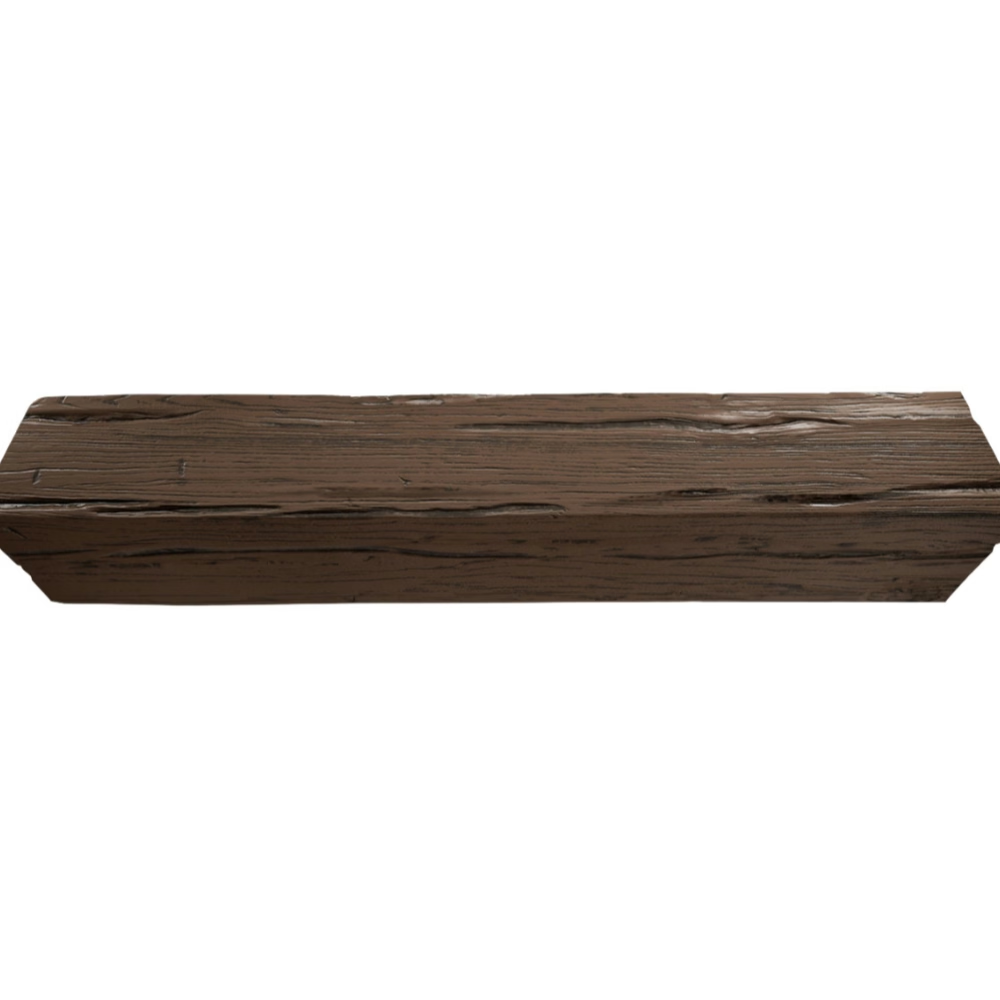
Not all natural oak look PU ceiling beams are created equal, and understanding what distinguishes premium products helps ensure satisfying results. The most convincing beams feature deeply textured surfaces that catch light realistically, creating the subtle shadows and highlights that make genuine wood visually interesting. Cheaper alternatives often feature shallow textures that read as painted-on detail rather than genuine surface variation.
Color development represents another critical quality differentiator. High-quality beams incorporate multiple tones that work together to suggest authentic wood rather than a single flat color applied uniformly. The grain lines themselves carry slightly different values than the surrounding wood, and the overall tone varies appropriately across the beam's surface. When evaluating beams in person or through detailed photography, look for this kind of color complexity—it represents the difference between a convincing replica and an obvious fake.
The precision of the manufacturing process affects more than aesthetics. Well-made PU beams feature consistent dimensions that simplify installation and ensure that multiple beams work together harmoniously. Joints between beam sections close cleanly, and mounting hardware aligns properly with predrilled attachment points. These manufacturing standards reflect quality control throughout the production process, and they typically correlate with better performance in areas like UV resistance and impact durability.
Practical Considerations for Classic Interiors
Despite their manufactured origin, natural oak look PU ceiling beams require relatively little ongoing attention once installed. The polyurethane material resists moisture absorption, which means it won't swell, warp, or develop the mold and mildew issues that can plague genuine wood in humid environments. This stability makes PU beams suitable for installation in spaces like kitchens and bathrooms where traditional wood products often struggle.
The lightweight nature of polyurethane extends design possibilities that might prove impractical with genuine timber. Cantilevered installations, angled ceiling treatments, and other ambitious configurations become achievable without the structural engineering that heavy timber would require. Designers and homeowners can pursue their creative vision without compromise, trusting that the material will perform reliably regardless of the installation challenge.
For historic properties or homes styled to evoke earlier architectural periods, PU beams offer a practical advantage beyond aesthetics. Genuine antique beams or salvaged timber suitable for ceiling installation can prove expensive and difficult to source. PU alternatives provide the same visual effect while avoiding the availability constraints and cost volatility that affect reclaimed wood markets. The result achieves authentic period character without the logistical complications or ethical concerns that sometimes attend architectural salvage.
Balancing Tradition and Innovation
The choice to use manufactured faux beams in traditionally-styled interiors raises interesting questions about authenticity in design. Some purists argue that only genuine materials carry the genuine character that traditional aesthetics demand. Others embrace the practical advantages of modern materials while appreciating the visual qualities that advanced manufacturing can achieve. Both perspectives have merit, and the ultimate decision depends on project-specific factors including budget, performance requirements, and personal values regarding authenticity.
What seems clear is that the gap between authentic and manufactured has narrowed dramatically in recent years. The best PU faux wood beams deliver visual and tactile experiences that satisfy all but the most demanding observers. When combined with thoughtful installation and appropriate material pairings, they create spaces that feel genuinely crafted rather than cheaply simulated. The tradition of wood ceiling beams continues—it simply expresses itself through new materials that honor the original concept while adapting to contemporary realities.
For homeowners and designers seeking the warmth and character of timber ceiling beams without the practical limitations of genuine wood, natural oak look PU ceiling beams offer a compelling solution. They deliver timeless design appeal that coordinates with classic interiors while providing the durability, light weight, and installation flexibility that modern building practices demand. The result bridges past and present in ways that pure traditionalists and committed modernists alike can appreciate.
Technical References
ASTM standards cited in every specification
Test Data
Lab results from internal testing program
Updated 2026
Reviewed against current product specs


