Classic interior styling draws its power from accumulated wisdom about what works—design choices that have proven their worth across generations and countless successful applications. At its core, classic design prioritizes warmth, craftsmanship, and material authenticity. Spaces styled classically feel inviting rather than austere, lived-in rather than sterile, considered rather than arbitrary. Wood has always played a central role in achieving these qualities, its organic warmth tempering the harder edges of architectural structure. Natural oak texture polyurethane faux beams extend this tradition by making classic wood ceiling aesthetics accessible to projects where genuine timber might prove impractical.
The texture of oak represents one of its most distinctive characteristics. Unlike woods with straight, uniform grain patterns, oak features complex patterns that include everything from tight cathedral peaks to sweeping flats to occasional swirls and waves around knots and irregular growth patterns. This texture creates visual interest that rewards close inspection while reading beautifully from a distance. Capturing this complexity in a manufactured product requires sophisticated molding technology and careful attention to color development during production.
Understanding Oak Texture Variation
Authentic oak texture encompasses far more than simple grain lines. The surface of genuine oak timber reveals the tree's growth history through subtle elevation changes, variations in pore size, and the way different areas catch and scatter light. The early wood and late wood within each annual ring have different densities and absorb finishes differently, creating natural tonal variation that contributes to the overall richness of appearance.
Premium polyurethane faux beams reproduce these qualities through multi-stage manufacturing processes. Initial molding captures the macro-level texture—the overall pattern of grain lines and any knots or distinctive features. Subsequent finishing processes add the micro-level variation that distinguishes convincing replicas from obvious simulations. The combination creates surfaces that respond to light the way genuine wood does, with different areas of the same beam carrying subtly different appearances depending on angle and illumination.
This texture complexity serves practical purposes beyond aesthetics. The varied surface of authentic oak provides visual camouflage for any scratches or scuffs that occur through use. The same quality benefits polyurethane beams—minor surface damage becomes less visible on a textured surface than on a smooth one, helping the beams maintain their appearance through years of service. This durability factor makes textured PU beams particularly suitable for high-traffic areas or homes with active families.
Classic Styling Applications
The term "classic styling" encompasses several related design traditions that share certain core characteristics. Traditional design draws heavily on European influences, featuring formal arrangements, rich colors, and architectural details that suggest heritage and craftsmanship. Country style takes a softer approach, emphasizing comfort and welcome through warmer colors, more casual arrangements, and materials that show the marks of honest use. Both traditions welcome wood ceiling beams as integral design elements rather than mere additions.
In formal traditional interiors, oak-textured PU beams typically appear in generous proportions with clean, architectural detailing. The beams themselves become prominent features of the ceiling plane, their substantial presence demanding attention and anchoring the room's design. Such installations work best in rooms with generous ceiling heights where the beams can read as intentional architectural features rather than cramped additions. Crown molding and other trim elements often accompany the beams, creating a unified ceiling composition that complements the room's other traditional details.
Country and cottage-inspired interiors might use similar beams in different configurations. Smaller-scale beams arranged in repeating patterns or crossed grid arrangements add texture and visual interest without overwhelming more casual furnishings. The same oak texture reads differently in these contexts—still authentic and warm, but serving a different design purpose than the singular architectural statement of formal installations.
Installation Approaches for Classic Spaces
Successful integration of polyurethane faux beams into classic interiors requires thoughtful attention to installation details. In traditionally styled spaces, exposed mounting hardware typically undermines the intended effect. Hidden mounting systems that position beams against the ceiling with minimal visible support read more authentically, suggesting structural beams rather than decorative additions. This approach requires careful planning to ensure adequate attachment strength while maintaining the illusion of genuine timber.
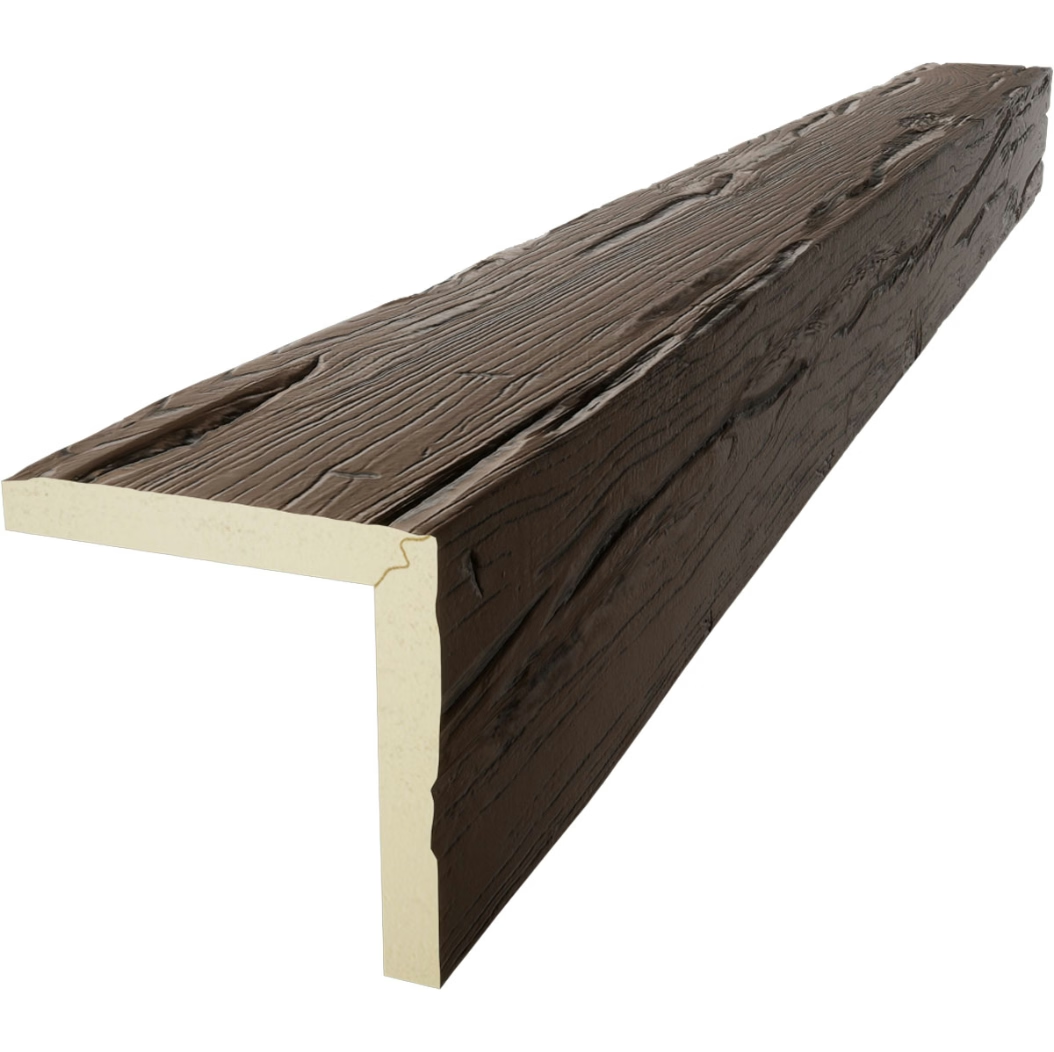
Beam ends present particular detail challenges. In genuine timber construction, beam ends typically show different grain patterns than the beam's sides, reflecting the three-dimensional nature of wood growth. Faux beams that ignore this detail can read as obviously artificial when viewed from certain angles. Quality PU beams often incorporate end caps or textured surfaces that suggest proper timber detailing, maintaining convincing appearance regardless of viewing angle or lighting conditions.
Corner treatments require similar attention in classic installations. Rooms with angled ceilings or architectural features that interrupt the beam run need careful detailing to maintain visual continuity. Some installers use custom-fabricated transition pieces that carry the oak texture around corners while managing the practical requirements of the beam's structural support. Others prefer to terminate beams cleanly at logical architectural points, using the termination itself as a design element.

Material Pairing for Authenticity
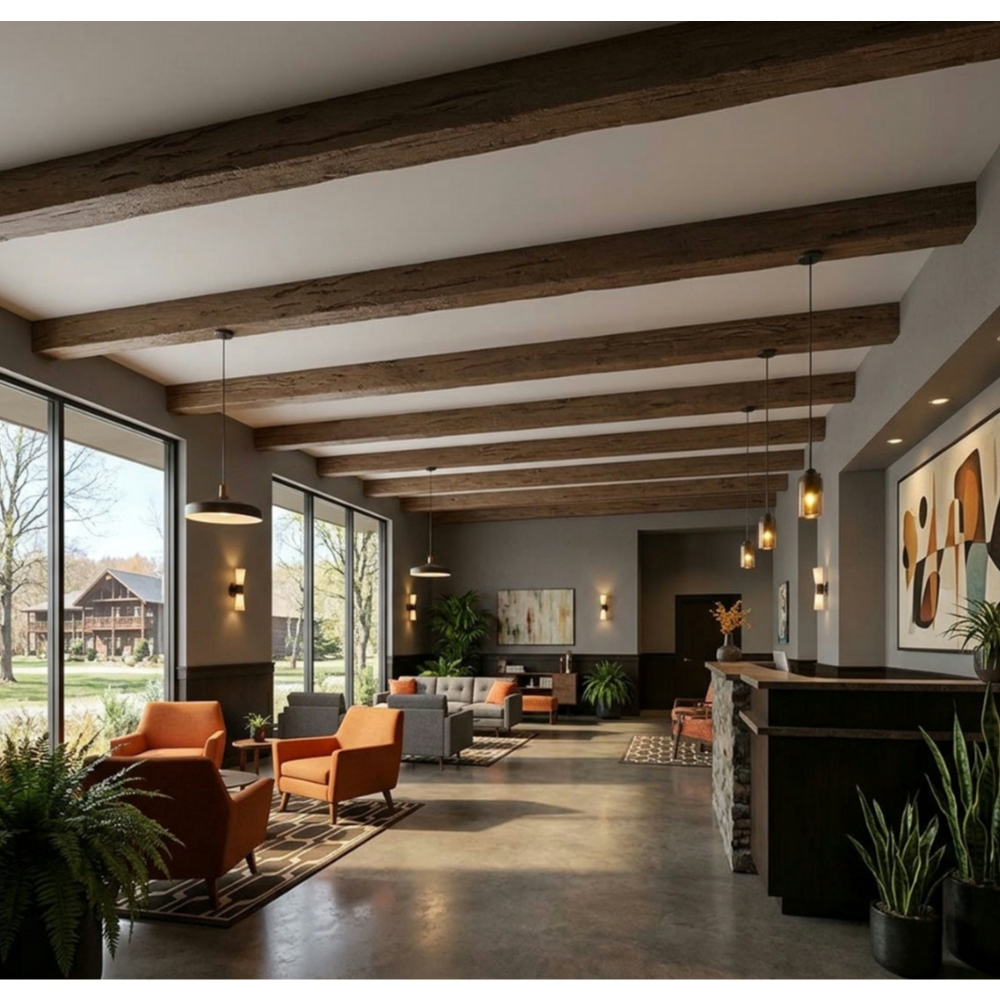
No ceiling beam exists in isolation—it always relates to surrounding materials and finishes. In classic interiors, oak-textured PU beams typically work best when paired with materials that share their warmth and organic qualities. Warm-toned wall colors, natural stone or brick fireplaces, leather upholstery, and brass or bronze hardware all create harmonies with oak-toned beams.
The ceiling plane itself affects how beams read in the room. White ceilings create strong contrast that emphasizes the beams as distinct elements. Painted ceilings in warm neutrals can create more subtle integration, allowing beams to emerge from the ceiling surface rather than contrasting against it. In rooms with exposed structure or unconventional ceiling configurations, the relationship between beams and ceiling becomes more complex, requiring careful consideration of how these elements interact.
Floor materials also influence beam perception. Hardwood floors in complementary tones create visual grounding that connects ceiling and floor through shared material language. Stone or tile floors provide textural contrast that highlights the warmth of wood elements. Even carpeted rooms can work well with wood beams, though the softness below tends to emphasize the beams' structural character even more strongly.
Long-Term Performance Considerations
One advantage of polyurethane over genuine timber that becomes increasingly valuable over time is dimensional stability. Wood responds to environmental humidity changes by absorbing or releasing moisture, causing subtle expansion and contraction that accumulates over years. This movement can eventually cause visible checking, splitting, or warping in genuine timber beams. Polyurethane material doesn't exhibit these behaviors—it maintains its dimensions and surface qualities regardless of humidity conditions.
This stability proves particularly valuable in regions with extreme seasonal humidity variations. Homes in coastal areas, river valleys, or continental climates with hot humid summers and dry cold winters subject their wood elements to challenging environmental cycles. Timber ceiling beams in such locations may show gradual deterioration that requires eventual replacement. PU faux beams weather these conditions without complaint, maintaining their appearance through countless humidity cycles that would affect genuine wood.
The color permanence of quality polyurethane beams also exceeds what most wood finishes can achieve. While genuine oak timber may require periodic refinishing to maintain its appearance, particularly in sunlit locations where UV exposure causes gradual fading, polyurethane color is integrated into the material itself rather than applied as a surface coating. This integration means the beams maintain their original appearance indefinitely without any maintenance intervention.
The Case for Manufactured Authenticity
The manufactured origin of polyurethane faux beams troubles some design enthusiasts who value material authenticity above practical considerations. Yet manufactured doesn't mean artificial in a pejorative sense—modern PU beams achieve remarkable fidelity to the materials they replicate while offering genuine advantages that genuine timber cannot match. The question isn't whether manufactured materials match the authenticity of natural wood, but whether the tradeoffs involved represent acceptable compromises for the benefits gained.
For many projects, these tradeoffs prove entirely acceptable. The visual difference between high-quality PU beams and genuine timber has become negligible in most lighting conditions and viewing contexts. The practical advantages—lighter weight, easier installation, superior durability, zero maintenance—often outweigh any intangible concerns about material authenticity. The beams deliver the aesthetic experience that matters in daily life, which is ultimately what design seeks to achieve.
Classic styling ultimately concerns itself with creating spaces that feel right—warm, welcoming, thoughtfully composed, and resistant to the obsolescence that afflicts purely trendy designs. Natural oak texture polyurethane faux beams contribute to these goals in ways that purely practical considerations might not capture. They bring the warmth and organic character of wood into spaces that couldn't accommodate genuine timber, expanding the possibilities for classic design in contemporary construction.
Technical References
ASTM standards cited in every specification
Test Data
Lab results from internal testing program
Updated 2026
Reviewed against current product specs


