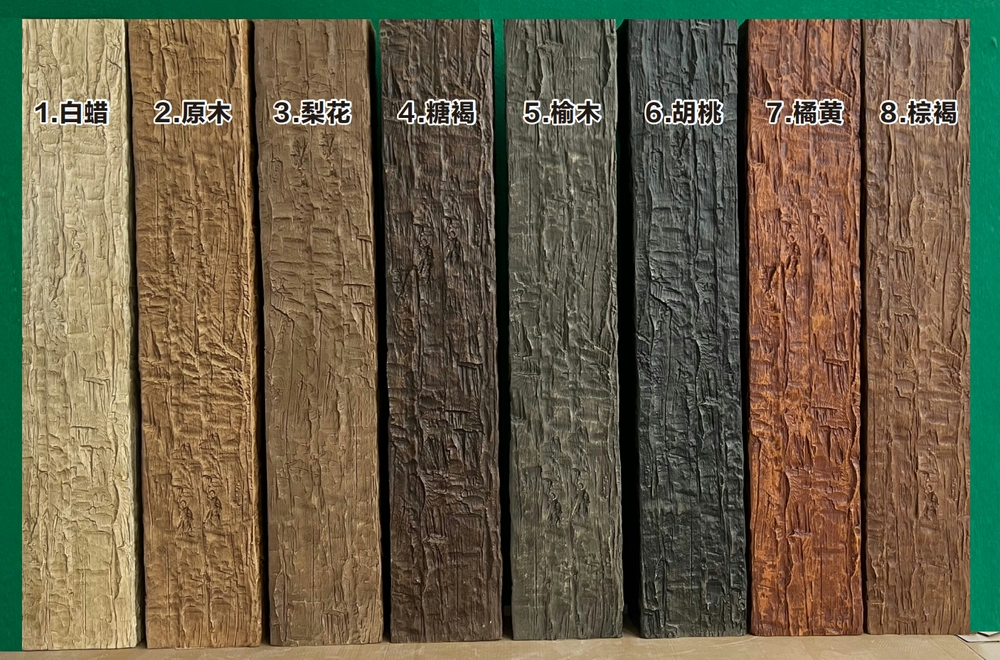
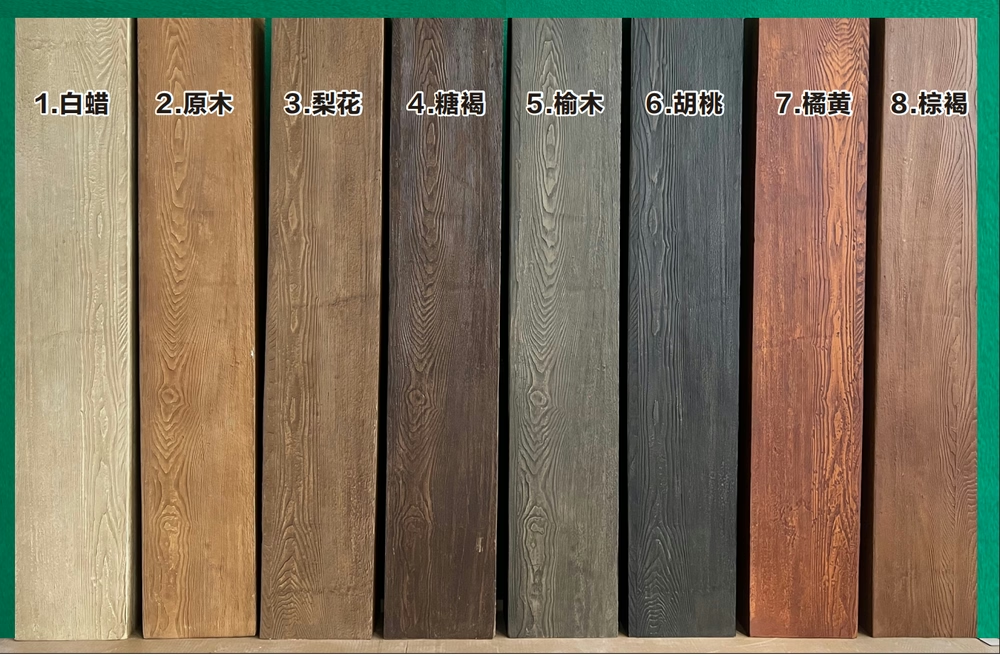
Ash wood occupies a distinctive place in the spectrum of wood aesthetics. Its pale, creamy tones range from nearly white in the sapwood to warm honey browns in the heartwood, while its characteristic open grain creates pronounced texture that distinguishes it from tighter-grained species like maple or cherry. This grain pattern—large, prominent pores that create visible grooves running along the wood's length—has made ash popular for both furniture and architectural applications where textural interest matters. Natural open grain ash texture polyurethane faux wood beams capture these qualities in a manufactured product that makes ash-inspired ceiling design available for projects beyond the practical reach of genuine ash timber.
The open grain character of ash develops during the tree's growth. Like most hardwoods, ash grows through annual additions of new wood tissue, with early season growth (spring wood) creating larger, thinner-walled cells than the late-season growth (summer wood) that follows. In ash, this difference proves particularly pronounced, resulting in the clearly visible growth rings and pronounced grain lines that define the species' appearance. The large pores that run along the grain create actual texture that can be felt as well as seen, adding tactile dimension to the visual qualities that make ash distinctive.
The Light Wood Aesthetic
Design trends in recent years have moved strongly toward lighter color palettes in interior spaces. The popularity of Scandinavian minimalism, Japanese-influenced design, and the broader "light and bright" aesthetic has elevated woods like ash, maple, and birch in the estimation of designers and homeowners. Natural open grain ash texture PU beams fit perfectly into this aesthetic direction, providing the warmth and organic character of wood without the darker tones that dominate traditional wood ceiling installations.
The pale coloring of ash-textured beams creates different effects depending on the surrounding environment. Against white walls and ceilings, they provide subtle definition and warmth without creating strong contrast or visual weight. In rooms with more color or stronger architectural elements, ash-textured beams can serve as neutral grounding elements that unify disparate design components without adding visual complexity. This versatility makes them suitable for a wider range of interior styles than darker wood options.
Light wood ceilings also interact differently with natural daylight than dark wood does. Rather than absorbing and reducing available light, pale wood surfaces help distribute daylight more evenly across the ceiling plane, contributing to the overall brightness of the space. This light-enhancing quality proves particularly valuable in rooms with limited windows or northern exposures where maximizing available daylight improves the living environment significantly.
Capturing Authentic Ash Texture
Reproducing ash's distinctive open grain texture in polyurethane requires mold technology capable of capturing fine surface detail with precision. The large, regular pores of ash create a pattern that differs fundamentally from the tighter grain of oak or the swirling patterns of walnut—each wood species has its own characteristic texture signature, and matching that signature in manufactured products requires careful attention to the specific qualities that define the original.
Modern PU beam manufacturers use various techniques to achieve convincing ash texture replication. High-quality silicone molds capture the macro-level grain pattern with accuracy, preserving the characteristic scale and spacing of ash pores. Surface finishing processes then add secondary texturing that addresses smaller-scale variation—the subtle differences in pore depth, the slight irregularities in the grain lines, the small defects and variations that make any natural material interesting. The combination creates surfaces that look genuinely like ash rather than merely resembling it in general terms.
The color development process requires similar sophistication. Ash wood doesn't display the strong color variation found in some species—the pale tones remain relatively consistent across the surface. But genuine ash does show subtle tonal variation that adds depth and prevents the surface from reading as uniformly painted. Quality PU beams incorporate this variation through multi-tone coloring that creates the subtle complexity of authentic wood without crossing into obvious artificiality.
Design Applications for Ash-Textured Beams
Ash-textured polyurethane beams work well in spaces that emphasize clean lines and contemporary sensibility while still benefiting from natural material warmth. Modern farmhouse interiors have embraced light wood elements as alternatives to the darker barn wood aesthetics of earlier rustic trends. Ash-textured beams provide the natural character of wood without the heavy visual weight that might conflict with the lighter overall palette these spaces typically employ.
Scandinavian-influenced design represents another natural application for ash-textured beams. The Scandinavian tradition has long valued pale woods for their ability to create bright, welcoming spaces that maximize available light. Ceiling beams in ash tones fit seamlessly into this design language, contributing warmth without disrupting the light-reflecting qualities that define the aesthetic. Paired with white walls, natural textiles, and minimal ornamentation, ash-textured beams complete compositions that feel intentional and cohesive.
Even in more traditional interiors, ash-textured beams can provide refreshing contrast to darker wood elements elsewhere in the room. A formal living room with mahogany furniture and dark hardwood floors might incorporate ash-textured ceiling beams to introduce brightness and prevent the space from feeling too heavy or enclosed. This unexpected combination—traditional furniture paired with light contemporary ceiling treatment—creates visual interest through contrast while maintaining overall design coherence.

Pairing With Other Materials
The light, neutral character of ash-textured beams creates numerous pairing possibilities that might prove more limited with darker wood options. Light stone surfaces—limestone, travertine, pale marble— harmonize beautifully with ash tones, creating combinations that feel organic and naturally evolved rather than artificially assembled. The texture contrast between smooth stone and wood grain adds visual interest while maintaining overall lightness.
Metal accents work particularly well with ash-textured beams. The cool precision of metals like brushed nickel, matte black iron, or unlacquered brass provides interesting contrast to the warm organic quality of wood. Ceiling fans, light fixtures, and architectural hardware in metal finishes can reference the ceiling beams while maintaining visual separation through material contrast. This material mixing has become increasingly common in contemporary design, and ash-textured beams provide an excellent foundation for such combinations.
Textiles throughout the space also interact with ash-textured beams. Natural fibers in their undyed or lightly dyed states—cotton, linen, wool—share the neutral warmth of ash tones and create cohesive material narratives throughout the room. Heavier textiles in richer colors provide contrast that prevents spaces from feeling washed out while still respecting the beams' contribution to the overall color palette.
Practical Performance Characteristics
Beyond their aesthetic qualities, polyurethane faux beams with ash texture offer performance advantages that enhance their value proposition. The material resists moisture absorption completely, making it suitable for installation in bathrooms, kitchens, and other spaces where humidity fluctuates. Unlike genuine wood, polyurethane won't swell, warp, or develop mold when exposed to the moisture variations that such spaces inevitably experience.
The lightweight nature of polyurethane also affects acoustic properties in ways that can benefit certain applications. While solid wood beams can contribute to echo and sound reflection in large rooms, the way polyurethane beams are typically installed—with air gaps around them and mounting hardware that doesn't fully contact the ceiling surface—creates some acoustic dampening that reduces harsh reflections. This benefit proves most noticeable in rooms with hard flooring and minimal soft furnishings, where untreated wood ceilings might create uncomfortably lively acoustic environments.
UV stability represents another performance consideration for sunlit installations. Some wood finishes fade and deteriorate when exposed to direct sunlight over extended periods. Quality polyurethane incorporates UV stabilizers that prevent similar damage, maintaining color consistency even in rooms with large windows or skylights that admit substantial natural light. This stability ensures that beams maintain their original appearance without the gradual fading that affects surface finishes on genuine wood.
Making the Design Choice
Selecting ceiling beam materials involves weighing aesthetic preferences against practical requirements and budget constraints. For projects where ash's distinctive open grain aesthetic aligns with the overall design direction, polyurethane faux beams offer compelling advantages over genuine timber. They deliver the specific visual qualities that make ash appealing—the light tones, the pronounced grain texture, the overall sense of brightness and warmth—without demanding the maintenance attention or carrying the installation challenges that genuine ash timber would require.
The manufactured origin of these beams also enables design possibilities that genuine timber cannot support. The lightweight construction allows installation in ceiling configurations where weight would preclude genuine timber beams. The consistency of manufactured products ensures that multiple beams in the same installation will match precisely, creating cohesive appearances that are difficult to achieve with natural materials where every piece differs. These practical advantages combine with the convincing aesthetics to create products that serve design goals while respecting the realities of modern construction and renovation.
Technical References
ASTM standards cited in every specification
Test Data
Lab results from internal testing program
Updated 2026
Reviewed against current product specs


