The casual rustic interior style has evolved significantly over the past decade, moving beyond the heavy-handed barn wood aesthetic toward something more refined and intentional. Today's casual rustic spaces balance warmth and approachability with a sense of design sophistication that prevents them from feeling either too primitive or too precious. Natural pine wood look PU faux beams fit perfectly into this contemporary interpretation of rustic style, providing the organic warmth and textural character that defines the aesthetic while supporting the clean, considered approach that distinguishes current rustic design from earlier versions.
What makes pine particularly appropriate for casual rustic settings is its inherent lack of pretense. Unlike richer woods that suggest formality and refinement, pine has always been the wood of practical people—farmers, builders, everyday craftsmen who needed materials that worked without demanding special treatment. This heritage gives pine an honest quality that reads as authentic rather than artificial. Spaces featuring pine elements feel genuine in ways that spaces with more exotic woods might not, connecting present-day inhabitants with traditions of making and building that predate modern industrialization.
The Relaxed Character of Pine Aesthetics
Pine's visual character contributes to casual atmospheres through several distinct qualities. The color palette leans toward warm yellows and soft ambers that create immediate visual comfort without overwhelming surrounding elements. These tones complement the neutrals commonly used in rustic design—warm whites, greiges, soft taupes—while adding enough warmth to prevent spaces from feeling cold or institutional.
The grain pattern of pine contributes additional casual character through its relatively uniform texture. Unlike the dramatic swirls and complex patterns found in woods like walnut or oak, pine grain runs relatively straight with occasional interruptions from knots. This regularity feels approachable rather than impressive, easy to live with rather than demanding attention. The knots that do appear add visual interest without creating the busy complexity that might exhaust viewers over time.
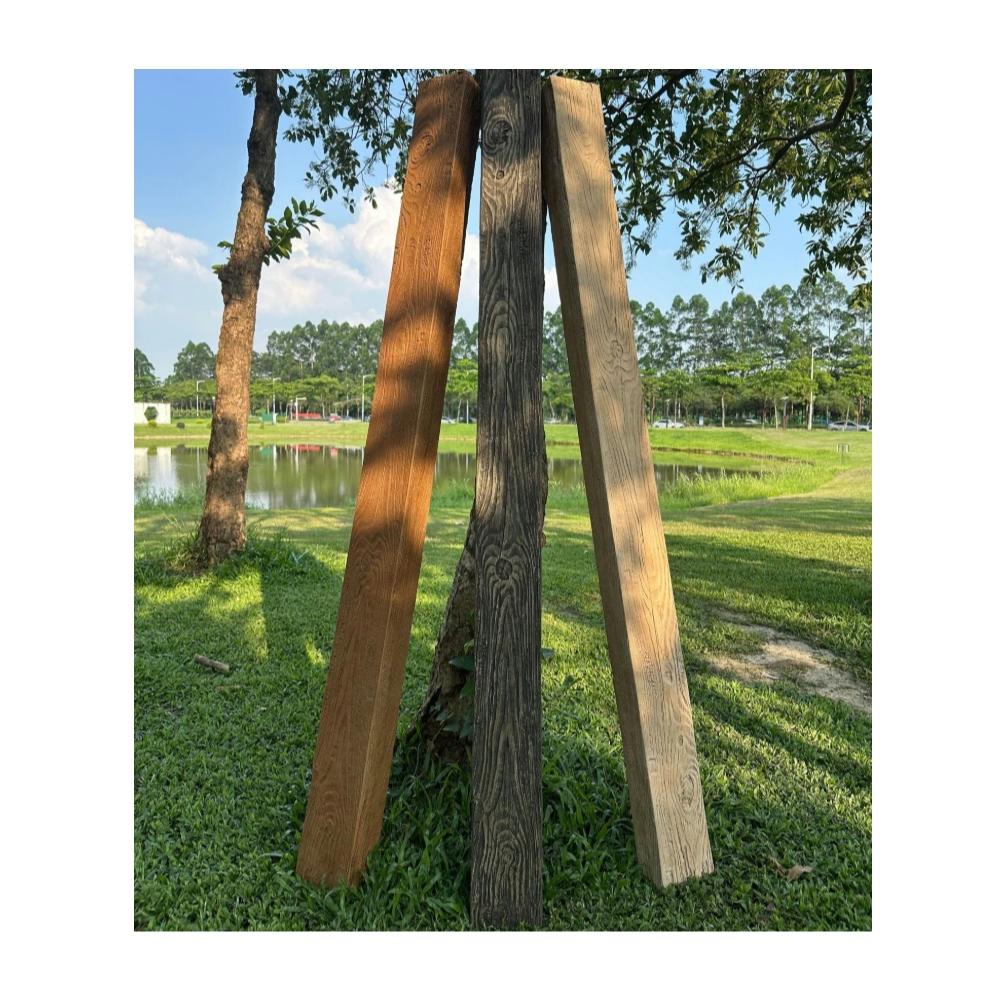
PU faux beams that replicate pine aesthetics capture these qualities through careful attention to color development and texture reproduction. The warm yellow-orange base tone must include subtle variations that suggest natural wood rather than synthetic uniformity. Knot patterns should appear with appropriate frequency—not so sparse that they feel absent from pine's character, not so dense that they overwhelm the design. Premium products achieve this balance convincingly, creating beams that feel authentically pine-like without requiring specialized knowledge to appreciate.
Integration With Casual Rustic Furnishings
Casual rustic interiors typically feature furnishings that combine natural materials with relaxed construction approaches. Leather sofas with casual cushioning, weathered wood tables, linen-upholstered chairs, and textile accessories in natural fibers all create environments that welcome use rather than demanding protection. Beams in pine tones integrate naturally with these furnishing approaches, sharing the same material honesty and unpretentious warmth.
The scale of beams in casual rustic settings deserves thoughtful consideration. Extremely heavy beams might introduce a formality that conflicts with the relaxed aesthetic. Conversely, beams that seem too slight might disappear into the ceiling without contributing meaningful design impact. The appropriate scale typically falls in the medium range—substantial enough to register as intentional architectural elements, light enough in visual weight to maintain the openness that casual spaces typically prioritize.
Placement patterns also affect how beams read in casual rustic contexts. Regular spacing that creates repeating patterns suggests formal design intentions that may feel at odds with casual aspirations. More organic placement—perhaps varying spacing slightly or arranging beams to respond to room features rather than geometric regularity—reinforces the approachable character that defines casual rustic design. Some installers achieve this by treating beams as if they followed old structural logic that no longer governs the space.
Contrasting Approaches for Visual Interest
Counterintuitively, one effective approach for casual rustic spaces involves contrasting wood beams with other ceiling treatments. A ceiling painted in a soft gray or muted blue creates interesting tension with warm pine beams, with the cool tones of the ceiling balancing the warmth of the wood. This contrast prevents spaces from becoming overwhelmingly warm while maintaining the organic character that wood beams contribute.
Textured ceiling treatments like beadboard or V-groove paneling can accompany beams in ways that add additional material interest. The wood texture of the ceiling treatment echoes the wood texture of the beams, creating material continuity without requiring that the entire ceiling depend on beam elements alone. Such combinations work particularly well in larger rooms where beam coverage alone might feel insufficient to define the space.
Metal elements provide another contrasting option that many contemporary rustic designs embrace. The warmth of pine against the coolness of black iron, aged brass, or weathered steel creates visual interest through material contrast. Exposed hardware, decorative brackets, or pendant light fixtures in metal finishes can reference the beams while maintaining distinct material identities. These combinations feel modern without abandoning the rustic warmth that pine beams provide.
Maintaining Rustic Authenticity
Achieving convincing rustic character in beam installations requires attention to details that distinguish authentic rustic aesthetics from mere rustic imitation. The goal isn't to create an exact replica of old barn timber or cabin construction—those spaces served functions and embodied values different from contemporary residential interiors. Instead, the goal is to capture the spirit of rustic authenticity: honest materials, visible construction, warmth that feels genuine rather than manufactured.
Hardware and mounting details deserve particular attention. Visible fasteners, brackets, and mounting plates either support or undermine rustic authenticity depending on how they're handled. Some installations use deliberately rustic-looking hardware—wrought iron brackets, hand-forged straps—that reinforce the rustic aesthetic. Others minimize visible hardware through hidden mounting systems that preserve the illusion of structural beams without the visual complexity of exposed connection details.
Beam end treatment also affects authenticity perception. Beams that terminate cleanly with smooth cuts read as manufactured products regardless of their surface texture. Beams with more complex end details—perhaps suggesting tenons or other traditional joinery—contribute to the sense that these elements belong to an authentic building tradition. Such details need not be literally functional; they need only suggest the construction logic that governed traditional timber framing.
Performance in Active Households
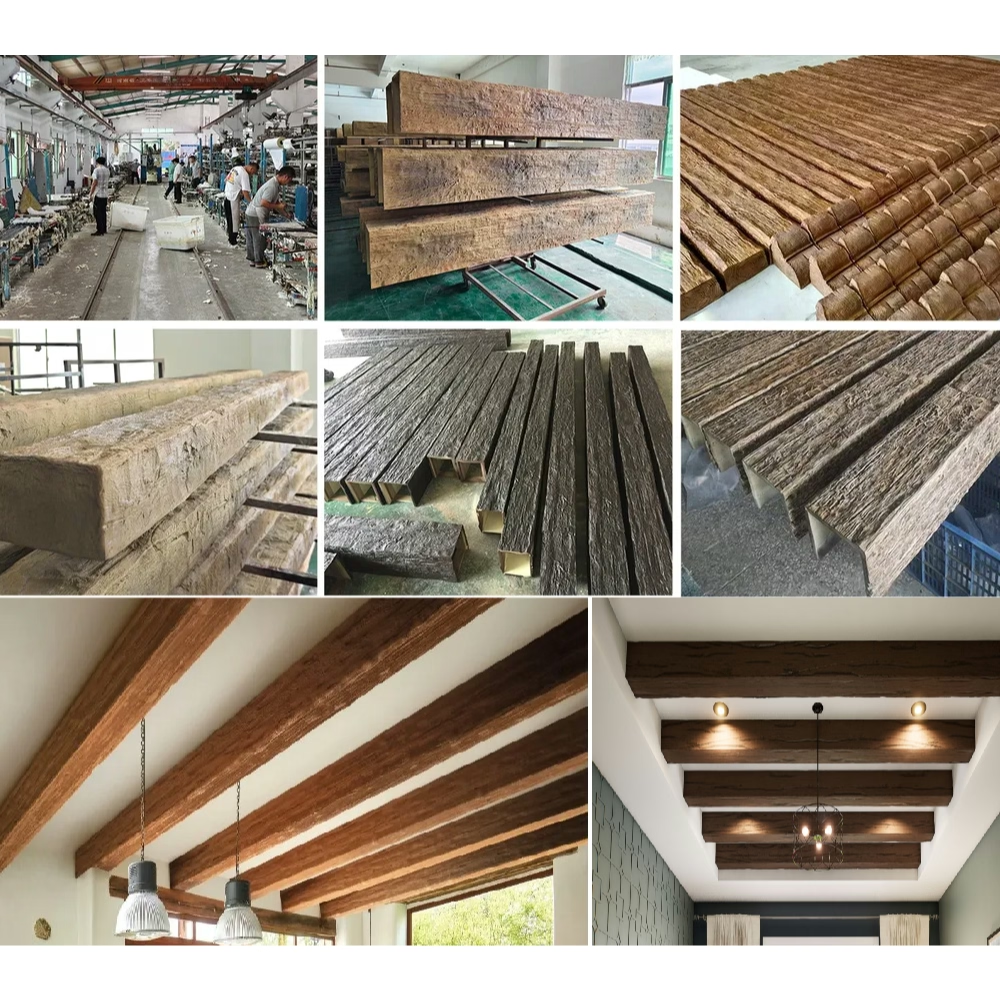
Casual rustic spaces often serve active households where furniture and finishes see genuine use rather than careful preservation. The durability characteristics of PU faux beams prove advantageous in such environments. Unlike genuine wood that might show dents, scratches, or water rings from everyday activity, polyurethane surfaces resist these common forms of damage. The material's resilience means that beams maintain their appearance despite the normal wear and tear that active use inevitably produces.
The maintenance simplicity of PU beams also aligns with casual living. Spaces styled casually typically don't feature the meticulous care and specialized cleaning regimens that formal interiors might demand. Homeowners choosing casual rustic aesthetics generally prefer finishes that clean easily and don't require ongoing attention. PU beams satisfy this preference perfectly—they can be dusted or lightly cleaned with standard household products without any special treatment or periodic maintenance scheduling.
For families with children, the safety advantages of lightweight beams merit consideration. Heavy timber beams that might fall during earthquakes, construction accidents, or curious climbing could cause serious injury. Lightweight PU beams, while not completely without weight, pose significantly reduced risk in such scenarios. This practical safety consideration may not be immediately obvious when specifying beams, but it provides genuine peace of mind for parents in earthquake-prone regions or families with adventurous young children.
The Evolved Rustic Aesthetic
Contemporary rustic design has grown more sophisticated than its predecessors, incorporating influences from modern minimalism, Scandinavian hygge culture, and environmental awareness that earlier rustic movements didn't explicitly address. This evolution has produced spaces that feel both grounded and contemporary—rooted in material and craft traditions while responding to current design sensibilities.
Natural pine wood look PU faux beams support this evolved rustic aesthetic by providing authentic material warmth without the contradictions that genuine timber sometimes introduces. A reclaimed barn beam, however beautiful, carries environmental baggage associated with its demolition from agricultural structures. Polyurethane beams sidestep these concerns while achieving similar aesthetic outcomes. The visual character that matters for design purposes remains available; the ethical complications that sometimes attend reclaimed materials do not.
The result enables design choices that feel right without requiring compromises that might eventually cause regret. Homeowners can pursue the rustic warmth they desire, confident that their beam selection aligns with their values regarding sustainability, durability, and practical maintenance. Natural pine wood look PU faux beams for casual rustic decor thus represent not a compromise but an advancement—a way of achieving timeless aesthetic goals through means that contemporary circumstances have made available.
Technical References
ASTM standards cited in every specification
Test Data
Lab results from internal testing program
Updated 2026
Reviewed against current product specs


