The appreciation for raw, unfinished materials in interior design reflects broader cultural shifts toward authenticity, environmental consciousness, and rejection of unnecessary processing. Raw wood surfaces reveal the material as it exists in nature—unmediated by finishes, stains, or treatments that might mask its essential character. This honest aesthetic has found increasing favor among designers and homeowners who value the genuine over the polished, the authentic over the processed. Natural raw wood look PU faux timber beams make this aesthetic accessible to projects where genuine raw timber might prove impractical.
Genuine raw timber carries significant implications for installation and ongoing maintenance. Unfinished wood absorbs moisture, stains, and contaminants readily—it requires sealing if it must withstand the conditions of actual use. Raw timber also varies unpredictably in color and texture, with pieces from the same source potentially displaying dramatically different appearances. And sourcing consistent raw timber in sufficient quantities for substantial ceiling installations can prove challenging and expensive. PU faux beams sidestep these complications while delivering appearances that capture the essential character of raw wood.
Defining Raw Wood Aesthetics
Raw wood appearance encompasses several visual qualities that distinguish it from finished surfaces. The most obvious is the absence of surface coatings—no varnish sheen, no stain color, no sealer film separating the wood from observation. What remains is the wood itself, its natural color modified only by oxidation and any weathering the surface might have accumulated during the tree's life or after milling.
Color variation across raw wood surfaces reflects the natural heterogeneity of wood as a material. Different portions of the same board display different tones—heartwood darker, sapwood lighter, growth ring patterns creating subtle bands of varying value. This variation creates visual interest that finished surfaces typically suppress. Raw wood beams read as dynamic rather than static, with surfaces that reward extended observation.
Texture contributes equally to raw wood aesthetics. Saw marks from milling create patterns that differ depending on saw type and blade configuration. Planed surfaces show knife marks. Sanded areas reveal abrasive patterns. Weathered surfaces accumulate additional texture from exposure to sun, rain, and temperature fluctuations. A convincing raw wood appearance must incorporate appropriate texture elements, not merely the color of unfinished wood.
Industrial Style and Raw Materials
Industrial interior design has embraced raw materials as essential elements rather than flaws requiring correction. Exposed brick, visible ductwork, concrete floors, and raw wood beams create environments that celebrate construction honesty rather than concealing the bones of buildings. This aesthetic emerged partly as reaction against the over-refined interiors of earlier decades and partly from practical realities—converting industrial buildings to residential use left raw elements visible whether designers intended them or not.
The authentic industrial aesthetic demands materials that read as genuinely industrial rather than simulated. A modern apartment with fake exposed brick and pretend raw wood might capture the visual elements of industrial style without achieving its essential spirit. Genuine industrial origins celebrate materials that served functional purposes honestly. Raw wood beams that look genuinely industrial require appearances that could have come from actual industrial contexts rather than decorative imitations.
PU faux beams with raw wood aesthetics bridge this authenticity gap through careful attention to the specific characteristics that distinguish genuine industrial wood. Weathering patterns, wear marks, oxidation colors, and textural elements must work together to create convincing appearances. The best products achieve this integration, creating beams that could plausibly have served industrial purposes before finding their current decorative applications.
Capturing Authentic Raw Character
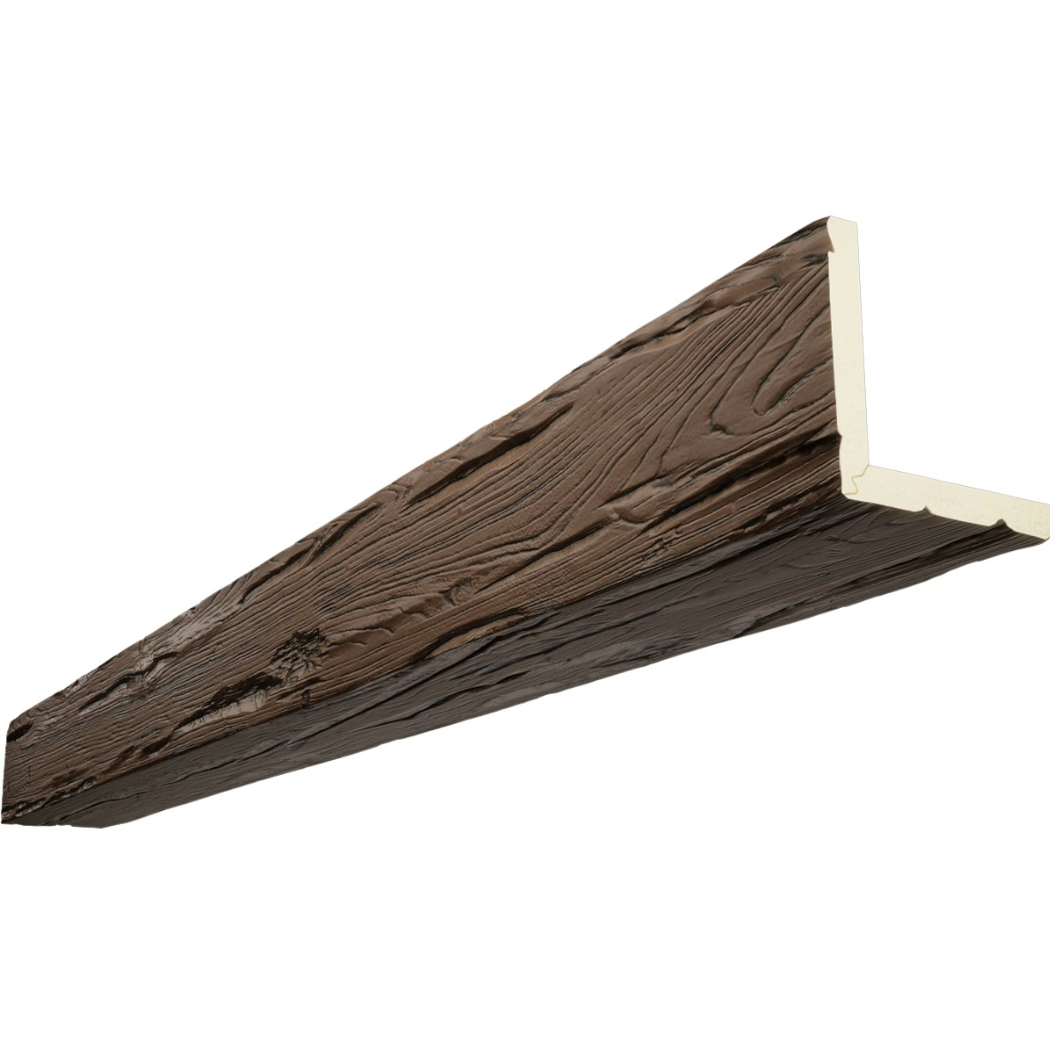
Manufacturing convincing raw wood appearance in polyurethane requires more than simple coloring techniques. The surface must exhibit the dimensional variation that genuine raw wood displays—the slight raised areas around grain lines, the occasional depression at knots, the general unevenness that results from wood's cellular structure rather than the uniform surfaces that synthetic materials naturally produce.
Multi-layer texturing addresses this requirement. Initial molding captures major surface features—grain patterns, knot structures, any weathering or wear marks that the design specifies. Subsequent texturing processes add finer detail that brings the surface to life. This layered approach creates depth that appears genuinely dimensional, with light falling across the textured surface to create shadows and highlights that make the material read as wood rather than plastic.
Color application follows similar layering logic. Rather than uniform single-tone coloring, quality raw wood PU beams incorporate multiple color values that build the complex appearance of genuine wood. Darker tones in grain lines, lighter tones on raised surfaces, subtle color variations that suggest differential weathering—all combine to create the visual richness that characterizes authentic raw wood. Single-color application, no matter how carefully executed, produces results that read as painted rather than natural.
Installation Contexts for Raw Wood Beams
Raw wood aesthetics suit various installation contexts, from dedicated industrial spaces to surprising combinations that create visual tension. Understanding how raw wood beams interact with different environments helps ensure satisfying design outcomes.
Loft conversions and warehouse apartments provide natural contexts for raw wood ceiling beams. The industrial heritage of such spaces creates alignment with raw material aesthetics—beams that appear genuinely salvaged or reclaimed seem to belong rather than intrude. In such contexts, raw wood beams complete narratives that connect present-day living with the spaces' functional histories.
More unexpected applications can prove equally successful. Contemporary spaces featuring clean lines and modern furnishings might incorporate raw wood beams that introduce organic texture and historical depth. The contrast between sleek surroundings and rough-hewn ceiling elements creates visual interest through juxtaposition. Such combinations require confidence to execute—they challenge expectations about material combinations—but successful examples demonstrate the versatility of raw wood aesthetics.
Commercial spaces benefit from raw wood beam installations that create memorable environments. Restaurants, bars, retail stores, and hospitality venues seeking distinctive atmospheres often incorporate raw material aesthetics. PU beams provide practical advantages in commercial contexts—their light weight simplifies installation, their durability reduces maintenance, and their consistency ensures that multiple beams in large installations match appropriately.
Managing Variation and Consistency
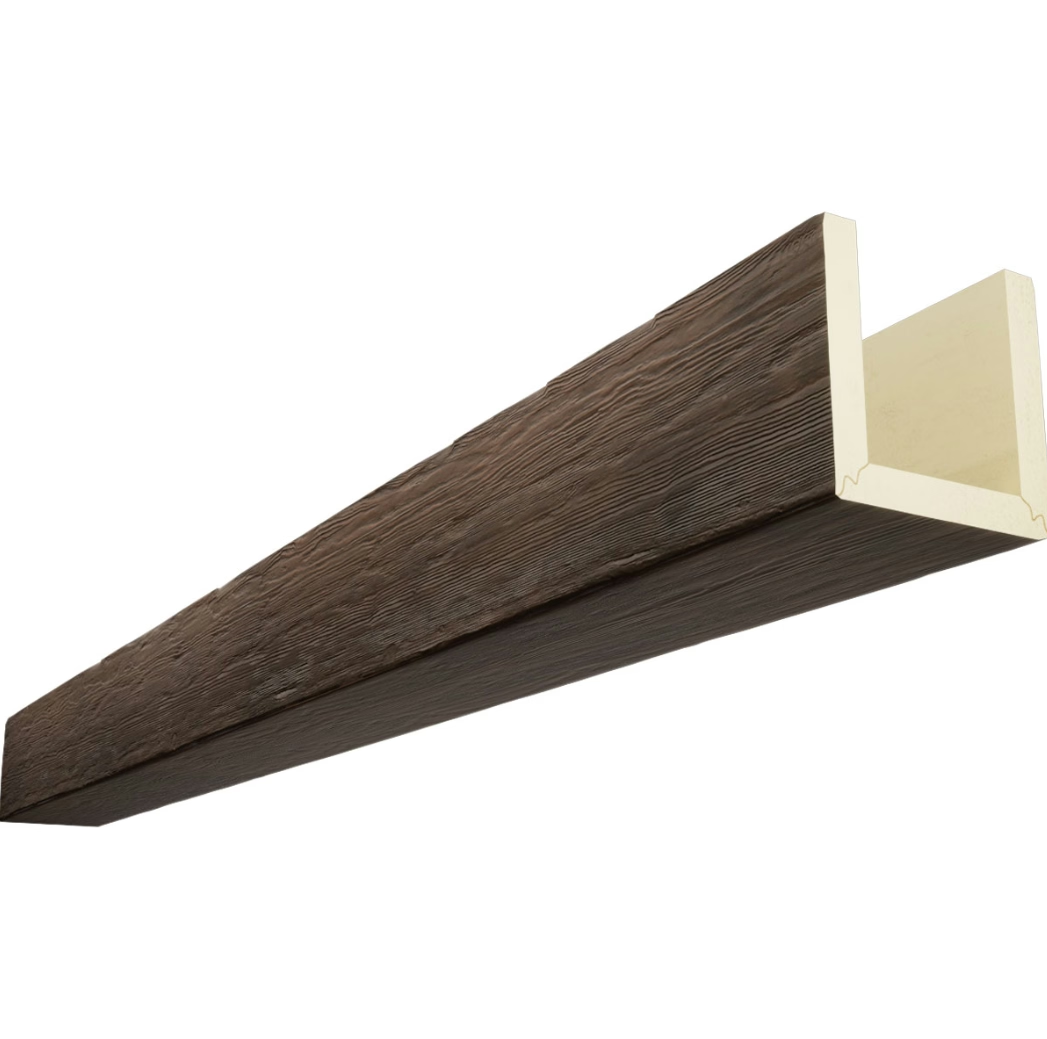
Genuine raw wood varies dramatically from piece to piece, with no two boards displaying identical appearances. This variation creates the visual richness of authentic timber-framed spaces but complicates installations where matching matters. PU faux beams offer controlled variation that captures the spirit of natural timber variation while ensuring consistent results across large installations.
Manufacturers often produce beams with intentionally varied patterns within consistent overall character. Multiple beams in the same installation will share basic visual qualities—appropriate color range, matching texture depth, similar knot frequency—while differing in specific patterns. Installers can then stagger these variations strategically, arranging beams so that adjacent pieces don't display obviously identical patterns while maintaining overall cohesion.
This controlled variation differs fundamentally from the identical repetition that cheap imitations often display. A beam line with obviously repeated knot patterns or grain sections suggests cheap manufacturing rather than natural variation. Quality products achieve variation that appears organic while maintaining the consistency that professional installations require.
Performance Advantages of Polyurethane Raw Wood
Beyond aesthetic considerations, polyurethane construction provides practical advantages that enhance raw wood beam value in many applications. The material's resistance to moisture absorption eliminates concerns about raw wood vulnerability without eliminating the raw wood aesthetic. Installations in kitchens, bathrooms, or other humid spaces can achieve raw wood character without the ongoing maintenance that genuine unfinished timber would require.
The dimensional stability of polyurethane addresses another vulnerability of genuine raw timber. Wood expands and contracts with humidity changes, potentially causing cracks, checks, or warping over time. These movements can stress finishes and adjacent materials, creating maintenance requirements and potential damage. Polyurethane maintains its dimensions regardless of environmental conditions, eliminating these concerns.
Insect resistance provides additional practical value. Wood-boring insects that would eventually damage genuine timber leave polyurethane completely unaffected. This benefit proves particularly valuable in regions where such insects are prevalent, or in buildings with histories of infestation where timber vulnerability might create ongoing anxiety.
Making the Design Choice
The decision to incorporate raw wood aesthetic beams involves weighing aesthetic goals against practical requirements and budget constraints. For projects where authentic raw material presence matters most—perhaps true historic restorations or highly design-conscious projects where authenticity concerns override practical considerations—genuine timber might remain necessary despite its vulnerabilities.
For most applications, however, natural raw wood look PU faux timber beams offer compelling advantages. They deliver the aesthetic qualities that make raw wood desirable—warmth, texture, organic character, honest material presence—while providing the practical performance that contemporary building and renovation demands. The result serves design goals without compromising on durability, maintenance, or installation practicality.
Original style decor ultimately concerns itself with authentic expression rather than specific material origins. Spaces that achieve genuine character do so through thoughtful design, appropriate material selection, and careful attention to how elements interact. Raw wood look PU faux timber beams contribute to authentic design expression while avoiding the complications that genuine raw timber introduces. For designers and homeowners committed to honest, authentic interiors, they represent a practical choice that serves core values without contradiction.
Technical References
ASTM standards cited in every specification
Test Data
Lab results from internal testing program
Updated 2026
Reviewed against current product specs


