Red oak occupies a special position among American hardwoods—it's the species that most people picture when they imagine wood grain, the benchmark against which other woods are compared. Its distinctive grain patterns, ranging from tight cathedral peaks to sweeping plains, create visual complexity that rewards extended observation. The warm reddish tones that give the species its name range from pale pink through rich sienna, developing deeper complexity as the wood ages and oxidizes. These qualities have made red oak a staple of traditional American interior design for generations. Natural red oak grain PU faux wood beams translate these enduring qualities into manufactured products that make classic warm interiors accessible to projects where genuine timber might prove impractical.
The appeal of red oak for ceiling applications extends beyond its visual characteristics. The wood's medium density provides good workability during manufacturing without sacrificing the substantial feel that quality beam installations should project. Its resistance to wear and impact suits it well for applications where durability matters. And its color palette coordinates naturally with the warm tones commonly used in traditional interior design—creams, golds, burgundies, and forest greens all find natural harmony with red oak's warmth.
Red Oak's Visual Richness
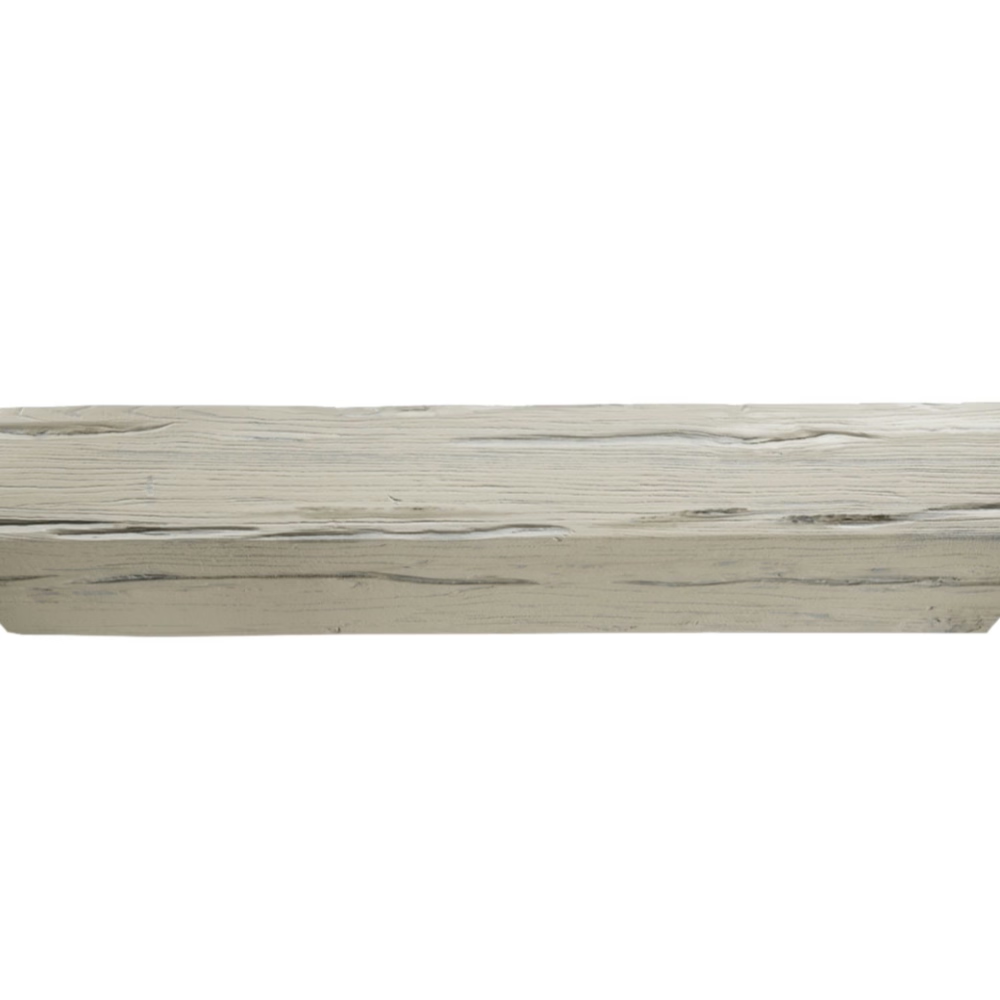
The grain patterns of red oak develop from the species' distinctive growth characteristics. Unlike woods with uniform grain structures, red oak produces clearly defined annual rings with pronounced early wood and late wood contrast. This ring definition creates the characteristic grain lines that make oak instantly recognizable—the parallel bands of lighter and darker material that flow across the board's surface following the tree's growth pattern.
Within this overall structure, red oak displays considerable variation. Some boards show tight, uniform grain suitable for formal applications; others display bold, dramatic patterns with pronounced figure that demand attention. Occasional mineral streaks add darker lines that create additional visual interest. The heartwood typically shows richer red tones than the lighter sapwood, creating natural variation even within individual boards. Quality PU faux oak beams capture this range of variation, allowing designers to specify appropriate character for specific applications.
The tactile quality of oak grain adds dimension to its visual appeal. The pronounced grain creates actual surface texture—ridges and valleys that catch fingertips as well as light. This texture contributes to authenticity that purely visual reproduction cannot achieve. Well-made PU beams incorporate dimensional texture faithfully, creating surfaces that feel genuine even to close inspection.
Warm Classic Interior Design
Classic interior design draws on accumulated wisdom about what creates comfortable, enduring spaces. The aesthetic typically emphasizes warmth, craft, and material authenticity over the cool minimalism that characterizes some modern approaches. Wood ceiling beams contribute to these qualities substantially—the warmth of wood tones, the craft suggested by visible joinery, the authentic presence of genuine materials.
Red oak's warmth aligns perfectly with classic interior intentions. The reddish tones create immediate comfort, suggesting spaces where people want to gather rather than merely observe. These tones complement the rich color palettes that classic interiors typically employ—deep reds, warm yellows, burnished metals, and jewel-toned fabrics all find natural partners in red oak's warm spectrum.
The scale appropriate for classic interiors typically emphasizes substantial presence over delicate refinement. Beams should register as architectural elements rather than decorative afterthoughts—sizes that command attention, proportions that suggest structural significance. This substantiality reinforces the classic design goal of creating spaces that feel grounded and permanent rather than temporary or provisional.
Coordinating With Traditional Furnishings
Traditional furniture typically features wood construction with finishes that complement red oak aesthetics. Mahogany, cherry, and walnut pieces share the warm palette that red oak establishes, creating material harmonies throughout classic interiors. PU beams in red oak tones extend this material language to the ceiling plane, connecting furniture and architectural elements through shared color and character.
Upholstered furnishings in classic interiors often feature fabrics with warm undertones that echo wood warmth. Leather pieces in cognac, burgundy, or saddle brown reinforce the warm palette. Textiles in gold, rust, and forest green create complementary color relationships. These fabric choices establish color contexts that red oak beams enhance rather than compete with.
Window treatments and soft furnishings contribute additional warm tones that complete classic interior compositions. Heavy draperies in jewel tones, area rugs with traditional patterns, and throw pillows in coordinating fabrics all layer warmth throughout the space. Beams overhead contribute to this accumulated warmth without overwhelming the furnishing composition—their presence felt rather than dominating.
Installation Approaches for Traditional Spaces
Successful beam installation in classic interiors requires attention to details that reinforce traditional design intentions. Visible mounting hardware typically undermines traditional authenticity; hidden mounting systems that suggest structural rather than decorative origin read more appropriately. The goal is beams that appear to have always been there, integral to the architecture rather than added later.
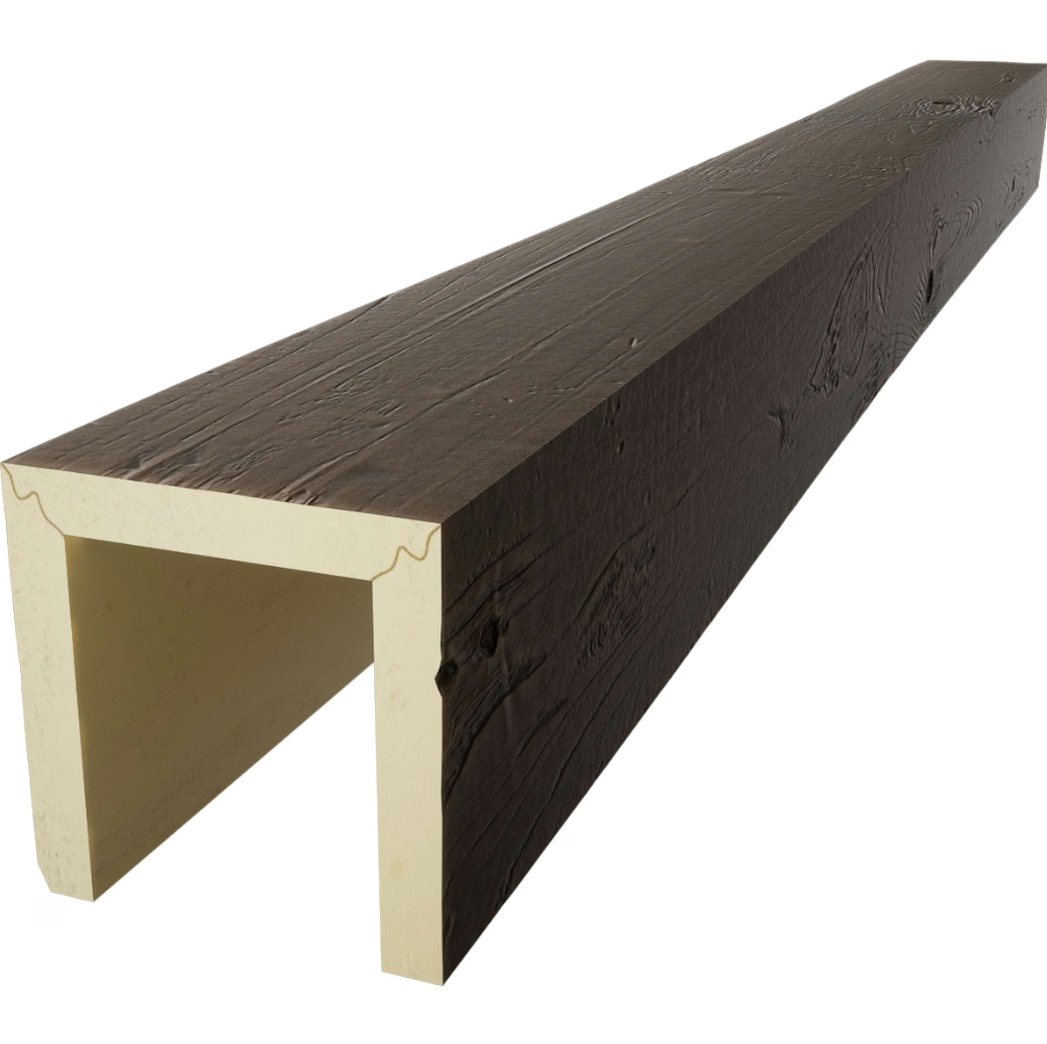
Beam ends deserve particular attention in traditional installations. Timber framing historically featured joinery details at beam ends—tenons, chamfers, and other features that revealed construction logic. Faux beams with appropriately detailed ends contribute to traditional authenticity more than beams with plain cuts. Quality manufacturers often offer end detail options that suggest traditional joinery while serving manufactured construction requirements.
Spacing and arrangement affect how beams read in classic contexts. Regular spacing that creates rhythmic repetition suggests formal design intentions appropriate for traditional interiors. The spacing should relate logically to room proportions—enough beams to define the ceiling without crowding, spaced to create pleasing visual rhythm rather than arbitrary pattern.
Long-Term Performance Considerations
Classic interior designs typically assume longevity—spaces meant to serve for decades without major renovation. Materials should age gracefully, developing character rather than deteriorating visibly. The dimensional stability of polyurethane contributes to this aging gracefully, maintaining appearance through the humidity cycles and environmental variations that real wood would respond to.
Color stability represents another important aging consideration. Some wood species and finishes fade or changes significantly with UV exposure. Quality PU beams incorporate UV stabilizers that prevent such changes, maintaining original color consistency indefinitely. This stability means that beams maintain their intended appearance regardless of sun exposure or lighting conditions.
The maintenance requirements of classic interiors should align with the enduring character that the design seeks. Spaces meant to last generations shouldn't require frequent attention to surface refinishing or repair. PU beams require no ongoing maintenance beyond occasional cleaning, fitting perfectly with the low-maintenance expectations that classic durability implies.
The Value of Accessible Tradition
The traditional aesthetic remains popular because it works—it creates spaces that feel comfortable, substantial, and enduring. Yet executing traditional design well has historically required significant budgets for quality materials and craftsmanship. Modern manufacturing changes this equation, making traditional aesthetics accessible to projects with more modest resources.
Natural red oak grain PU faux wood beams represent this democratization of traditional design. They provide the warmth, character, and authenticity that classic interiors require while fitting within budgets that genuine timber installations would exceed. The visual difference between quality faux beams and genuine timber has narrowed to the point where only expert examination can reliably distinguish them. For most purposes, the aesthetic outcome is equivalent regardless of material origin.
The result expands design possibilities rather than diminishing traditional authenticity. More projects can pursue the classic aesthetic that many homeowners prefer, achieving results that satisfy design goals without requiring the resource commitments that genuine timber historically demanded. Natural red oak grain PU faux wood beams for warm classic interiors thus serve not as compromises but as enablers—making good design more achievable for more people.
Technical References
ASTM standards cited in every specification
Test Data
Lab results from internal testing program
Updated 2026
Reviewed against current product specs


