The revival of interest in raw, tactile materials in contemporary interior design has elevated rough sawn surfaces from humble beginnings to design prominence. Where earlier generations prized smoothness and refinement, many current designers seek surfaces that reveal their making—the marks of saw blades, the texture of natural wood, the evidence of honest labor in material production. Natural rough sawn texture PU faux beams tap into this sensibility, providing the pronounced texture and organic character of rough-cut timber while avoiding the practical challenges that genuine rough sawn wood introduces.
The visual character of rough sawn wood develops from the saw cutting process itself. Different saw types create different textures: circular saws produce consistent striations following blade rotation; band saws create finer, more varied patterns; hand-hewn surfaces show the marks of axes and adzes. Each technique creates distinctive surface character that authenticates the wood's processing history.
The Appeal of Rough Texture
Human perception responds to rough textures differently than smooth surfaces. The slight resistance when fingers move across textured material creates engagement that smooth surfaces cannot match. This tactile dimension adds presence to visual experience, making rough surfaces feel more immediate and real. Ceiling beams that reward touching—even if they're rarely touched—carry this enhanced presence through visual means alone.
Rough sawn surfaces also catch and distribute light in ways that smooth surfaces cannot achieve. The varied surface angles create countless micro-shadows that animate the surface as light changes throughout the day. A rough sawn beam in morning light appears different than at noon or evening, with shadows shifting and changing in ways that keep the surface visually fresh. This dynamic quality prevents rough surfaces from becoming static or boring over time.
The authenticity of rough sawn surfaces connects present construction to traditional building practices. Before modern planing technology, all timber was rough sawn—surfaces showed the marks of whatever sawing technique the builder employed. Rough sawn beams carry this historical association implicitly, suggesting connection to building traditions that predate industrialization. For spaces seeking this sense of heritage and continuity, rough sawn texture proves essential.
Manufacturing Rough Sawn Character
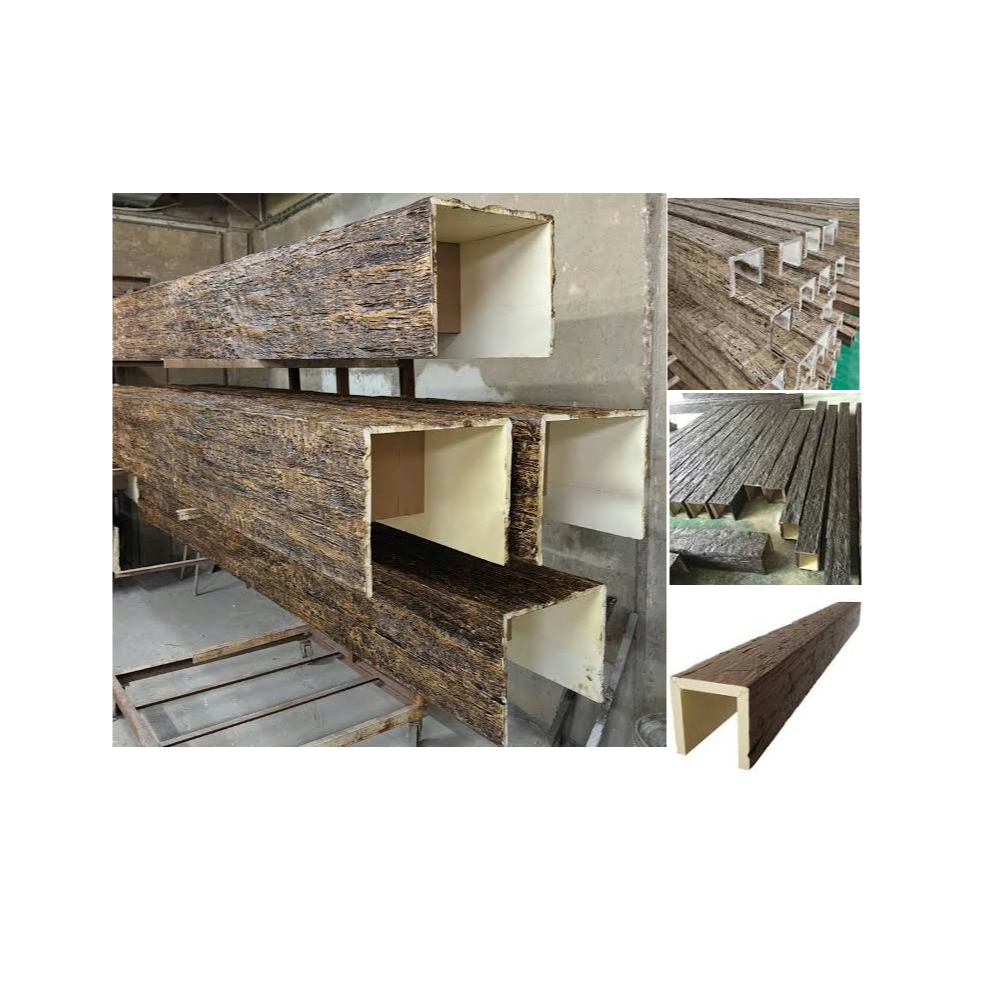
Reproducing authentic rough sawn texture in polyurethane requires more than simple surface treatment. The patterns created by saw blades involve specific characteristics that depend on blade type, tooth configuration, feed rate, and wood species hardness. Capturing these patterns convincingly demands careful study of genuine rough sawn surfaces and sophisticated molding techniques that preserve fine detail.
The depth of texture significantly affects authenticity. Cheap imitations often feature shallow surface scratches that suggest roughness without achieving it—they look rough from a distance but reveal their artificial nature upon closer inspection. Quality rough sawn PU beams incorporate deeper texturing that reads as genuine even under close examination. The shadow patterns created by this depth contribute substantially to overall authenticity.
Variation within the textured surface affects perception as well. Perfectly uniform roughness reads as mechanical rather than organic. Quality products incorporate slight variations in texture depth and pattern that suggest the natural variation in genuine sawing operations. A board cut near the outside of a log differs subtly from one cut near the center; a piece with a knot shows different characteristics than clear wood. These variations contribute to authenticity that uniform patterns cannot achieve.
Organic Rustic Design Philosophy
Organic rustic design seeks to create spaces that feel connected to natural processes rather than industrial production. The aesthetic typically embraces materials in their natural states—wood with visible grain and texture, stone with natural color variations, textiles with handcrafted irregularity. This material honesty creates environments that feel genuine rather than simulated, authentic rather than designed.
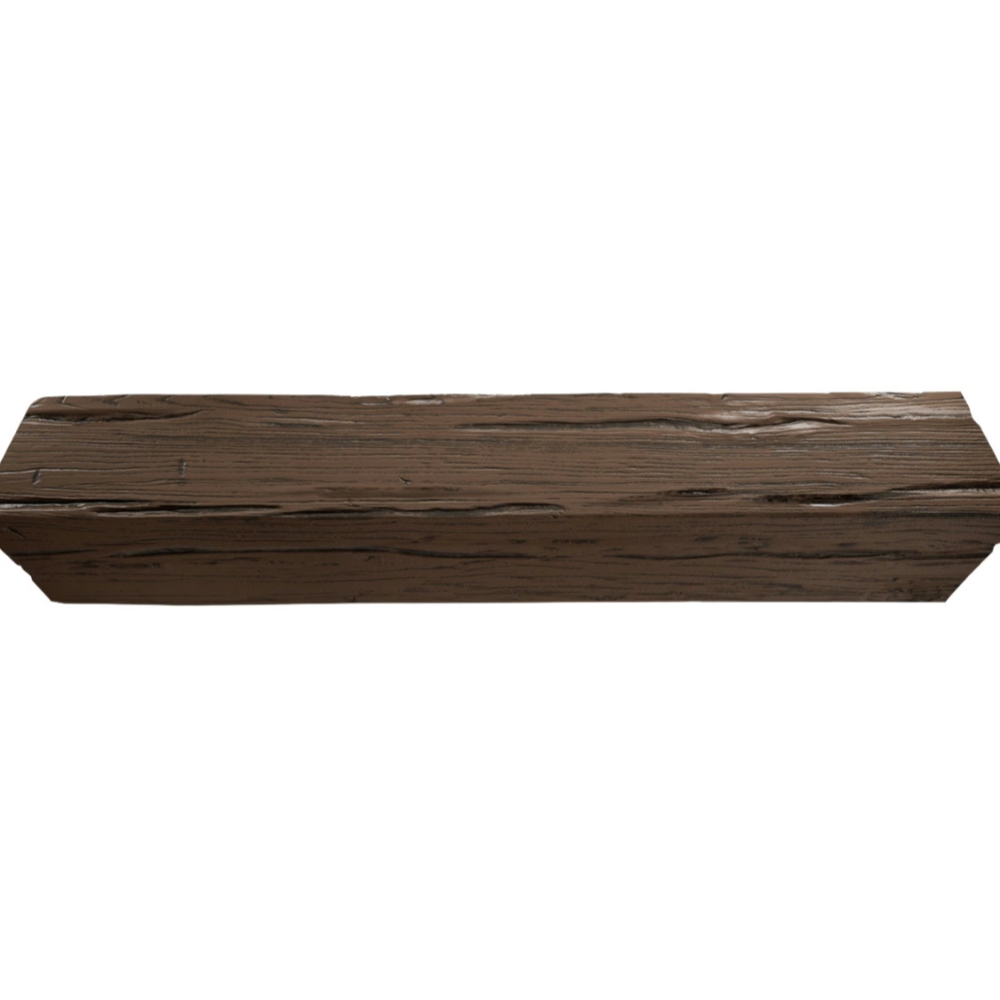
Rough sawn beams serve organic rustic design by contributing the most fundamental wood characteristic: texture that reveals the material's nature. Where planed wood conceals woodness beneath smooth surfaces, rough sawn wood celebrates it. Beams that show saw marks and natural variation contribute to organic rustic intentions more completely than smoother alternatives might achieve.
The organic design philosophy extends beyond surface appearance to include how materials age and change. Organic rustic spaces often incorporate materials that will develop patina and character over time—leather that softens, wood that silver, stone that accumulates the marks of use. Rough sawn PU beams, while not subject to the same aging processes as genuine wood, provide the visual foundation for this aged character that other materials will develop around them.
Installation Approaches for Maximum Impact
Rough sawn texture reads most effectively when viewed at angles that emphasize surface variation. Ceilings with higher viewing angles—vaulted spaces, rooms with tall walls—allow observers to appreciate texture that might disappear from directly below. In rooms with standard ceiling heights, texture intensity should increase to ensure visibility from typical viewing positions.
Beam scale affects how rough texture contributes to overall impact. Larger beams provide more surface area for texture to register, creating bolder visual presence. Smaller beams may lack sufficient surface for texture to make strong impressions, reading as merely busy rather than authentically rough. Matching texture intensity to beam scale ensures that the intended effect actually occurs.
Lighting design significantly affects rough sawn beam appearance. Side lighting from windows creates shadows that emphasize texture depth, making rough surfaces appear more dramatic. Overhead lighting flattens texture by minimizing shadow formation. Well-designed rough sawn installations account for lighting direction, positioning beams to receive side illumination that reveals their textural qualities.
Combining With Other Natural Materials
Organic rustic interiors typically layer multiple natural materials that work together to create cohesive environments. Rough sawn beams combine effectively with stone surfaces—both materials show evidence of their origins and processing. Stone fireplaces, accent walls, or flooring provide textural partners for rough sawn ceiling beams, creating material continuity that unifies the space.
Metal elements introduce interesting contrast in organic rustic contexts. The precision of metal fabrication contrasts with the organic character of rough wood, creating visual tension that animates spaces. Iron hardware, steel light fixtures, and copper accents reference craftsmanship traditions while providing color and texture variety. These combinations feel more considered than either material alone might achieve.
Natural textiles in organic rustic spaces include linen, cotton, wool, and leather in colors drawn from natural palettes—undyed neutrals, earth tones, the warm browns and greens of the natural world. These soft materials provide tactile counterpoint to rough wood surfaces, their smooth or loosely woven textures contrasting with the aggressive texture of saw-cut wood. The material layering creates environments that reward extended exploration.
Practical Considerations for Rough Surfaces
The pronounced texture of rough sawn beams affects practical considerations that smooth beams might avoid. Dust accumulation in surface grooves requires consideration during specification—rough surfaces gather more dust than smooth ones, though the dust distributes across varied texture rather than concentrating in visible patterns. Cleaning requirements increase accordingly, though the visual camouflage that texture provides reduces the frequency of cleaning needed to maintain acceptable appearance.
Moisture exposure creates different concerns for rough surfaces than smooth ones. Water marks may be less visible on rough surfaces due to texture's visual complexity, but moisture can penetrate deeper into rough wood grain. PU material eliminates moisture concerns entirely, with texture applied to water-resistant material that won't absorb liquid or suffer moisture damage. This practical advantage allows rough texture aesthetics without the vulnerability that genuine rough sawn wood would carry.
The durability of rough sawn PU beams exceeds what genuine rough timber could achieve. Impact damage that might dent or gouge genuine wood creates less visible damage on textured polyurethane—the surface variation camouflages minor damage that would be obvious on smooth materials. This damage resistance proves valuable in busy households or commercial applications where surfaces encounter normal wear and tear.
Making the Texture Choice
Selecting rough sawn texture involves understanding how this aesthetic will function in the intended space. High-traffic areas, bright spaces with dramatic lighting, and rooms where tactile qualities matter all benefit from rough texture's visual complexity. Lower-ceiling rooms, spaces with primarily overhead lighting, and contexts where subtle aesthetics serve better might prefer smoother alternatives.
The investment in rough sawn texture pays returns through the authenticity it provides. Spaces seeking organic character and material honesty require surfaces that deliver these qualities authentically. Rough sawn PU beams provide that authenticity while offering practical advantages that genuine rough timber cannot match. For designers and homeowners committed to organic rustic values, they represent the practical expression of those commitments.
Technical References
ASTM standards cited in every specification
Test Data
Lab results from internal testing program
Updated 2026
Reviewed against current product specs


