The term "organic" in interior design carries meanings that extend beyond simple material selection. Organic design seeks to create environments that feel alive rather than static, dynamic rather than fixed, connected to natural processes rather than industrial production. This philosophy manifests through material choices that show their origins, spatial arrangements that flow rather than rigidly dividing, and visual complexity that rewards extended engagement rather than delivering all meaning at a glance. Natural rough sawn texture PU faux beams contribute to organic design intentions through the authentic natural character they display.
The organic design movement emerged partly as reaction against the sterile perfection that modernism sometimes produced. Glass, steel, and perfectly smooth surfaces created environments that impressed with their precision but often failed to nurture the human spirit. Organic design responded with spaces that embraced imperfection, welcomed natural variation, and created the sense of being held by the environment rather than merely contained within it. Rough sawn beams, with their honest surfaces and visible processing, fit naturally into this philosophy.
Texture as Design Element
Designers increasingly recognize texture as a primary design element rather than mere surface treatment. Like color, form, and space, texture creates perceptual effects that influence how spaces are experienced. Rough textures suggest warmth, age, and authenticity; smooth textures suggest precision, cleanliness, and modernity. The choice between them shapes the emotional character of spaces in fundamental ways.
Rough sawn texture creates specific perceptual effects that designers should understand. The visual complexity of rough surfaces prevents the monotony that perfectly uniform surfaces sometimes create. Even large expanses of rough sawn material remain visually interesting because the surface offers different information to different viewing angles and lighting conditions. This variety prevents the visual exhaustion that can affect spaces with large smooth surfaces.
The tactile associations of rough surfaces influence visual perception even when touching isn't possible. Viewers unconsciously project the resistance they expect from rough surfaces, creating a sense of substance and presence that smooth surfaces lack. Ceiling beams that appear rough seem more real, more substantial, more authentically wood than smooth alternatives might appear—even though viewers cannot confirm their tactile qualities through actual touch.
Building Warmth Through Surface Treatment
Warmth in interior design involves more than color temperature. Surfaces contribute warmth through their perceived material character, their visual texture, and their response to light. Rough sawn surfaces typically read as warmer than smooth alternatives, their organic character creating comfort that cool precision cannot match.
The way rough surfaces scatter light contributes to perceived warmth. Rather than the crisp reflections that smooth surfaces create, rough textures distribute light diffusely, softening shadows and creating gentle illumination gradients. This light quality feels more natural than artificial clarity, connecting interior spaces to the softer light of natural environments. Spaces with rough sawn beams feel warmer not just visually but in the quality of light that fills them.
Color perception differs between rough and smooth surfaces as well. Rough textures appear to absorb more color than smooth surfaces, creating richer, deeper color appearance. The same color applied to rough and smooth surfaces will appear different—the rough version seems more saturated and substantial. This enhancement effect means that rough sawn beams can achieve color richness that smooth surfaces would require darker tones to match.
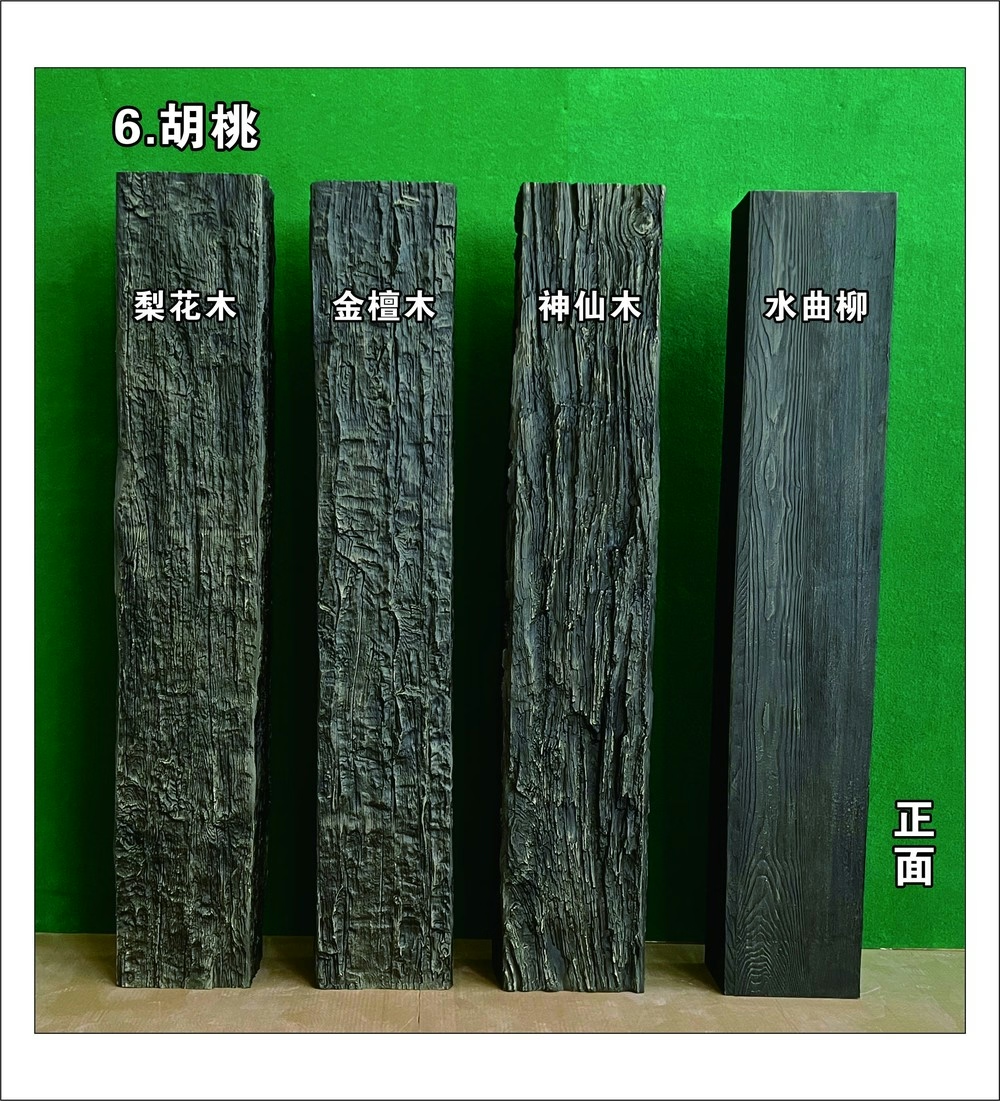
Integration With Rustic Spatial Concepts
Rustic spatial design often emphasizes shelter and enclosure rather than the open, flowing spaces that modernism favored. The goal is creating rooms that feel protective, that wrap around inhabitants like an embrace. Rough sawn beams contribute to this spatial character by adding visual weight to ceiling planes that might otherwise feel too light or distant.
The scale appropriate for rustic organic styling tends toward the substantial rather than delicate. Beams should have presence that registers immediately, weight that suggests they could support significant loads. This substantiality reinforces the protective character that rustic spaces seek—beams that appear capable of sheltering inhabitants from whatever might come from above, whether weather or the anxieties of daily life.
Rustic organic spaces often incorporate multiple layers of material complexity. Stone walls, rough wood furniture, woven textiles, and other elements combine to create environments dense with visual and tactile information. Rough sawn ceiling beams fit into this layering naturally, adding another stratum of organic complexity that enriches the overall composition. The result feels abundant rather than sparse, fully realized rather than minimal.
Light Quality and Texture Interaction
The interaction between rough sawn surfaces and light changes throughout the day as sun position shifts. Morning light entering from low angles creates dramatic shadow patterns that emphasize texture depth. Midday light from overhead flattens appearance but still creates subtle shadow variation. Evening light from low angles in the opposite direction reanimates texture through entirely different shadow patterns.
This daily cycle of appearance changes keeps rough sawn spaces visually fresh. Unlike smooth surfaces that look essentially the same regardless of sun position, rough surfaces transform continuously. The beam that seemed merely textured at noon might appear dramatically dimensional at dusk. This dynamic quality rewards extended observation and creates spaces that reveal new qualities over time.
Interior lighting interacts differently with rough surfaces than daylight does. The typically higher, more uniform angle of interior lighting creates softer shadow patterns, but rough texture still contributes visual interest that smooth surfaces would lack. Combined with daylight from windows and skylights, interior lighting ensures that rough sawn beams provide visual value throughout all hours when spaces are occupied.
Material Combinations for Organic Cohesion
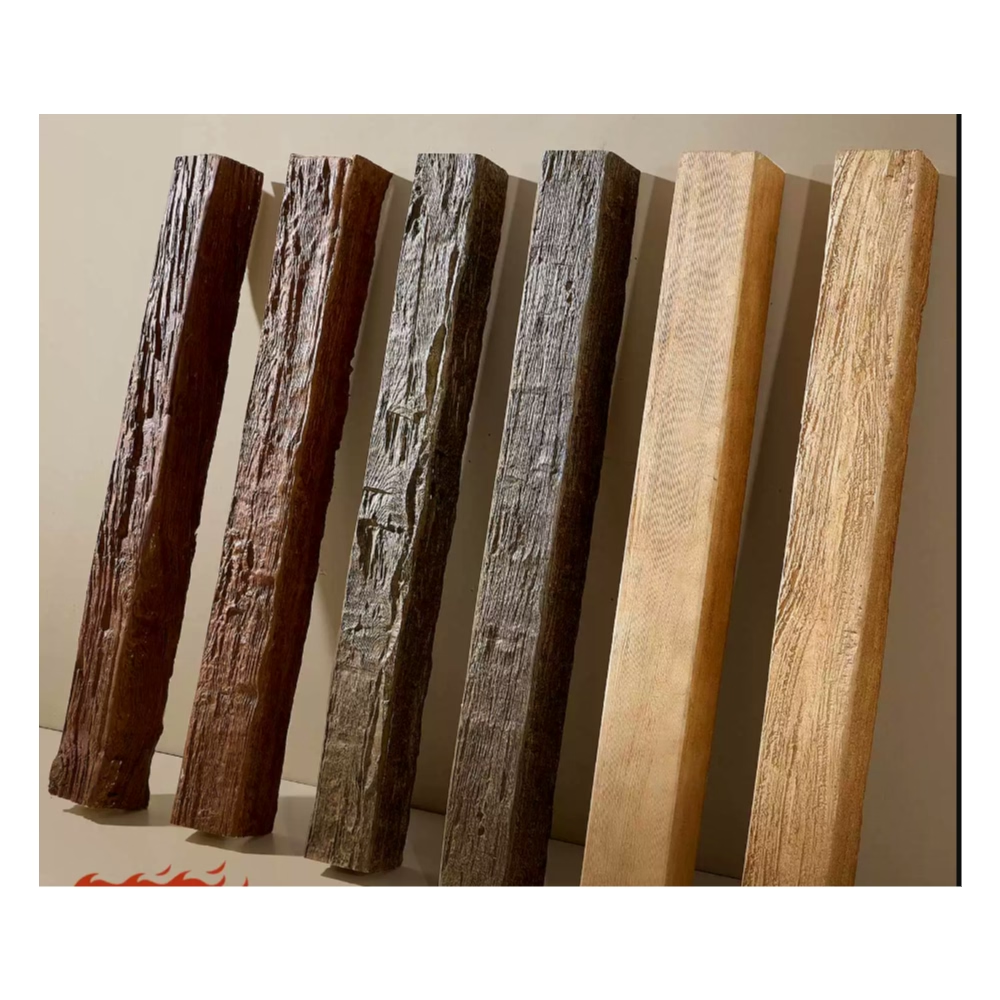
The most successful organic rustic interiors create material narratives that connect disparate elements through shared qualities. Rough sawn beams might echo the texture of stone walls, both showing the marks of their formation. They might contrast with smooth plaster surfaces, the difference emphasizing the organic character of the wood. These material relationships create coherence that arbitrary material selection cannot achieve.
The color relationships between materials deserve as much attention as textural relationships. Rough sawn beams in warm wood tones create harmonies with stone in earth tones, woven natural fibers, and leather in cognac or saddle colors. These warm palettes create environments that feel connected to natural origins, evoking caves, forests, and other protective natural shelters where early humans found safety.
Metal elements require careful handling in organic rustic contexts. Some metals—wrought iron, aged bronze, unlacquered brass—develop patina that connects them to organic aging processes. Other metals—chrome, polished stainless, bright nickel—feel too precise and manufactured for organic contexts. The metal choices that accompany rough sawn beams should align with the overall organic aesthetic rather than undermining it through inappropriate precision.
Practical Benefits of Textured Polyurethane
Beyond aesthetic considerations, rough sawn textured PU beams offer practical advantages that genuine rough timber cannot provide. The dimensional stability of polyurethane means that textured surfaces remain consistent regardless of humidity changes that might cause genuine wood to swell, shrink, or distort. This stability ensures that beam appearance doesn't vary with seasons or climate conditions.
The maintenance simplicity of polyurethane aligns well with the organic aesthetic philosophy. Spaces styled organically typically don't follow rigorous cleaning schedules or employ specialized maintenance regimens. PU beams that require only occasional dusting fit this casual maintenance approach better than genuine wood that might need periodic refinishing or repair.
The consistency of manufactured products ensures that multiple beams in an installation will match appropriately. Genuine rough sawn timber varies dramatically between pieces, potentially creating visual discord in large installations. PU beams provide controlled variation that captures the spirit of natural variation while ensuring professional-quality results across entire projects.
Embracing Imperfect Authenticity
The rough sawn aesthetic ultimately celebrates imperfection as a design virtue rather than a flaw to be eliminated. Spaces featuring such elements reject the modernist pursuit of perfect surfaces and uniform finishes in favor of honest materials that show their true natures. Rough sawn beams contribute to this celebration by providing surfaces that reward rather than resist close inspection.
For homeowners and designers drawn to organic values, natural rough sawn texture PU faux beams offer a practical way to express those values. They provide the authentic rough wood character that organic styling requires while delivering the performance and consistency that modern building demands. The result bridges traditional aesthetics and contemporary construction in ways that serve both equally well.
Technical References
ASTM standards cited in every specification
Test Data
Lab results from internal testing program
Updated 2026
Reviewed against current product specs


