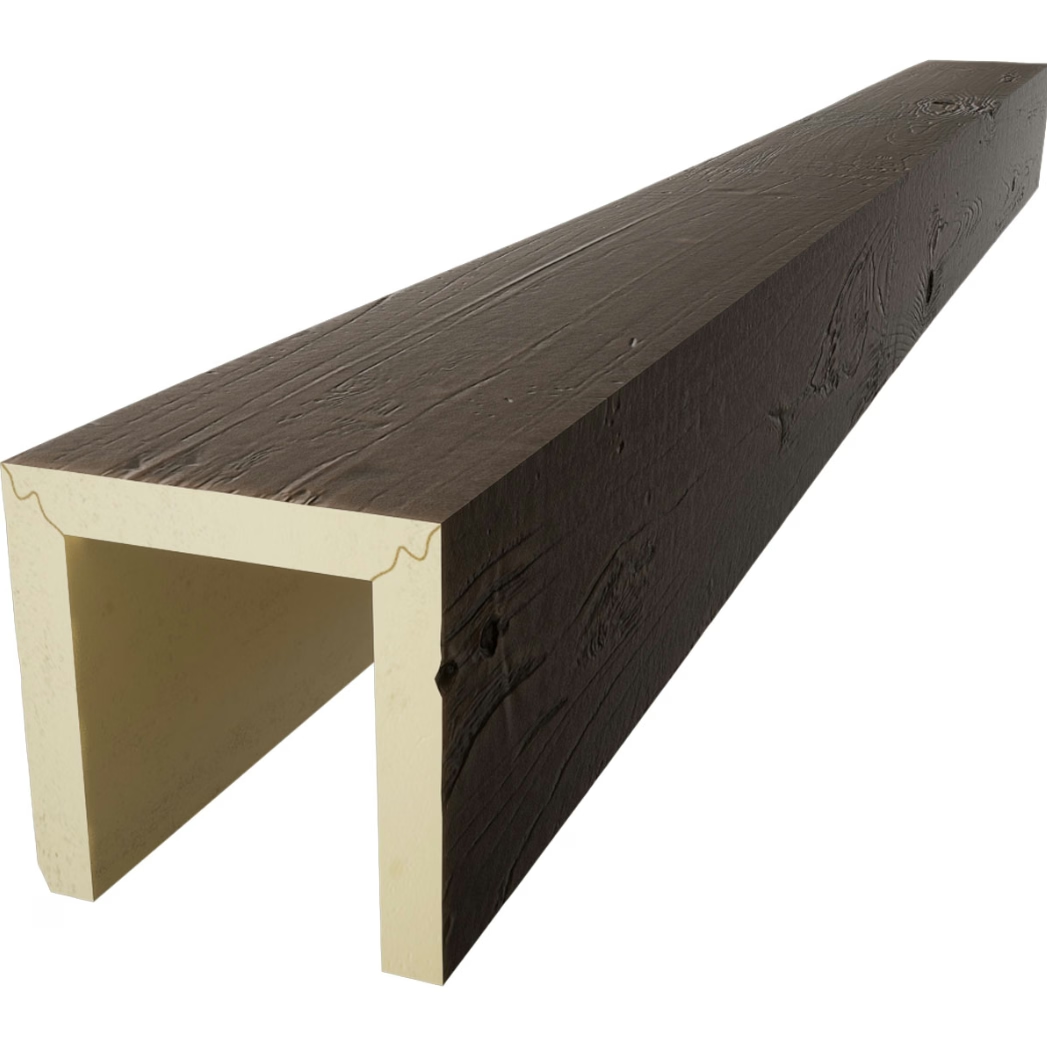
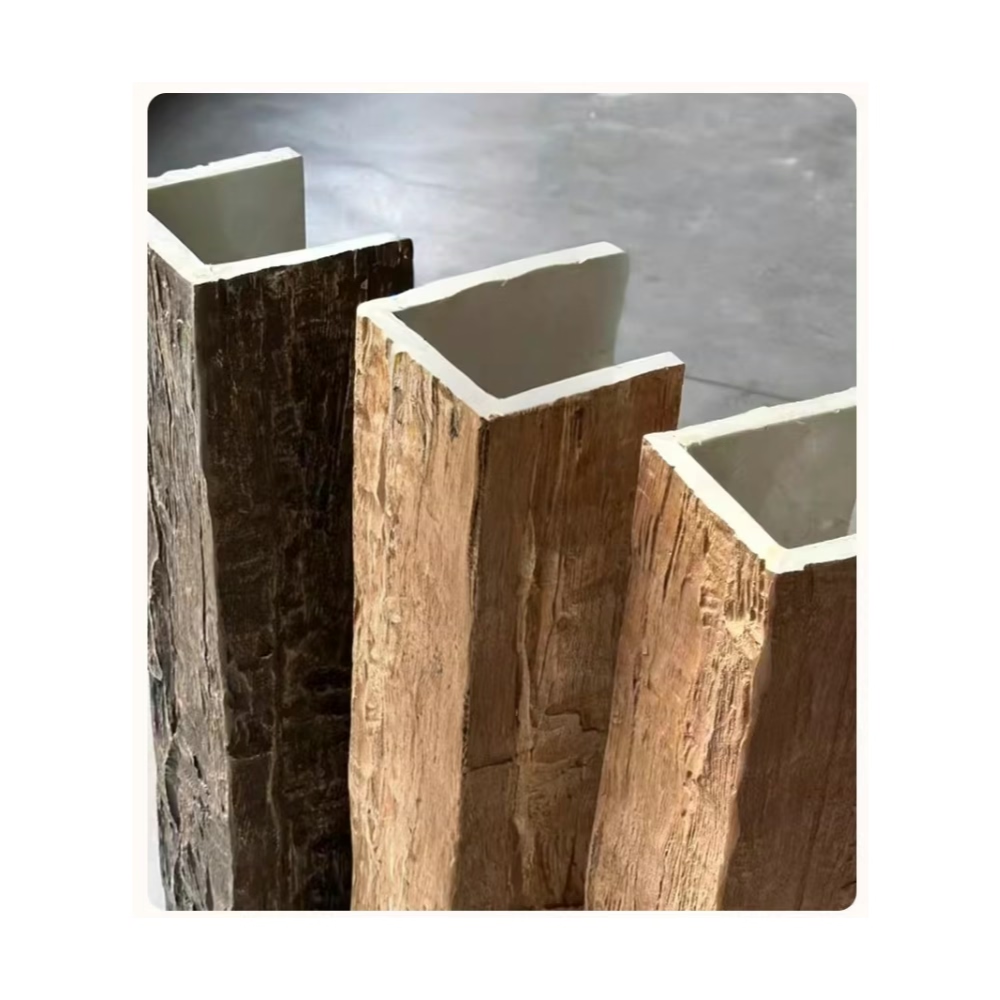
The passage of time leaves marks on materials that thoughtful designers increasingly seek to preserve and reproduce. Patina—the surface development that occurs as materials age—creates visual complexity that fresh materials cannot replicate. Where earlier generations might have stripped away aged surfaces to reveal supposed underlying beauty, current sensibilities often recognize patina itself as the beauty to be celebrated. Natural rust patina finish faux wood beams capture this aged character, creating the impression of beams that have witnessed decades of use while delivering the practical performance that modern materials provide.
Rust patina develops through oxidation processes that transform metal surfaces progressively. Early stages produce subtle color changes—subtle tarnish that suggests age without declaring it. Extended exposure deepens colors through orange and brown ranges, creating the rich rust tones that suggest extended weathering. The process never produces uniform results; different areas of the same surface develop at different rates, creating complex layered appearances that reward extended observation.
The Beauty of Patina Development
Patina represents accumulated time made visible. A rusted surface tells stories through its appearance—the duration of exposure, the quality of original material, the environmental conditions that accelerated or retarded oxidation. This narrative quality distinguishes aged surfaces from fresh alternatives, creating emotional resonance that purely visual qualities cannot match. Spaces featuring patinated elements feel connected to histories that extend beyond their own occupation.
The specific character of rust patina involves color relationships that develop through the oxidation process. Base metal tones show through where oxidation has been minimal; deeper rust colors occupy areas of more advanced transformation. The transitions between these zones create the complex appearance that distinguishes genuine patina from simple rust application. Quality reproductions must capture this complexity carefully, creating appearances that could have developed through actual aging rather than surface coating.
Texture accompanies color in authentic patina development. The crystalline structures that form during oxidation create tactile complexity that smooth surfaces lack. These textures catch light differently across their varied surfaces, creating visual depth that purely color-based reproductions cannot achieve. Polyurethane beams with authentic patina appearance incorporate both color and textural development, creating surfaces that read as genuinely aged rather than merely painted.
Vintage Aesthetic Applications
Vintage aesthetic design seeks environments that suggest periods predating modern mass production. The characteristic qualities of pre-industrial spaces—handcrafted elements, visible material character, accumulated patina—create atmospheres that connect present inhabitants to historical traditions. Rust patina beams contribute to this atmosphere by providing aged elements that anchor spaces in historical time.
The vintage aesthetic accommodates various historical periods, from Victorian industrial through mid-century modern. Each period features characteristic material combinations and finishing approaches; rust patina beams should align with the specific historical context that the space seeks to evoke. Victorian spaces might pair patina beams with rich wallpaper and heavy drapery; mid-century spaces might combine them with clean-lined furniture and bold geometric patterns.
The vintage approach to ceiling design often embraces visible structure and honest materials. Exposed beams, whether genuine structural elements or decorative additions, fit naturally into vintage compositions. Patina-finished beams add additional layer of aged character, suggesting that ceiling structure has been in place long enough to develop the patination that only time can produce authentically.
Manufacturing Patina Authenticity
Creating convincing rust patina appearance in polyurethane requires sophisticated surface treatment techniques. The layered color development that authentic patina displays cannot be achieved through simple painting or staining. Quality manufacturers employ multi-stage processes that build complexity progressively, creating the visual depth that genuine patina exhibits.
The texture component of patina appearance requires attention during mold development and surface treatment. The crystalline formations that develop during metal oxidation create specific surface qualities that vary with oxidation conditions. Capturing these qualities convincingly requires careful study of genuine patinated surfaces and reproduction techniques that can achieve similar textural results in polyurethane materials.
The color palette of rust patina typically ranges through warm earth tones—rust orange, aged bronze, weathered brown, oxidized green in areas of copper or brass presence. These colors should blend naturally rather than appearing as discrete zones; the most convincing patina shows gradual transitions between tones without sharp boundaries. This color blending requires skill during application and quality control during production.
Integration With Vintage Furnishings
Vintage interior spaces typically feature furniture and accessories that share the aged character of patina beams. Leather pieces with worn surfaces, wooden furniture with faded finishes, textile accessories showing evidence of use—all create visual relationships with patinated ceiling elements. The beams contribute to an overall atmosphere of accumulated character rather than standing as isolated aged elements.
Period-appropriate hardware supports vintage authenticity throughout interior compositions. Door hardware, light fixtures, and decorative accessories in finishes that complement patina beams—aged brass, worn bronze, antiqued chrome—create material coherence that unifies the space. These details require attention during design development; arbitrary hardware choices can undermine authentic vintage atmosphere despite otherwise successful vintage styling.
The condition of vintage elements deserves consideration during design development. True vintage spaces often feature pieces in various states of wear—some carefully preserved, others showing substantial use. This variation creates visual interest that uniformity would lack. Patina beams contribute to this variation, their own complex surfaces suggesting the same range of conditions that genuine vintage elements would display.
Lighting for Patina Enhancement
Lighting design significantly affects how patina-finished beams appear in completed spaces. Warm-toned light sources enhance the earth-tone color palette, creating atmosphere that supports vintage intentions. Cool light sources can create dissonance, making patina colors appear unnatural or even sickly. Light source selection should align with the overall color palette that the space establishes.
The direction of light affects patina appearance substantially. Side lighting emphasizes the three-dimensional quality of patinated surfaces, creating drama through shadow and highlight variation. Overhead lighting flattens appearance but provides even illumination suitable for functional purposes. Most successful patina installations benefit from layered lighting that combines functional overhead illumination with accent lighting that emphasizes surface qualities.
Natural daylight presents particular considerations for patina-finished elements. The UV component of sunlight can affect some finishes over extended exposure, potentially changing color or creating inconsistent aging across surfaces. Quality polyurethane products incorporate UV stabilizers that prevent such changes, maintaining patina appearance consistently regardless of sun exposure. This stability ensures that installed beams will continue to match their initial appearance indefinitely.
Maintenance of Patina Appearance
The practical advantage of polyurethane patina over genuine metal patina lies partly in maintenance requirements. Genuine patinated metal requires careful handling to preserve the delicate oxidation layer; harsh cleaning, abrasive contact, or chemical exposure can damage or remove patina entirely. Polyurethane patina, being integral to the material rather than surface-applied, resists such damage and maintains appearance through normal cleaning.
Dust accumulation on patinated surfaces creates different effects than on smooth surfaces. The complex surface of patina distributes dust across varied topography, preventing the visible concentration that smooth surfaces might show. This distribution reduces the frequency of cleaning required to maintain acceptable appearance while ensuring that even well-dusted patina continues to read appropriately.
The long-term stability of polyurethane means that patina appearance remains consistent over time. Genuine metal patina continues to evolve, sometimes toward deeper oxidation that might be desired, other times toward deterioration that undermines aesthetic intentions. Polyurethane's dimensional and color stability freezes patina appearance at the intended point, maintaining the balance between aged character and preserved quality that the design originally established.
The Value of Accessible Patina
Historically, patinated elements required either extended natural aging or expensive specialty work by skilled craftspeople. Both approaches limited patina's availability to projects with either time or budget sufficient to access authentic aged elements. Modern manufacturing has democratized patina aesthetics, making them available to any project regardless of timeline or budget constraints.
This accessibility doesn't diminish the aesthetic value of patina appearance. The visual and emotional qualities that make patina attractive remain present regardless of how they were achieved. Spaces featuring patina-finished beams achieve the atmospheric goals that drive their specification; the means of achieving that appearance matter less than the outcome itself.
For projects seeking vintage atmosphere without the complications of genuine aged materials, natural rust patina finish faux wood beams offer practical advantages that enhance their value. They provide the aesthetic character that design intentions require while delivering the durability and consistency that modern construction demands. The result makes vintage aesthetic accessible to more projects in more contexts than traditional approaches could ever support.
Technical References
ASTM standards cited in every specification
Test Data
Lab results from internal testing program
Updated 2026
Reviewed against current product specs


