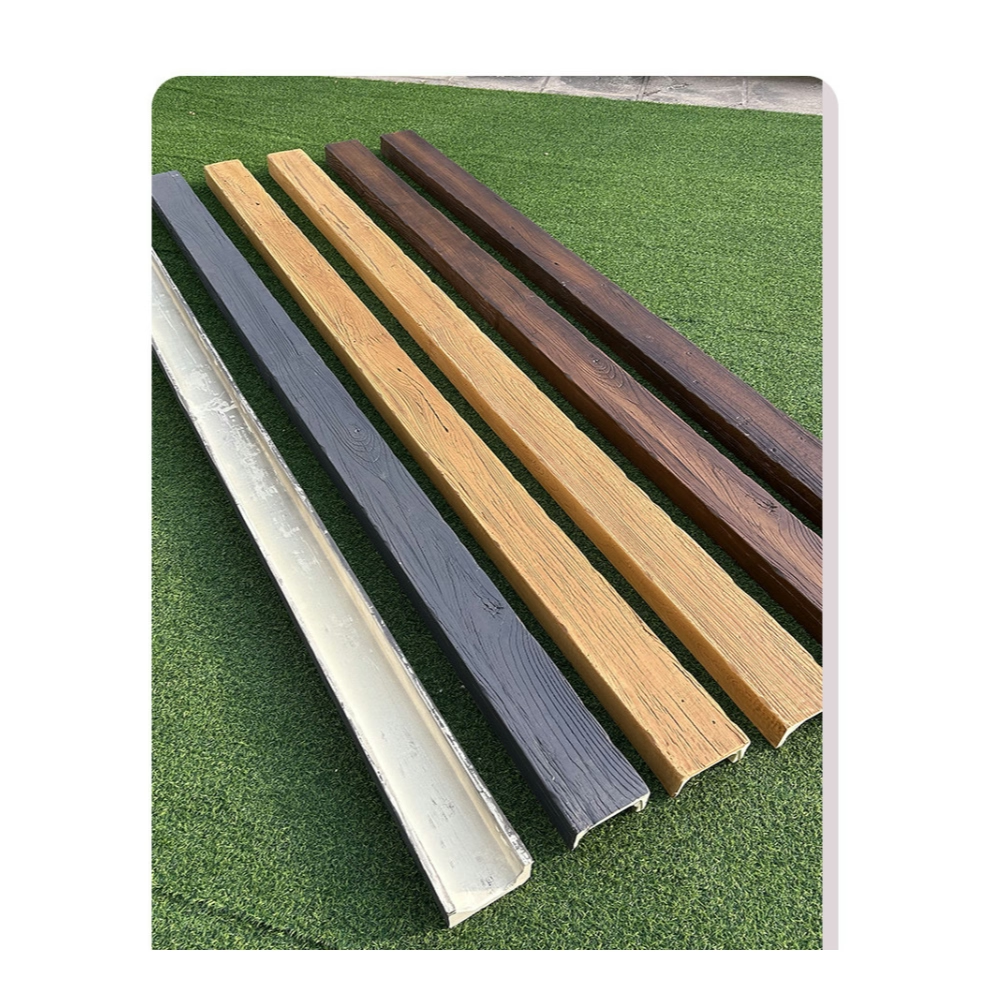
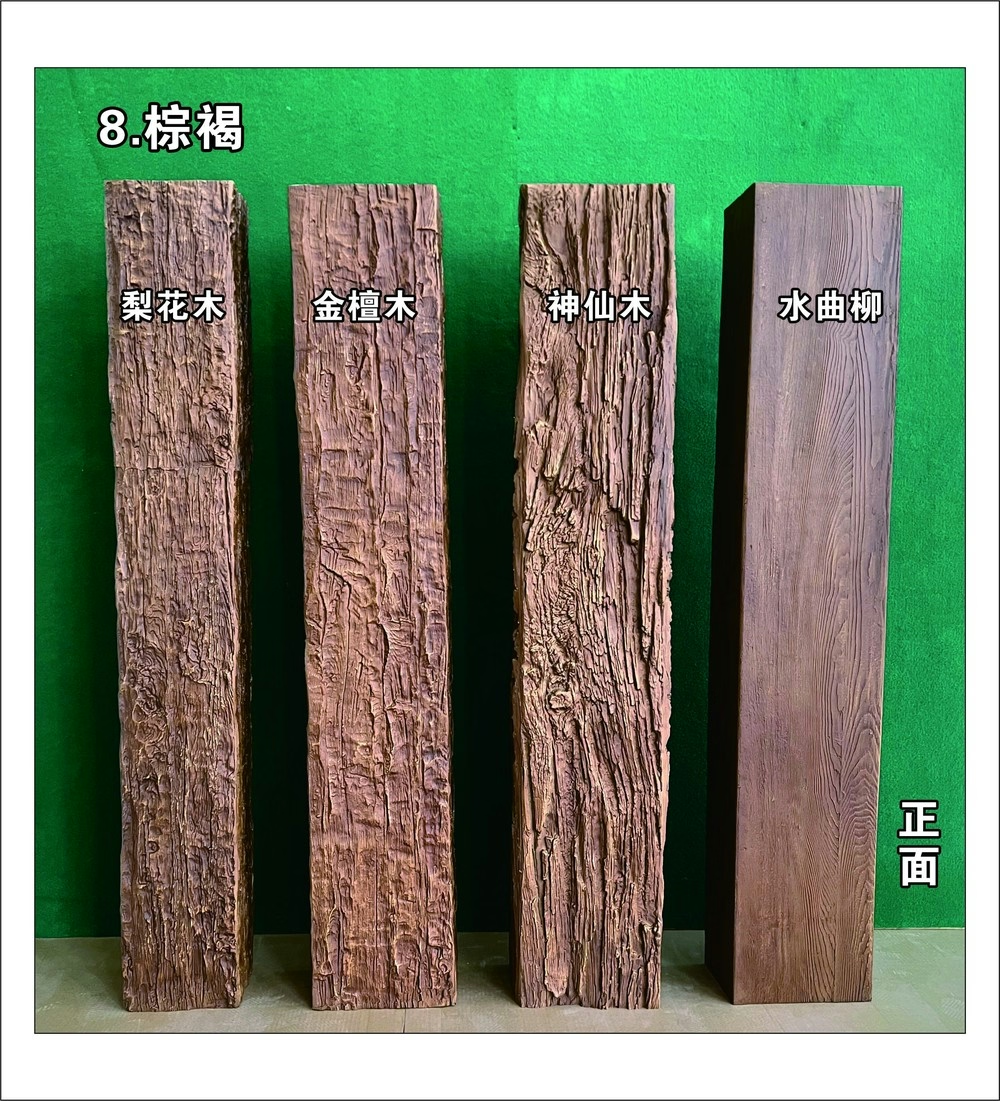
Alder wood occupies a unique position in the spectrum of American hardwoods—neither as bold as oak nor as subtle as poplar, but possessing its own distinctive character that has made it increasingly popular in contemporary residential design. The wood's warm reddish-brown tones and relatively uniform grain patterns create appearances that suggest both refinement and approachability. Natural rustic alder grain PU beams translate these qualities into ceiling applications that bring warmth and visual interest to residential renovation projects where genuine alder timber might prove impractical.
The practical characteristics of alder have contributed to its growing popularity in furniture and cabinet applications. The wood machines cleanly, accepts stains and finishes readily, and produces consistent results across various production techniques. These workability advantages extend to manufactured products, where alder's predictable behavior supports quality production of convincing faux beam reproductions.
The Distinctive Character of Alder Wood
Alder displays a color palette that distinguishes it from other commonly used hardwoods. The heartwood ranges from pale pink through warm reddish-brown, darkening toward richer mahogany tones as the wood ages. The sapwood, typically lighter, blends gradually into heartwood color without sharp boundaries. This color development creates natural variation within individual boards that adds visual interest without creating the dramatic contrasts that some species display.
Grain patterns in alder run relatively straight with subtle wave patterns rather than the bold figures of oak or the complex swirls of walnut. Growth rings create gentle color variations across the surface rather than pronounced grain lines. Occasional small knots appear, typically tight and well-formed rather than the larger, more dramatic knots found in pine. The overall effect is refined rather than rustic, suitable for applications seeking warmth without overwhelming visual intensity.
The texture of alder falls between coarse and fine species, providing workability while accepting fine finishes well. This medium texture creates surface characteristics that feel neither rough nor glassy, contributing to the approachable character that distinguishes alder from more demanding hardwoods.
Warmth in Residential Ceiling Design
Ceiling renovation projects often seek to add warmth to spaces that might otherwise feel cold or institutional. The overhead position of ceiling beams creates natural focal points that draw attention and establish atmosphere. Beams with warm color palettes contribute immediately to the welcoming quality of spaces, their overhead position allowing warmth to radiate throughout the room.
The scale of ceiling beams affects how warmth registers in completed spaces. Larger beams create more substantial visual presence, their surfaces contributing substantial warmth to the ceiling plane. Smaller beams distributed across the ceiling create warmer overall environments through cumulative effect even if individual beams carry less visual weight. Both approaches succeed; the appropriate choice depends on ceiling height, room proportions, and overall design intentions.
Warm ceiling beams balance cool elements that might otherwise dominate spaces. Large windows admitting blue sky, stainless steel appliances, stone surfaces—these elements contribute beauty and interest but can create cool atmospheres that feel unwelcoming. Warm-toned ceiling beams provide counterbalance, their wood warmth offsetting cool tones and creating more balanced overall environments.
Renovation-Friendly Installation Approaches
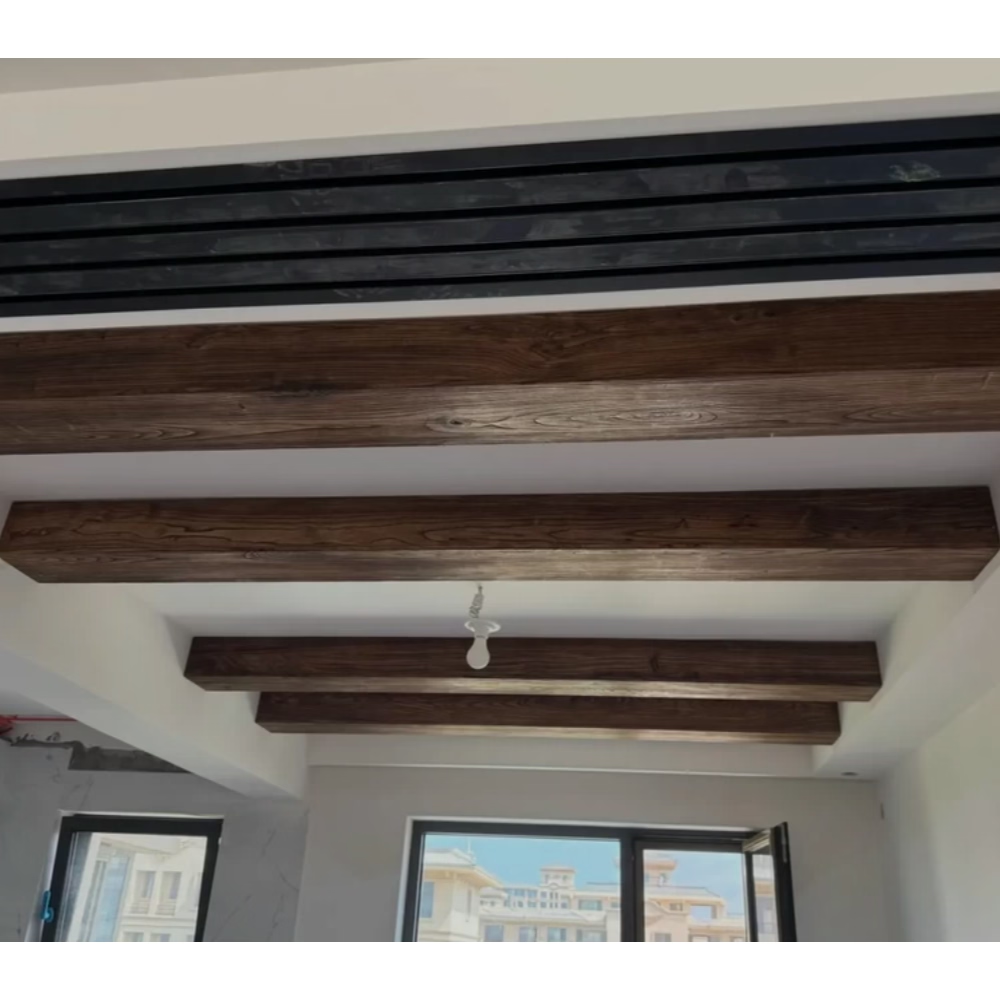
Ceiling renovation projects often face constraints that new construction doesn't encounter. Existing ceiling structures, HVAC systems, electrical routing, and architectural details may limit options for beam placement and installation. The lightweight nature of polyurethane beams simplifies renovation installation by reducing structural requirements that heavier materials would impose.
Surface-mounting techniques prove particularly valuable in renovation contexts. Rather than requiring structural preparation or ceiling modification, surface-mounted beams attach directly to existing ceiling planes using mounting systems designed for the purpose. This approach minimizes construction disruption while delivering the aesthetic benefits that beam installation provides. The existing ceiling remains largely undisturbed; the beams appear to float against the surface with minimal visible support.
Installation speed affects renovation projects significantly. Occupants typically remain in residence during renovation work, making extended construction periods disruptive and inconvenient. Polyurethane beam installation proceeds quickly—much faster than genuine timber installation that might require structural preparation, custom fitting, and finishing work. This speed minimizes disruption while accelerating the timeline to completed renovation.
Complementary Design Elements
Ceiling beams work most effectively when coordinated with other design elements throughout renovated spaces. Wall colors, floor materials, furniture finishes, and textile selections all interact with beam character to create overall spatial atmosphere. Thoughtful coordination ensures that beams contribute positively to compositions rather than appearing as isolated additions that don't relate to surrounding elements.
Alder-toned beams create natural harmonies with earth-tone color palettes. Warm neutrals—cream, sand, light tan—create backgrounds against which alder beams emerge as warm accents. Deeper earth tones—terracotta, rust, sienna—create more saturated environments where alder beams blend into overall warmth. Cool colors—blue, green, gray—create complementary contrast that makes alder warmth stand out distinctly.
Wood elements throughout spaces should relate to ceiling beam character intentionally. Hardwood flooring in complementary tones creates material continuity between floor and ceiling, with wood textures at both levels establishing warmth throughout the space. Mismatched wood tones—floors in oak, ceiling in alder—create visual complexity that may or may not serve design intentions depending on overall composition goals.
Budget Considerations for Renovation Projects
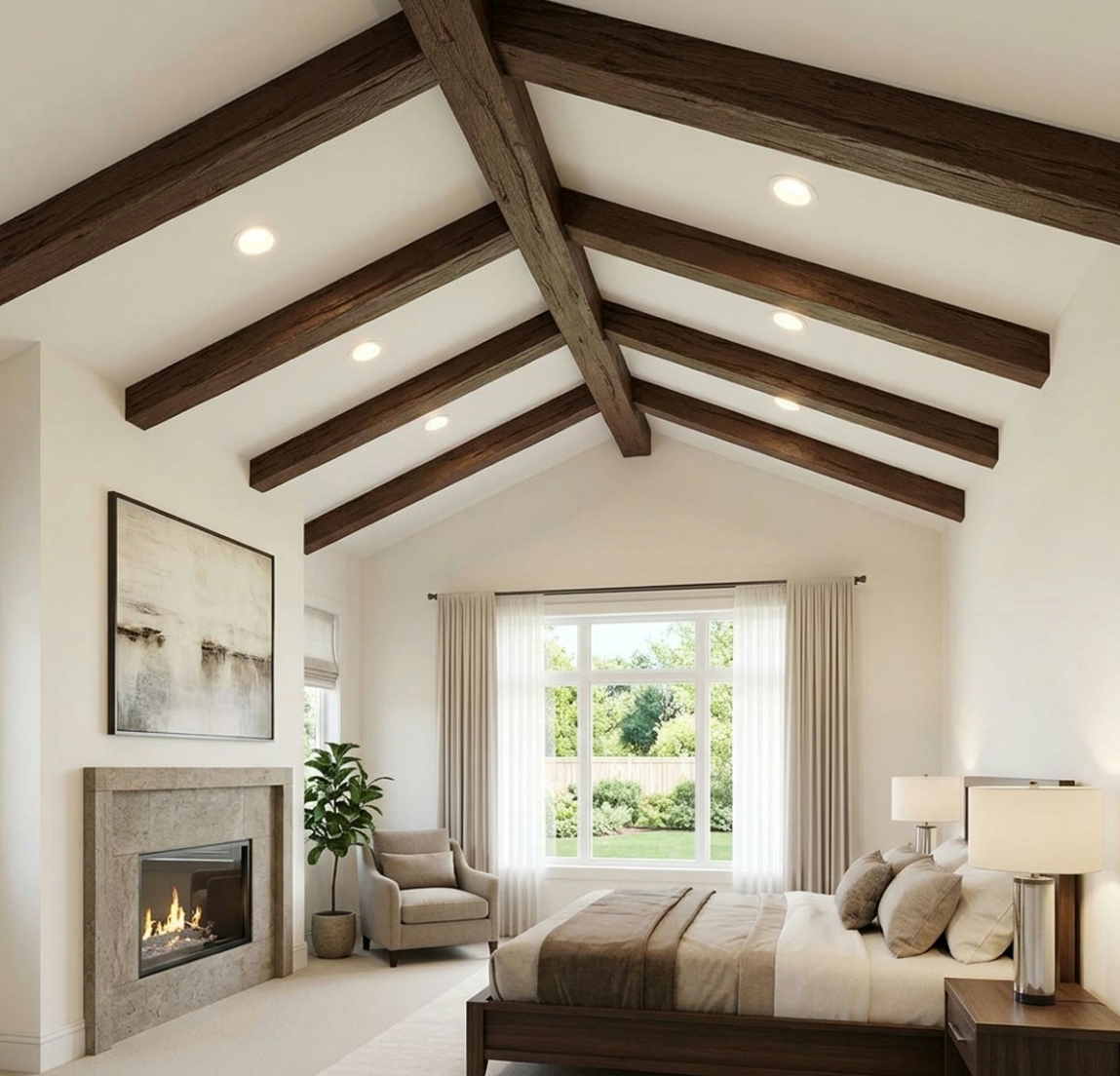
Ceiling renovation often competes for budget with other project priorities. Kitchen updates, bathroom improvements, flooring replacement—these projects demand resources that may limit what's available for ceiling enhancement. Understanding the cost structure of different beam options helps ensure that available budget produces satisfying results.
Material costs for PU beams typically fall below those for genuine timber of equivalent visual quality, primarily because manufacturing efficiency doesn't require the material waste that timber production involves. A board foot of polyurethane contains essentially all usable material; a board foot of hardwood timber represents only a fraction of the tree that was harvested to produce it.
Installation costs represent the larger variable between genuine timber and PU alternatives. The structural preparation, specialized labor, and extended timelines that genuine timber requires can substantially exceed the material cost savings that wood might enjoy. PU beam installation typically proceeds faster and requires less specialized labor, translating to installed costs that fall well below genuine timber equivalents despite potentially higher per-unit material costs.
Achieving Lasting Results
Renovation projects should deliver results that maintain their appeal for years following completion. Materials that require ongoing attention or that deteriorate visibly over time create maintenance burdens and eventual replacement costs. Quality PU beams provide dimensional stability and surface durability that supports long-term appearance retention without intervention.
The UV stability of quality polyurethane products ensures that color remains consistent despite exposure to sunlight through windows and skylights. Some wood finishes fade significantly with UV exposure, requiring periodic refinishing to restore original appearance. PU color, being integral to the material rather than surface-applied, maintains consistency regardless of sun exposure.
Moisture resistance protects PU beams in humid environments that might challenge genuine wood. Kitchens, bathrooms, and homes in humid climates all present moisture conditions that can affect wood materials over time. Polyurethane's resistance to moisture absorption ensures that beams maintain dimensions and appearance regardless of environmental humidity variations.
Completing the Renovation Vision
Ceiling beam installation often represents the final element that ties renovation compositions together. Walls have been repainted, floors have been updated, fixtures have been replaced—the space has been transformed but may still lack the warmth and character that complete the vision. Beams overhead provide the finishing touch that makes spaces feel fully realized rather than merely improved.
Natural rustic alder grain PU beams serve this completion function effectively. Their warm tones add immediate comfort; their grain patterns create visual interest; their overhead position draws attention upward, making ceilings active design elements rather than forgotten planes. The result transforms renovated spaces from collections of updated components into cohesive environments that fulfill the renovation's original promise.
For homeowners pursuing ceiling renovation, alder grain PU beams offer practical advantages that support successful project completion. They deliver the warmth and character that renovation goals require while respecting budget constraints and minimizing construction disruption. The result makes ceiling renovation achievable for more projects in more contexts than traditional approaches could support.
Technical References
ASTM standards cited in every specification
Test Data
Lab results from internal testing program
Updated 2026
Reviewed against current product specs