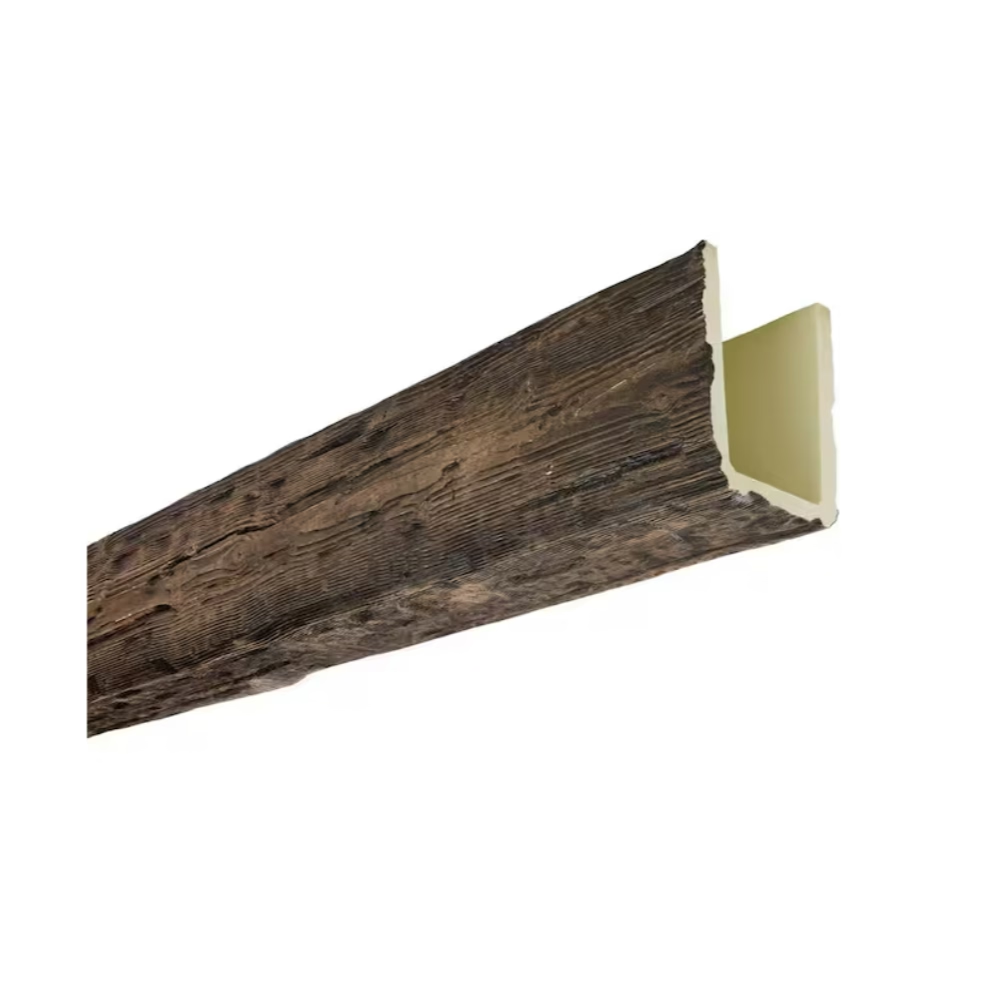
The concept of organic interior design extends beyond simple material selection to encompass spatial relationships, lighting approaches, and the creation of environments that support human wellbeing. Organic spaces feel alive rather than static, connected to natural rhythms rather than isolated from them. They employ materials that reveal their origins, forms that suggest natural rather than purely geometric derivation, and atmospheres that nurture rather than merely contain. Natural rustic ash timber PU faux beams contribute to organic interior intentions through the authentic natural character they provide.
Ash wood carries qualities that align naturally with organic design philosophy. The species grows abundantly across temperate regions, its rapid growth creating wood with different character than slower-growing hardwoods. This abundance connects to sustainability values that organic design often embraces—materials that can be harvested responsibly without depleting natural resources. The wood's workability and consistent quality support manufacturing processes that create convincing natural reproductions.
Ash Wood's Natural Qualities
Ash displays a color palette distinct from other commonly used hardwoods. The sapwood produces pale, almost white tones that approach maple in lightness. Heartwood ranges from light tan through warm brown, with the most prized specimens showing subtle gray or olive undertones that add complexity. This overall lightness distinguishes ash from the richer tones of oak or the deep browns of walnut, creating appearances that feel fresh and contemporary.
The grain character of ash falls between the extremes found across hardwood species. The prominent open grain of oak doesn't appear; the almost invisible grain of maple isn't present either. Instead, ash shows clearly visible but relatively refined grain patterns that create texture without demanding attention. This balanced grain character makes ash versatile across design applications, capable of supporting bold design elements without competing for visual dominance.
Ash wood features occasional darker streaks or figures that add visual interest to otherwise consistent surfaces. These natural markings create moments of emphasis that prevent large surfaces from becoming monotonous. Quality reproductions capture these occasional variations, ensuring that ash-textured beams maintain visual interest across extensive ceiling installations.
Creating Organic Interior Atmospheres
Organic interiors prioritize atmosphere over strict style adherence. The goal is creating spaces that feel genuinely welcoming, that support the activities and relationships that take place within them, and that connect inhabitants to natural origins that industrial environments deny. This atmospheric approach values sensory richness over visual simplicity, embracing the complexity that natural materials provide.
Wood ceiling beams contribute substantially to organic atmosphere through warmth that no synthetic material fully replicates. The subtle color variations within wood grain, the tactile quality of textured surfaces, the way wood responds differently to various lighting conditions—these qualities create richness that synthetic alternatives cannot match. Ash-textured beams bring these organic qualities to ceiling applications, adding atmosphere that elevates spaces beyond mere functionality.
The scale of beams affects how organic atmosphere develops in completed spaces. Substantial beams that command attention create presence that dominates rooms, potentially overwhelming organic atmosphere with architectural assertiveness. Smaller beams distributed more liberally create warmth through accumulation rather than singular presence, supporting organic atmosphere without dominating it. The appropriate approach depends on ceiling height, room proportions, and overall design intentions.
Integration With Natural Material Palettes
Organic interior design typically employs natural materials throughout—stone, wood, natural textiles, metals with aged patinas. These materials share qualities of honesty and visible origin that distinguish them from synthetic alternatives. Ash-textured beams fit naturally into such material palettes, their wood origin connecting to other natural materials throughout spaces.
Stone surfaces in organic interiors often feature rough textures, natural color variations, and visible formation evidence. Beams in ash tones complement stone through shared natural origins while providing textural contrast. The smooth refined surface of ash grain against the often rougher surface of stone creates visual interest through material juxtaposition that prevents either material from feeling isolated.
Natural textiles including linen, cotton, wool, and leather appear throughout organic interiors in upholstery, window treatments, and floor coverings. These materials share warmth and tactile quality with wood ceiling beams, creating material harmonies that unify spaces. The colors found in natural textiles—undyed neutrals, earth tones, the warm browns and greens of natural dyes—coordinate naturally with ash wood tones.
Health and Wellbeing Considerations
Contemporary understanding of how interior environments affect human health and wellbeing has elevated organic design from aesthetic preference to practical necessity. Spaces that support wellbeing feature good air quality, natural light access, material choices that avoid harmful emissions, and atmospheres that reduce stress rather than amplifying it. These factors influence material selection in ways that earlier generations didn't consider.
Polyurethane faux beams offer advantages in indoor air quality considerations. Quality products emit minimal VOCs once fully cured, avoiding the ongoing off-gassing that some materials produce. This low emission profile supports indoor air quality better than some genuine wood finishes that might continue releasing volatiles over extended periods.
The maintenance simplicity of PU beams contributes to healthy interiors by reducing the cleaning chemicals and treatments that genuine wood might require. Regular dusting and occasional cleaning with mild detergents suffice; harsh chemical treatments, solvent-based finishes, and specialized maintenance products aren't necessary. This reduction in chemical exposure benefits indoor air quality and household health.
Sustainable Manufacturing Practices
Environmental sustainability influences material selection for increasingly projects. The lifecycle impacts of building materials—from raw material extraction through production, transportation, installation, use, and eventual disposal—affect purchasing decisions that earlier generations made based primarily on cost and aesthetics. Ash-textured PU beams offer environmental advantages that support sustainability priorities.
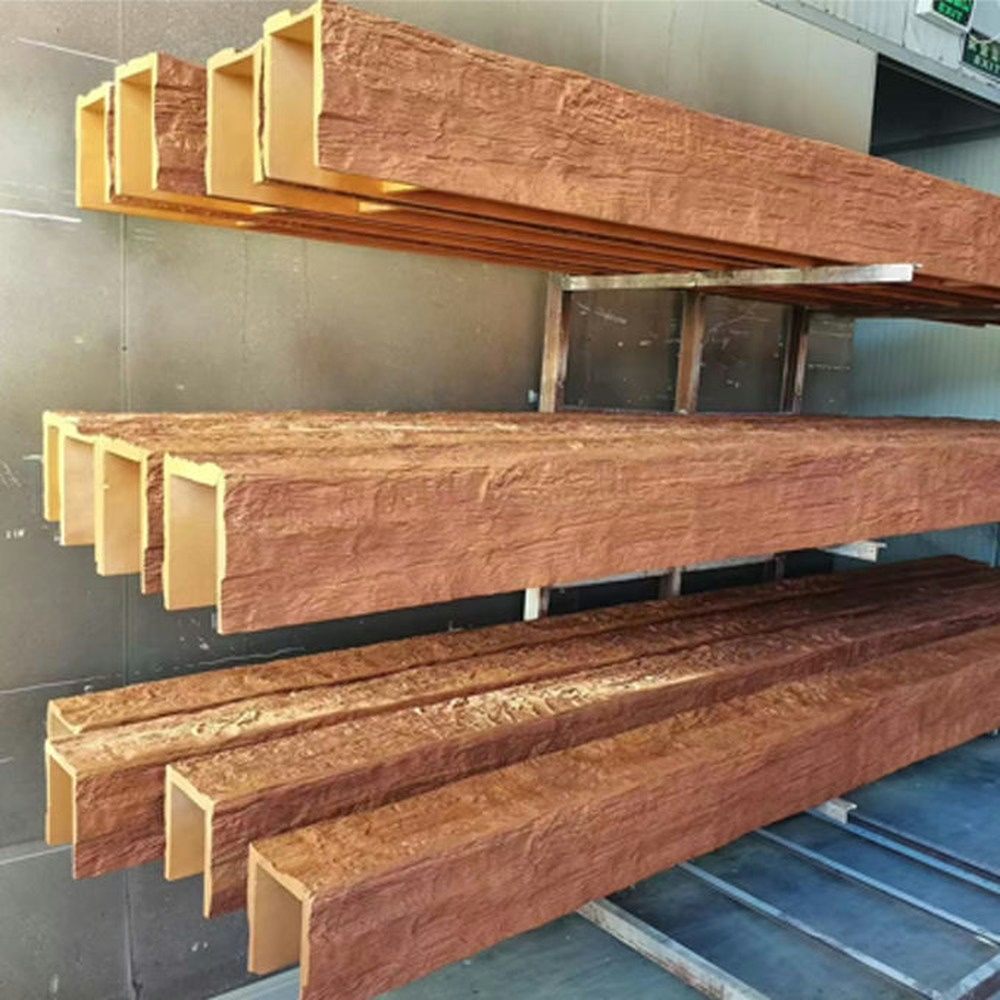
Manufacturing efficiency affects environmental impact substantially. Polyurethane beam production generates minimal waste compared to timber milling, where substantial volume becomes sawdust, chips, and other byproducts. The dimensional consistency of manufactured products also reduces installation waste, as beams arrive at job sites ready to install without field modification that might generate additional waste.
The durability of quality polyurethane products supports sustainability through extended service life. Materials that maintain appearance and function for decades without replacement represent better lifetime resource use than materials requiring periodic replacement. Ash-textured PU beams, properly maintained, can serve for the life of the structures they inhabit, avoiding the resource consumption that replacement would require.
Design Flexibility for Evolving Spaces
Organic interiors often resist rigid stylistic definition, remaining open to evolution as needs and preferences change. Materials that commit strongly to specific aesthetics may prove limiting when design directions shift; materials that support various styling approaches provide flexibility that serves evolving purposes.
The light, neutral character of ash-textured beams provides such flexibility. The subtle grain and warm-but-not-bold coloring allow beams to serve various design purposes without locking spaces into specific stylistic commitments. Spaces might evolve from contemporary minimalism through farmhouse casual to traditional formality; ash beams could remain through all these transformations, adapting their role as design directions shift.
This flexibility proves valuable for households whose needs change over time. Growing families, changing work arrangements, evolving social patterns—these factors require spaces that can adapt rather than remaining fixed in original configurations. Ceiling elements that support adaptation rather than demanding preservation contribute to residential flexibility that serves long-term household needs.
Achieving Organic Design Goals
The organic design approach ultimately seeks environments that feel genuinely alive—spaces where materials breathe, where light changes throughout the day, where inhabitants feel connected to natural origins rather than isolated in artificial boxes. Achieving this goal requires attention to all design elements, including ceiling treatments that might be overlooked in favor of more visible surfaces.
Natural rustic ash timber PU faux beams contribute to organic interior goals by providing authentic wood character overhead. Their light tones create brightness; their subtle grain creates texture; their warm character creates atmosphere. The material qualities that distinguish genuine wood from synthetic alternatives—the depth, the variation, the indefinable sense of organic origin—transfer convincingly to quality manufactured reproductions.
For homeowners and designers committed to organic interior values, ash-textured PU beams offer practical expression of those commitments. They deliver the natural character that organic design requires while providing the performance, consistency, and sustainability that contemporary building and renovation demand. The result bridges traditional values and modern capabilities, making organic interiors achievable for projects across the full range of design ambitions and budget constraints.
Technical References
ASTM standards cited in every specification
Test Data
Lab results from internal testing program
Updated 2026
Reviewed against current product specs


