The concept of home carries emotional weight that extends far beyond physical shelter. We want our living spaces to nurture us, to provide comfort after difficult days, and to welcome us through the door with genuine warmth. Creating this atmosphere requires thoughtful design choices that address both aesthetics and feeling. Natural tone faux wood beams offer one of the most effective ways to infuse any room with cozy, welcoming character.
Understanding Cozy Atmosphere in Home Design
Cozy operates as both a temperature concept and an emotional one. Physically, coziness means warmth against the cold—crackling fires, soft blankets, and heated floors. Emotionally, coziness means safety, belonging, and comfort. When designers talk about creating cozy atmosphere, they aim for spaces that wrap inhabitants in psychological warmth as effectively as physical warmth wraps them in blankets.
The elements that create cozy atmosphere share certain characteristics. They tend to be soft rather than hard, warm rather than cool, textured rather than smooth, and familiar rather than novel. Wood exemplifies these qualities perfectly—its natural grain provides visual texture, its warm tones create visual warmth, and its organic origins connect us to comfortable natural environments.
Faux wood beams in natural tones capture these cozy-making qualities while offering practical advantages that real wood cannot match. They install easily in any room, resist damage that might diminish their beauty, and maintain their appearance indefinitely. For homeowners committed to creating genuinely cozy spaces, these beams provide essential tools for achieving their atmospheric goals.
The Psychology of Wood in Interior Spaces
Humans have deep psychological connections with wood and wooden objects. Our evolutionary history unfolded in forests and wooden structures, creating innate comfort responses to wood's appearance and texture. Studies consistently show that wood in interior spaces reduces stress hormones, increases positive mood, and promotes overall psychological wellbeing.
These effects intensify with wood's warmth. Cool woods like maple or birch provide aesthetic pleasure but less emotional warmth. Medium and dark woods in natural tones—honey oak, warm chestnut, rich walnut—trigger stronger comfort responses, likely because they evoke autumn forests, burning hearths, and other warmth-associated natural imagery.
Faux wood beams allow homeowners to harness these psychological benefits without the limitations of real timber. The polyurethane material can be molded to capture every nuance of wood grain, including the subtle color variations that make natural wood so appealing. When properly manufactured, faux beams are indistinguishable from real wood at casual observation, delivering the same psychological benefits with greater durability.

Choosing the Right Natural Tone
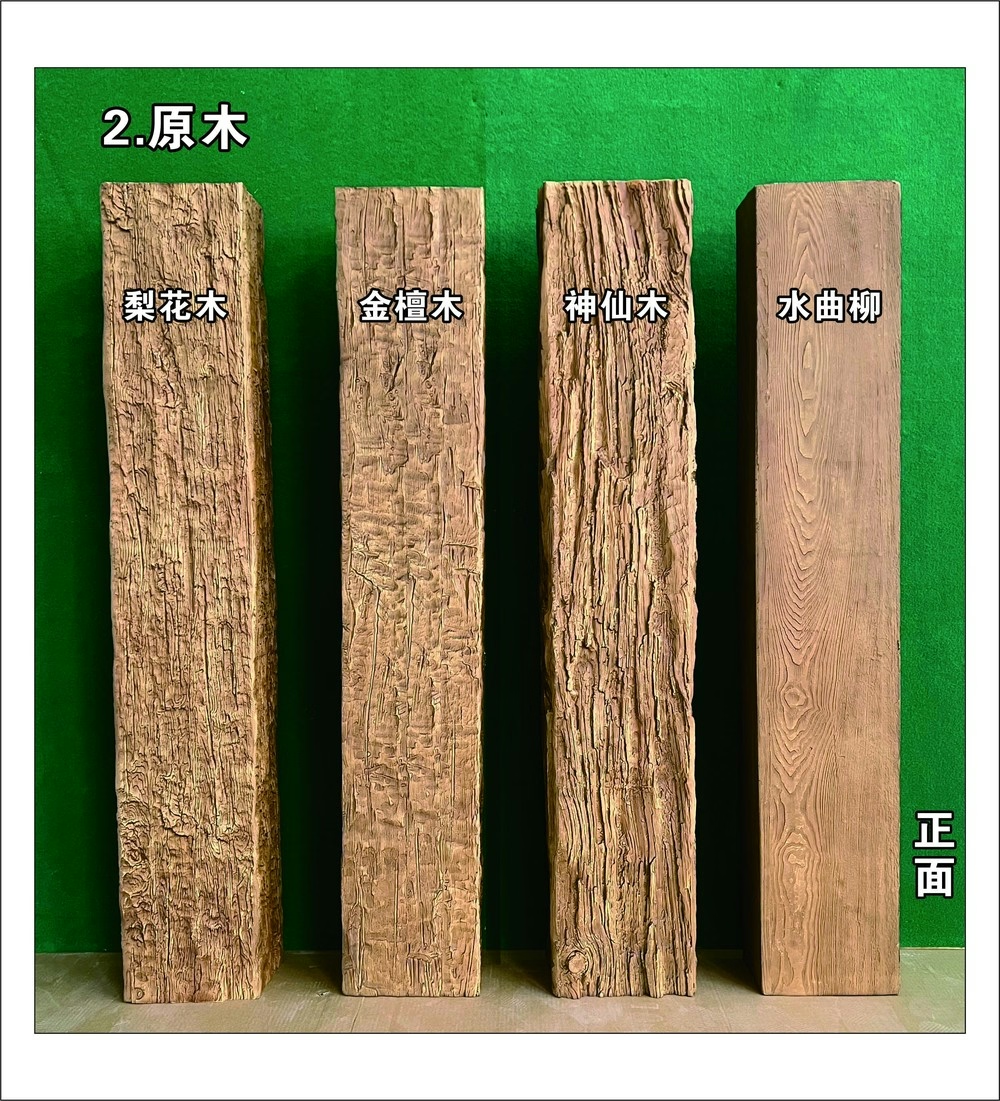
Natural tone encompasses a range of wood colors, from pale honey to rich amber to deep walnut. Selecting the right tone for your space requires understanding how different colors interact with room conditions and design schemes.
Light natural tones like honey oak work best in rooms that need visual warmth without visual weight. North-facing rooms or spaces with limited natural light benefit from lighter beams that reflect and amplify available illumination. These tones also suit modern or minimalist design schemes where heavy wood presence might clash with clean lines. Honey oak beams add warmth to these spaces without overwhelming their contemporary character.
Medium natural tones such as warm chestnut or standard oak provide balanced warmth suitable for most applications. These versatile colors complement a wide range of wall colors, furniture styles, and decorative schemes. If you're uncertain which tone will work best in your home, medium natural tones offer reliable choices that rarely disappoint.
Deep natural tones in walnut or dark oak create dramatic impact in larger spaces with higher ceilings. These rich colors add sophistication and gravitas, making them appropriate for formal living rooms, studies, or dining spaces where a more serious atmosphere is desired. Smaller rooms may feel overwhelmed by dark wood tones, but in the right space, they create exceptionally cozy, enveloping atmospheres.
Creating Layered Coziness Throughout Your Home
Cozy atmosphere emerges from layering—multiple elements that together create something greater than any individual component. Natural tone faux beams provide an excellent foundation for this layering approach.
Begin with your beams as the primary cozy element. The warm wood overhead establishes the room's character and provides immediate visual comfort. Everything else in the room should complement and reinforce this foundation rather than competing with it.
Layer soft furnishings to enhance the beam-installed ceiling. Plush area rugs in natural fibers—wool, jute, cotton—ground the space and provide tactile comfort underfoot. Layer rugs for added texture and visual interest, combining smaller statement rugs with larger neutral foundations. The combination of warm ceiling and soft floor creates an enveloping sense of comfort.
Upholstery and window treatments complete the cozy layering. Furniture in warm-toned leather, soft velvet, or natural woven fabrics invites settling in and staying awhile. Curtains and drapes in heavy, rich fabrics add softness to walls and help contain warmth within the room. Sheer layers allow light filtering while heavier layers create intimacy and privacy.
Lighting contributes the final cozy layer. Warm-toned bulbs in table lamps, floor lamps, and pendant fixtures reinforce the wooden beams' warmth. Consider adding dimmers throughout the space, allowing you to adjust illumination levels for different activities and moods. The lowest light settings typically feel most cozy, encouraging relaxation rather than alertness.

Room-Specific Cozy Design Strategies
Different rooms serve different purposes, requiring tailored approaches to cozy design. Natural tone faux beams adapt well to these varied requirements.
Living rooms typically need the most comprehensive cozy treatment because they host the widest range of activities. A full beam installation overhead creates the foundation for gathering, watching movies, playing games, or simply existing comfortably. Layer seating with plush cushions, add throws for grab-and-go warmth, and include ottomans or side tables that make the space functional for all occasions.
Bedrooms demand softer cozy approaches that support rest rather than activity. Consider narrower beams or lighter wood tones that don't create oppressive weight above sleeping areas. Install beams symmetrically above the bed for a canopy-like effect that suggests protection and sanctuary. Keep surrounding decor relatively minimal, allowing the warm beams to create atmosphere without visual competition.
Home offices can benefit from cozy design without sacrificing functionality. The warmth of wooden beams overhead promotes the calm focus that productive work requires. Position beams to avoid creating shadows on work surfaces, but allow them to warm the surrounding space. A cozy reading chair in one corner provides a spot for thinking, planning, or taking breaks.
Kitchens present challenges for cozy design because they serve practical purposes that don't always align with atmosphere. Beam installations above breakfast nooks or kitchen islands create zones within larger kitchen spaces where coziness can thrive. Keep the main workspace area relatively bright and practical, reserving cozy treatment for eating and gathering areas.
Maintaining Cozy Atmosphere Long-Term
Creating cozy atmosphere is one achievement; maintaining it requires ongoing attention. Faux wood beams simplify this maintenance considerably compared to real wood alternatives.
Real wood requires regular care to maintain its appearance and structural integrity. Seasonal humidity changes cause expansion and contraction that can lead to cracks or warping. Finishes fade or scratch over time, requiring periodic refinishing. Insect damage, water stains, and general wear accumulate, dimming the cozy effect that wood was meant to provide.
PU faux beams eliminate these maintenance burdens. They don't respond to humidity changes, resist scratching and staining, and maintain their appearance without any treatment. A periodic dusting or wiping keeps them looking fresh. If beams ever become damaged, replacement individual sections proves simple—a benefit impossible with solid timber installations.
The surrounding elements of cozy design require more maintenance attention than the beams themselves. Vacuum rugs regularly to remove debris that wears down fibers. Clean upholstery to prevent the buildup that diminishes comfort and appearance. Dust surfaces and rotate decorative elements to prevent settling and wear patterns.
By choosing faux wood beams for your cozy home atmosphere, you invest in lasting comfort that doesn't demand constant attention. Your beams continue warming and welcoming for decades, providing the foundation for family gatherings, quiet evenings, and all the moments that make a house a home.
Bring cozy warmth into your home with our collection of natural tone PU faux wood beams. Contact us today to discover how these beautiful ceiling treatments can transform your living spaces.
Technical References
ASTM standards cited in every specification
Test Data
Lab results from internal testing program
Updated 2026
Reviewed against current product specs


