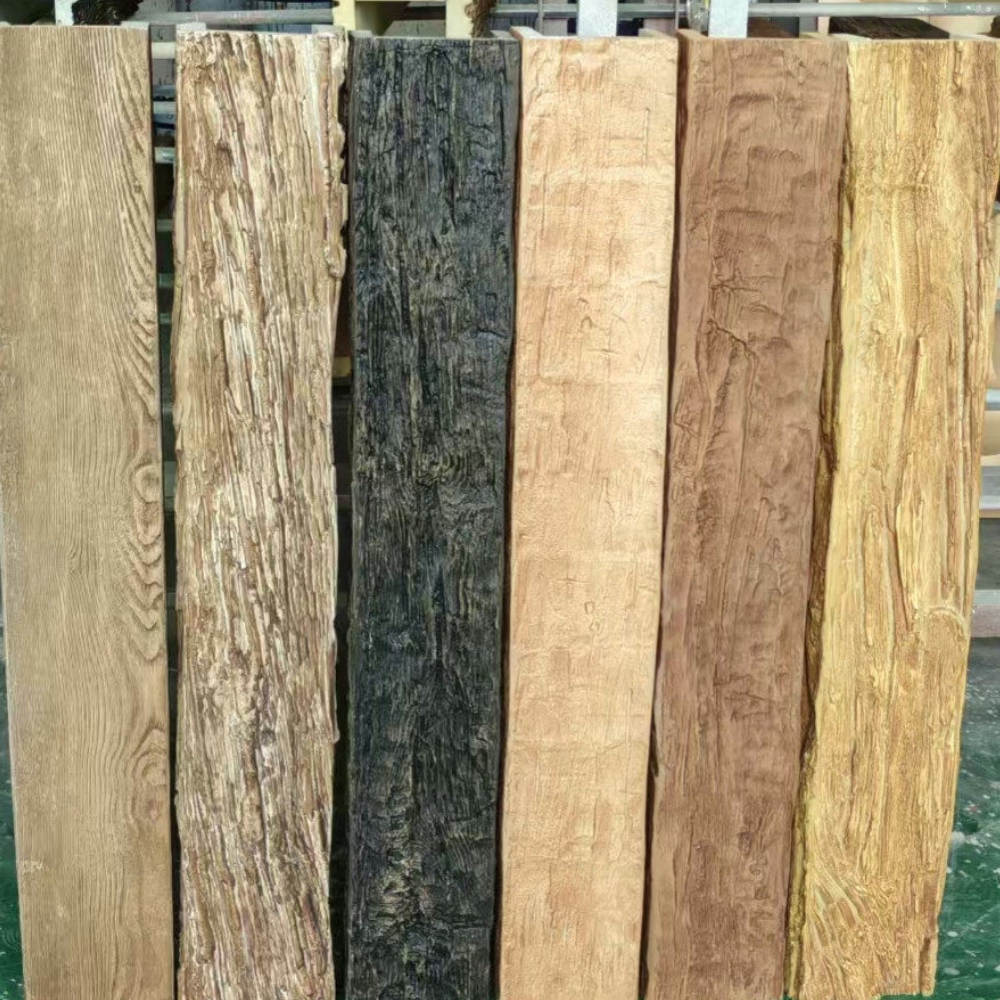
Patina—the surface character that develops through years of use and exposure—represents one of the most prized qualities in vintage materials. Unlike fresh surfaces that announce their newness, patinated materials feel established, comfortable, and trustworthy. This sense of history and accumulated experience explains why designers so often specify antique materials despite the complications they introduce. Our weather patina finish faux beams provide this aged character while eliminating the practical challenges that genuine antique materials create.
The distinction between weathering and patina lies in the conditions that create each effect. Weathering typically describes changes resulting from environmental exposure—sun, rain, wind, and temperature fluctuation. Patina more often refers to the character that develops through human use—the polish from repeated touching, the wear patterns from daily life, the subtle shifts that occur as materials age in occupied spaces. Both contribute to the aged appearance that faux patina finish captures, combining environmental and use-related effects into convincing surface character.
European interiors have long embraced patinated materials as expressions of cultural values that honor tradition and continuity. The aged surfaces that characterize historic buildings in England, France, and Italy result from centuries of continuous occupation and careful maintenance. This accumulated character cannot be manufactured quickly—it emerges only through time and use. Faux patina finish references this slow development, creating surfaces that feel as if they arrived at their appearance through genuine passage rather than artificial acceleration.
Formal living spaces gain sophistication when patina-finished beams contribute to established atmosphere. The character these beams provide suggests that the home has been carefully curated over generations rather than assembled from recent purchases. This sense of history supports the prestigious positioning that formal spaces typically require while adding warmth that prevents intimidating formality. Visitors sense the care invested in creating environments worthy of the occasions they host.

Libraries and reading rooms provide ideal applications for patina-finished beams. These scholarly spaces benefit from the sense of accumulated wisdom that aged materials convey. Leather-bound books, antique globe maps, and patinated wood elements create environments that support focused intellectual work while honoring the generations of scholars who occupied similar spaces before. The beams contribute to this atmosphere without demanding the maintenance vigilance that genuine antique timber would require.
Antique dealer showrooms and vintage furniture retailers have discovered the value of patina-finished beams for creating display environments. These beams establish context that helps customers imagine how pieces might appear in residential settings. The aged character suggests that new purchases could develop similar qualities over time, encouraging investment in quality pieces that will improve with age. The beams complete vignettes that photograph beautifully for social media marketing.
Hospitality establishments pursuing established character find patina-finished beams support premium positioning. boutique hotels, intimate restaurants, and refined entertainment venues use these beams to create environments that feel discovered rather than designed. The aged charm distinguishes these spaces from newly constructed competitors, suggesting history and tradition that guests find appealing. The durability advantages of polyurethane ensure these aesthetic investments maintain their appearance across years of commercial service.
Manufacturing approach significantly affects whether patina finish achieves convincing results. The best products combine multiple finishing techniques—base color, highlight layers, and final distressing—that create the layered complexity authentic patina displays. Surface preparation must address texture as well as color, creating the slight irregularities that occur as materials age. Rushing or simplifying any stage produces results that read as painted rather than patinated.
Coordinate patina-finished beams with other vintage elements for maximum impact. Antique furniture, inherited accessories, and collected objects all contribute to the sense of accumulated character that patina aesthetics support. The beams serve as ceiling anchors for these compositions, unifying disparate elements through shared aged quality. New furniture in these spaces should be selected for quality construction that suggests potential for future patina development rather than pristine appearance that conflicts with the established aesthetic.
Lighting design for patina-finished spaces should emphasize rather than diminish surface character. Lower light levels often work better than bright illumination, allowing subtle surface variations to register without harsh shadow. Accent lighting can highlight particularly compelling areas of patina, drawing attention to the most interesting details. The interplay between light and aged surface creates the atmosphere that distinguishes successful patina applications from disappointing imitations.
Maintenance of patina-finished beams requires restraint rather than intervention. The temptation to clean, polish, or restore should be resisted—the character that patina provides depends on accepting rather than eliminating the marks of age. Occasional dusting or gentle cleaning maintains appearance without diminishing the qualities that justify the specification. This maintenance philosophy extends to how the beams are treated in commercial contexts, where staff should understand that patina character is an asset to preserve rather than a flaw to correct.
Technical References
ASTM standards cited in every specification
Test Data
Lab results from internal testing program
Updated 2026
Reviewed against current product specs