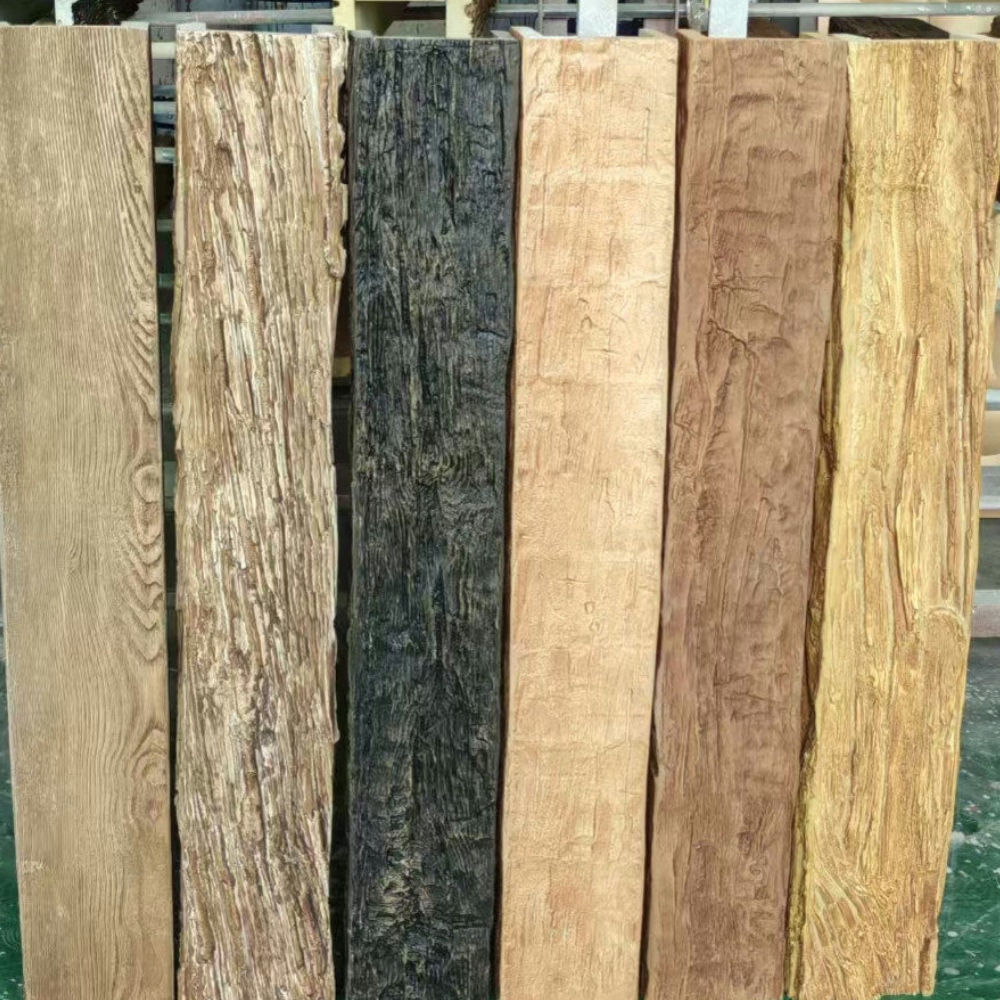
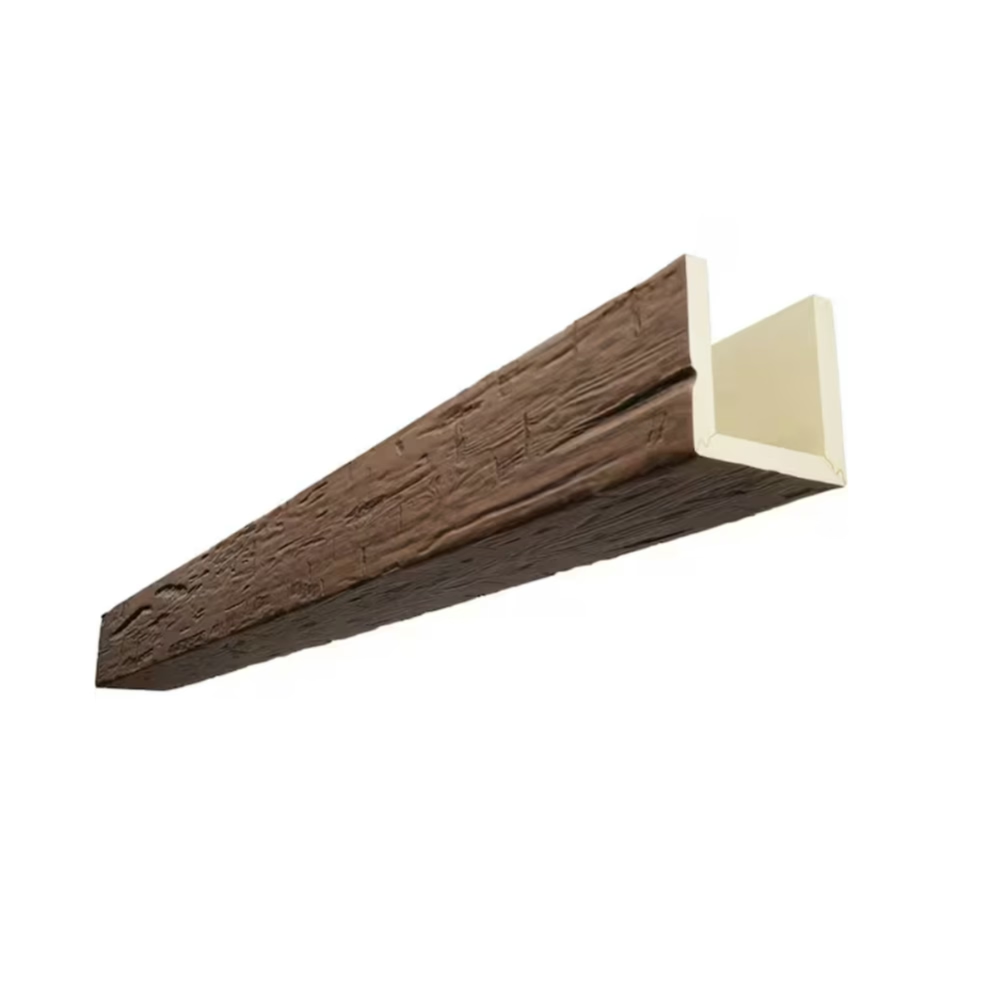
There's something undeniably appealing about spaces that tell a story through their materials. A weathered barn door, a century-old floorboard, or ceiling beams that have witnessed decades of life—these elements bring a sense of history and authenticity that modern construction materials often lack. For homeowners and designers pursuing this aesthetic, natural weathered finish PU faux wood beams offer an compelling solution that bridges the gap between visual charm and practical convenience.
The appeal of weathered wood in interior design goes beyond mere fashion. Spaces decorated with aged timber elements tend to feel warmer, more grounded, and genuinely lived-in. The subtle variations in tone, the gentle patina that develops over years of exposure—these characteristics create visual interest that synthetic materials simply cannot replicate. Yet the real challenges with authentic weathered timber have always been consistency, cost, and practicality. Each piece of genuine aged wood carries its own unique history, making matching across a room difficult. The weight of solid timber beams places significant structural demands on buildings. And sourcing authentic weathered wood suitable for interior use has become increasingly challenging as older structures are demolished or preserved.
Polyurethane faux wood beams address these concerns through innovative manufacturing techniques that capture the essence of natural aging. The production process begins with carefully crafted molds taken from genuine weathered timber, ensuring that every curve, crack, and characteristic mark finds its way into the synthetic reproduction. High-density polyurethane receives these impressions under precise temperature and pressure conditions, creating beams that mirror their natural counterparts with remarkable fidelity.
The specific appeal of a natural weathered finish lies in its versatility. Unlike distressed or artificially aged appearances, weathered wood presents a more subtle transformation. The surface retains recognizable wood grain patterns while developing the muted, silver-grey tones that only emerge through years of natural exposure. This gentle aging reads as sophisticated rather than deliberately shabby, appealing to those who appreciate the passage of time without wanting to create a deliberately neglected atmosphere.
Consider a 1970s-inspired living room where these beams might find their natural home. Picture exposed structural elements painted in warm, earthy tones—mustard yellows, burnt orange, and avocado green that defined that era's color palette. The weathered finish of the faux beams complements rather than competes with these colors, adding texture and visual weight without overwhelming the space. A low-profile sofa in burnt orange leather, a teak sideboard with sliding tambour doors, and floor lamps with conical shades complete the picture. The beams overhead tie everything together, their aged appearance suggesting they've always been there even though installation happened last week.
Beyond their visual characteristics, natural weathered finish PU beams offer installation advantages that transform project timelines. Traditional timber beams require at least two people for handling, often need specialized mounting hardware, and may necessitate structural reinforcement in older properties. Polyurethane alternatives weigh approximately 80% less than equivalent hardwood sections, meaning a single installer can complete what previously required a crew. The material accepts standard woodworking tools without special blades, and fastening methods range from adhesive bonding to mechanical brackets depending on the application and ceiling structure.
Durability represents another significant consideration for busy households. Authentic weathered timber, despite its aged appearance, continues to respond to environmental conditions. Humidity fluctuations cause expansion and contraction. Temperature changes create movement in the grain. Over time, genuine wood may develop new cracks, shed splinters, or experience surface degradation that requires attention. PU faux beams maintain their dimensions regardless of atmospheric conditions, their manufactured stability providing peace of mind that natural materials simply cannot offer. The surface resists moisture absorption, meaning these beams perform equally well in kitchens, bathrooms, and covered outdoor areas where genuine timber might eventually succumb to rot or insect activity.
The maintenance requirements for polyurethane beams further distinguish them from natural alternatives. Where weathered wood benefits from periodic cleaning, possible resealing, and ongoing vigilance for signs of deterioration, PU beams ask for little more than occasional dusting or wiping with a damp cloth. The color and texture remain consistent throughout the material's thickness, so any accidental damage reveals the same appearance rather than a raw, unfinished core. Minor scratches can often be addressed with fine sandpaper and a compatible touch-up coating, extending the beam's serviceable life indefinitely.
For commercial applications seeking retro rustic character, weathered finish faux beams open possibilities that natural timber simply cannot support. Restaurant interiors requiring regular cleaning regimens benefit from the moisture-resistant surface. Retail spaces where merchandise might accidentally contact walls and ceiling elements appreciate the dent-resistant composition. Hospitality venues where fire safety regulations apply find that many polyurethane options meet relevant flammability standards when properly specified. These practical considerations allow designers to pursue aesthetic goals without compromising operational requirements.
The environmental dimension of material selection increasingly influences purchasing decisions as well. While authentic weathered timber carries an obvious appeal, the reality of deforestation concerns and transportation carbon footprints complicates the picture. Polyurethane beams, despite their synthetic composition, often demonstrate favorable lifecycle characteristics. The lightweight nature reduces shipping emissions significantly. The long service life minimizes replacement frequency. And modern formulations increasingly incorporate recycled content, improving the environmental profile with each production cycle.
Selecting weathered finish beams for a specific project involves considering several practical factors. The room's existing ceiling height influences appropriate beam proportions—a standard eight-foot ceiling may feel overwhelmed by beams exceeding ten inches in depth, while higher ceilings accommodate more substantial sections without proportional concerns. The existing color palette should inform whether a cooler grey-weathered tone or a warmer brown-weathered option better complements surrounding materials. And the overall design intent—whether pursuing an authentically vintage appearance or a more contemporary interpretation of rustic aesthetics—shapes decisions about complementary elements like beam placement, spacing, and potential lighting integration.

The texture profile of natural weathered finish beams deserves particular attention during selection. Some manufacturers offer relatively smooth weathered surfaces that approximate the gentle aging of protected timber. Others provide more dramatic texturing that suggests prolonged exposure to elements—deeper checking in the grain, more pronounced edge wear, greater tonal variation across the surface. Understanding these distinctions helps ensure the chosen product aligns with the specific atmosphere being created.
Combining weathered finish beams with other design elements requires thoughtful integration. Reclaimed wood furniture in similar tones creates visual continuity when beams and furnishings share color families. Alternatively, contrasting materials like polished brass hardware, marble surfaces, or contemporary glass elements prevent the space from feeling excessively rustic. The weathered beam serves as a bridge between textures rather than dominating the entire palette, allowing other premium materials to shine while providing warmth and organic character.
Seasonal considerations affect how weathered beams perform and are perceived within spaces. During winter months when natural light diminishes and artificial lighting dominates, the subtle tonal variations in weathered surfaces catch illumination differently than highly polished alternatives. The soft, diffuse reflection from matte weathered surfaces creates a more intimate atmosphere conducive to gatherings and relaxation. Summer's abundant natural light reveals the full complexity of weathered textures, with each groove and valley casting its own micro-shadows as the sun tracks across the sky.
The investment value of quality polyurethane beams often surprises those unfamiliar with modern manufacturing. While premium faux wood products carry higher upfront costs than basic alternatives, the long-term economics frequently favor the better option. Lower installation labor costs due to reduced handling complexity. Minimal maintenance expenses over the product's extended lifespan. No requirement for ongoing treatments or protective coatings. And the retained appearance quality means these beams continue enhancing spaces long after cheaper alternatives might require replacement.
For those beginning their search for appropriate beams, requesting samples represents the most reliable approach to evaluation. Colors render differently across various screens, and textures need physical examination to assess quality accurately. Most reputable suppliers provide small samples at reasonable cost, allowing designers and homeowners to place the material against existing finishes before committing to larger quantities. This tactile evaluation reveals surface quality, color accuracy, and the all-important textural authenticity that distinguishes premium products from inferior reproductions.
The enduring appeal of weathered wood in interior design reflects something deeper than fashion trends. Human beings possess an innate connection to natural materials, responding positively to the irregularity and organic character that genuine wood provides. Weathered timber amplifies these qualities, suggesting accumulated stories and the gentle passage of time. PU faux wood beams capture these emotional responses through careful manufacturing while removing practical barriers that might otherwise prevent their use. The result is an accessible path to authentic-feeling spaces that honor both aesthetic aspirations and practical realities.
Technical References
ASTM standards cited in every specification
Test Data
Lab results from internal testing program
Updated 2026
Reviewed against current product specs