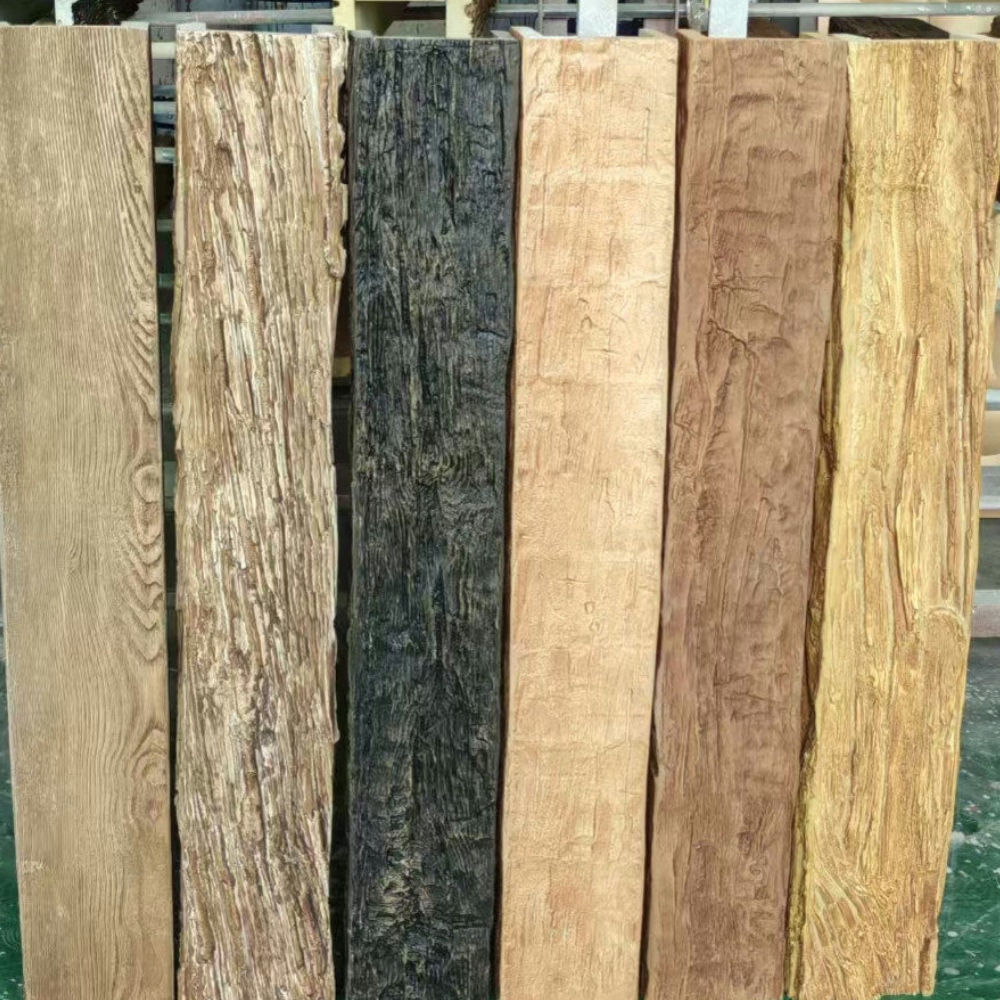
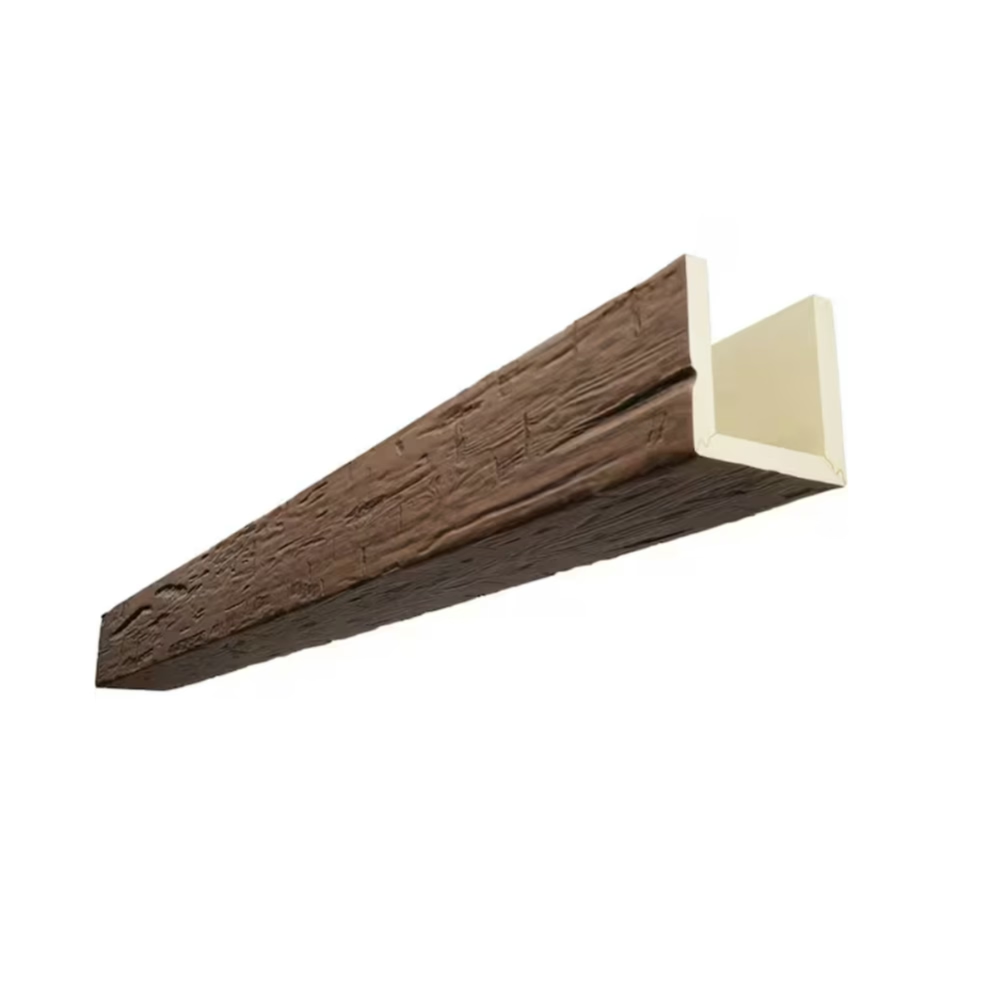
The global hospitality industry has long understood the emotional power of natural wood in creating spaces that feel luxurious, welcoming, and distinct from ordinary environments. Five-star resorts across tropical destinations invest substantially in timber construction, recognizing that organic materials trigger psychological responses that synthetic alternatives cannot match. Guests consistently rate wood-accented spaces higher in comfort and desirability, creating measurable business value that justifies premium material costs. Natural wood look faux beams make this resort-level aesthetic accessible to residential and commercial projects that cannot support genuine exotic timber construction but still seek the character that tropical wood provides.
The specific appeal of tropical wood species in resort design relates to both aesthetic and cultural associations. Exotic hardwoods like teak, mahogany, and acacia carry decades of luxury association through their use in fine furniture, yacht interiors, and premium construction. The rich color tones—ranging from honey-gold to deep chocolate brown—warm spaces against the intense tropical light that might otherwise create harsh, unwelcoming environments. And the distinctive grain patterns of these species create visual interest that neutral backgrounds alone cannot provide.
Traditional tropical construction often featured solid hardwood beams as structural or decorative elements, their massive scale communicating permanence and quality. Bali pavilions, Thai villas, and Polynesian fale all incorporated substantial timber members that defined interior volumes while establishing organic material presence. This architectural vocabulary has been replicated in resort properties worldwide, creating a global design language that travelers recognize and associate with luxury accommodation. Faux beams allow this vocabulary to be adopted without requiring the structural engineering, specialized labor, or ongoing maintenance that genuine tropical hardwood would demand.
The indoor-outdoor flow that defines tropical resort architecture creates specific requirements for ceiling treatments. Large openings, sliding walls, and generous overhangs blur boundaries between interior and exterior spaces, requiring ceiling elements that read convincingly from both inside and outside vantage points. Faux beams perform this transitional function effectively, their material appearance appropriate whether viewed from the air-conditioned living room within or the shaded terrace beyond. This versatility simplifies design coordination for projects seeking seamless indoor-outdoor integration.
Consider a residential project on the California coast where the clients sought to capture tropical resort atmosphere without traveling to Southeast Asia. Their property featured Mediterranean styling that provided the basic architectural framework—stucco walls, terracotta accents, and arched openings that referenced Spanish Colonial traditions. The addition of natural wood look faux beams in a teak-inspired finish transformed the aesthetic, introducing the warm tropical character that completed the resort-inspired vision. The result felt neither forced nor derivative, successfully translating Asian resort influences into a Western architectural context.
Climate considerations influence tropical beam selection even in non-tropical settings. Radiant floor heating, air conditioning systems, and variable humidity levels create environmental conditions that affect material performance. Genuine tropical hardwoods, adapted to consistent humidity in their native environments, may respond unpredictably to these fluctuations—expanding, contracting, or developing surface checking that requires attention. Polyurethane's dimensional stability eliminates these concerns, maintaining consistent appearance regardless of HVAC operation or seasonal humidity changes.
The maintenance advantages of faux tropical beams prove particularly valuable in resort and hospitality contexts where appearance directly impacts guest satisfaction and brand perception. Housekeeping departments can clean beam surfaces without specialized training or products. Management can schedule cleaning alongside regular room preparation without concern for delicate finish requirements. And the absence of splintering, cracking, or decay ensures that beam appearance remains consistent from installation through eventual replacement. These operational benefits translate directly to reduced labor costs and improved guest experience.
Lighting design for tropical-themed spaces should emphasize the warm color temperatures that complement rich wood tones. Sources in the 2700-3000K range enhance honey and amber tones present in many tropical wood reproductions. Fixtures positioned to wash light across beam surfaces reveal grain patterns and create the dimensional quality that distinguishes authentic-looking timber. Indirect lighting systems concealed behind beam elements create ambient glow that emphasizes the organic character of overhead wood without visible fixture intrusion.
Furniture and furnishings in tropical resort spaces should echo the material palette established by beam installations. Upholstery in natural linens and cotton provides textural contrast to wood surfaces. Accent pieces in complementary wood species or woven natural materials reinforce the organic material vocabulary. Metals, where used, should trend toward warm brass or bronze rather than cool chrome or nickel, maintaining the overall warmth that tropical aesthetics require. This coordinated approach creates spaces where beams feel like natural components rather than isolated additions.
The investment calculus for tropical faux beams favors synthetic alternatives for most applications. Genuine teak and mahogany command premium prices that reflect their durability, beauty, and limited supply. Beyond material cost, installation of genuine hardwood beams often requires structural engineering, specialized lifting equipment, and skilled craftsmen familiar with hardwood work. Faux beams eliminate these additional expenses while providing appearances that satisfy all but the most discriminating observers. The savings can be substantial—often enough to upgrade other design elements that guests will notice and appreciate.
Window placement in tropical spaces typically maximizes views and natural light while providing shade from intense sun exposure. The interplay between beams and windows creates specific opportunities for visual interest as light rakes across wood surfaces and casts shadows into grain patterns. Strategic window positioning can dramatize this interplay, using natural light as a design element that animates beam surfaces throughout the day. This dynamic quality distinguishes wood-look beams from static alternatives that offer no such temporal variation.
Outdoor and covered area applications of tropical faux beams deserve particular attention in residential and hospitality projects seeking comprehensive design coherence. Poolside pavilions, outdoor bars, and garden dining spaces often benefit from the same tropical character that interior beams provide. Polyurethane's resistance to moisture, UV exposure, and salt air makes these outdoor installations practical in ways that genuine hardwood cannot guarantee. The ability to use consistent beam appearance throughout a property creates visual unity that enhances the overall resort atmosphere.
The global supply chain for tropical wood has grown increasingly complex as sustainability concerns and export restrictions limit availability of premium species. This uncertainty creates risk for projects depending on genuine tropical hardwood—delays, substitutions, or price volatility that disrupt budgets and timelines. Faux beams, produced from domestically manufactured polyurethane, offer reliable availability and consistent pricing that project planning requires. This supply security often proves as valuable as the cost savings that faux beams provide.
Guest feedback in hospitality contexts consistently confirms the value that wood-look elements contribute to overall satisfaction. Post-stay surveys and review platforms reveal that guests notice and appreciate authentic-feeling materials, rating wood-accented rooms higher than equivalent spaces with obvious synthetic alternatives. This measurable impact on guest perception translates directly to improved review scores, increased repeat visitation, and stronger brand differentiation—outcomes that justify the investment in quality beam appearance regardless of whether genuine or synthetic materials are specified.
For residential projects seeking tropical resort atmosphere, faux beams offer a starting point that other design elements can amplify. Textile choices in natural, breathable materials reinforce the casual luxury that tropical resorts project. Lighting in warm color temperatures and organic fixture styles establishes evening atmosphere that feels appropriately relaxed. And artwork and accessories referencing ocean, garden, or cultural themes complete the transformation, creating spaces where homeowners can experience resort-quality atmosphere without leaving home.
The enduring appeal of tropical resort aesthetics reflects universal human desires for relaxation, escape, and connection with natural beauty. By making exotic wood character accessible through practical faux beam alternatives, design professionals can satisfy these desires more broadly than authentic construction could ever support. The result is more spaces experiencing the comfort and pleasure that tropical timber provides, extending resort-quality living to properties and populations that genuine hardwood's limitations would otherwise exclude.

Technical References
ASTM standards cited in every specification
Test Data
Lab results from internal testing program
Updated 2026
Reviewed against current product specs