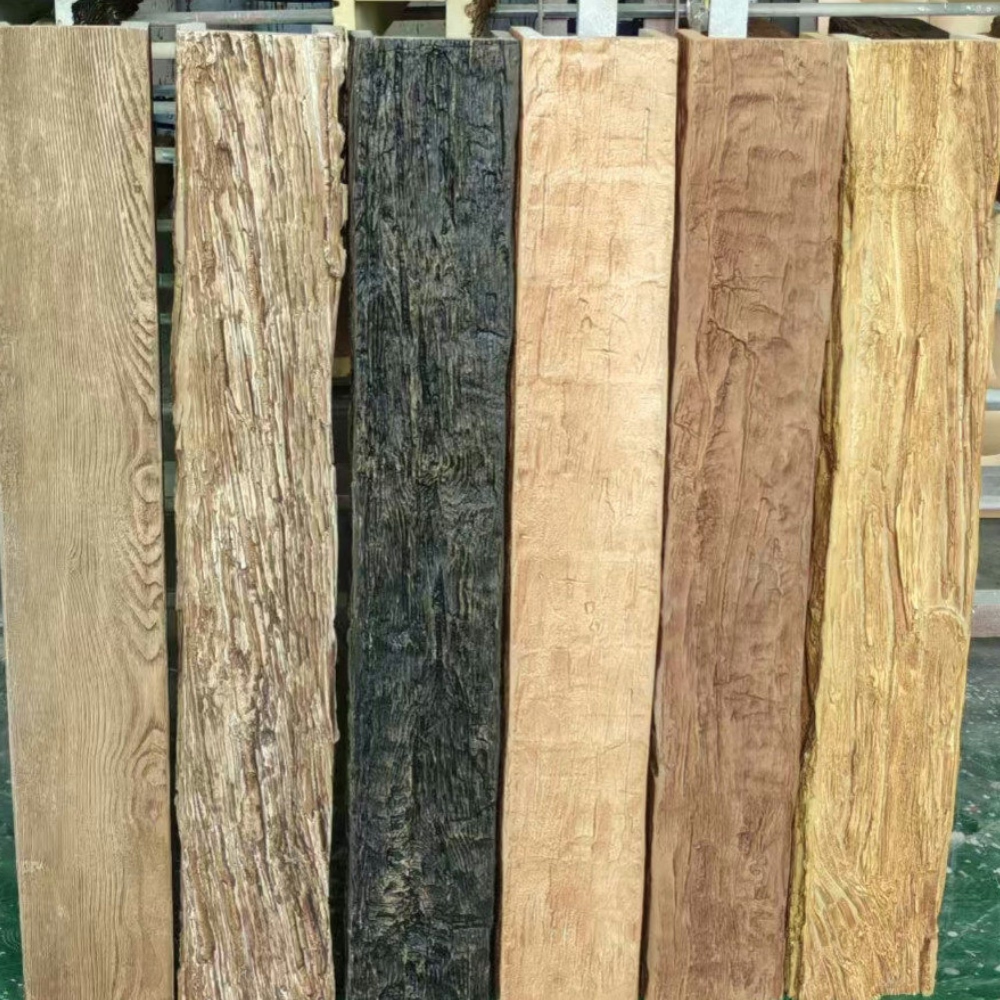
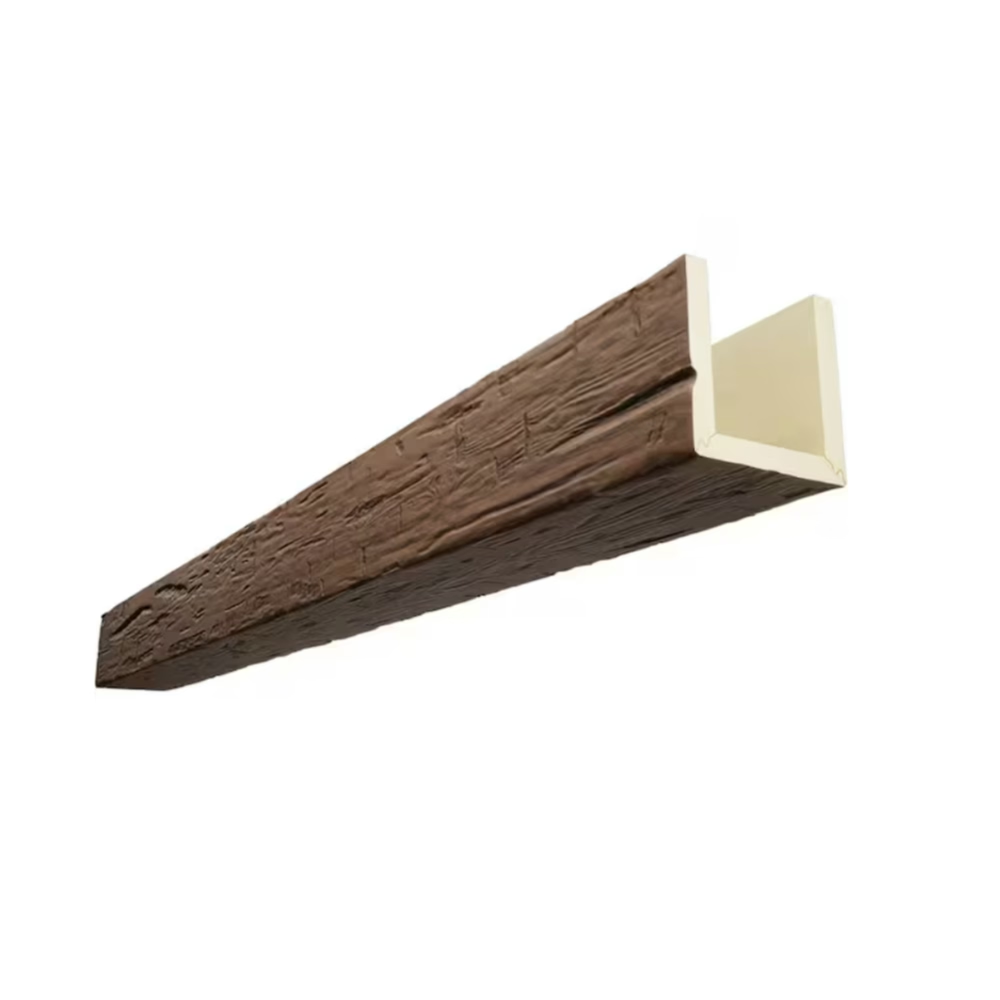
Modern minimalism presents designers with a fascinating challenge: how to create spaces that feel warm and human despite their emphasis on reduction, restraint, and geometric purity. The movement's core principles—eliminating the unnecessary, celebrating essential forms, and creating order through careful editing—can produce interiors of austere beauty but risk becoming cold, unwelcoming, or simply uncomfortable for daily habitation. The solution often lies in introducing organic texture and subtle warmth through carefully selected materials that honor minimalism's principles while preventing spaces from becoming sterile. Neutral weathered grey PU faux beams serve this purpose elegantly, providing organic character without disrupting the refined simplicity that defines successful minimalist interiors.
The appeal of weathered grey in minimalist contexts relates to how the color operates as a sophisticated neutral. Unlike pure grey, which can feel stark and institutional, weathered grey carries subtle warmth and organic variation that suggests natural aging processes. This quality aligns with minimalist objectives of celebrating authenticity and honesty—weathered surfaces honestly represent the passage of time in ways that artificially pristine alternatives do not. The color's restraint also ensures that beam installations enhance rather than dominate minimalist compositions.
Minimalist design philosophy typically emerges from specific cultural and philosophical contexts, with Japanese aesthetic traditions providing particularly influential precedents. Concepts like wabi-sabi, which finds beauty in imperfection and impermanence, resonate strongly with weathered materials that show the marks of age and use. The weathered grey beam becomes, in this context, a celebration of natural processes rather than merely a practical compromise. This philosophical dimension adds meaning to material selections that might otherwise seem purely aesthetic.
The grain texture that weathered grey beams display contributes warmth that extends beyond visual appearance. Human tactile sensibilities respond positively to the subtle irregularities that wood grain provides, even when the grain is reproduced in manufactured materials. This haptic dimension matters in minimalist spaces where inhabitants often interact with surfaces at close range. The texture provides something to focus on, something to touch, something to notice during moments of quiet attention. Without such tactile interest, minimalist surfaces can feel uncomfortably smooth and artificial.
Consider a minimalist apartment where the residents sought to create a meditation space within their otherwise functional home. The design concept centered on reduction—eliminating everything that did not serve contemplative purpose. But the stark white walls and concrete floors that reduction produced felt clinical rather than peaceful. Weathered grey beams across the ceiling introduced exactly the warmth the space needed: subtle enough to avoid distraction, organic enough to prevent sterility. The resulting meditation corner felt genuinely calm, neither cold nor cluttered, appropriate for the quiet attention its users sought.
The scale of weathered grey beams in minimalist interiors should err toward restraint rather than drama. Minimalism values proportion and balance over boldness and statement. Beams that appear overly substantial may overwhelm the refined proportions that minimalist design typically establishes. Modest beam proportions—six to eight inches in depth for typical ceiling heights—provide presence without assertion, texture without drama. This restraint aligns with minimalist philosophy while achieving the organic warmth the style requires.
Material combinations in minimalist spaces with weathered grey beams should maintain the overall refinement that defines the style. Smooth plaster walls in light neutral tones provide backgrounds that allow beams to contribute texture without competition. Upholstery in high-quality neutral textiles—linen, cotton, cashmere—reinforces the refined aesthetic. Furniture with clean lines and minimal ornamentation honors the design vocabulary that beams support. Every element should feel intentional and essential, which is precisely what minimalism celebrates.
The lighting approach in minimalist spaces with weathered grey beams should emphasize the subtle qualities that make the combination successful. Natural light from carefully positioned windows reveals the texture and tonal variation that weathered surfaces display. Artificial lighting should maintain this natural quality through warm color temperatures and appropriate fixture selection. The goal is illumination that seems inevitable rather than designed, revealing rather than manipulating.
The relationship between weathered grey beams and other organic elements in minimalist spaces creates synergies that enhance both. Living plants bring color and movement that complement the subtle warmth beams provide. Natural stone surfaces in complementary greys create material continuity. And textiles in natural fibers extend the organic vocabulary established by beams. These combinations create holistic environments where every element feels connected to every other, which is precisely the coherence that successful minimalist design achieves.
The psychological effects of minimalist spaces with organic elements deserve consideration in applications ranging from homes to offices to healthcare environments. Research consistently demonstrates that spaces with natural material references promote calm, reduce stress, and support cognitive function better than equivalent spaces without such elements. Weathered grey beams provide these benefits within minimalist contexts, allowing projects to achieve minimalist aesthetics while maintaining the human connection that natural materials provide.
Maintenance considerations for weathered grey beams align well with minimalist living priorities. The manufactured surface requires no special care, only occasional dusting or cleaning that minimalist households typically perform as part of regular tidying. The neutral grey coloration proves forgiving regarding minor soiling that might show on lighter surfaces. And the dimensional stability of polyurethane means that beams maintain their appearance indefinitely without adjustment or repair.
The investment perspective on weathered grey beams for minimalist interiors reflects the combination of aesthetic impact and practical value. The subtle contribution these beams make may seem modest compared to more dramatic alternatives, but the warmth and character they introduce often distinguishes merely minimal spaces from genuinely successful ones. The cost of beams should be evaluated against the transformation they achieve, which can be substantial even when the visual change appears subtle.
Specifier selection among weathered grey beam options should verify that the specific product achieves the refined appearance that minimalist contexts require. Not all grey beams present the sophisticated, subtle character that works in minimalist applications—some may be too dark, too textured, or too assertive for refined interiors. Physical sample evaluation under actual lighting conditions provides essential verification that catalog images cannot offer.
The longevity of weathered grey beams in minimalist interiors relates to the timeless quality of both weathered materials and minimalist aesthetics. Neither weathered surfaces nor minimalist design are likely to feel dated as design fashion evolves. Spaces finished with these elements will remain appropriate and appreciated regardless of how tastes change. This temporal resilience makes weathered grey beam specifications particularly appropriate for long-term investments.
The philosophical dimension of introducing natural materials into minimalist spaces deserves final consideration. Minimalism, at its best, represents not mere aesthetic preference but a stance toward consumption, accumulation, and the meaning we derive from material possessions. By choosing a few beautiful, authentic elements—like weathered grey beams that genuinely add warmth to spaces—minimalism becomes a practice of thoughtful selection rather than arbitrary restriction. The beams, in this context, become meaningful precisely because their contribution is subtle yet essential.

Technical References
ASTM standards cited in every specification
Test Data
Lab results from internal testing program
Updated 2026
Reviewed against current product specs