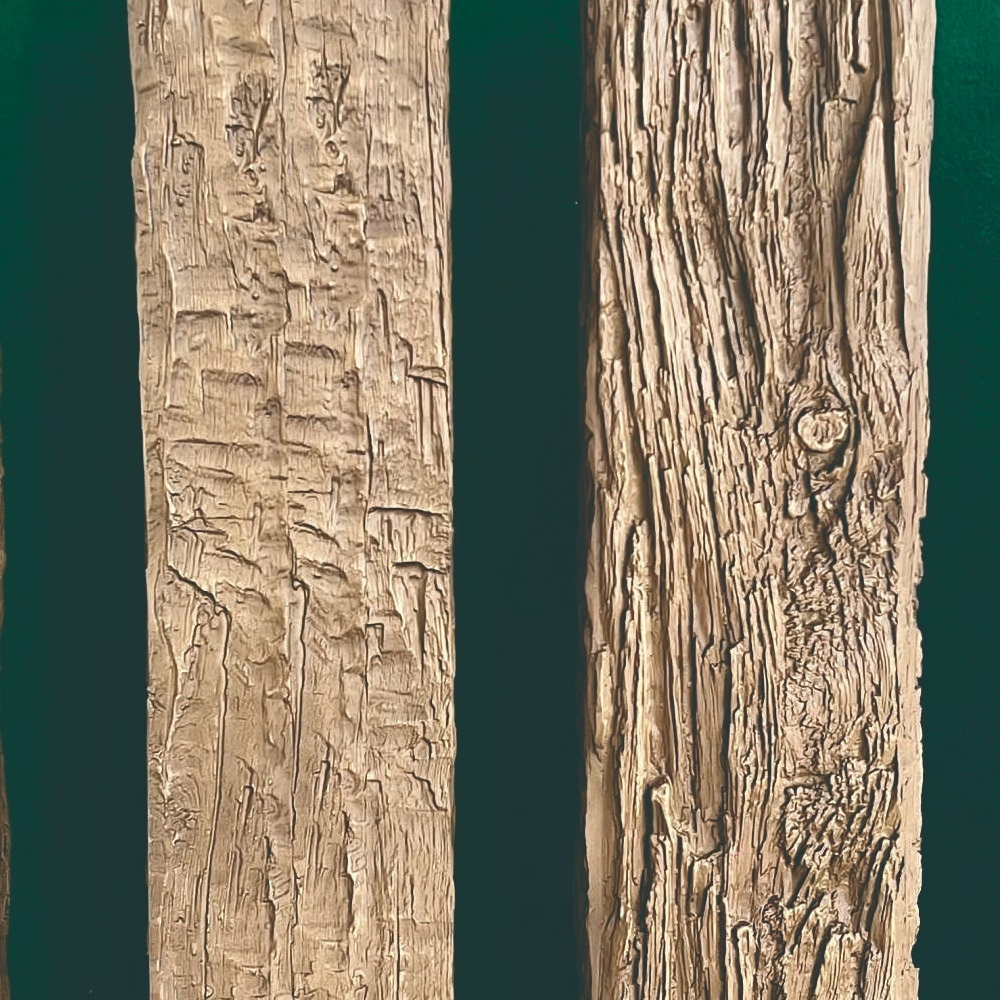
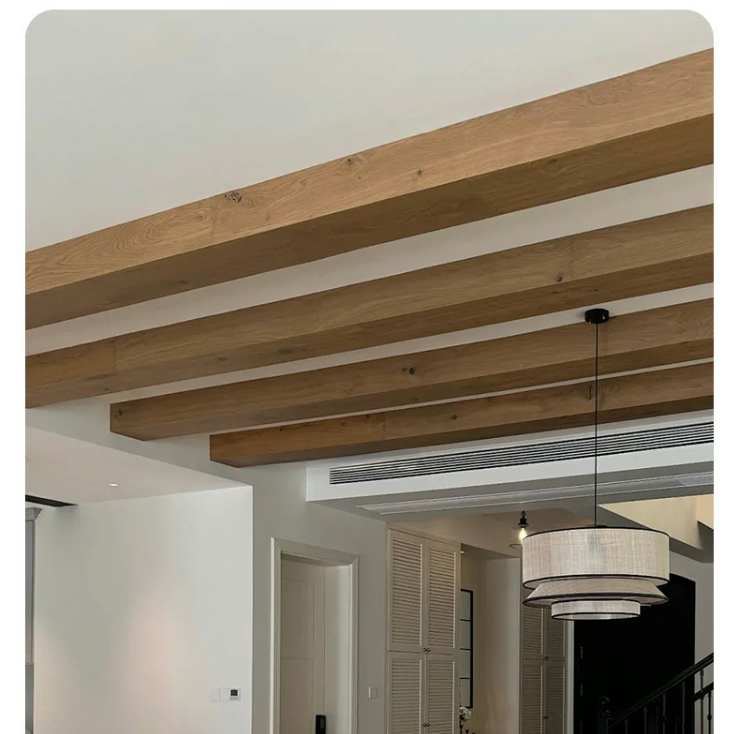
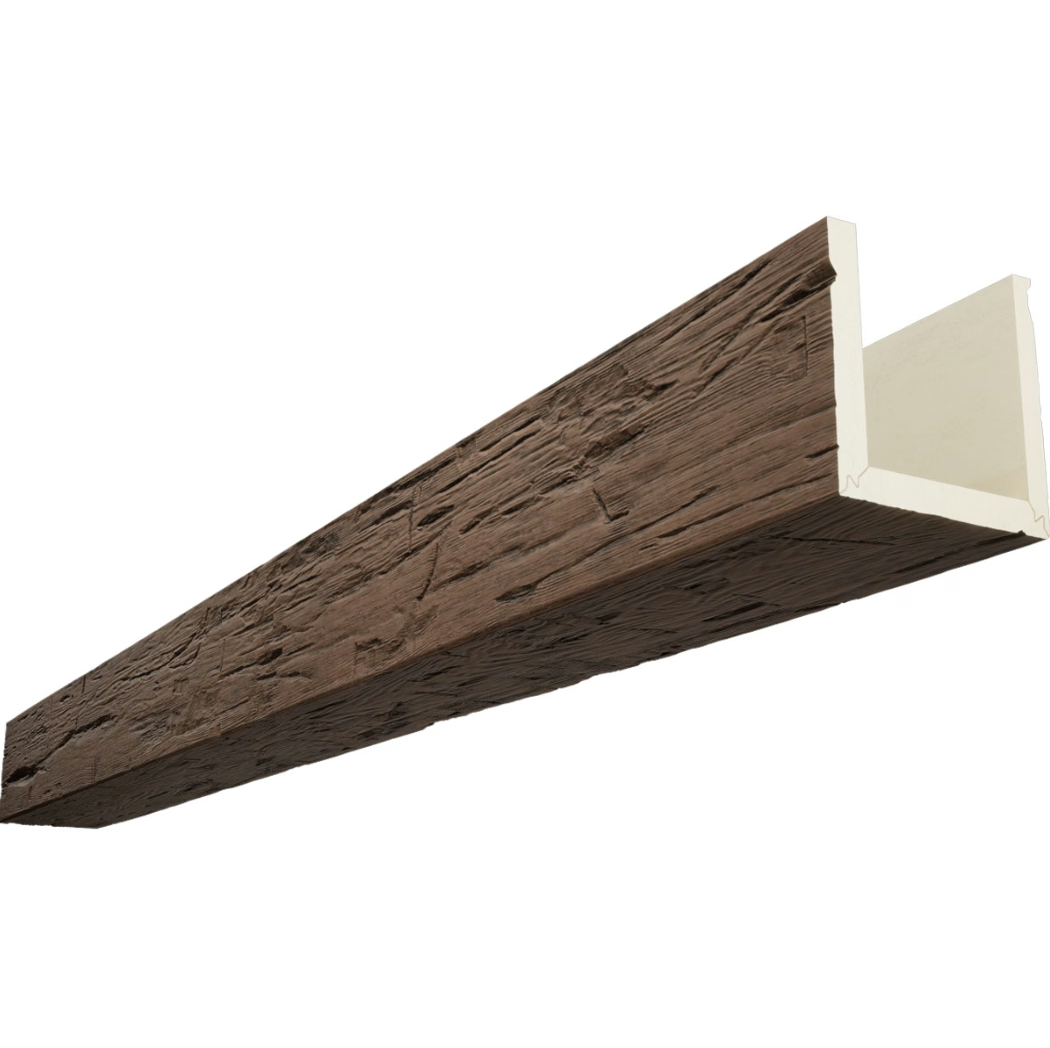
The design vocabulary of wood grain aesthetics extends far beyond the standard rectangular profiles that dominate conventional beam offerings. Architects working toward distinctive projects often find themselves constrained by available product dimensions, compromising their vision to match catalog specifications. Custom cross-section OEM designs for PU faux wood beams remove these constraints, enabling the precise dimensional control that premium projects demand while preserving all the practical advantages of polyurethane construction.
Original Equipment Manufacturing relationships with beam producers unlock profile possibilities that mass-produced alternatives cannot match. Whether the design calls for octagonal ceiling beams, elliptical accent pieces, or complex multi-part assemblies, custom tooling development creates manufacturing capability matched to project requirements. The investment in bespoke tooling amortizes across project quantities while delivering results that stand apart from generic alternatives.
Engineering Bespoke Cross-Section Geometries
Traditional wood milling produces standard shapes efficiently but struggles with complex profiles requiring multiple setup changes or specialized tooling. Polyurethane molding sidesteps these limitations by accepting intricate surface details and compound curves within single tooling investments. The process captures fine textural details like authentic wood grain while maintaining precise dimensional tolerances throughout production runs.
Load requirements factor into cross-section design even when beams serve purely decorative purposes. Internal webbing, wall thicknesses, and fastening provisions must accommodate installation stresses without visible deformation over time. Engineering consultation during the design phase ensures that aesthetic ambitions align with structural requirements, preventing costly modifications during installation.
Maximum dimensions depend on manufacturing capabilities, shipping constraints, and handling considerations at the installation site. Complex profiles often benefit from modular assembly approaches where multiple pieces join invisibly to achieve spans that single units cannot accommodate. This strategy maintains manageable weights while enabling dramatic visual presentations across large commercial spaces.
Surface finish options expand with custom designs, including embossed textures, integrated lighting channels, and pre-finished mounting provisions. These value-added features eliminate on-site modification requirements while ensuring consistent quality across entire installations. The one-pass installation process reduces labor costs and minimizes disruption to surrounding finishes.
Industry Applications Driving Custom Demand
Hospitality design projects prioritize unique guest experiences that memorable spaces create. Custom beam profiles contribute to distinctive restaurant identities, hotel lobbies, and entertainment venues where guests consciously or unconsciously register the special quality of architectural detailing. Standard beam products cannot deliver this differentiation, making custom OEM approaches essential for brands competing on experiential value.
Retail environments increasingly incorporate residential-scale comfort elements to soften commercial transactions. Custom beams help create wayfinding zones, brand-expression areas, and rest spaces within larger retail footprints. The psychological warmth of wood aesthetics complements merchandise presentation while encouraging extended browsing time that increases purchase conversion rates.
Corporate headquarters use architectural detailing to reinforce brand values and corporate culture messaging. Custom beam installations in executive meeting spaces, client reception areas, and employee commons communicate organizational identity through material quality and design sophistication. The investment signals seriousness about workspace quality that supports talent attraction and retention objectives.
Healthcare facilities balance infection control requirements with patient comfort priorities. Custom PU beams contribute to healing environments without the moisture retention, cleaning difficulties, or maintenance demands that natural materials introduce. The non-porous surfaces support rigorous sanitation protocols while maintaining the visual warmth that reduces patient anxiety.

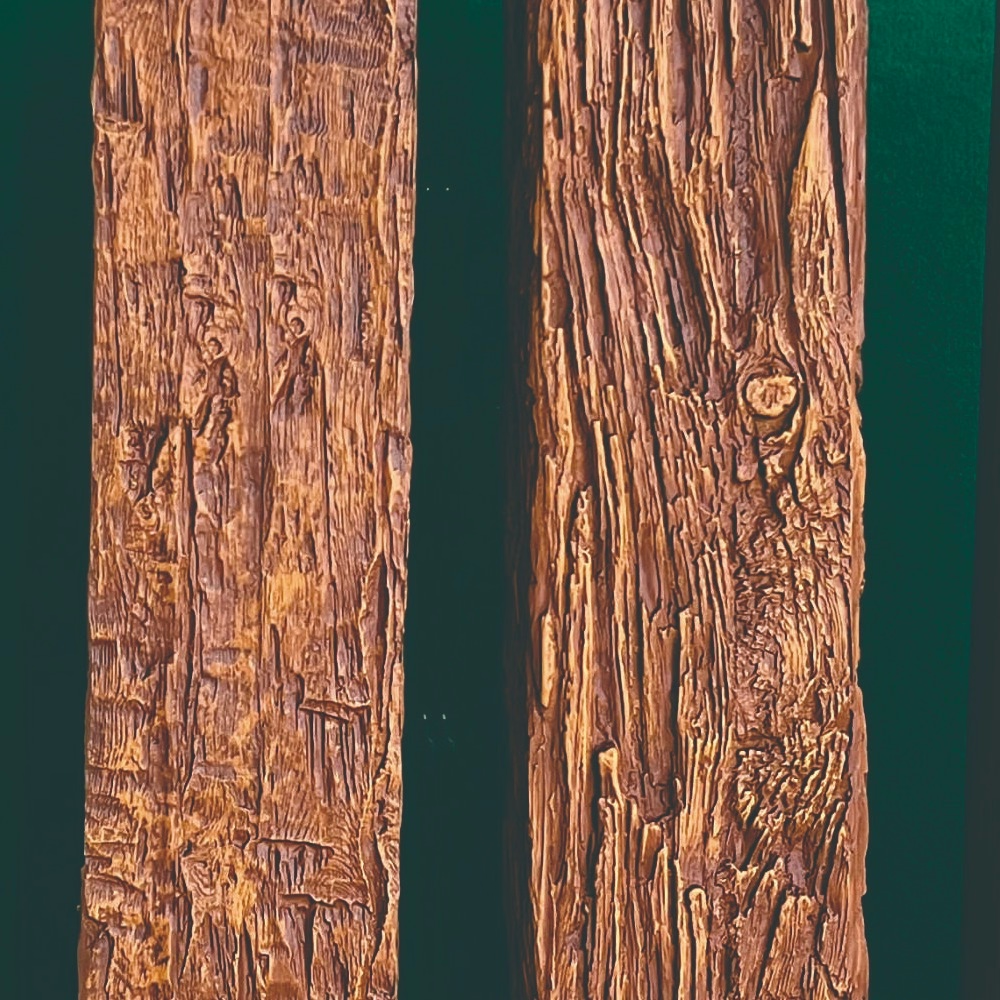
The OEM Partnership Process
Successful custom beam projects begin with clear communication between design intent and manufacturing capability. Initial consultations explore dimensional envelopes, visual characteristics, and production quantities that inform tooling investment decisions. Producers with extensive OEM experience guide clients toward achievable outcomes that maximize design impact while respecting production realities.
Technical drawings establish exact specifications for cross-section geometry, surface treatment, and connection provisions. Three-dimensional modeling allows virtual verification of visual impact before tooling commitment. Prototyping services produce limited samples for physical evaluation, color matching, and installation testing before full production authorization.
Material selection influences both aesthetic qualities and functional performance. Different polyurethane formulations offer varying densities, impact resistance levels, and thermal properties. The appropriate specification depends on installation conditions, structural requirements, and budget parameters that vary across project types. Experienced OEM partners guide these selections based on established performance data.
Production scheduling must coordinate with broader project timelines that often involve extended lead times for tooling fabrication and initial production runs. Early engagement with manufacturing partners establishes realistic delivery schedules that integrate smoothly with overall project planning. Rush services typically incur premium pricing that careful scheduling can avoid.
Cost-Benefit Analysis for Custom Specifications
Tooling investment constitutes the primary cost consideration for custom cross-section designs. Complex profiles require sophisticated molds with corresponding expense. However, tooling costs spread across production volumes, making per-unit economics increasingly favorable as quantities increase. Volume projects often achieve cost parity with premium standard products while delivering superior design differentiation.
Design value extends beyond initial installation through reduced need for supplementary decorative elements. Custom beams serve as complete architectural statements rather than requiring accessory components to achieve visual impact. The consolidated approach often produces net savings when full system costs compare against multiple simpler components achieving similar results.
Timeline efficiencies from custom fabrication reduce overall project costs through compressed schedules. Standard products frequently require site modification to fit conditions that custom dimensions accommodate directly. The elimination of cutting, filling, and touch-up work reduces labor costs while improving final quality and reducing punch-list items.
Long-term value includes the extended service life that quality custom fabrication provides. Precision manufacturing produces consistent results across production runs, ensuring that future expansion or replacement matches original installations perfectly. This consistency supports facility maintenance planning and preserves design integrity across building lifecycles.
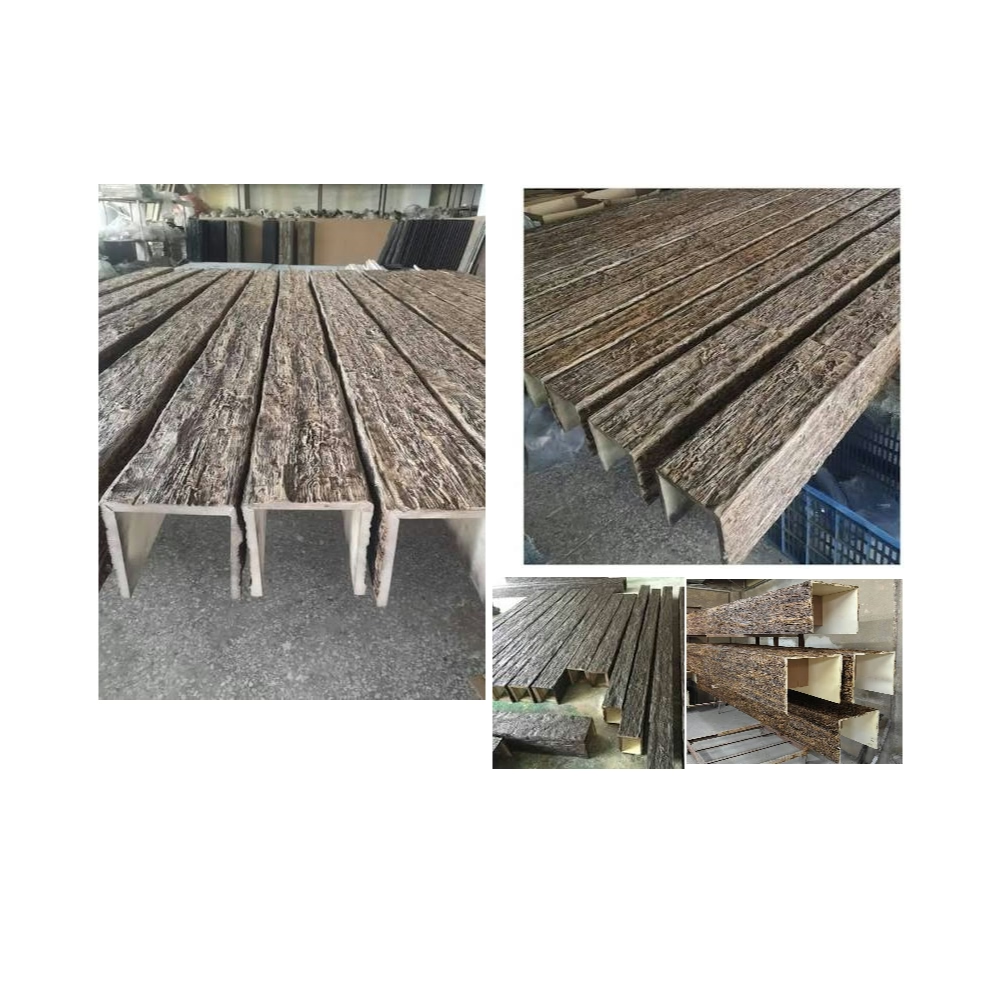
Quality Assurance in Custom Production
Dimensional verification confirms that produced beams match approved specifications within tolerance bands that ensure proper fit during installation. Quality protocols include measurement sampling, visual inspection, and functional testing of fastening provisions. Deviations identified during production trigger process adjustments that prevent defect accumulation.
Finish consistency across production runs requires careful color management and application control. Custom stain matching ensures that replacement beams blend seamlessly with original installations, critical for facilities that expand or modify spaces over time. Proper documentation of finish specifications enables accurate reproduction years after initial installation.
Packaging and shipping protection prevents transit damage that would delay installation schedules. Custom foam inserts, reinforced crating, and careful handling instructions protect investment value through distribution channels. Professional OEM partners coordinate logistics that preserve product quality while meeting delivery deadlines.
Installation documentation provides contractors with clear guidance for proper assembly and attachment. Custom beam configurations often involve unique connection details that require specific preparation or hardware. Complete documentation prevents installation errors that would compromise appearance or structural performance.

Technical References
ASTM standards cited in every specification
Test Data
Lab results from internal testing program
Updated 2026
Reviewed against current product specs