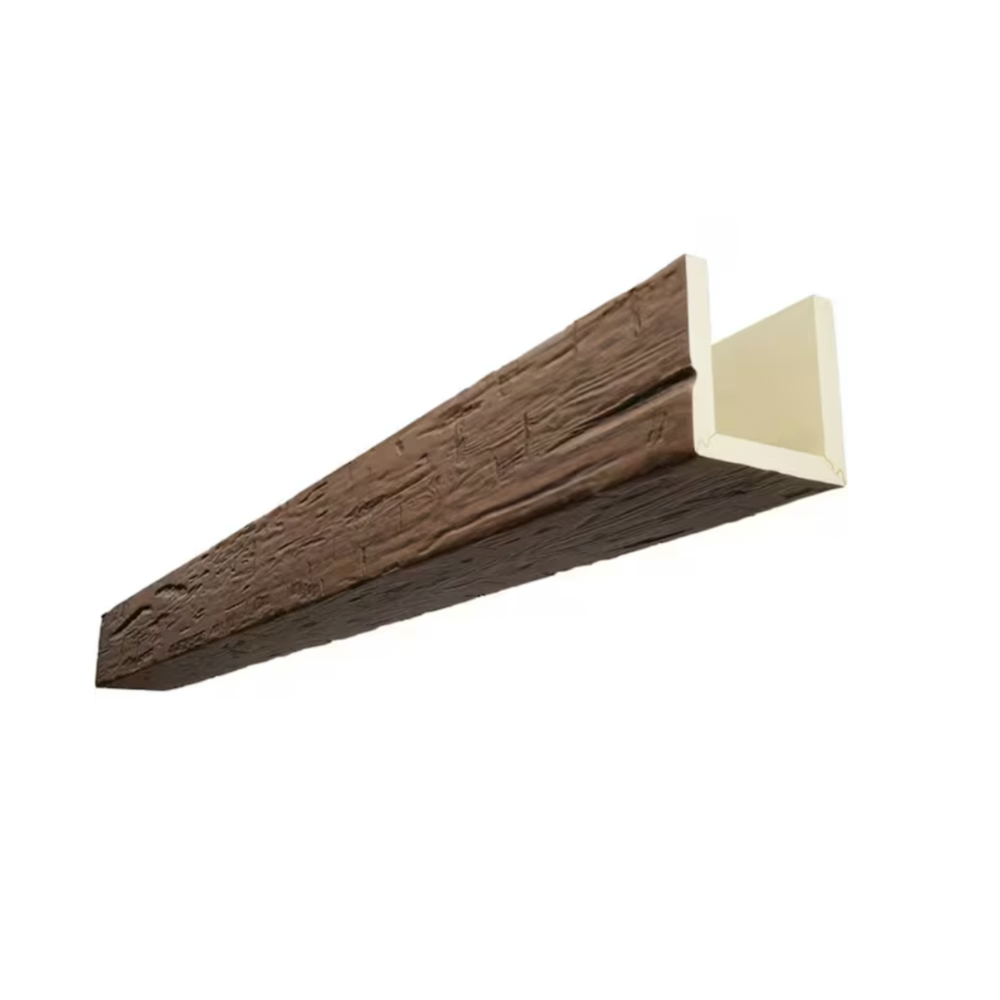
Modern interior design continues evolving toward spaces that balance aesthetic warmth with functional pragmatism. Clean lines and minimal ornamentation define contemporary sensibilities, yet the human connection to natural materials persists as a powerful design influence. Next-generation high-simulation PU faux wood beams address this tension, providing wood's visual and tactile appeal within the framework of contemporary design values. The latest manufacturing advances produce results that blur the boundary between simulation and authenticity more convincingly than ever before.
The evolution from early faux wood products to current high-simulation offerings represents decades of materials research and manufacturing refinement. Early attempts at wood simulation often appeared obviously artificial, with flat colorations, repetitive grain patterns, and unconvincing surface textures. Modern high-simulation techniques capture the complexity and variation that makes natural wood so visually engaging, creating products that satisfy even discerning observers at close inspection.
Advances in Surface Simulation Technology
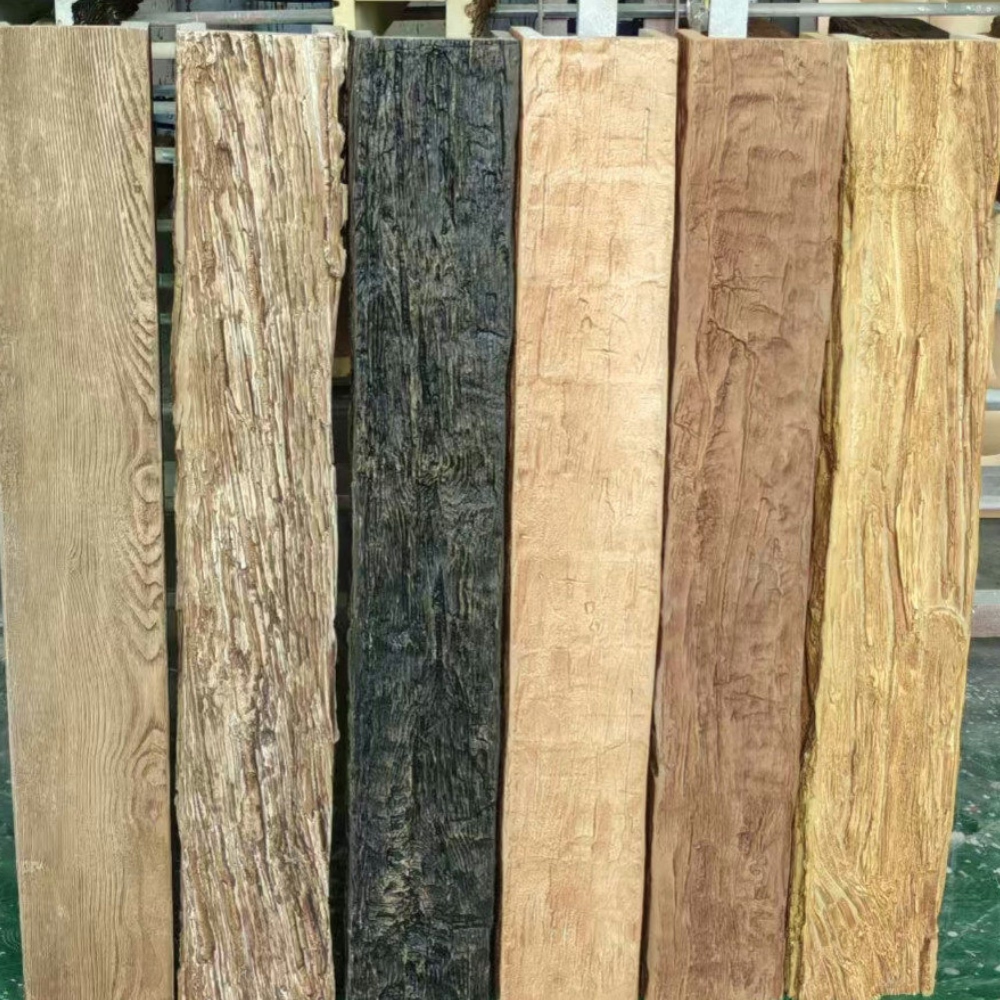
Contemporary PU beam manufacturing employs multi-layer texturing processes that replicate the complex surface characteristics of authentic wood. Initial molding captures macro-scale features including grain direction, growth rings, and natural irregularities. Subsequent processing adds micro-scale texture that responds to lighting like genuine wood surfaces, eliminating the plastic sheen that betrayed earlier faux products.
Color application now utilizes advanced pigmentation systems that penetrate beyond surface coatings into the material structure. This depth of coloration creates depth perception when viewing beam surfaces, contributing to three-dimensional authenticity that surface painting cannot achieve. Color variation across individual beams mirrors the natural inconsistency of standing timber converted into lumber, preventing the monotonous appearance of uniformly colored alternatives.
Relief carving reproduces the distinctive patterns that wood develops over decades of aging and use. Saw blade marks, weathering patterns, and tool impressions transfer from aged wood specimens into production tooling with remarkable fidelity. The resulting surfaces reward close examination, revealing details that reward attention rather than collapsing into abstraction at any viewing distance.
Tactile authenticity receives attention alongside visual simulation. Surface hardness, temperature response, and texture under fingertips all influence perception of material authenticity. Next-generation PU formulations produce surfaces that feel substantial and responsive, contributing to the overall impression of quality construction even before visual inspection confirms the effect.

Integration with Contemporary Design Movements
Scandinavian design principles emphasize natural materials, functional beauty, and craftsmanship quality. High-simulation PU beams align perfectly with these values, offering the warmth of wood without the maintenance demands or environmental concerns associated with harvesting old-growth timber. The material accepts Scandinavian-appropriate finishes including natural oils, white washes, and muted earth tones.
Industrial loft aesthetics draw heavily on reclaimed wood elements to soften exposed structural systems. Next-generation beams provide the authentic appearance that industrial design requires without the structural complications or pest concerns that reclaimed materials sometimes introduce. Designers specify PU beams for loft conversions where building codes or structural assessments limit the use of actual reclaimed timber.
Japandi style merges Japanese and Scandinavian influences into a distinctive contemporary approach emphasizing clean forms, natural materials, and serene atmospheres. Beam installations contribute horizontal visual elements that ground Japandi spaces without overwhelming the restrained aesthetic. The flexibility of custom finishing enables perfect coordination with Japandi color palettes and material combinations.
Mid-century modern revival continues influencing residential design with its characteristic appreciation for wood grain and honest material expression. Contemporary reproductions of period beam details benefit from both authentic styling and modern performance characteristics. The combination satisfies purists who appreciate period accuracy while accommodating practical requirements for durability and maintenance simplicity.
Performance Characteristics for Demanding Applications
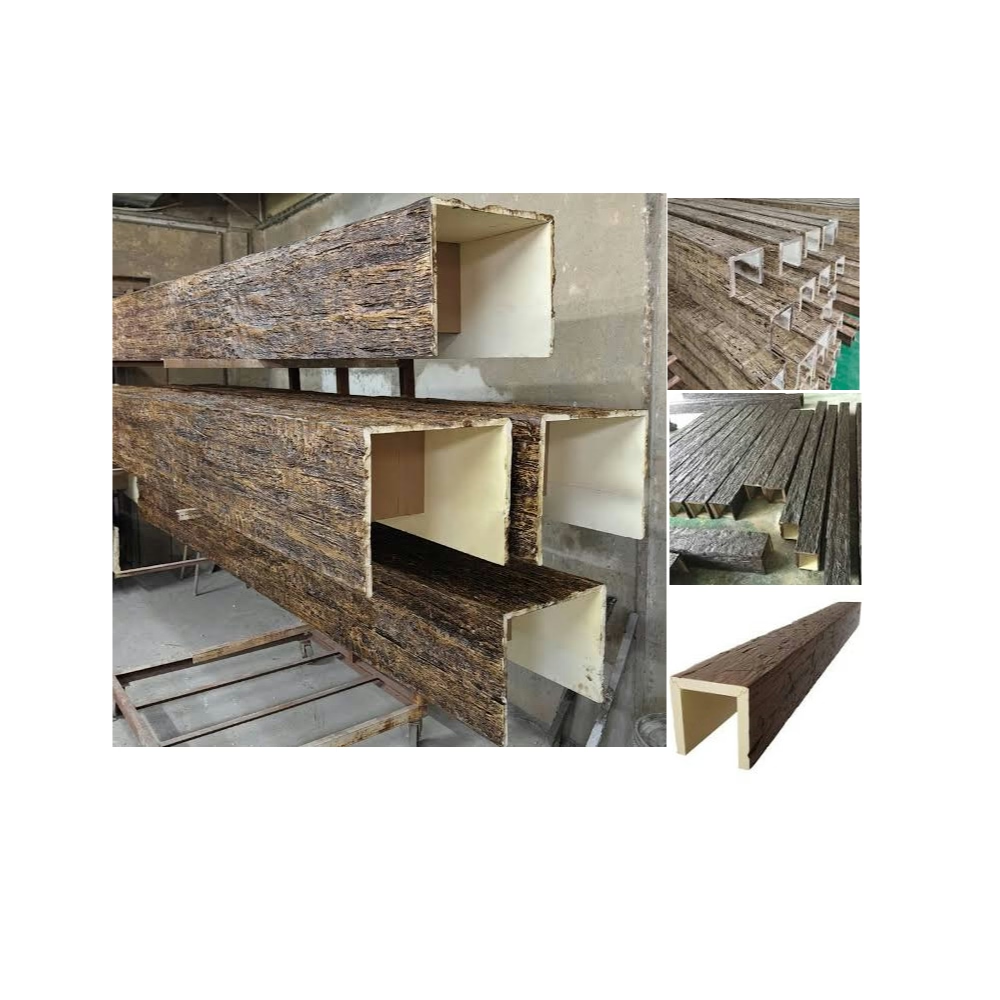
Commercial interiors experience wear patterns that residential products cannot accommodate. High-simulation PU beams for commercial applications incorporate enhanced impact resistance, UV stabilization, and cleaning compatibility that standard products lack. These performance enhancements preserve authentic appearance through years of commercial use without visible degradation.
Hospitality environments present particular challenges including high humidity, temperature fluctuation, and intensive cleaning protocols. Next-generation formulations resist moisture absorption while accepting commercial cleaning agents without surface damage. The combination enables authentic wood aesthetics in pool areas, spa facilities, and other demanding hospitality zones where natural materials struggle.
Educational facilities benefit from the durability and safety characteristics that high-simulation PU provides. Impact resistance prevents damage from accidental contact while the lightweight construction eliminates hazards associated with heavy falling objects. Maintenance simplicity supports educational budget constraints without sacrificing the warm aesthetic that promotes productive learning environments.
Healthcare settings prioritize infection control without abandoning patient comfort considerations. Non-porous beam surfaces resist bacterial growth and accept the harsh disinfectants that healthcare protocols require. The authentic wood appearance contributes to healing environments that clinical aesthetics alone cannot create, supporting patient well-being through environmental design.
Environmental and Sustainability Considerations
Contemporary design increasingly incorporates environmental responsibility as a core value rather than an optional consideration. High-simulation PU beams contribute to sustainable design through multiple mechanisms. Extended product lifespan reduces replacement frequency and associated resource consumption. The absence of harvesting requirements eliminates pressure on forest ecosystems that produce genuine reclaimed wood.
Manufacturing processes for quality PU beams have improved energy efficiency significantly over the past decade. Modern facilities utilize closed-loop material systems that minimize waste while meeting consistent quality standards. The precision of molded production generates minimal off-cuts compared to traditional woodworking processes that produce substantial scrap from dimensioning operations.
Recyclability considerations influence material selection for forward-thinking projects. While polyurethane recycling infrastructure remains limited, product longevity effectively reduces lifecycle impact per year of service. Additionally, some manufacturers now offer take-back programs that capture end-of-life products for energy recovery rather than landfill disposal.
Carbon footprint comparisons generally favor PU beams over natural wood alternatives when full lifecycle assessment includes transportation logistics, maintenance requirements, and replacement intervals. The lightweight nature of polyurethane reduces shipping emissions per unit, while manufacturing proximity to major markets eliminates long-distance transportation that natural wood often requires.
Selecting High-Simulation Products for Your Project
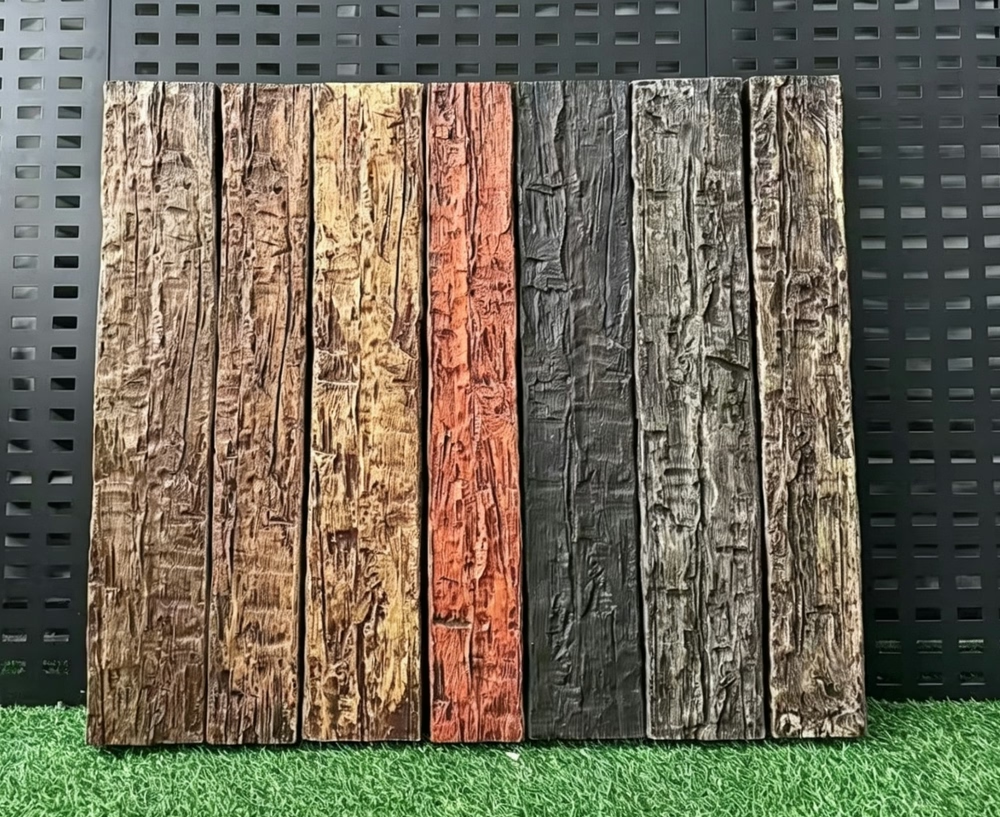
Quality indicators distinguish next-generation products from inferior alternatives that undermine market confidence. Surface depth and color variation provide the most visible quality markers, with premium products displaying complexity that budget options cannot match. Edge definition and relief clarity indicate tooling quality and manufacturing precision that affect both appearance and durability.
Warranty coverage reflects manufacturer confidence in product performance. Extended warranty periods suggest products designed for long-term service rather than quick market entry. Multiple-year coverage on finish integrity, dimensional stability, and structural performance provides assurance that aligns with project investment scales.
Manufacturer expertise matters for projects requiring custom specifications or challenging applications. Established producers with extensive portfolio experience can address installation questions, finish recommendations, and performance expectations with authority. This expertise proves particularly valuable for first-time specifications or unusual project conditions.
Sample evaluation enables direct comparison between products before commitment. Professional specification processes require physical samples that demonstrate actual quality rather than marketing representations. Requesting samples from multiple manufacturers reveals meaningful differences that catalog images cannot communicate.

Technical References
ASTM standards cited in every specification
Test Data
Lab results from internal testing program
Updated 2026
Reviewed against current product specs