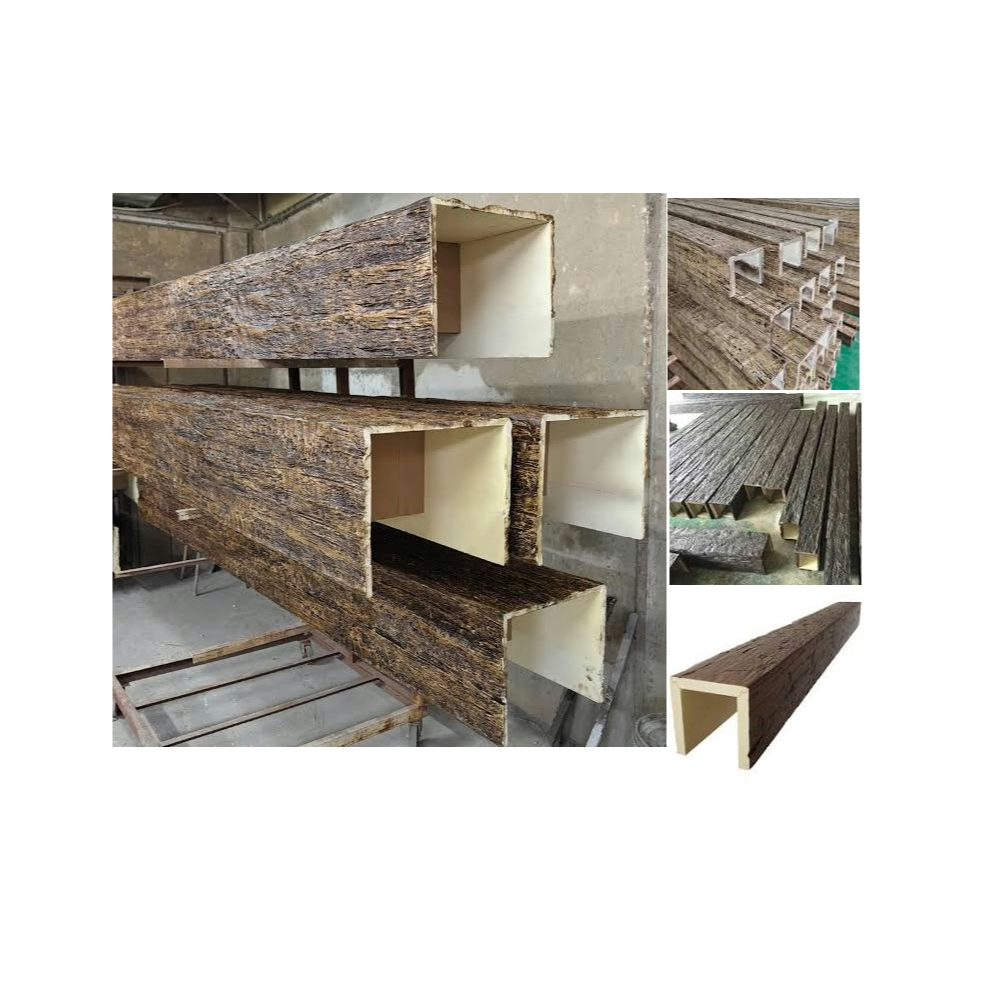
Correct harmonized system code classification determines duty rates, import restrictions, and regulatory requirements for international shipments. Polyurethane architectural moulding beams occupy a nuanced classification space between construction materials, decorative articles, and plastic products. Understanding classification principles and applicable codes prevents customs delays, duty overpayment, and compliance complications in cross-border trade.
Understanding the Harmonized System Framework
The Harmonized Commodity Description and Coding System provides the universal language for international trade classification. Administered by the World Customs Organization, the HS system uses numerical codes that progress from broad categories to specific articles through six-digit hierarchical levels. National extensions add two or four additional digits for country-specific classification detail.
EachHS code entry includes an official interpretation defining the scope of covered products and explanatory notes clarifying boundary cases. These interpretive resources establish classification principles that apply consistently across importing countries. Understanding the reasoning behind classifications, rather than memorizing codes, enables accurate classification of novel products.
Binding tariff classification rulings provide authoritative determinations that importing countries honor for defined periods. Requesting advance rulings before shipment eliminates classification uncertainty and enables accurate cost forecasting. Most major trading nations offer ruling programs where exporters or importers can obtain official classification confirmation.
Primary Classification Considerations
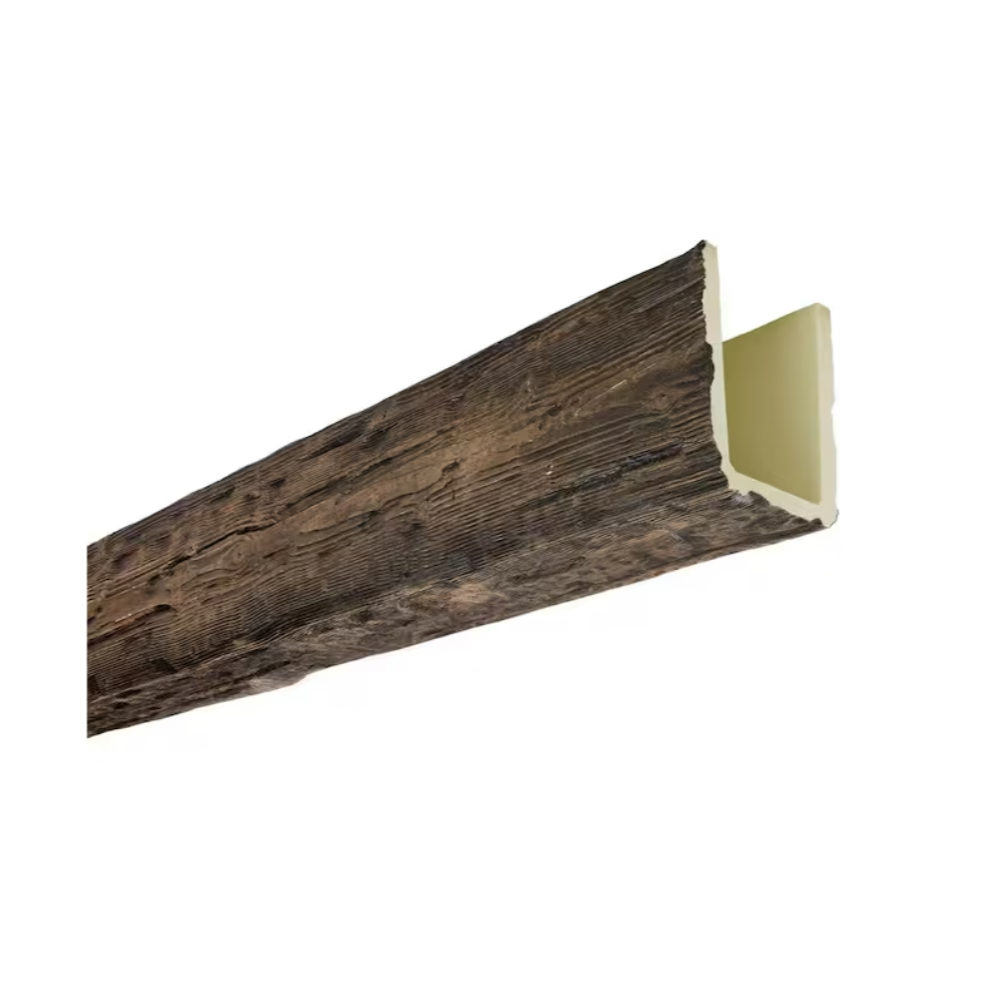
The classification of polyurethane moulding beams depends primarily on their intended use and physical characteristics. Construction materials intended for permanent installation typically fall within Section VII (Plastics and Articles Thereof) or Section XIX (Arms and Ammunition, except where applicable). Decorative articles for temporary or moveable applications may classify differently.
Heading 3925 covers builders' ware of plastics, including prefabricated structural items for construction. This heading encompasses prefabricated architectural components such as cornices, ceiling roses, and ornamental mouldings. Beams designed as structural or architectural elements likely qualify for this classification when meeting the "builders' ware" definition.
Heading 9403 covers other furniture and parts thereof, applicable when beams serve furniture functions or constitute furniture parts. This classification applies to decorative elements associated with furniture installations rather than building construction. The distinction between building elements and furniture parts influences both classification and applicable duty rates.
Applicable Tariff Codes
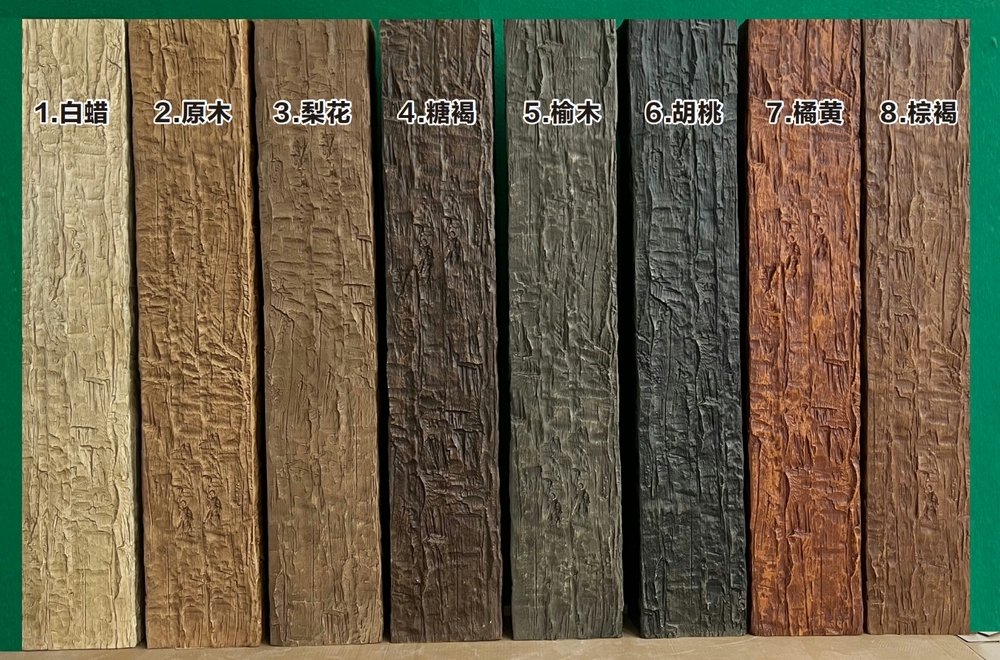
Polyurethane architectural moulding beams most commonly classify under HS code 3925.90.10 covering plastic builders' ware in specified forms. This code specifically addresses architectural mouldings and decorations, providing the most precise fit for decorative beam products. Duty rates vary by importing country but typically fall within the 3-6% range for most favored nation treatment.
An alternative classification under 3916.90 covers other bars, rods, and profiles of plastics not specifically provided for elsewhere. This broader classification encompasses extruded and molded shapes that do not qualify for more specific builders' ware provisions. Duty rates under this classification may differ from builders' ware provisions in some countries.
Manufacturer identification codes and product descriptions should be standardized to enable consistent classification across shipments. Variations in product description wording can trigger classification queries even when the underlying product remains unchanged. Maintaining documentation supporting classification decisions enables efficient customs processing and reduces inspection frequency.
Documentation Requirements
Commercial invoices must accurately describe products using consistent terminology aligned with HS code classifications. Product descriptions should specify material composition, intended use, and physical dimensions to enable customs officer verification of classification appropriateness. Vague descriptions invite inquiries that delay cargo release.
Certificates of origin establish eligibility for preferential duty rates under free trade agreements. For polyurethane beams, origin documentation must confirm sufficient production within the qualifying territory to meet applicable change of tariff classification or value content requirements. Exporters should maintain production records demonstrating compliance with origin criteria.
Packing lists detail cargo contents with sufficient specificity to verify invoice accuracy and enable cargo inspection. HS codes should appear on packing lists to facilitate customs processing. Container and carton markings should align with product descriptions to prevent confusion during loading, transit, and unloading.
Country-Specific Considerations
United States Customs and Border Protection classifies polyurethane architectural elements under HTSUS 3925.90.10 with a general duty rate of 3.5% ad valorem. Section 301 tariffs may apply depending on country of origin, with current rates requiring verification before shipment. ACE portal filings enable electronic classification submission and duty calculation.
European Union classification falls under CN code 3925 90 80 10 covering architectural decorations of plastics. Most favored nation duty rates apply to imports from non-preferential countries, with preferential rates available for qualifying FTA partner country origins. EORI registration required for EU imports regardless of shipment value.
Chinese imports classify under HS code 39259000 covering plastic construction materials not elsewhere specified. Value-added tax at 13% applies in addition to applicable customs duties. CFEP registration may be required for certain product categories, with compliance verification recommended before initiating shipments.
Classification Consistency Strategies
Product classification should be established before initial export and maintained consistently across subsequent shipments. Classification changes require notifying customs authorities and may trigger duty recalculation or penalties if errors are discovered. Annual classification reviews verify continued appropriateness as products evolve or tariff regulations change.
Classification ruling requests should be filed proactively when product characteristics create classification uncertainty. The binding nature of advance rulings eliminates ambiguity and enables confident pricing for extended sales periods. Ruling requests should include comprehensive product samples, detailed descriptions, and end-use information to support accurate classification determination.
Tariff engineering considerations may influence product design and marketing approaches when duty differentials create significant cost impacts. Modifying product configurations to qualify for lower-duty classifications can reduce total landed costs substantially. However, engineering modifications should not compromise product functionality or create false classification claims.
Technical References
ASTM standards cited in every specification
Test Data
Lab results from internal testing program
Updated 2026
Reviewed against current product specs


