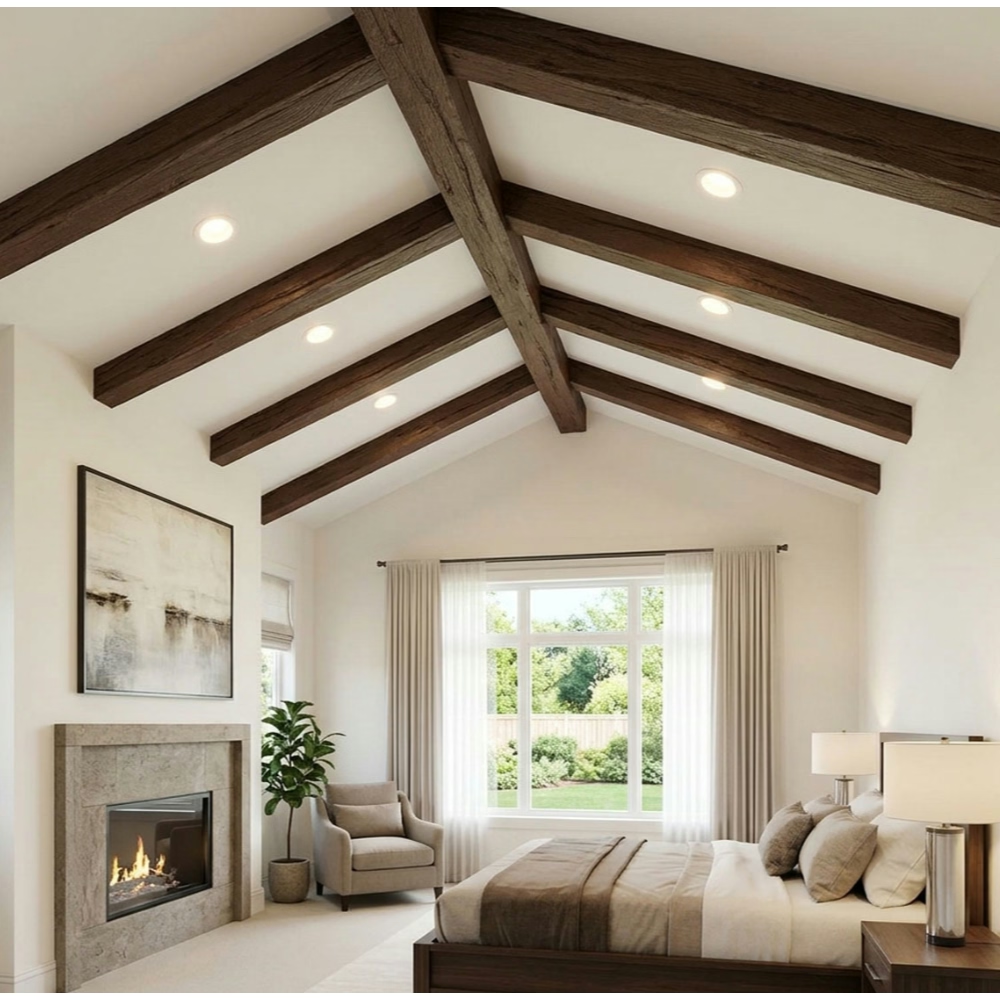
The weathered patina of aged timber speaks to a time when structures were built to last generations and materials bore the honest marks of age and use. Old world antique style polyurethane faux timber beams capture this timeless character while freeing designers from the practical limitations of salvaged materials. These reproductions bring warmth and authenticity to spaces seeking the gravitas of historical architecture.
The Appeal of Aged Timber Aesthetics
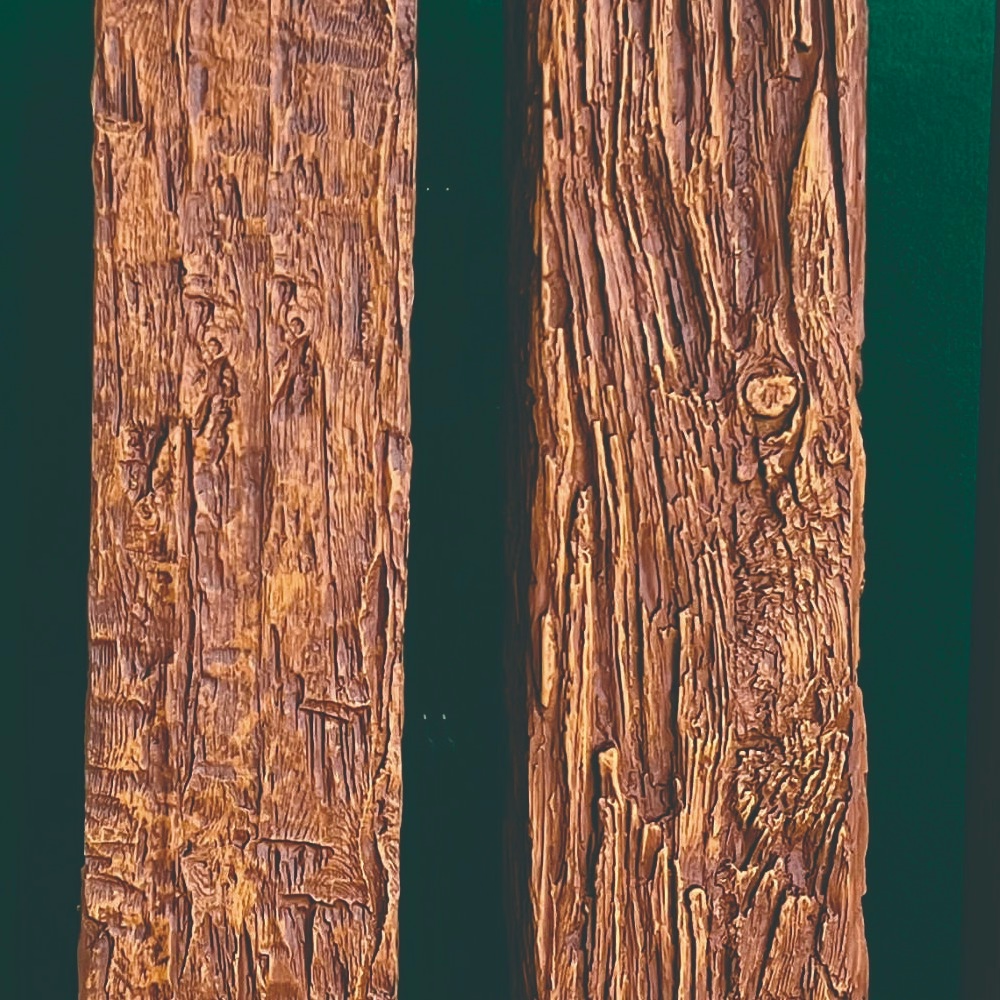
Antique timber carries visual interest that modern milled lumber cannot replicate. Grain patterns reveal centuries of growth; natural defects tell stories of wind, fire, and time. Checking and cracking, the inevitable result of wood drying over decades, creates shadow lines that add dimension and authenticity. Knots and variations in color intensity suggest organic origins that uniform materials lack.
The psychological warmth of aged wood affects how spaces feel to occupants. Natural materials connect interior environments to the outside world, providing tactile and visual reminders of the organic origins of building materials. In an era of synthetic surfaces and digital imagery, authentic natural materials offer a refreshing counterpoint to manufactured sterility.
Historic structures across Europe demonstrate how heavy timber framing became the defining architectural element of great halls, farmhouses, and ecclesiastical spaces. Replicating these effects in contemporary construction creates spaces that feel rooted in tradition while serving modern functions. Old world styling bridges historical architecture and contemporary comfort.
Design Applications in Contemporary Spaces
Great rooms and living areas accommodate old world timber beams as focal points that define the space while providing visual anchoring for furniture arrangements. Exposed ceiling beams establish human scale in rooms with high ceilings, creating intimate zones within larger volumes. The weight of substantial beams balances expansive glazing and contemporary finishes.
Kitchen installations benefit from the warmth that aged timber brings to functional spaces where family gathering occurs. Exposed beams above kitchen islands or dining areas create visual separation from adjacent living spaces without requiring walls or barriers. The durability of polyurethane finishes resists the humidity and temperature fluctuations common in working kitchens.
Bedroom installations create sanctuary spaces where the organic texture of aged timber promotes relaxation. Beam ceilings above beds establish sleeping alcoves with the feeling of a historic master suite. Lower-profile beams in smaller bedrooms add character without overwhelming limited space.
Capturing Authentic Antique Characteristics
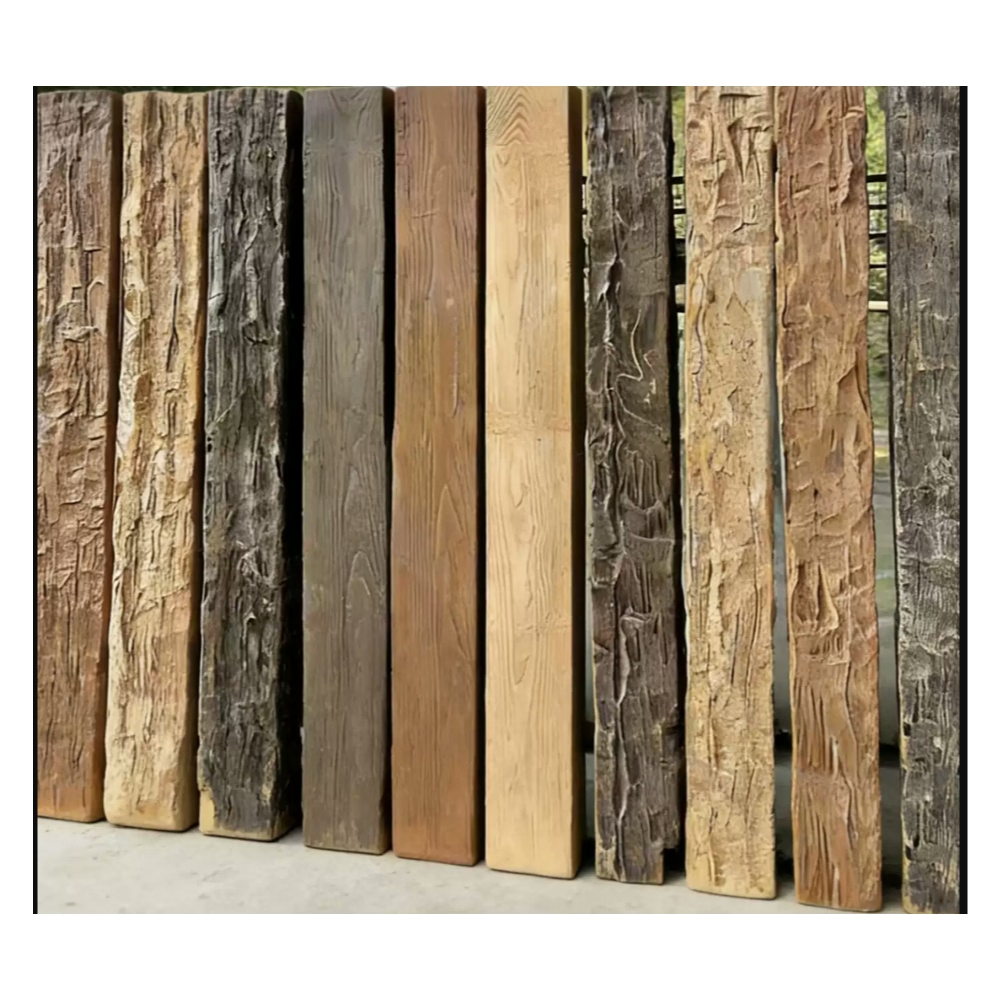
Surface texturing reproduces the weathered texture of aged wood through specialized manufacturing processes.Hand-scraped textures create the look of century-old timber without requiring actual aging. Machine texturing combined with hand detailing produces surfaces that reward close inspection with authentic character.
Color development for antique reproductions applies multiple finish layers with controlled variation. Base coats establish foundational color; highlight and shadow applications create depth and visual complexity. Faux distressing at edges and corners mimics the wear patterns that occur at contact points on antique furniture.
Checking and crack simulation adds visual interest through v-groove joints and routed crack lines. These stress marks appear at natural locations corresponding to where checking would occur in genuine aged timber. Caulked crack lines filled with contrasting color create the appearance of structural separation frozen in time.
Material Advantages Over Reclaimed Timber
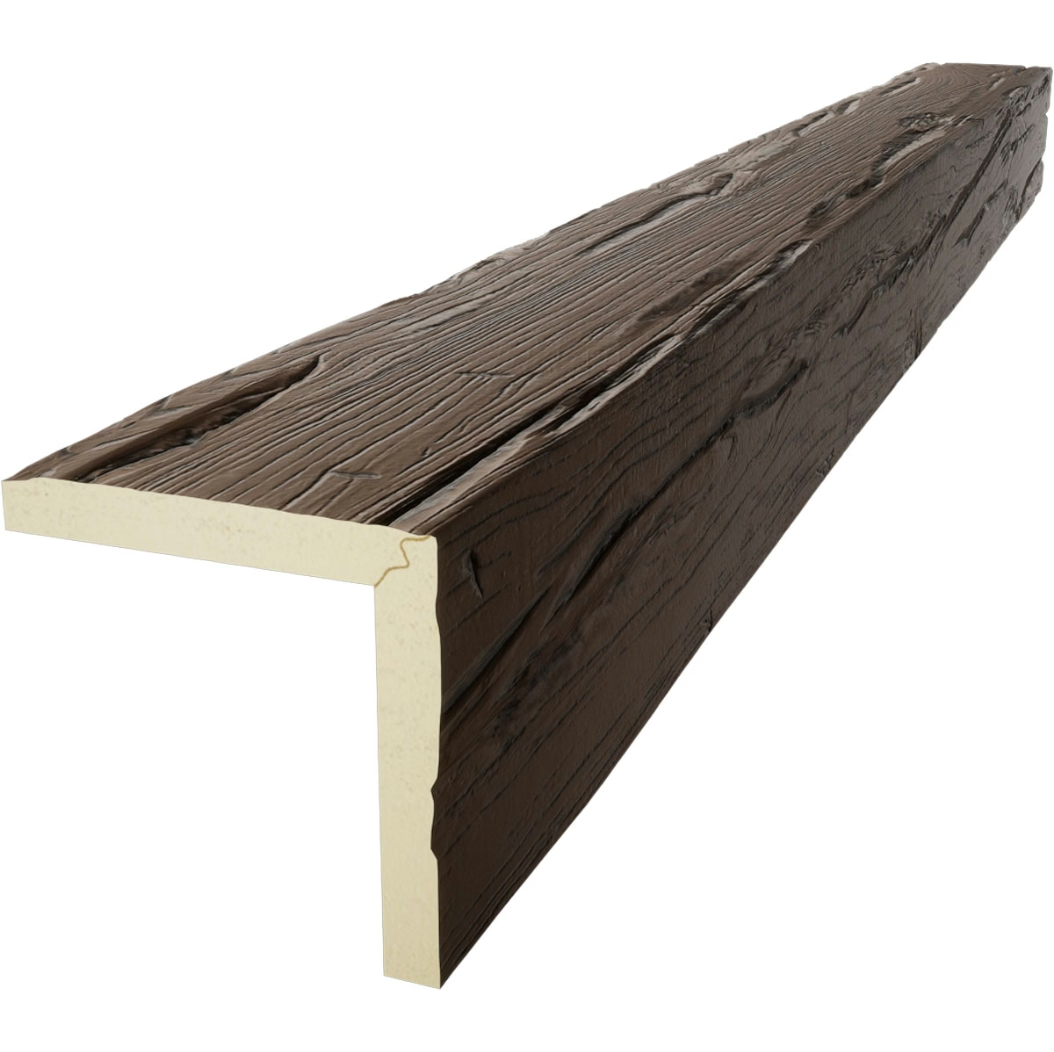
Lightweight construction simplifies installation compared to genuine reclaimed timber weighing hundreds of pounds per linear foot. Single-person installation becomes possible without mechanical lifting equipment; ceiling structure requirements diminish dramatically. This practical advantage enables architectural treatments impractical with genuine old-growth timber.
Consistency of supply eliminates the uncertainty of reclaimed material availability. Salvaged timber from demolition sources varies in dimensions, length, and condition; matching existing materials for additions or repairs proves nearly impossible. Polyurethane reproductions offer consistent quality across unlimited production quantities with reproducible profiles and finishes.
Pest and rot resistance addresses concerns that limit reclaimed timber applications. Old wood frequently harbors hidden insect damage, fungal decay, or biological contamination invisible beneath surface appearance. Polyurethane material resists these degradation mechanisms, providing long-term performance in environments that would compromise natural wood.
Integration with Architectural Styles
Farmhouse and country designs accommodate old world timber beams as integral elements rather than added decorations. Exposed structural beams emphasize the craft traditions these styles celebrate. Combined with Shaker-influenced millwork, wide-plank flooring, and natural stone, timber beams complete cohesive period-appropriate interiors.
Mediterranean architecture gains warmth through aged timber accents that soften stucco and tile interiors. Dark beam finishes against white or cream backgrounds create dramatic contrast. Overlaid on barrel-vaulted ceilings or terracotta floors, antique beams complete the vocabulary of Spanish Colonial or Italianate revival styles.
Industrial lofts and converted warehouse spaces achieve authenticity through timber beams that reference the original functions of industrial buildings. Heavy timber construction supported the floors above manufacturing and storage areas; reproduction beams maintain this historical reference while concealing modern structural systems.
Technical References
ASTM standards cited in every specification
Test Data
Lab results from internal testing program
Updated 2026
Reviewed against current product specs


