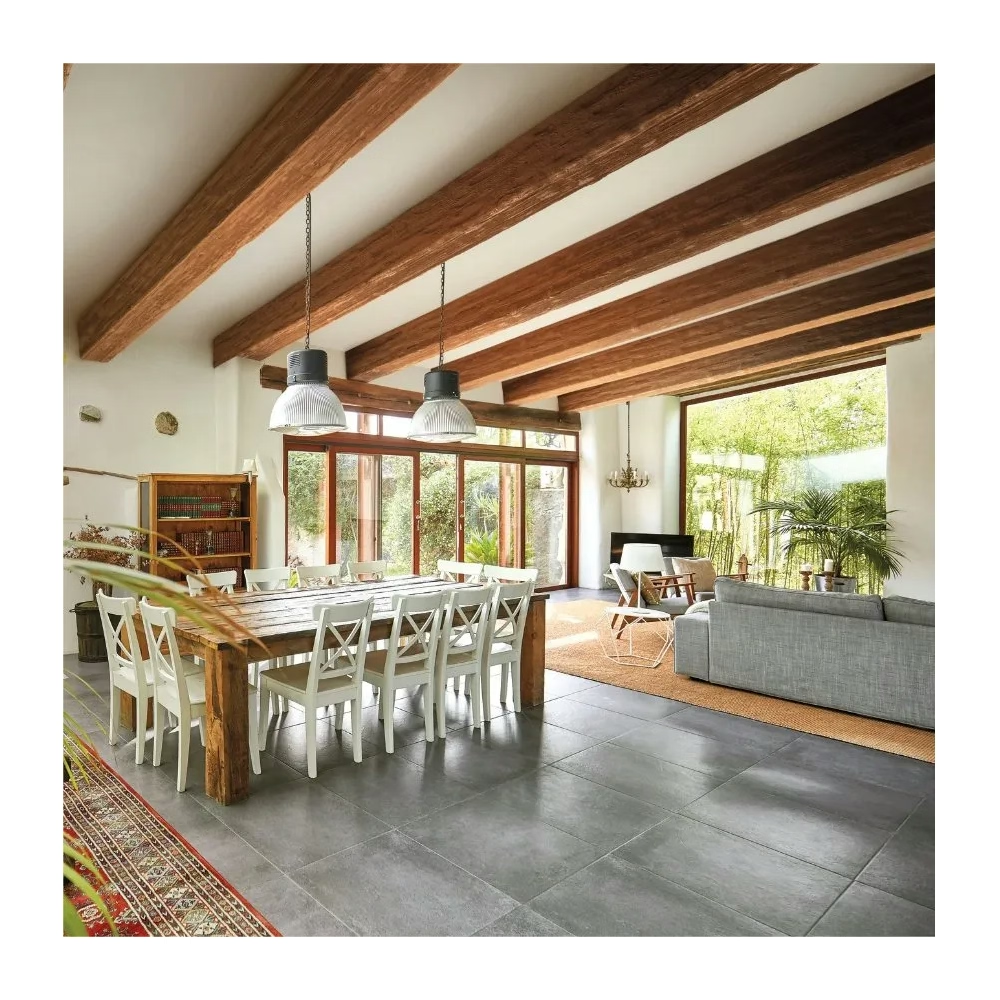
The tension between historical authenticity and contemporary practicality has challenged architects and builders for generations. Old-world timber aesthetics create spaces suffused with architectural heritage, but genuine timber brings moisture sensitivity, pest vulnerabilities, and installation complexity that modern construction demands avoid. Polyurethane faux beams resolve this tension, delivering the beauty of aged timber with the convenience that twenty-first century building practices require.
The Traditional Timber Aesthetic
Timber construction has defined architectural character across cultures and centuries. Medieval great halls, Japanese temples, Alpine chalets, and American farmhouses all derive essential identity from exposed timber framing. These structures demonstrated that buildings could achieve both structural function and aesthetic beauty through honest expression of materials and joinery.
The visual language of traditional timber includes multiple vocabulary elements beyond simple beams. Chamfered edges soften structural members while revealing craftsperson attention to detail. Mortise and tenon joinery creates visual interest at connections. Paired beams establish rhythmic patterns that organize ceiling planes into coherent compositions. These elements together create the complete aesthetic experience of traditional timber architecture.
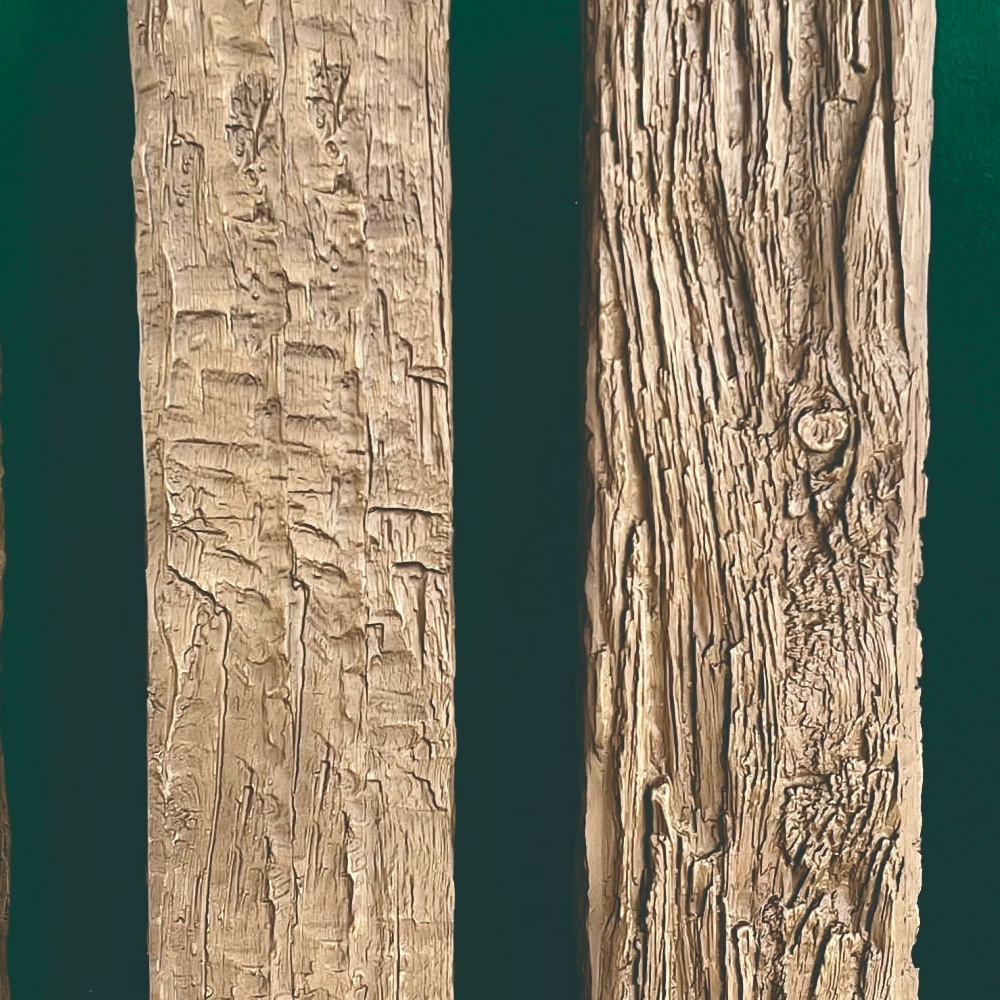
Texture plays a significant role in timber character that flat surfaces cannot replicate. Weathered surfaces absorb and reflect light differently throughout the day, creating subtle changes in appearance that keep spaces visually engaging. Natural grain patterns vary within and between pieces, preventing the monotony that uniform manufactured materials create.
Modern Construction Practicalities
Contemporary building projects operate under constraints unknown to traditional timber framers. Construction schedules compress to weeks rather than months; labor costs escalate while skilled timber craftsmen become rare. Building codes impose fire, structural, and energy requirements that older construction approaches may not satisfy. These realities demand practical material choices that preserve aesthetic intent.
Weight considerations affect entire building economics from foundation design through framing system selection. Genuine heavy timber requires substantial bearing elements and robust connection hardware. Polyurethane faux beams weighing a fraction of comparable timber allow simplified support structures, reduced foundation requirements, and faster installation without sacrificing visual impact.
Moisture management presents ongoing challenges with natural wood in conditioned spaces. Seasonal humidity changes cause dimensional movement that stresses finishes and joint connections. Water damage from leaks or condensation promotes biological decay invisible until catastrophic failure. Polyurethane's dimensional stability and moisture resistance eliminate these concerns regardless of building environment.
Installation Efficiency Advantages
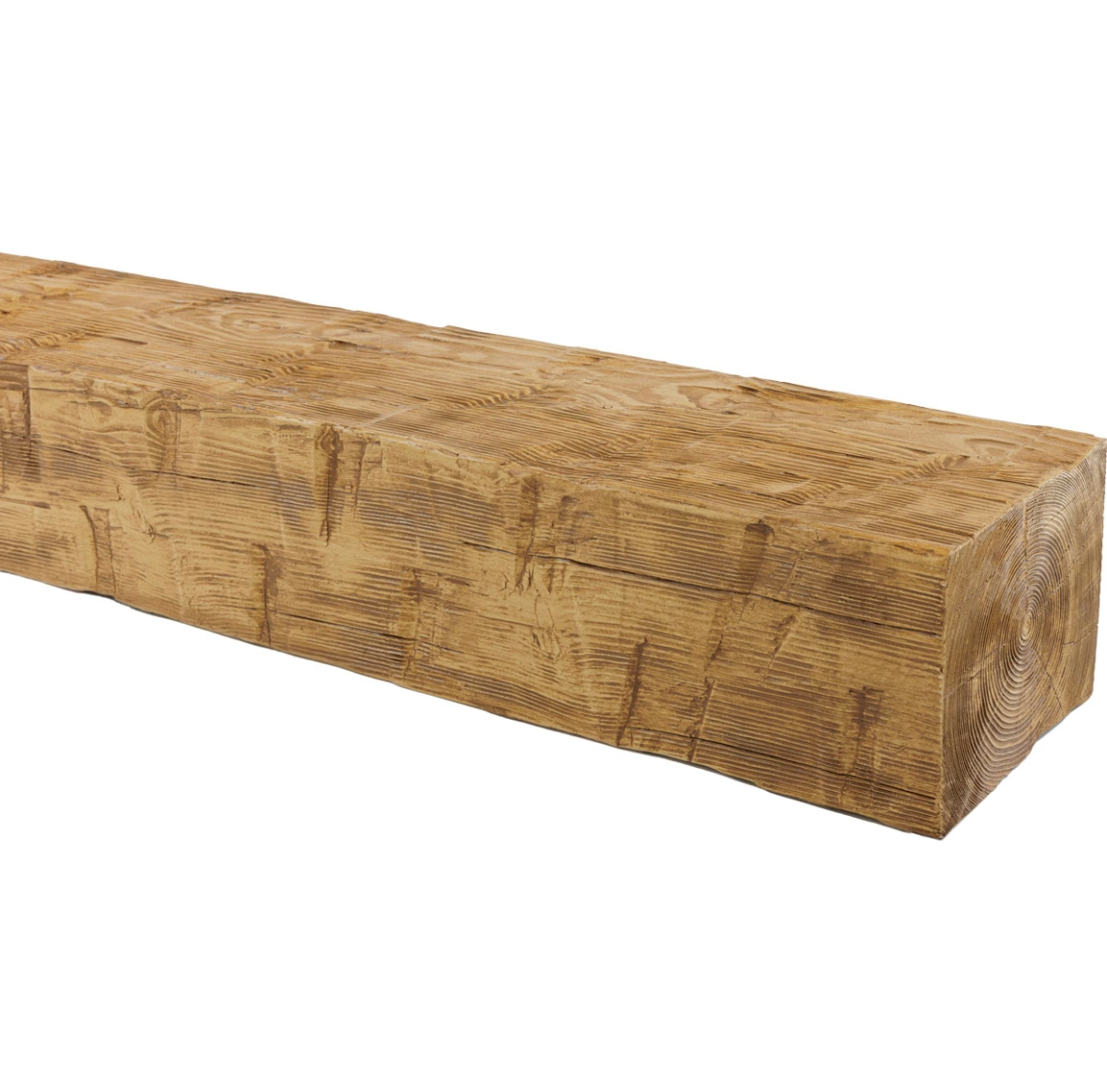
Prefabricated polyurethane beams arrive ready for immediate installation without on-site milling, fitting, or finishing. Dimensional accuracy enables rapid layout and positioning; no scribing or fitting to irregular surfaces is required. Straight factory edges create clean joints without the gap-filling necessary when combining irregular salvaged timber.
Single-person installation eliminates the crew coordination and equipment rental that heavy timber installation demands. Hand-carried beams place into position without forklifts, cranes, or temporary support systems. Finish nailers and construction adhesive provide secure attachment without specialized timber connection hardware. These efficiencies translate directly to reduced labor costs and compressed schedules.
Finish-ready surfaces eliminate the sanding, priming, and sealing that natural timber demands before painting or staining. Factory-applied finishes achieve color consistency and durability exceeding field application. Touch-up requirements during installation are minimal; any damage is easily repaired with factory-matched materials.
Maintenance and Longevity Benefits
Termite and carpenter ant damage poses no risk to polyurethane materials. Wood-boring insects that devastate genuine timber create no interest in synthetic materials. In termite-prone regions, faux timber eliminates the inspection requirements and treatment protocols that genuine wood construction demands.
Rot resistance provides long-term durability that natural wood cannot match in wet environments. Bathrooms, poolsides, exterior applications, and humid climates that would compromise genuine timber leave polyurethane unaffected. This durability supports extended warranty coverage that manufacturers can confidently offer.
Cleaning and maintenance require only routine care without specialized wood-preserving treatments. Pressure washing, chemical cleaning, and steam treatment that would damage natural wood are safe for polyurethane. The maintained appearance over years of service justifies initial investment and reduces lifecycle cost of ownership.
Environmental Responsibility Considerations
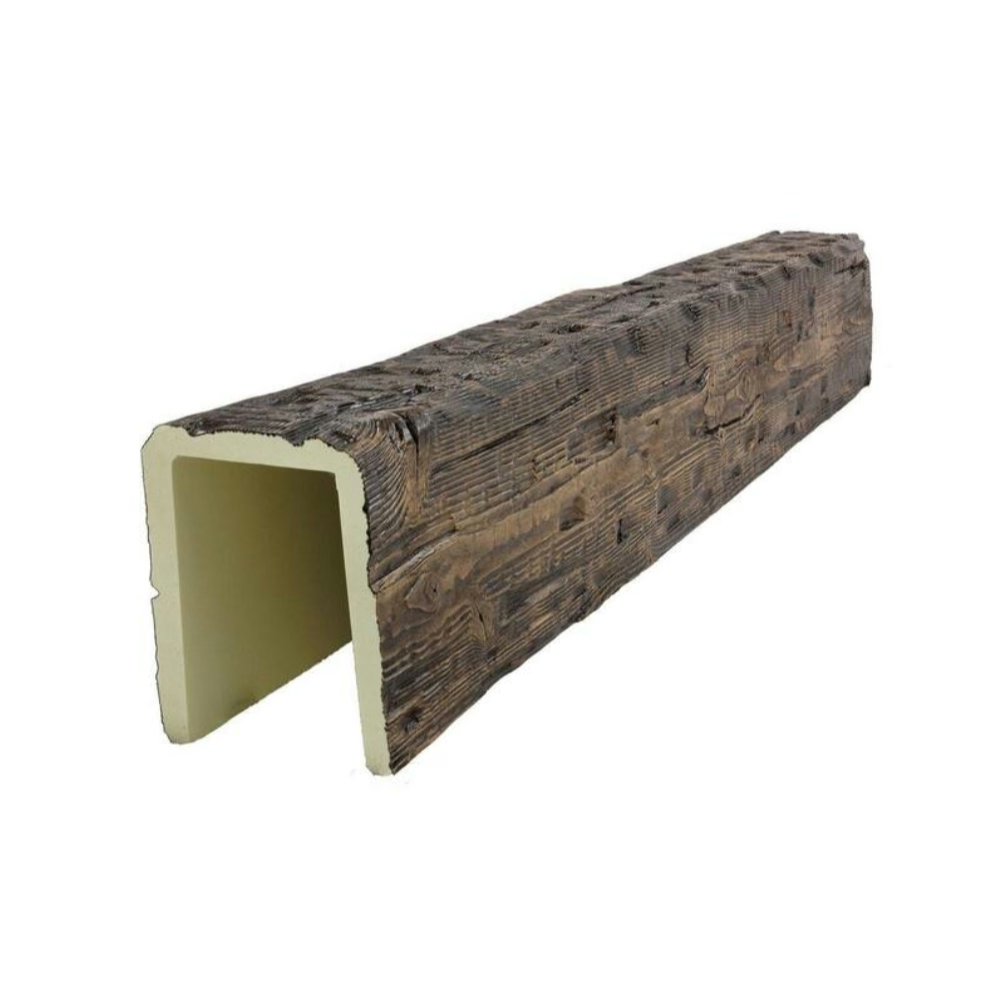
Sustainable manufacturing processes produce polyurethane beams with lower environmental impact than harvesting old-growth timber. Resource efficiency in manufacturing combined with product longevity produces favorable lifecycle assessment results. The absence of deforestation impacts appeals to environmentally conscious clients seeking natural aesthetics without environmental compromise.
Recycled content formulations in some polyurethane products further improve environmental performance. Manufacturing waste gets redirected into new production; post-consumer recycling programs recover materials at end of service life. These circular economy approaches continue improving as the industry matures.
Energy efficiency benefits accrue from the insulating properties of polyurethane. Reduced heat transfer through beam elements improves thermal envelope performance, lowering heating and cooling energy consumption. While marginal compared to wall insulation, these benefits accumulate across building life and contribute to overall sustainability certification.
Technical References
ASTM standards cited in every specification
Test Data
Lab results from internal testing program
Updated 2026
Reviewed against current product specs


