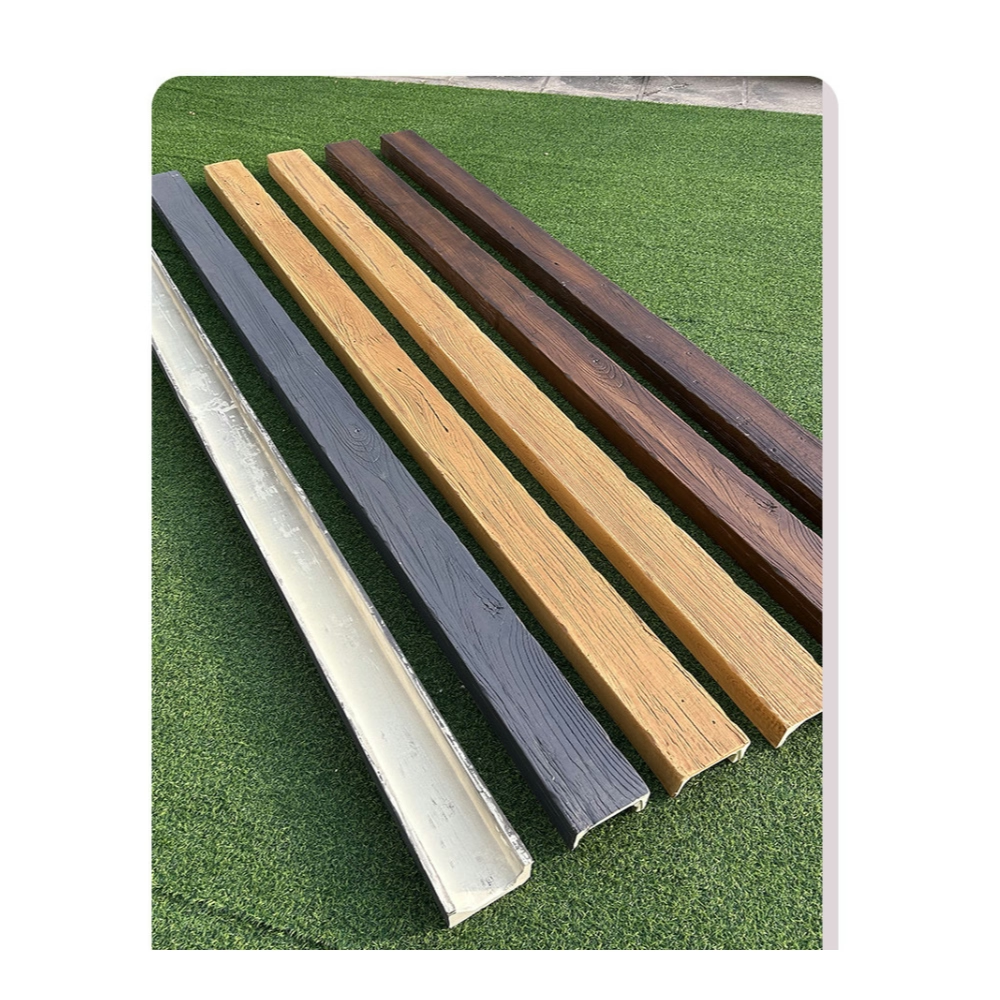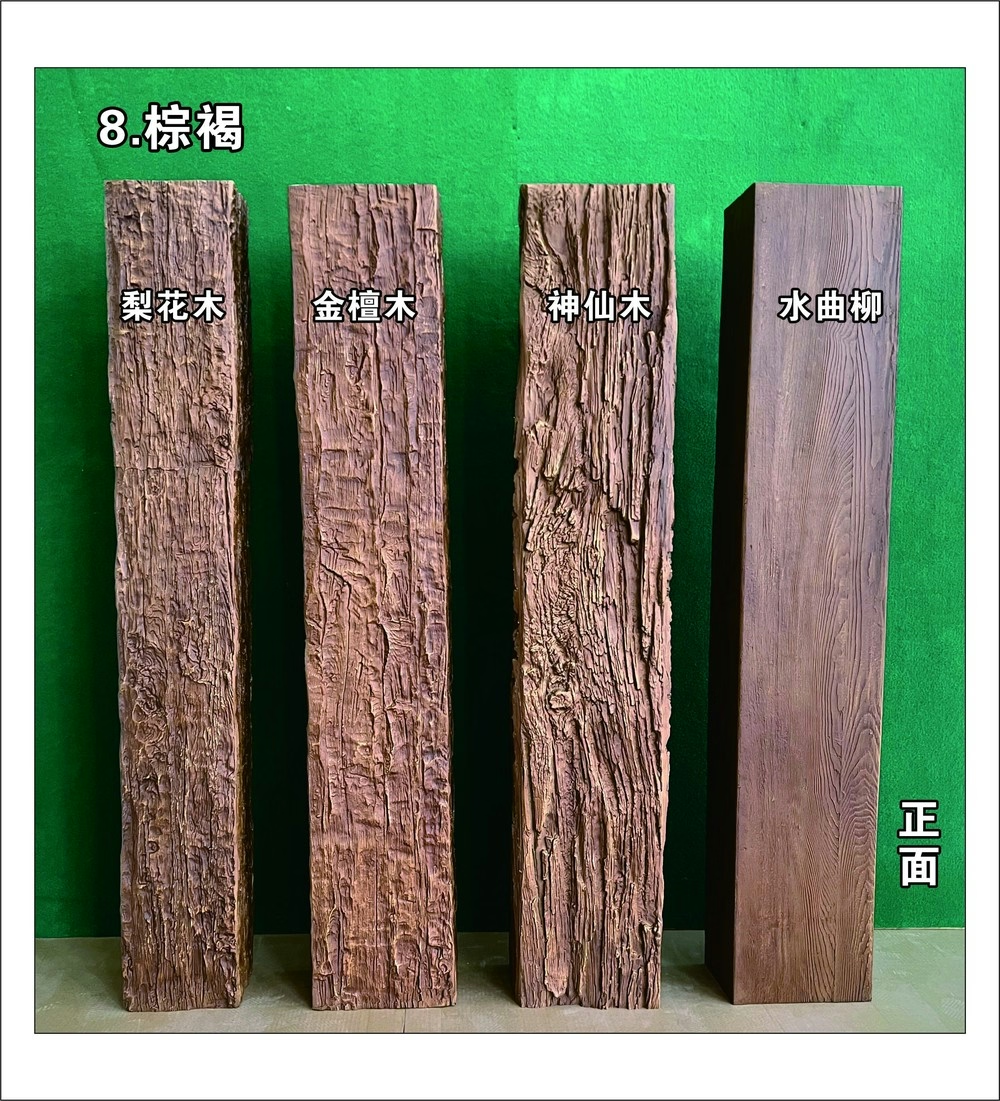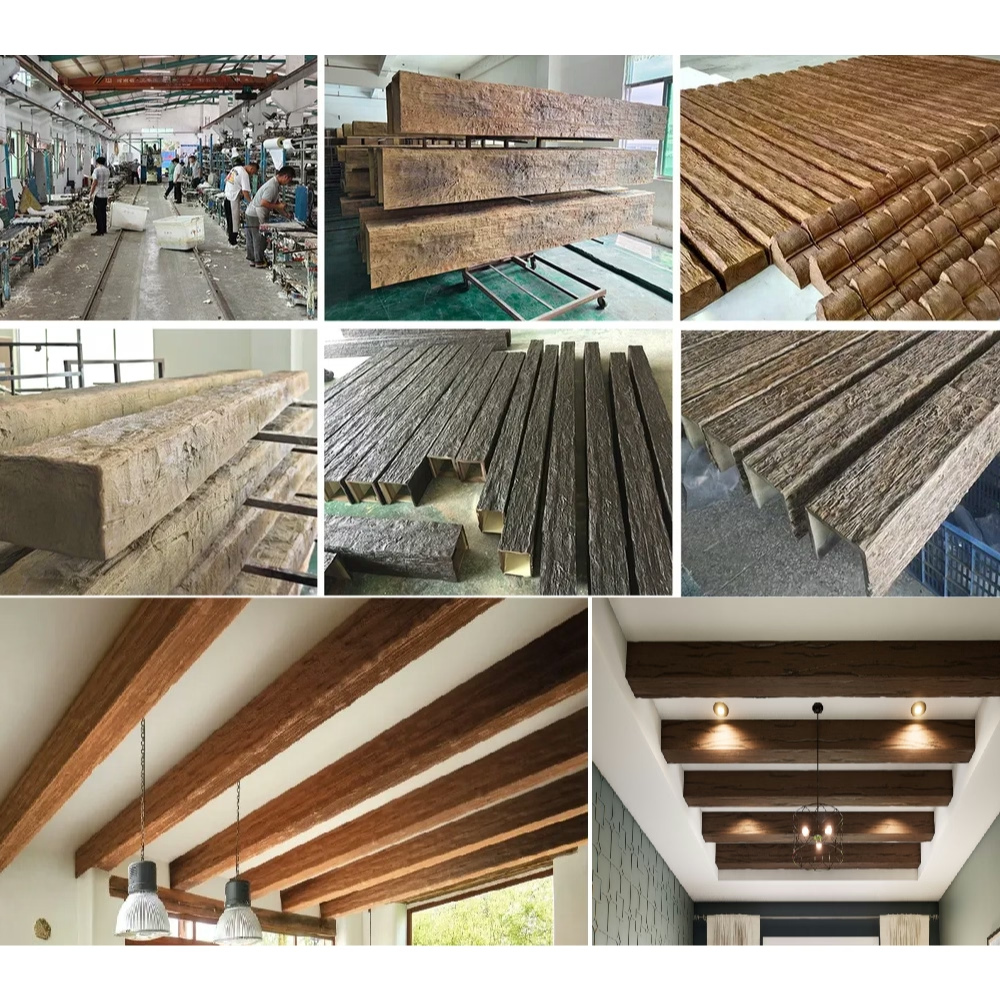
Every architectural project presents unique dimensional requirements that standard stock lengths cannot always accommodate efficiently. On-demand cut-to-length polyurethane faux beam services respond to this reality, producing precisely dimensioned elements eliminating field modification challenges. This fabrication flexibility benefits architects, contractors, and homeowners seeking exact fits without compromise.
The Value of Precision Length
Field-cut beams inevitably introduce variables that factory-cut pieces avoid. Hand measuring and marking introduces human error; manual sawing produces cut quality dependent on blade sharpness and operator skill. Even skilled craftspeople achieve tolerances measured in millimeters rather than the thousandths achievable with factory precision. These accumulated variations affect joint fit, alignment, and overall installation quality.
Exact-length beams arriving at the jobsite ready for installation compress schedules by eliminating cutting operations from critical paths. Workers position beams directly without waiting for cutting, measuring, or finishing of field modifications. This efficiency becomes particularly valuable on compressed schedules where every saved hour contributes to timely completion.
Waste reduction from exact-length ordering benefits both project economics and environmental responsibility. Standard-length beams may require cutting longer pieces down, creating material destined for scrap. Cut-to-length ordering eliminates this waste while reducing jobsite material handling and disposal costs.
Custom Profile and Shape Options
Beyond simple length, on-demand fabrication accommodates custom cross-sectional profiles unavailable in standard catalogs. Historical restorations may require exact replication of original timber dimensions and profiles. Contemporary designs may call for unusual proportions that standard molds cannot provide. Custom tooling development enables production of virtually any reasonable profile configuration.
Tapered beams that narrow from one end to another present installation challenges with standard straight pieces. Custom fabrication produces consistent taper throughout beam length with structural integrity at every cross-section. Structural-appearing beams with tapered profiles add architectural interest while maintaining practical installation characteristics.
Compound angle cuts accommodate complex installation geometries including mitered corners, beveled connections, and angular transitions between surfaces. Factory-cut compound angles achieve precision impossible with field cutting equipment, producing clean joints that enhance finished appearance.

Finish Customization Options
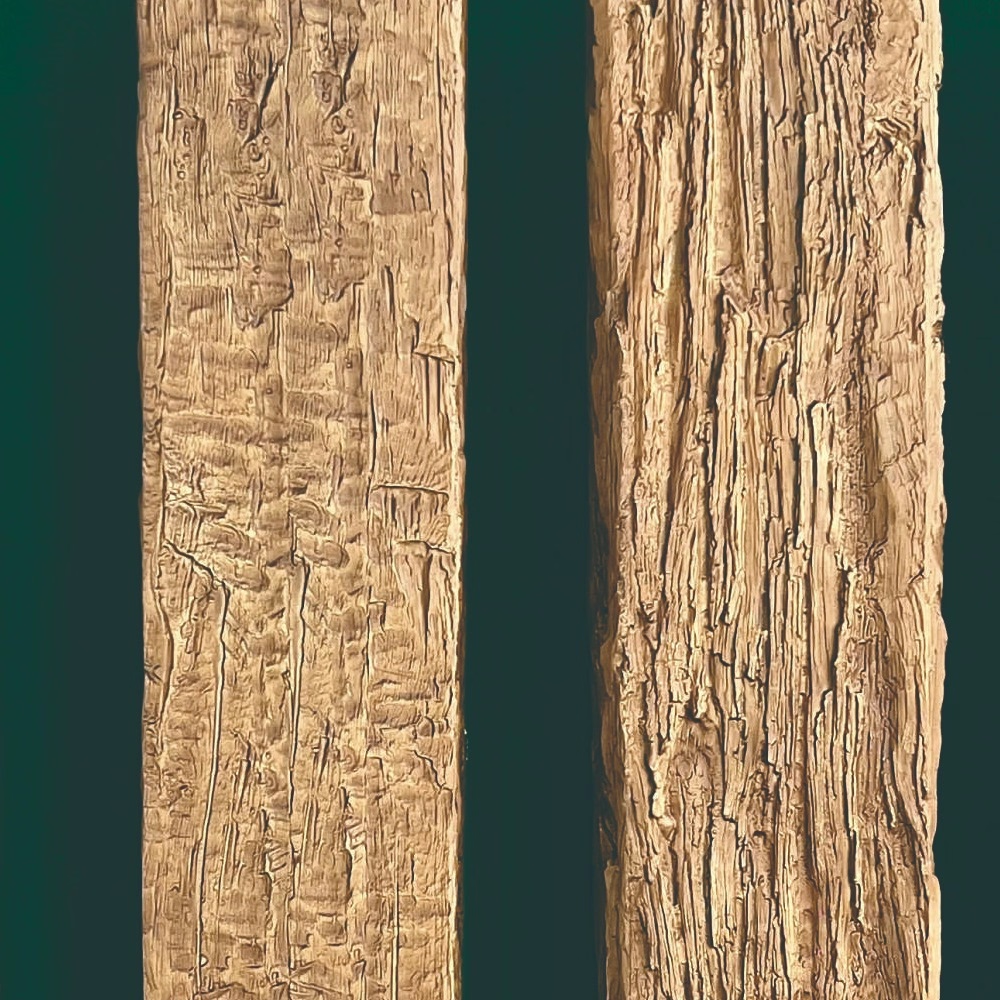
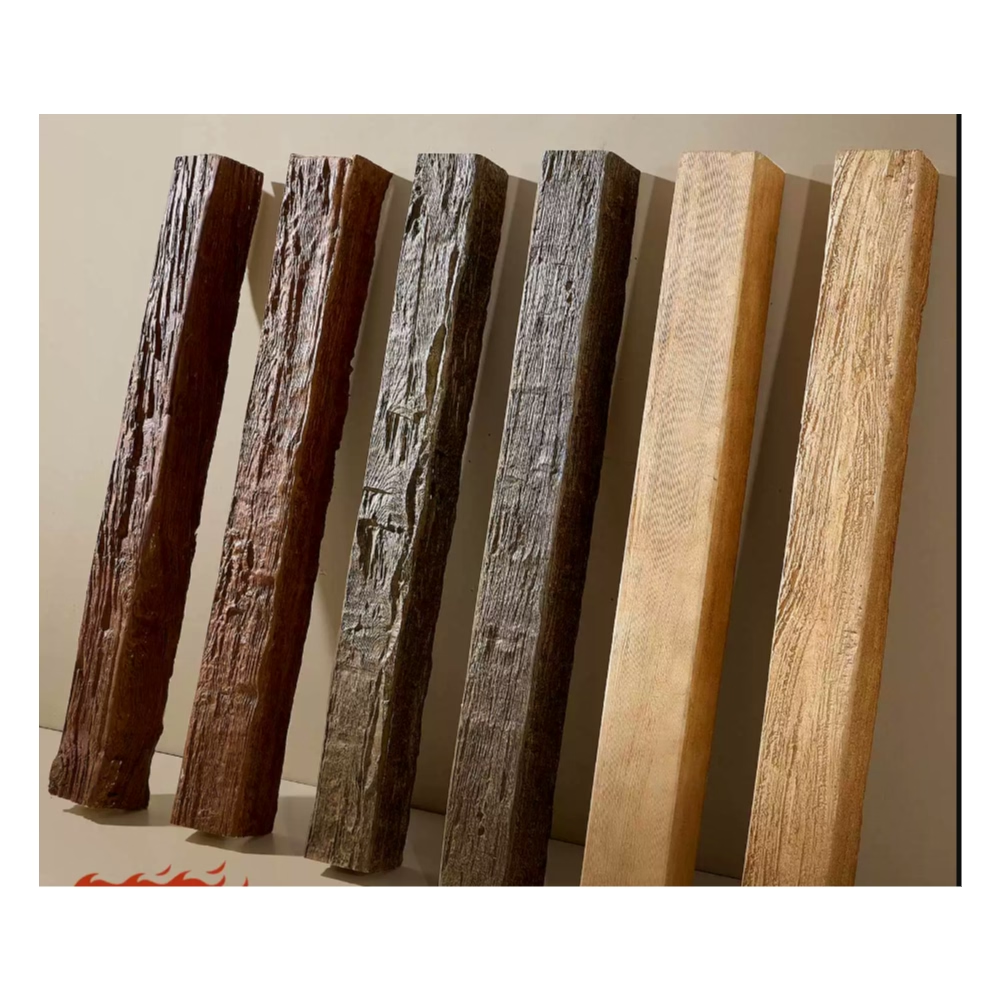
Factory finishing in colors beyond standard catalog offerings provides design flexibility without field finishing complexity. Custom color matching to existing woodwork, corporate branding, or design palette selections produces beams arriving ready for installation. Sample approval processes ensure color accuracy before production commitment.
Texture customization beyond standard offerings addresses specific aesthetic requirements. Lighter or heavier grain patterns, more or less distressing, and varied surface reflectivity enable fine-tuning of appearance. These subtle customizations distinguish project work from generic catalog products.
Multi-finish options combine different treatments within single beams or beam sets. Beams featuring both painted and stained surfaces create visual complexity that single-finish pieces cannot achieve. Stenciled or carved details add architectural interest appropriate for historically inspired designs.
Ordering Process and Lead Times
The custom fabrication process begins with detailed specification submission including profile drawings, dimension requirements, finish specifications, and quantity needs. Technical review ensures feasibility and identifies any engineering or manufacturing considerations before pricing commitment. Clear communication at this stage prevents misunderstandings that delay production.
Sample production for significant orders establishes quality benchmarks and confirms that produced pieces meet specifications. Sample approval typically requires two to four weeks beyond standard lead times. The investment in samples pays dividends through defect identification before full production commitment.
Production lead times for custom fabrication typically range from four to eight weeks depending on complexity and current order volume. Complex tooling development or unusual finish requirements may extend timelines. Standard catalog items with simple length customization often ship within one to two weeks.
Cost Considerations
Custom fabrication commands premium pricing compared to standard catalog items reflecting the setup and handling complexity of non-standard production. Setup charges for custom tooling, color matching, or special finishes amortize across production quantities. Higher volumes distribute these charges across more units, reducing per-piece premium.
However, total installed cost analysis often favors custom fabrication when accounting for labor savings, waste reduction, and quality improvements. Field labor costs for measuring, cutting, fitting, and finishing may exceed material cost premiums for custom work. Waste disposal and material handling add further field costs that custom fabrication eliminates.
Budget-conscious approaches combine standard lengths with field finishing to achieve custom appearance at reduced cost. However, this hybrid approach sacrifices some quality and efficiency benefits of full custom fabrication. Project-specific analysis should compare full custom against hybrid approaches before finalizing procurement strategy.
Quality Assurance in Custom Production
Factory quality control processes verify dimensional accuracy, finish quality, and appearance consistency throughout production runs. Statistical process control identifies trends before defect rates exceed acceptable thresholds. Inspections at critical production stages catch problems before they propagate through entire orders.
Packaging designed for custom pieces protects finished surfaces during transport and handling. Custom-length beams require specific bracing and support to prevent sag, impact, or surface damage. Professional packaging investment protects the value of precision fabrication through distribution channels.
Damage claims and defect reporting should be addressed through established procedures with clear responsibility allocation between manufacturer, carrier, and recipient. Photographic documentation at delivery enables efficient claim resolution when damage occurs in transit.
Technical References
ASTM standards cited in every specification
Test Data
Lab results from internal testing program
Updated 2026
Reviewed against current product specs