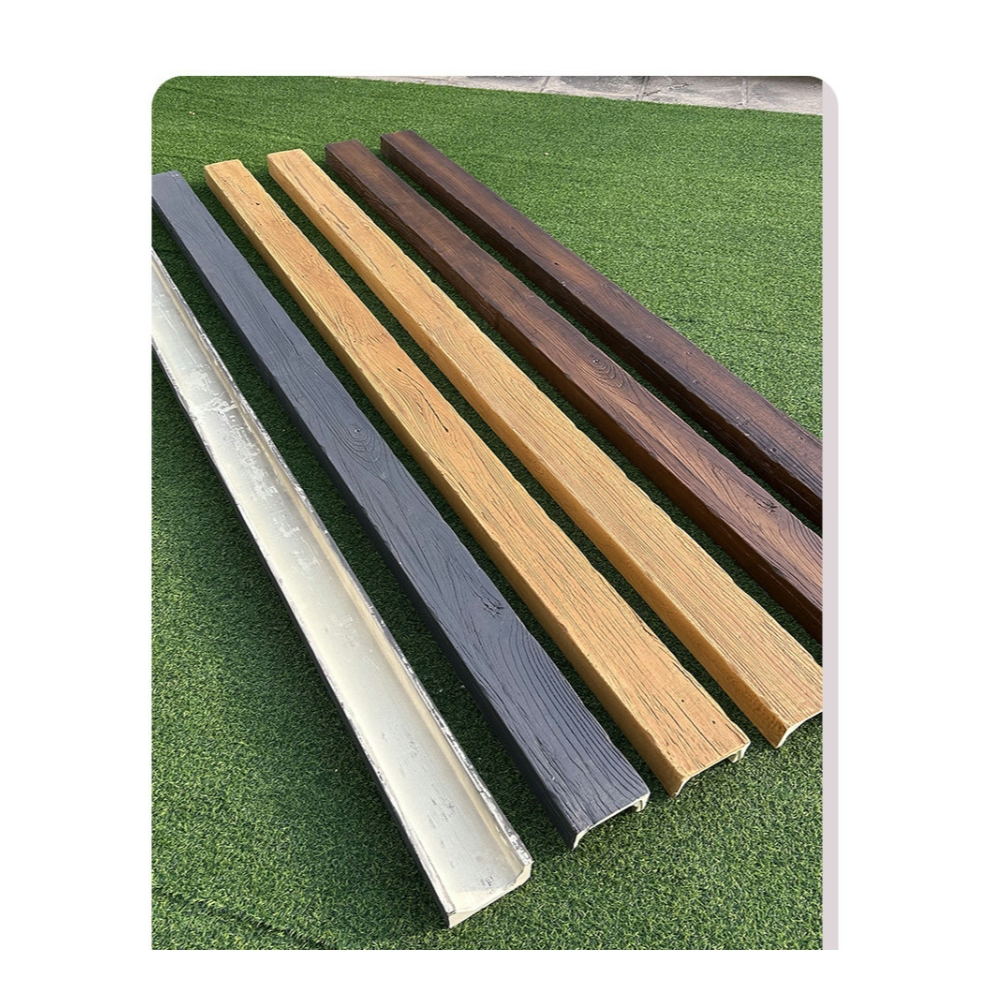
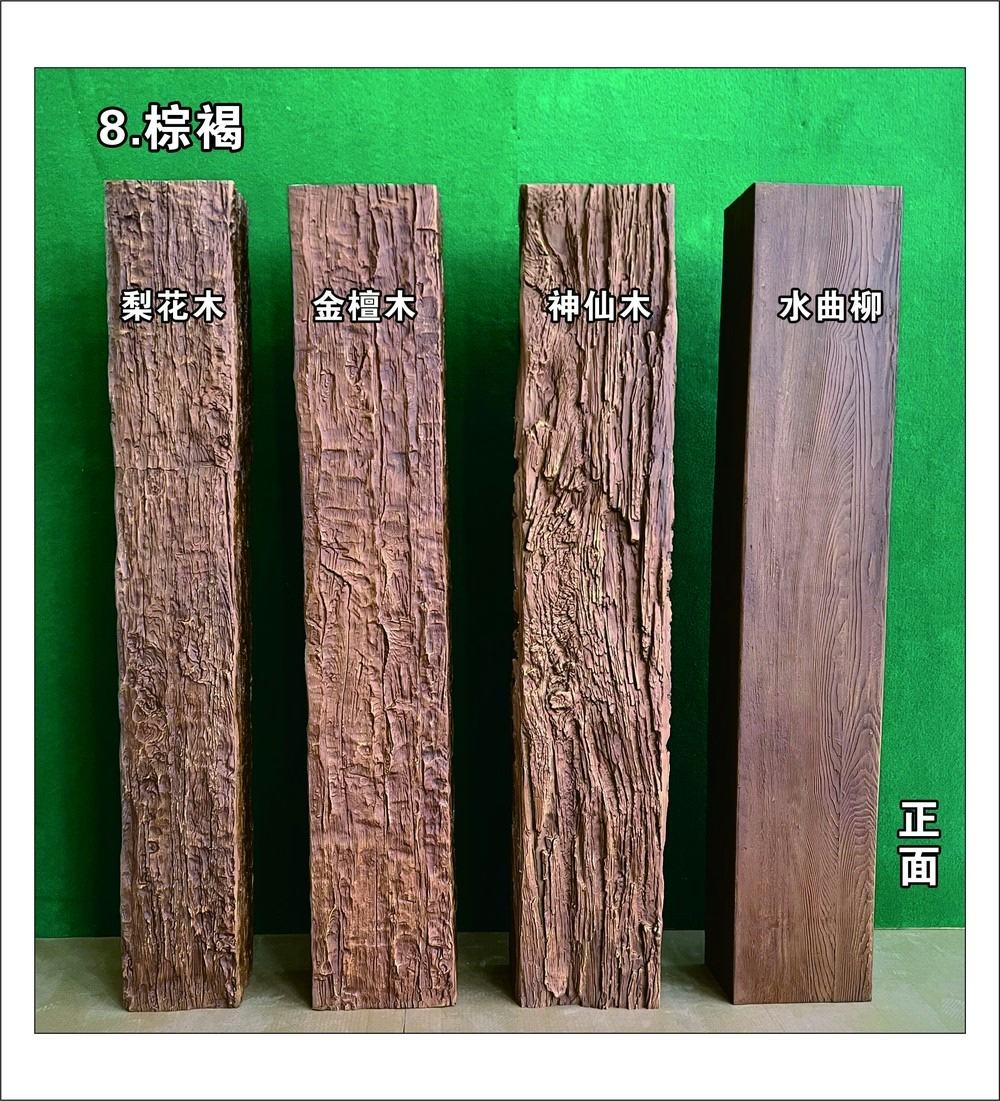
Traditional building materials impose geometric constraints that modern design increasingly rejects. Clients request vaulted ceilings following natural terrain contours, curved walls creating flowing interior volumes, and organic forms that resist the right angles lumber naturally provides. Polyurethane faux beams address these requests through flexible products that adapt on-site to curved surfaces where rigid alternatives simply cannot work.
The material science underlying flexible beams balances pliability during installation with permanent rigidity after mounting. Beams arrive in straight or slightly curved configurations, then adjust to match site conditions through controlled flexing. Once secured in position, the material locks into its final shape, providing the authentic appearance of traditional timber without requiring custom milling for each unique installation.
Understanding Flexible Beam Technology
Polyurethane chemistry enables the remarkable properties flexible beams exhibit. The base material accepts controlled flexing without cracking or delaminating, while post-installation rigidity matches traditional rigid beam products. This duality distinguishes purpose-designed flexible beams from rigid products forced into curved applications—a distinction that determines long-term performance and aesthetic quality.
Reinforcement options address varying curvature demands. Light curvature applications use standard flexible beams, while tighter radii benefit from reinforced products with internal support structures that prevent collapse during installation and use. Specification selection requires understanding both the curvature required and the beam's ability to maintain shape under its own weight and any imposed loads.
Finish integrity through flexing represents a critical engineering achievement. Surface textures and color coatings must stretch and compress without cracking during installation shaping. Modern products use flexible coatings specifically formulated for curved applications, ensuring finished installations maintain their intended appearance indefinitely.
Applications in Contemporary Architecture
Scandinavian-inspired architecture frequently incorporates curved ceiling elements, and flexible beams serve these designs beautifully. A residential project in coastal Norway used flexible beams across a living room ceiling that followed the roofline's gentle curve, creating visual continuity between structure and finish. The beams appeared to grow naturally from the architectural intent rather than imposing rigid geometric forms on organic design.
Hospitality venues benefit equally from curved beam applications. A boutique hotel lobby featured sweeping beam patterns across the reception ceiling, guiding guests through the space while establishing design identity. The flexibility allowed the installation team to adjust on-site as the building's actual dimensions emerged from construction tolerances—adjustments impossible with pre-milled curved timber.
Theatrical and performance venues require curved ceiling elements that manage acoustics while providing visual warmth. Flexible beams accommodate complex curved geometries that concert hall designers specify, creating timber-like warmth without the acoustic reflections rigid timber produces. This acoustic advantage expands design possibilities while maintaining aesthetic goals.

Installation Techniques for Curved Applications
On-site adjustment begins with careful measurement of the target curvature. Template creation using flexible materials helps visualize final installations before committing to permanent mounting. Some installers use string lines following the desired curve, comparing beam flexibility against template requirements before beginning installation.
Controlled bending proceeds incrementally, flexing the beam gradually toward its final position while monitoring for stress indicators. The goal involves achieving the target curve without over-stressing material beyond designed flexibility limits. Patience during this phase prevents damage that would compromise appearance or structural integrity.
Mounting hardware placement requires adjustment for curved surfaces, with fasteners positioned to follow the beam's final curve rather than presuming straight-line attachment. Additional mounting points ensure secure attachment across curved spans, preventing movement that rigid straight-beam installations would not require.

Matching Flexible Beams with Architectural Intent
Design professionals appreciate how flexible beams expand aesthetic possibilities without requiring custom manufacturing. The ability to specify standard products and adjust on-site reduces both cost and lead time—custom curved timber requires milling setup regardless of project scale, while flexible beams adapt from inventory.
Consultation with manufacturers helps specify appropriate flexibility ratings for specific curvature requirements. Technical representatives translate design intent into product recommendations, ensuring selected beams accommodate intended curves without strain. This pre-purchase consultation prevents installation complications arising from specification mismatches.
Sample ordering allows physical evaluation of flexibility characteristics before committing to full project quantities. Seeing actual beam behavior during simulated installation clarifies whether specified products match expectations, providing confidence that aids purchasing decisions.
The expanding adoption of curved architectural forms ensures flexible beam technology remains important for contemporary construction. These products democratize curved ceiling design, making organic architectural forms accessible without premium custom manufacturing costs. The result expands design possibilities across budget levels and project types, enriching built environments with forms that follow natural contours rather than forcing organic designs into geometric constraints.
Technical References
ASTM standards cited in every specification
Test Data
Lab results from internal testing program
Updated 2026
Reviewed against current product specs