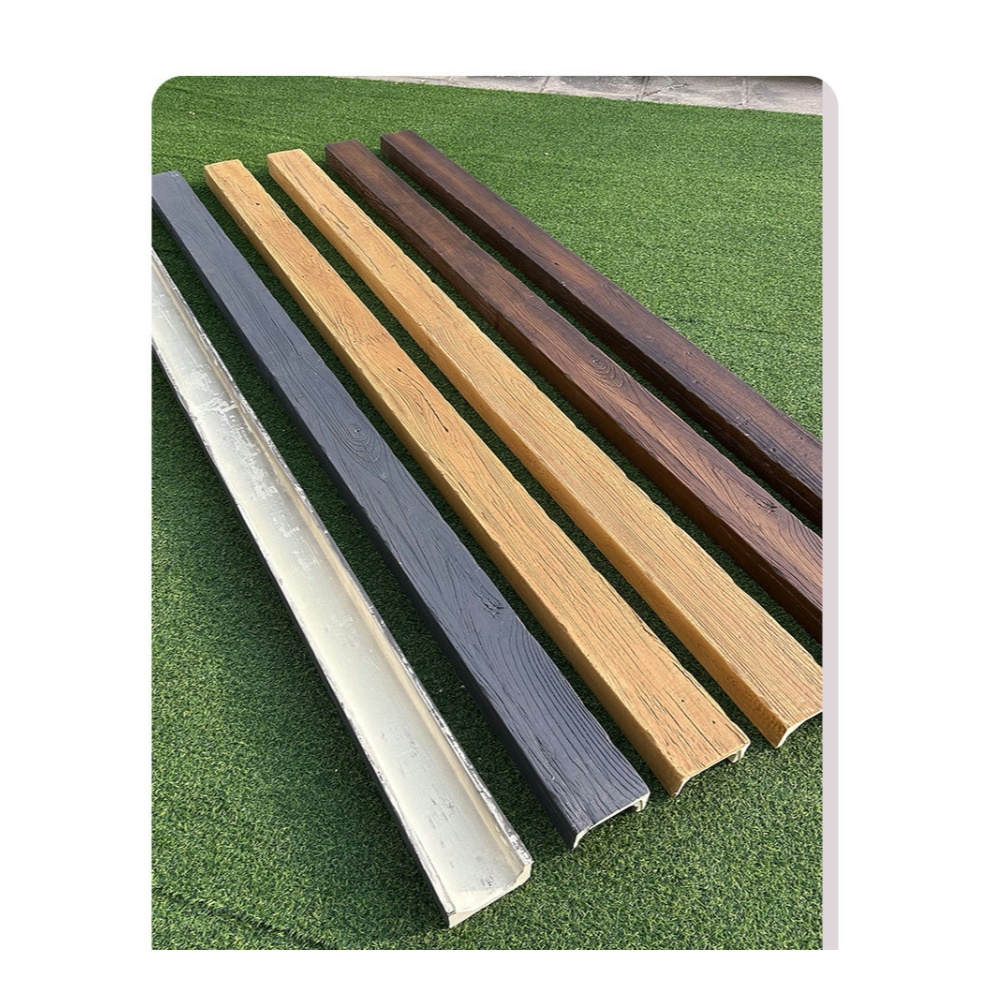
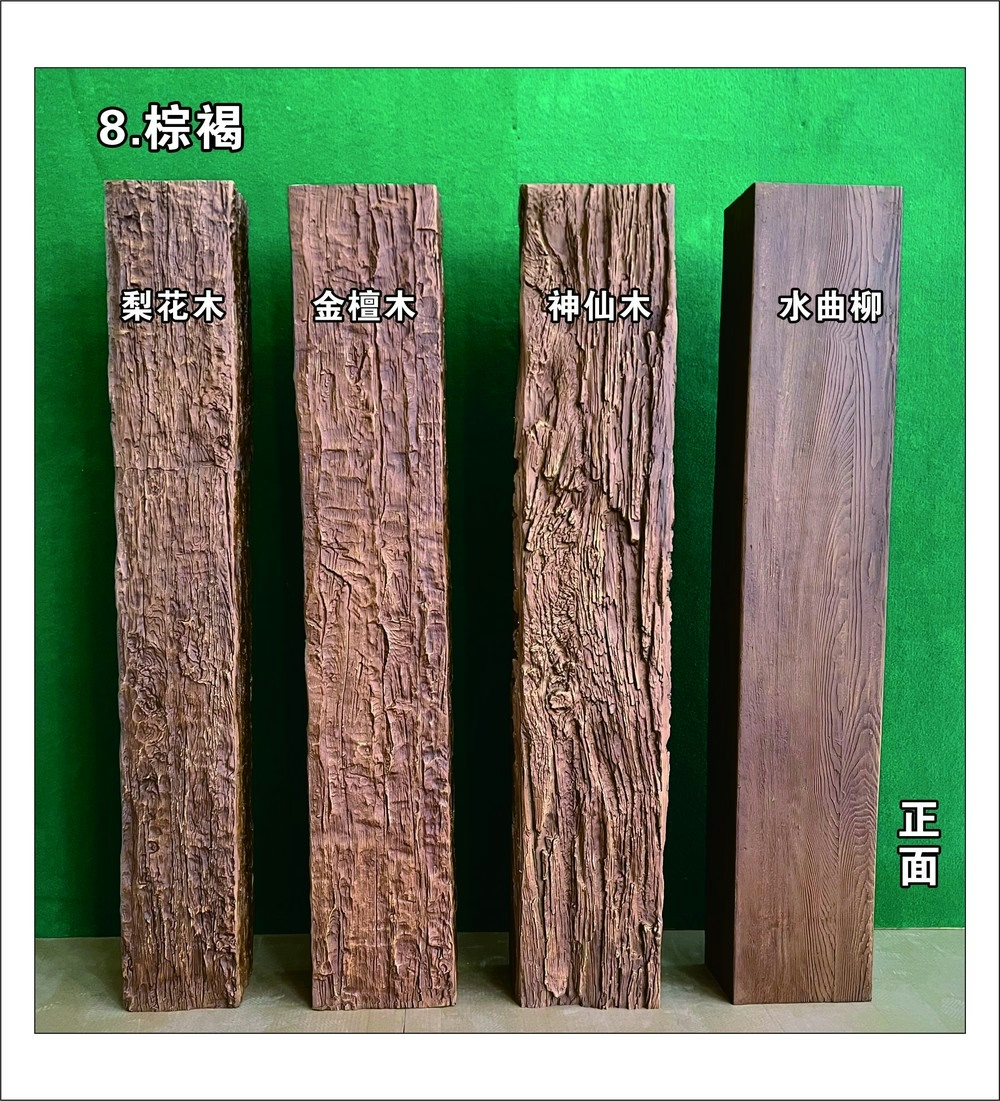
Custom fabrication carries connotations of premium pricing and extended timelines that discourage specification despite genuine need. Clients approve custom millwork conceptually but balk when pricing arrives, while contractors absorb cuts that compromise design intent rather than pursue expensive customization. This economy of compromise yields spaces less refined than budgets could support if materials adapted more readily to project requirements.
Polyurethane faux wood beams break this pattern through on-site customization capability that delivers custom results from inventory products. The psychological shift proves as important as the practical capability—designers and clients can specify knowing that sizing flexibility removes the custom-order burden. This permission to customize without penalty expands design possibilities and improves outcomes across project types.
Breaking the Custom Pricing Barrier
Custom pricing reflects setup costs amortized across limited production runs. A millwork shop charging premium rates for non-standard dimensions covers machine reconfiguration, template preparation, and quality verification that standard production avoids. These costs disappear when customization happens on-site with standard tools—the setup costs never materialize because no setup occurs.
Inventory economics support aggressive customization pricing. Suppliers maintain standard inventory that production efficiency keeps affordable. Customization occurs as service rather than manufacturing, eliminating the cost drivers that custom fabrication imposes. The result combines inventory pricing with customization capability.
Contractor efficiency improves alongside material savings. Crews complete installations faster when materials arrive quickly, and inventory availability supports immediate work commencement. The scheduling value compounds across projects, with cumulative time savings exceeding any per-project material savings.
Practical Customization Applications
Feature beam lengths frequently require customization. Design intent might call for beams extending wall-to-wall with specific endpoints, but standard lengths rarely match exactly. On-site cutting achieves the intended termination points without compromise or modification requests that custom orders would require.
Notch cutting accommodates building obstacles with precision that off-site fabrication cannot match. Electrical boxes, plumbing vents, and structural elements appear in locations that factory templates cannot anticipate. Site cutting addresses these elements as discovered, achieving fit that template-based custom orders would approximate at best.
Decorative elements benefit equally from customization capability. Scalloped ends, curved profiles, and architectural details that might require expensive custom fabrication become achievable through on-site technique. These details differentiate installation quality, rewarding skilled craftspersonship that custom orders would render invisible.
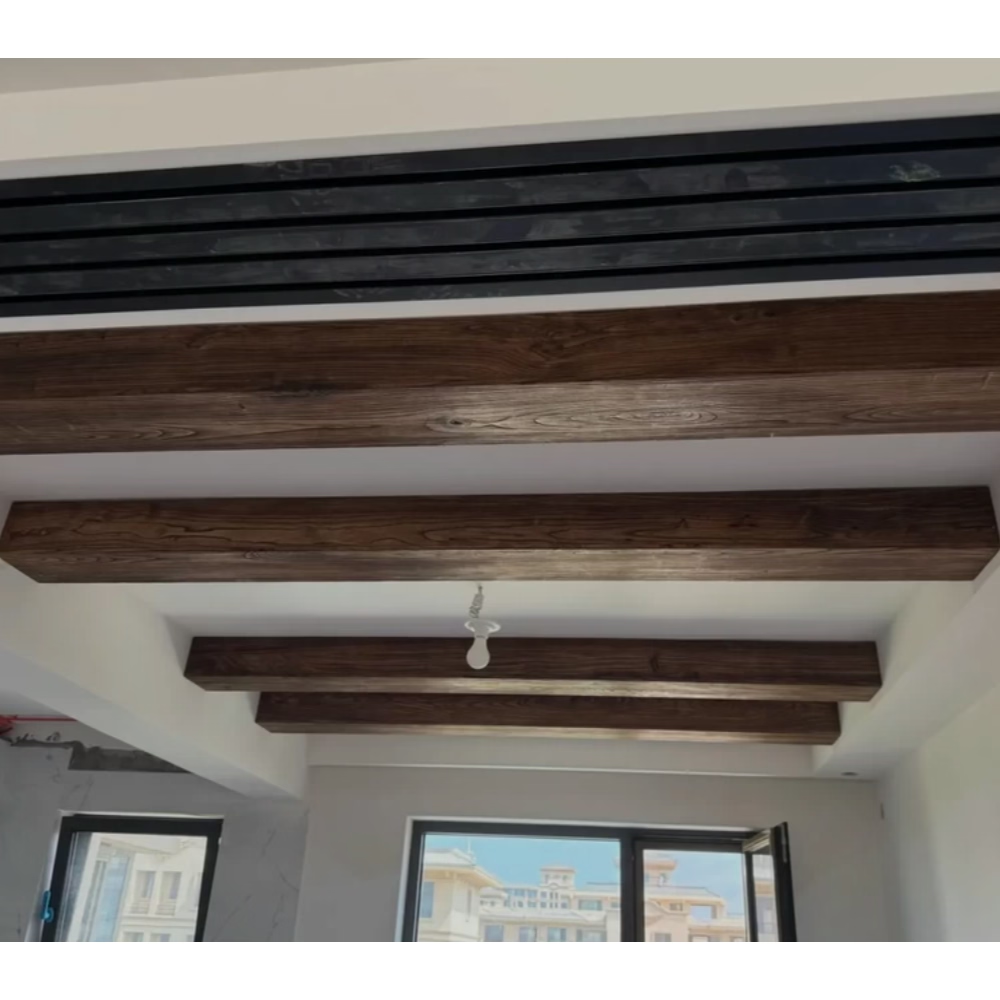
Workflow Optimization for Custom Installations
Successful customization requires workflow planning that inventory products demand. Measuring, cutting, test-fitting, and mounting sequences repeat throughout installations, and optimizing these sequences affects overall efficiency significantly. Experienced installers develop personal systems that balance speed with accuracy.
Staging areas for cut pieces prevent confusion during installation. Organized cutting layouts separate pieces by location, reducing the searching and sorting that disorganized workspaces impose. This organization proves particularly valuable for complex installations with many custom pieces.
Quality verification happens throughout workflow, not only at final installation. Checking measurements before cutting, verifying fit before mounting, and confirming alignment throughout installation catches errors early when correction remains easy. This ongoing verification discipline distinguishes professional installation from amateur attempts.

Client Communication and Expectation Management
Clients appreciate understanding customization capability because it sets realistic expectations. When clients know that beams will be cut on-site to achieve exact fit, they understand why beams arrive longer than their final appearance will suggest. This transparency prevents confusion that mysterious arrival dimensions might create.
Portfolio documentation captures customization work effectively. Before-and-after imagery demonstrates transformation more compellingly than finished photos alone, and cut-to-size capability enables documentation of impossible-to-achieve-without-customization results.
Warranty discussions acknowledge on-site work appropriately. Manufacturer warranties cover material defects, while installation quality depends on installer skill. Understanding this distinction helps clients evaluate warranty claims and installation concerns appropriately, directing questions to appropriate parties.
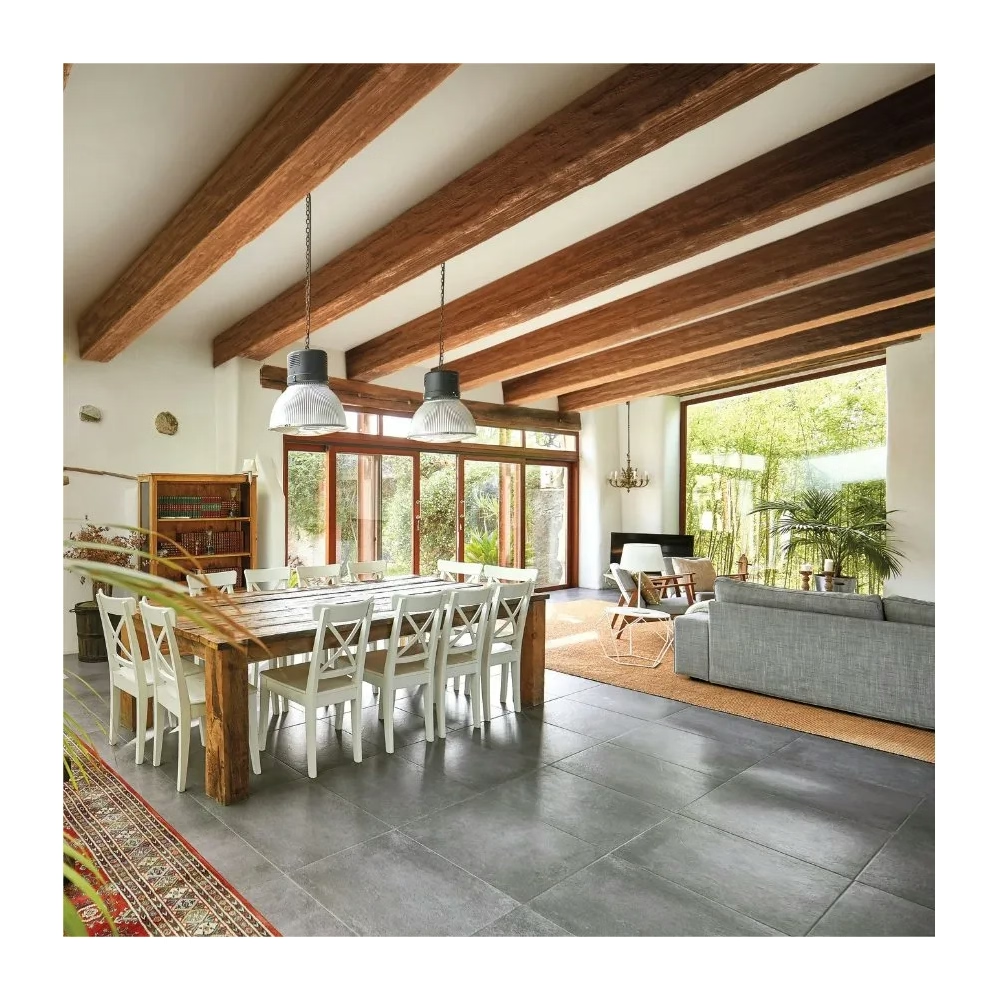
The permission to customize that polyurethane faux beams provide transforms project possibilities. Spaces achieve design intent without budget compromise, and professionals deliver refined results without custom-order complexity. This liberation serves everyone involved in construction, from designers through builders to the ultimate occupants who benefit from spaces where nothing required compromise.
Technical References
ASTM standards cited in every specification
Test Data
Lab results from internal testing program
Updated 2026
Reviewed against current product specs