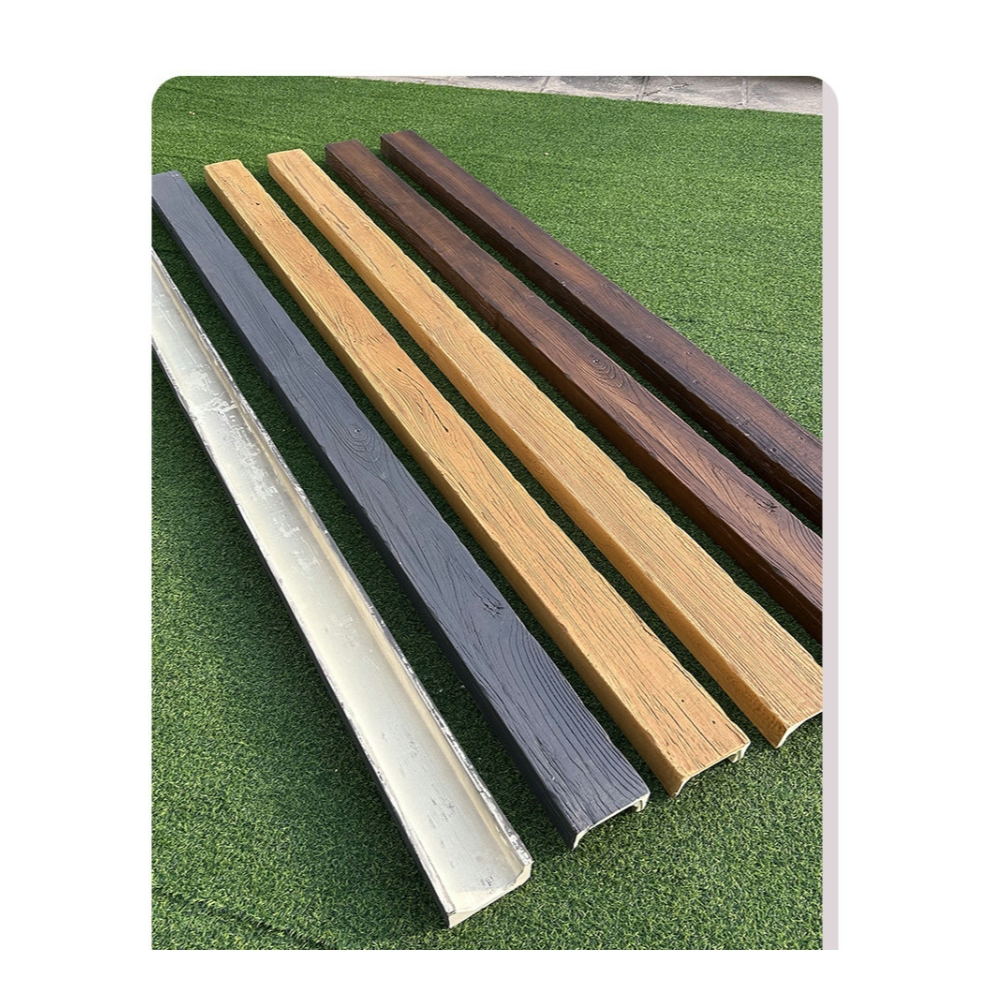
Purchasing materials for invisible results requires trust that specifications will produce intended outcomes. When selecting ceiling beams based on catalog photographs and small samples, customers invest considerable funds in products they have not seen in their actual space under actual lighting. Trial installation removes this uncertainty, enabling appearance verification and positioning confirmation before irreversible commitment occurs.
The trial installation concept acknowledges that ceiling treatments involve spatial relationships difficult to evaluate from floor-level viewing. Beams appear differently when mounted at ceiling height, and room lighting creates effects that showroom displays cannot replicate. Seeing actual beams in actual positions resolves these uncertainties definitively.
What Trial Installation Involves
Trial installation typically positions one or more beams temporarily while customers evaluate appearance and positioning. Mounting hardware remains loose, allowing repositioning if initial placement proves unsatisfactory. This exploratory phase continues until customer approval confirms final positioning.
Duration varies by customer preference and project complexity. Simple installations might involve brief positioning followed by immediate approval, while complex installations benefit from extended evaluation including different times of day when natural lighting varies. Some customers photograph trial positions and review images before committing.
Professional installers conducting trials understand that customer comfort drives the process. Questions about appearance deserve patient answers, and positioning adjustments happen readily without implying initial error. The trial concept only succeeds when customers feel comfortable providing honest feedback.
Benefits for Project Decision-Making
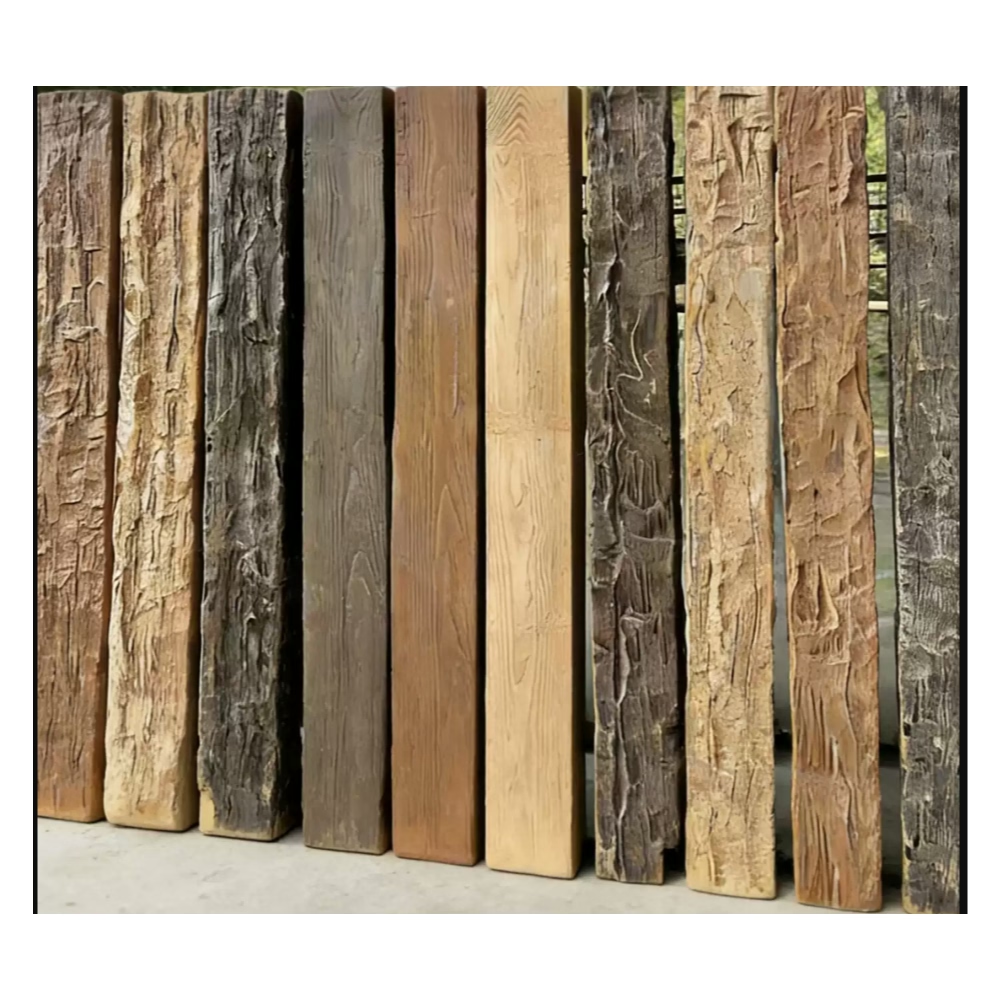
Color selection benefits enormously from trial installation. Catalog representations of wood tones vary by monitor calibration and photography lighting, producing potentially significant differences between expected and actual appearance. Trial installation reveals actual colors under actual room lighting, preventing costly errors when permanent installation would reveal unwanted tones.
Scale evaluation becomes possible through trial positioning. Catalog photographs cannot convey how beam size relates to actual room dimensions. A beam appearing substantial in photos might seem overwhelming in a modest room, while beams appearing delicate in images might read appropriately in actual space. Trial installation prevents these surprises.
Spacing decisions require spatial evaluation that trial installation enables. How closely should beams mount? What spacing creates intended visual effect? These questions answer themselves when actual beams occupy actual ceiling positions, revealing spacing effects that drawings cannot communicate.
Professional Installation Services
Hiring professionals for trial installation brings experience that guides positioning decisions. Installers understand design principles that affect beam placement, suggesting positions that achieve intended effects rather than simply mounting where directed. This guidance proves particularly valuable for customers without design background.
Professional trial service includes cleanup that amateur attempts might skip. Trial beams return to inventory after approval, leaving spaces clean for permanent installation. This service convenience appeals to customers who value professional handling throughout the process.
Scheduling coordination becomes simpler when professionals manage trials. Installer availability, customer availability, and material availability align through professional coordination, reducing the logistical effort customers would otherwise manage independently.
When Trial Installation Makes Sense
New customers benefit from trial installation more than established customers with product familiarity. When trying a new supplier or product line, trial installation builds confidence that assumptions about quality and appearance match reality. This trust-building investment supports ongoing relationships.
Complex installations warrant trials more than simple installations do. Multiple beam configurations, intricate patterns, and significant investments deserve verification before commitment. The trial cost proves worthwhile against project totals that errors would compromise.
Customer uncertainty always justifies trial consideration. When choices feel difficult despite available information, trial installation resolves uncertainty through direct experience. No amount of catalog review substitutes for seeing actual products in actual spaces.


Alternatives to Full Trial Installation
Sample ordering provides partial verification when full trial installation seems excessive. Small beam samples allow color and texture evaluation without ceiling positioning, addressing some uncertainty while remaining economical. This approach suits projects where confidence exceeds complete uncertainty but falls short of full commitment.
Photograph consultation enables remote evaluation for customers unable to participate in on-site trials. Customers photograph trial positions and submit images for professional review, receiving positioning guidance based on actual results. This hybrid approach combines trial benefits with accessibility.
Virtual consultation uses room measurements and beam specifications to predict appearance mathematically. Software generates simulated views showing beams in intended positions, providing approximate evaluation that supports purchasing decisions. These tools cannot match actual trial installation but offer reasonable verification for straightforward projects.
Trial installation service acknowledges that ceiling decisions deserve confidence rather than hope. The investment in trial service prevents disappointment that permanent installation reveals dissatisfaction, transforming purchasing uncertainty into informed commitment. This service philosophy prioritizes customer success over simple transaction completion.
Technical References
ASTM standards cited in every specification
Test Data
Lab results from internal testing program
Updated 2026
Reviewed against current product specs