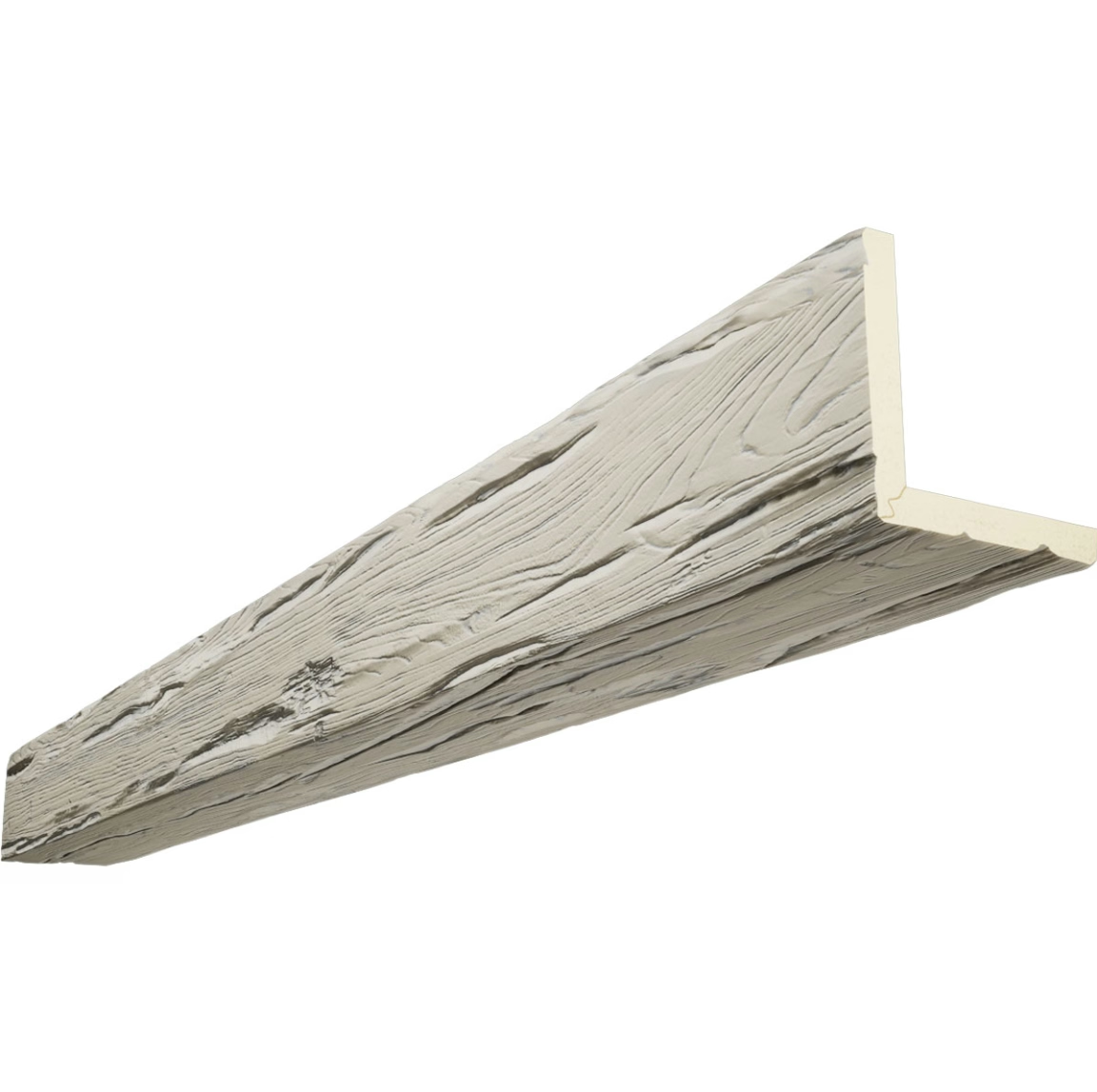
Interior design achieves its highest expression when spaces tell stories unique to their occupants and purposes. Standard catalog offerings, however beautiful, represent compromises between generality and specificity that necessarily dilute distinctive character. One-of-a-kind unique texture polyurethane faux beams transcend the ordinary, providing designers with tools for creating spaces as individual as the people who inhabit them.
The Psychology of Unique Spaces
Humans respond emotionally to environments that demonstrate care, intention, and individual expression. Spaces featuring standard, easily replicated elements communicate assembly-line thinking that feels impersonal. Conversely, environments with unique character elements signal attention to detail and appreciation for the extraordinary that resonates deeply with occupants and visitors.
Originality in design creates memorable experiences that standard environments cannot match. Hospitality venues, retail spaces, and entertainment destinations benefit from distinctive environments that generate word-of-mouth recommendation and social media sharing. Architectural uniqueness becomes part of brand identity that competitors cannot easily replicate.
Investment in unique design elements often appreciates rather than depreciates. Distinctive environments attract tenants, customers, and attention that generic spaces struggle to generate. The premium value of unique design extends beyond aesthetic satisfaction to tangible business and property value benefits.
Artisan Texture Development Process
Creating unique textures begins with consultation to understand design intent, aesthetic references, and practical constraints. Inspiration may derive from historical sources, natural materials, or completely original creative visions. The development process translates abstract concepts into tangible production specifications.
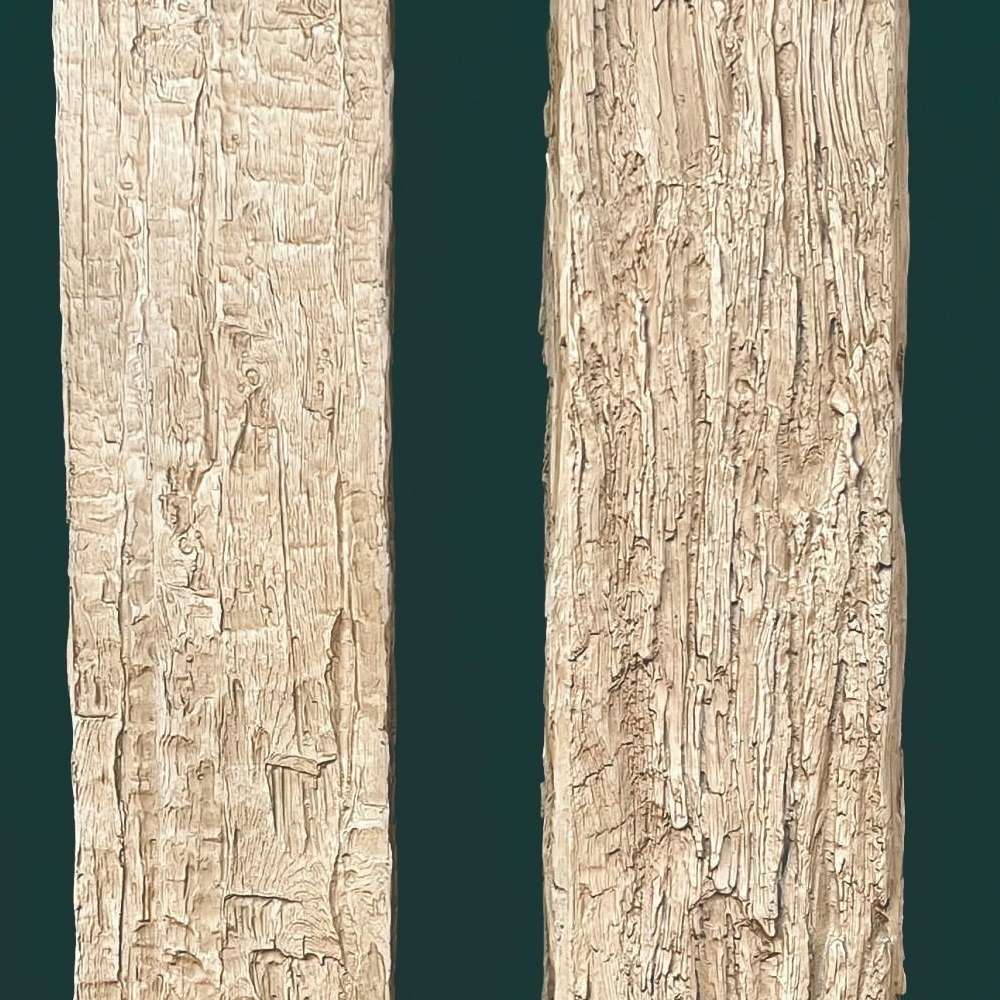
Hand-crafting prototype surfaces employs traditional techniques adapted for polyurethane material. Carving, stamping, texturing, and finishing operations create surfaces that replicate effects achievable in natural materials. Multiple technique combinations produce textures impossible in any single material system.
Digital fabrication technologies including CNC carving and 3D printing enable complex texture reproduction with high consistency across production quantities. These technologies bridge handcraft precision with production efficiency, making unique textures economically viable for larger projects.

Customization Beyond Texture
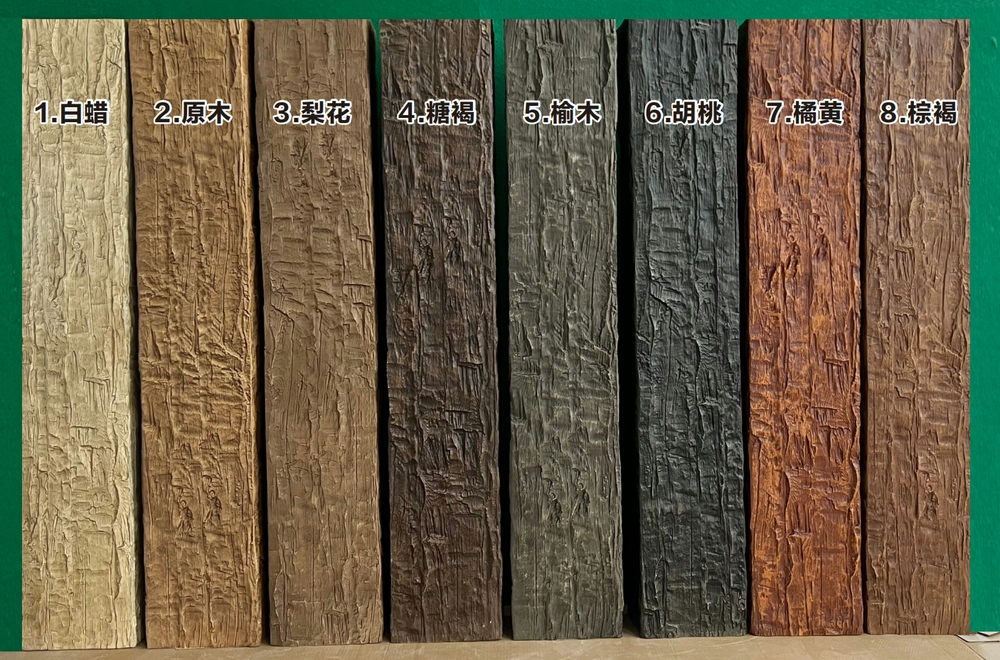
Surface color development expands design possibilities beyond standard palette offerings. Custom stain formulation matches existing woodwork, corporate branding, or completely original color visions. Color consultation services help translate mood board inspiration into precise finish specifications.
Multi-surface treatments combine textures with painted elements, metal leaf applications, or embedded materials. Bronze patina accents on wood-textured beams create sophisticated contrasts that single-material surfaces cannot achieve. Glass, stone, or shell inlays add sparkle and visual interest to high-design installations.
Structural customization produces beams with non-standard proportions, unusual profiles, or integrated functional elements. Beams incorporating concealed lighting channels, acoustic treatment surfaces, or built-in mounting systems combine aesthetics with functionality in unique configurations.
Applications for Distinctive Interiors
Hospitality suites and executive boardrooms benefit from unique beam treatments that communicate brand values and design sophistication. Five-star hotels featuring custom beams signal attention to detail that guests associate with premium service. Corporate headquarters using distinctive design elements reinforce brand identity for employees and visitors.
High-end residential installations in luxury homes justify custom beam development for spaces where discerning clients expect individual expression. Master suites, wine cellars, and home libraries deserve design elements reflecting the importance these spaces hold for owners. Custom beams become conversation pieces that visitors remember.
Entertainment venues including performance spaces, upscale restaurants, and destination hospitality establishments attract clientele seeking experiences unavailable elsewhere. Unique design elements create Instagram moments and word-of-mouth recommendations that standard interiors cannot generate. Investment in custom design returns value through customer attraction and premium pricing justification.
Commissioning Custom Beam Projects
Initial consultation establishes project scope, budget parameters, and timeline requirements. Concept development explores possibilities before committing to specific approaches. Feasibility assessment addresses technical challenges and identifies development paths for achieving design intent.
Prototype development produces sample pieces for design review and client approval. This iteration refines textures, colors, and finishes before production commitment. Sample review typically requires two to four weeks depending on complexity. Multiple revision cycles may extend development timelines for demanding projects.
Production planning integrates custom beam fabrication with project scheduling to ensure timely delivery. Installation coordination ensures that custom pieces arrive when needed without creating site storage challenges. Commission documentation preserves specifications for future reference, reorders, or matching installations in other spaces.
Technical References
ASTM standards cited in every specification
Test Data
Lab results from internal testing program
Updated 2026
Reviewed against current product specs


