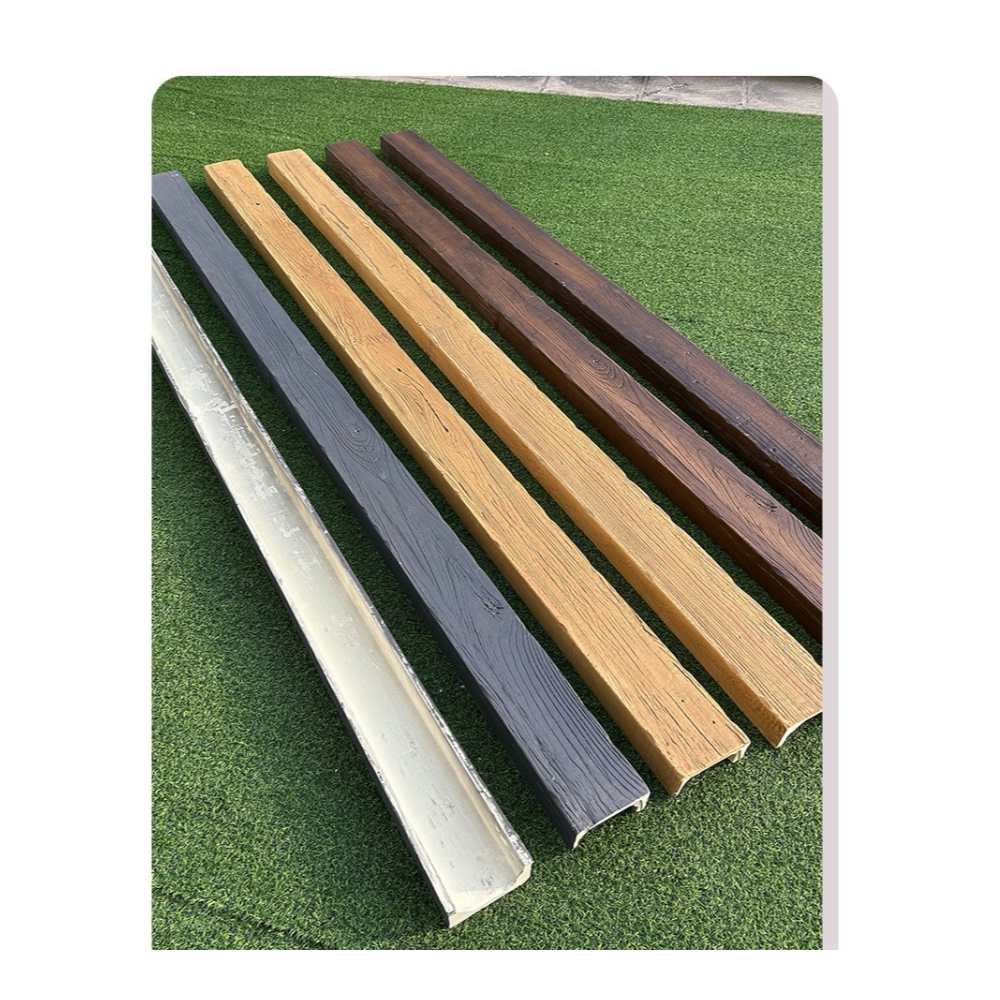
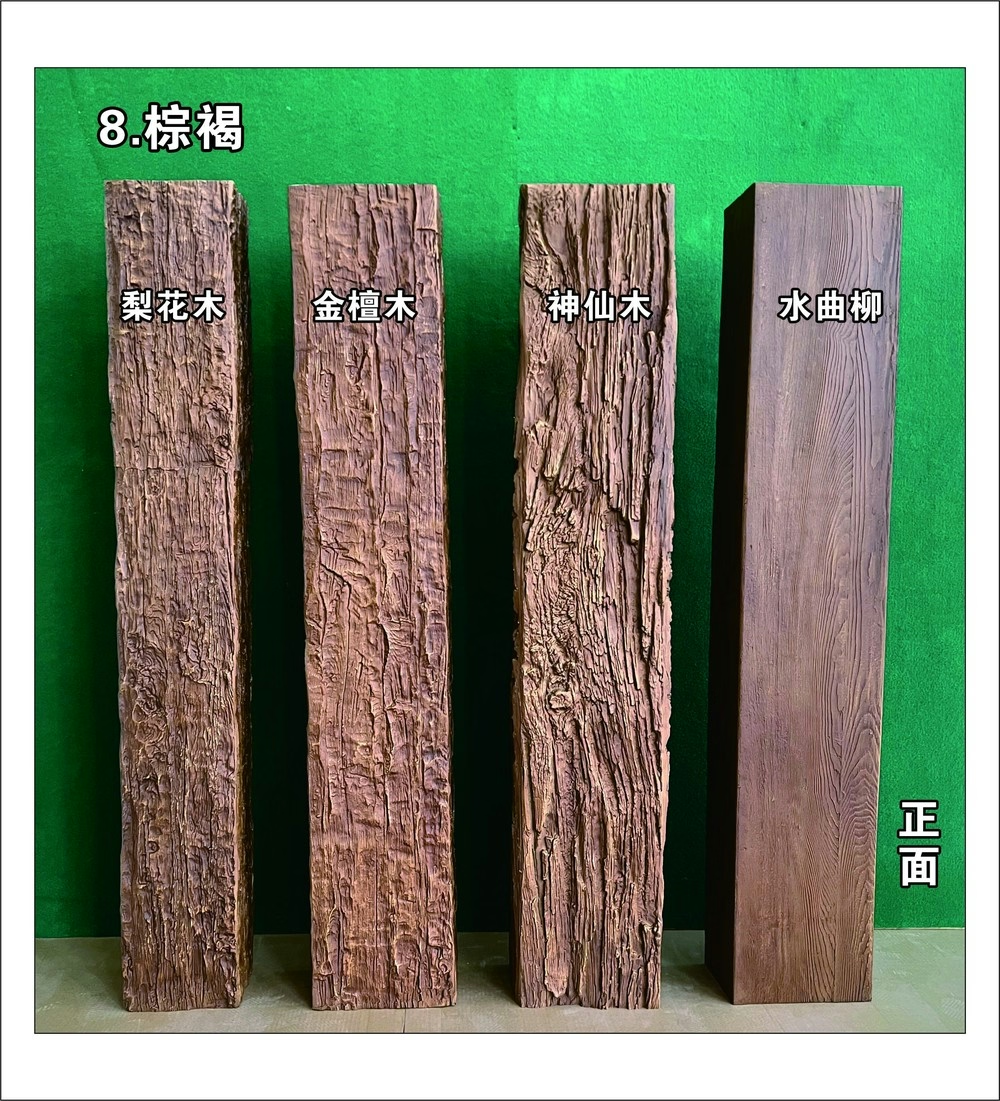
Labor represents the largest single cost component in most construction and renovation projects. Material expenses, while significant, pale beside the accumulated wages, equipment rentals, and schedule impacts of multi-person installation crews. Lightweight polyurethane faux beams fundamentally alter this economic equation, transforming beam installation from crew-dependent major undertaking to achievable single-person project.
The Weight Advantage Explained
Standard dimensional lumber measuring 6x8 inches in kiln-dried Douglas fir weighs approximately 8-10 pounds per linear foot. A 16-foot beam of this size tips the scales at 130-160 pounds—beyond comfortable handling for any individual and requiring two or three workers for safe maneuvering. Reclaimed timber of similar dimensions often weighs even more due to higher density and residual moisture.
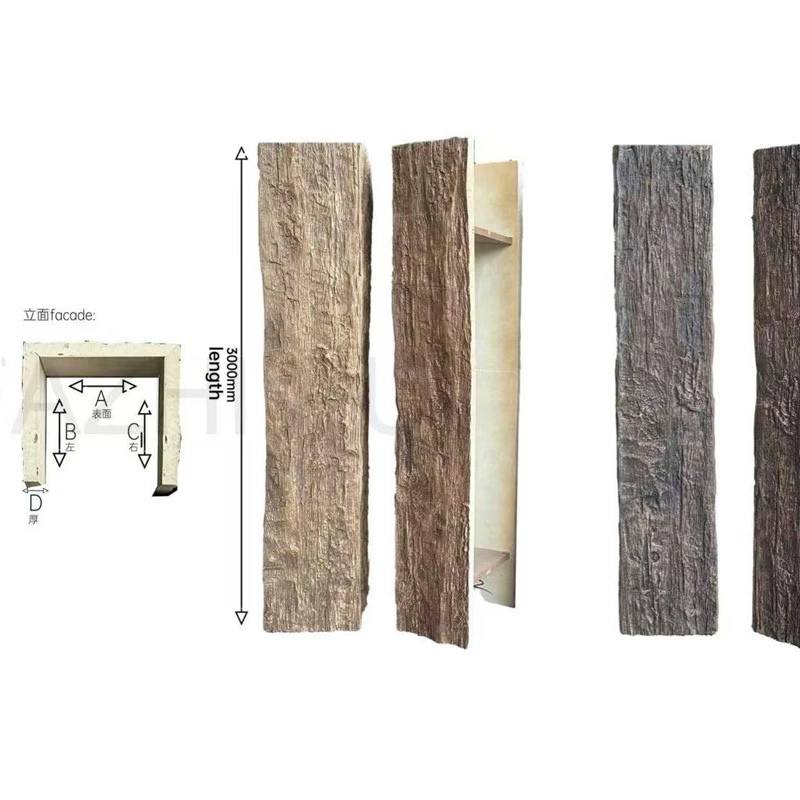
Polyurethane faux beams achieve densities of 15-25 pounds per cubic foot, compared to 30-35 pounds per cubic foot for dry Douglas fir. The same 6x8 inch profile measuring 16 feet long weighs approximately 30-40 pounds. This dramatic weight reduction enables single-person handling throughout the installation process without specialized equipment or additional labor.
The practical significance extends beyond simple handling. Single workers can position beams, hold them in place during fastening, and make adjustments without waiting for assistance. This autonomy eliminates scheduling coordination challenges and allows continuous productive work rather than crew waiting time.
Installation Process Efficiency
Traditional timber installation requires multiple workers just to transport materials from delivery point to installation location. Stairwells, hallways, and tight corners that would be impassable for long timber beams present no obstacle for lightweight alternatives. One person carrying beams from truck to ceiling requires no coordination, equipment, or scheduling complexity.
Positioning at installation height becomes manageable without ladder repositioning coordination or mechanical assist devices. Workers can hold beams in position with one hand while fastening with the other. This capability enables clean, controlled installation without the rushed, awkward positioning that multi-person crews sometimes resort to.
Adjustment and fine-tuning during installation benefits from the ability to work without helper coordination. Leveling, alignment, and positioning corrections happen immediately rather than requiring back-and-forth communication. The installation quality improves through the craftsman's ability to focus entirely on the task rather than crew management.
Cost Analysis for Professional Contractors
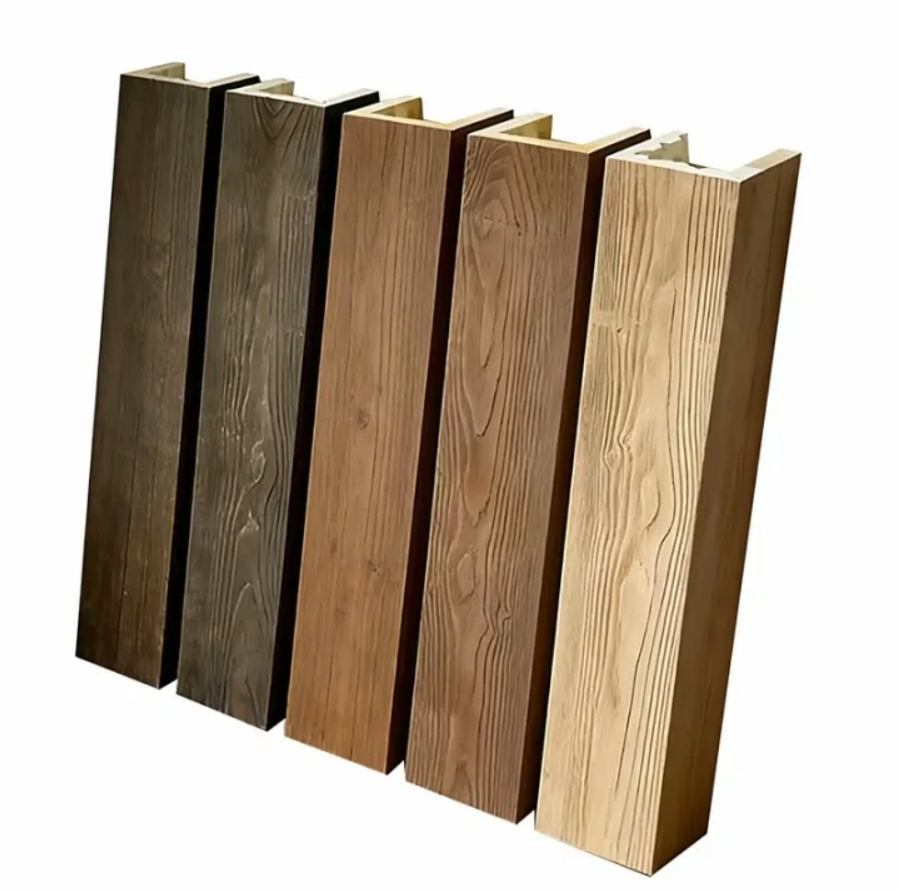
Labor cost savings from one-person installation directly improve project profitability or competitive pricing capability. Assuming a three-person crew at $35/hour combined rate working four hours on beam installation, the labor cost reaches $560. Single-person installation at the same rate reduces this to approximately $140—net savings of $420 before considering equipment rental or crew scheduling complexity.
Equipment rental elimination adds further savings. Traditional timber beam installation may require scissor lifts, material hoists, or other equipment rental for multi-hundred-dollar daily rates. Single-person PU beam installation proceeds safely from ladders or standard scaffolding already present for other finish work.
Schedule compression reduces overhead allocation to beam installation work. Faster completion frees labor for subsequent project phases, improving overall project throughput. Contractors completing more projects annually increase revenue without proportional labor cost increases.
DIY Homeowner Feasibility
Ambitious homeowners increasingly tackle finish carpentry projects that professional contractors once dominated. Lightweight PU beams enable these DIY installations that would be impossible with genuine timber. Weekend warriors can achieve professional-quality results without hiring contractors for beam installation.
The satisfaction of completing major architectural installations oneself creates pride of ownership that contracted work cannot match. DIY-installed beams become features that homeowners point out to visitors, connecting them more deeply to their living spaces. This emotional value extends beyond any monetary savings.
Learning opportunities abound in DIY beam installation. Understanding how beams mount, align, and finish develops carpentry skills applicable throughout the home. The knowledge gained reduces future contractor reliance and enables confident handling of related projects.
Safety Improvements
Worker safety improves substantially when individuals handle manageable loads without assistance. Strain injuries from awkward lifting affect construction workers disproportionately. Single-person lightweight beam handling eliminates these risks entirely for this installation category.
Reduced crew requirements minimize exposure to fall hazards associated with additional workers on ladders and scaffolds. Fewer bodies moving through work zones reduces collision and interference incidents. Simplified coordination requirements decrease stress and rushed behavior that contributes to accidents.
Ergonomic handling positions become possible with lightweight materials that allow comfortable postures throughout installation. Workers maintain neutral spine positions, keep loads close to body, and avoid the twisting, reaching, and awkward postures that heavy timber demands.
Tips for Successful Single-Person Installation
Pre-layout and marking before beginning installation enables efficient one-person execution. All reference lines, beam positions, and mounting locations should be established before positioning the first beam. This preparation prevents the start-stop coordination that multi-person installation sometimes allows.
Temporary support systems using adjustable stands or support rods hold beams in position while fasteners are driven. These inexpensive accessories enable one-person installation of configurations that would otherwise require helpers. Commercial beam support brackets or improvised blocking both serve this purpose effectively.
Quality fastening systems including finish nails, construction adhesive, and concealed mounting brackets provide secure attachment without visible hardware. Planning fastener placement for minimal visibility completes professional-quality installations that appear to float or self-support.
Technical References
ASTM standards cited in every specification
Test Data
Lab results from internal testing program
Updated 2026
Reviewed against current product specs