Walking through our online project gallery feels like flipping through the pages of an architecture magazine, except everything here features products you can actually purchase and install in your own space. We've gathered real-world installations from residential homes and commercial properties across the globe, demonstrating how polyurethane faux wood beams solve design challenges that traditional lumber simply cannot address.
The gallery organizes projects by room type, style category, and installation complexity, making it easy to find relevant examples for your specific situation. Whether you're working on a compact urban apartment or an expansive commercial lobby, seeing how other designers and homeowners have used these materials provides invaluable creative direction.
Residential Transformations with Faux Wood Beams
One of the most satisfying aspects of browsing project galleries is discovering unexpected applications. A homeowner in Vancouver transformed their dark basement into a warm entertainment space by installing espresso-stained faux beams across the ceiling. The beams added architectural interest while creating visual zones for the bar area, seating nook, and gaming section without requiring traditional construction methods.
The project photos reveal how strategic beam placement can address challenging room proportions. In homes with vaulted ceilings, beams draw the eye upward and make soaring spaces feel intentional rather than empty. Designers frequently use this technique in great rooms where the volume would otherwise feel impersonal. The gallery includes several examples showing how beam spacing affects perceived ceiling height—closer spacing creates intimacy, while wider gaps emphasize grandeur.
Coastal homes present unique design opportunities, and our gallery showcases several Mediterranean-style residences where light-colored faux beams complement whitewashed walls and terracotta floors. These installations demonstrate that faux wood beams aren't limited to rustic mountain cabins; they adapt beautifully to diverse aesthetic vocabularies.
Commercial Spaces Elevated by Polyurethane Beams
Restaurants and hospitality venues constitute a significant portion of our commercial project gallery. A boutique hotel in Portland installed faux timber beams in their lobby and breakfast room, achieving the weathered character of reclaimed wood without the weight and installation challenges of authentic reclaimed materials. Housekeepers reported lighter workloads since the beams collect neither dust nor allergens, and maintenance staff appreciated that cleaning required only occasional dusting.
The gallery includes a craft brewery in Austin where exposed faux beams span the industrial space, creating warmth that counterbalances concrete floors and metal ductwork. Restaurant owners often struggle with the tension between aesthetic goals and practical constraints—commercial kitchens require accessible ceilings for maintenance, while dining areas demand ambiance. Several projects in our gallery demonstrate how removable beam sections and strategic placement navigate these competing requirements.
Retail spaces benefit equally from faux beam installations. A wine bar in Chicago used custom-colored beams that match reclaimed wood aesthetics while maintaining strict fire codes that prohibited actual lumber in their occupancy category. The distinction matters for commercial projects where building permits and insurance requirements often preclude traditional wood in certain applications.

Style Variations and Finish Selection
Browsing the gallery reveals fascinating patterns in finish selection. Natural oak and honey-toned beams dominate traditional and farmhouse-style installations, while gray-washed and white-stained options appear frequently in coastal and Scandinavian-inspired interiors. The gray trend surprised many in our design community when it emerged, but the gallery demonstrates how these muted tones create sophisticated backdrops for modern furniture and artwork.
Dark walnut and ebony beams have gained popularity in contemporary and industrial settings, providing dramatic contrast against light walls and emphasizing architectural lines. A design firm in New York featured several projects in our gallery where charcoal beams anchor minimalist apartments, adding visual weight without overwhelming clean design principles.
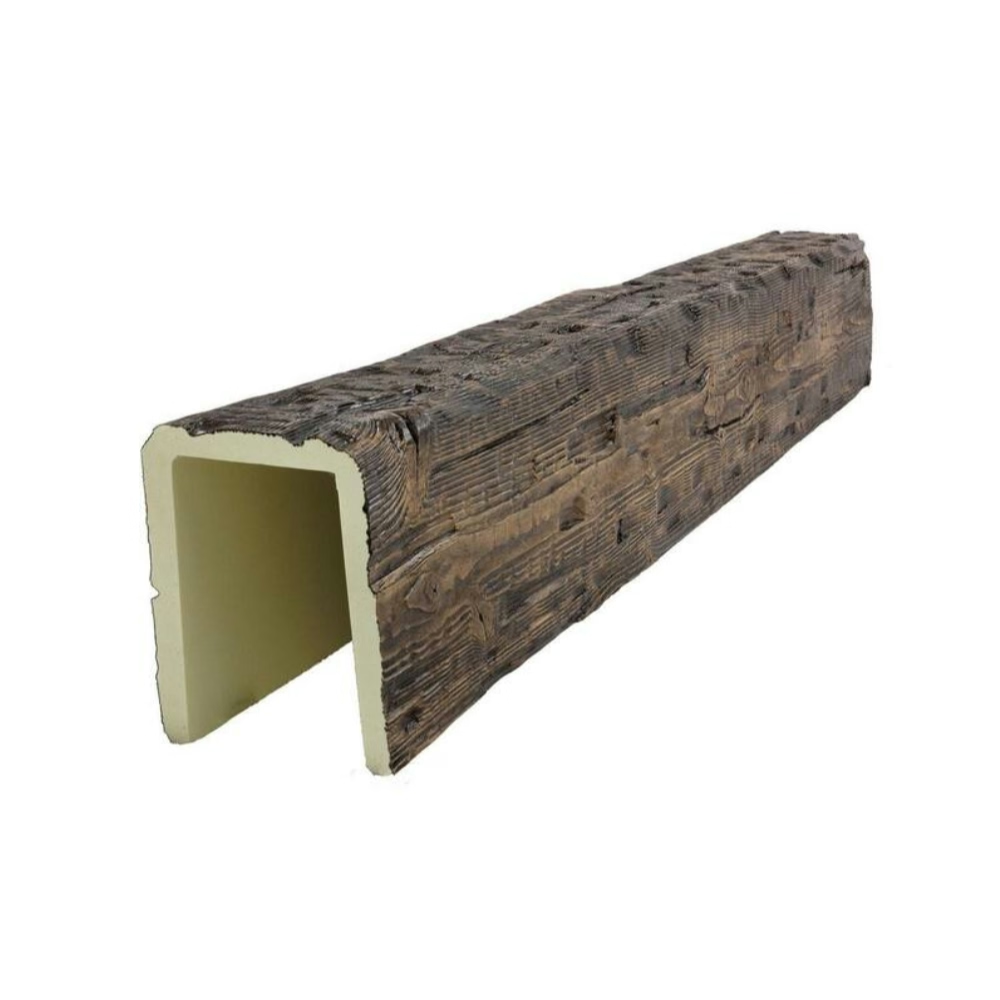
Textured versus smooth finishes present another meaningful choice visible throughout the gallery. Hand-scraped textures simulate authentic wood character, while smooth finishes read more contemporary and streamlined. Some designers combine both within single installations, using textured beams in main living areas and smooth options in more formal spaces like entryways and studies.
Navigating Your Project with Gallery Tools
Our online gallery includes filtering tools that help narrow results by beam type, room function, design style, and installation context. Contractors appreciate filtering by installation complexity, allowing them to share relevant examples with clients during consultation meetings. Homeowners find filtering by budget range useful for establishing realistic expectations before diving into detailed product specifications.
Each project entry includes relevant product codes, enabling direct lookup from the gallery into our catalog. This connection between inspiration and purchase eliminates the frustration of admiring a look without knowing how to recreate it. Design professionals particularly value this feature, noting that it accelerates client approval processes when concrete product options exist rather than abstract descriptions.
Project contributors often share renovation stories alongside their photos, describing challenges encountered and solutions discovered. These narratives humanize the gallery and provide practical wisdom that transcends any single installation. Reading about how others resolved similar challenges—whether structural limitations, unusual room geometries, or aesthetic hesitations—builds confidence for your own project decisions.
The gallery continues expanding as customers share their completed installations, creating an ever-growing resource that reflects real-world applications rather than idealized staging. Submitting your own project takes only minutes and contributes to a collective resource that helps the entire community make informed decisions about incorporating faux wood beams into their spaces.
Technical References
ASTM standards cited in every specification
Test Data
Lab results from internal testing program
Updated 2026
Reviewed against current product specs


