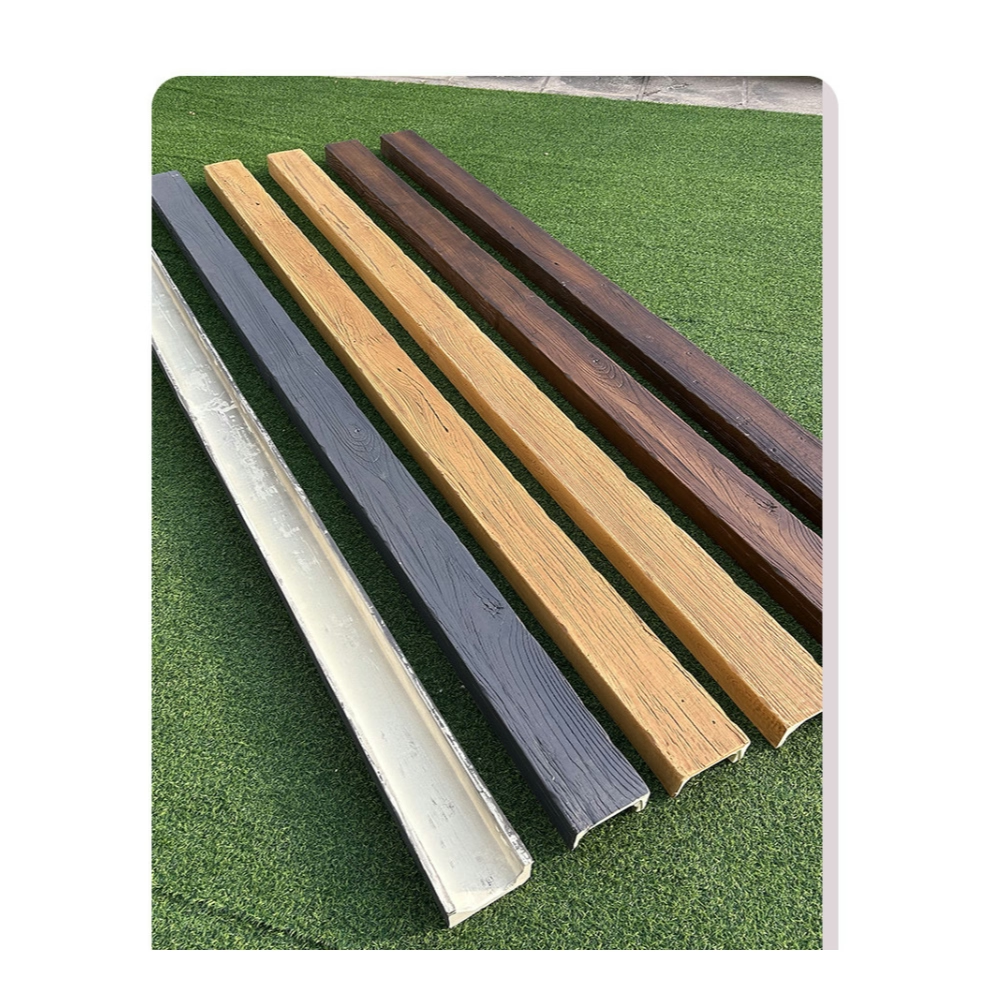
Installation complexity determines who can accomplish ceiling beam projects successfully. Products requiring specialized knowledge, custom equipment, or extensive experience restrict successful installation to trained professionals, limiting market adoption and unnecessarily professionalizing what could remain accessible. Open shell hollow beam design prioritizes installation simplicity, expanding successful installation to contractors and capable homeowners alike.
The design philosophy underlying easy-installation products acknowledges that ceiling beams serve aesthetic purposes that installation expertise cannot justify. A beautiful ceiling should be achievable by everyone who desires it, not only those with construction backgrounds. This democratization serves customers, contractors, and the products themselves through expanded market participation.
Design Features That Simplify Installation
Lightweight construction enables single-person handling that heavy products prevent. Hollow shell profiles achieve dramatic weight reduction compared to solid alternatives, making beam manipulation manageable for individual installers regardless of physical size. This weight reduction transforms what would require multiple workers into single-person work.
Integrated mounting features eliminate the custom fabrication that external mounting systems require. Some open shell beams include mounting channels accepting standard fasteners directly, while others feature recessed areas that hide mounting hardware from view. These integrated features streamline what would otherwise require custom solution development.
Interlocking components simplify multi-beam installations where beams must connect or intersect. Rather than requiring custom fitting, interlocking designs ensure consistent results regardless of installer experience. The product guides installation rather than demanding installer expertise.
Mounting Approaches for Open Shell Beams
Surface mounting attaches beams directly to existing ceiling substrates using adhesives, screws, or combined systems. This approach suits situations where beam weight remains manageable and substrate provides adequate bonding surface. Surface mounting proves fastest but requires attention to surface preparation that ensures reliable adhesion.
Suspended mounting uses hanger systems that support beams from ceiling structure above. This approach addresses situations where surface mounting proves impractical, either due to substrate conditions or beam weight that surface mounting cannot accommodate. Suspended systems require more hardware but enable installations that surface mounting would prevent.
Furring strip mounting creates mounting surfaces where existing ceilings lack adequate material for direct attachment. Wood or metal furring strips attach to existing structure, providing continuous mounting substrate for beam installation. This approach adds thickness to ceiling assembly but enables installation where direct mounting would fail.

Do-It-Yourself Success Strategies
Planning prevents installation problems that correction would make expensive. Layout marking before any cutting or mounting establishes positioning that visual estimation cannot guarantee, revealing conflicts with electrical fixtures, HVAC equipment, or architectural features before irreversible decisions commit resources.
Test fitting before adhesive application confirms that positioning matches expectations. Beams positioned without adhesive allow repositioning if measurements prove inaccurate, while adhesive application commits positioning permanently. This test-and-confirm approach prevents the frustration of discovering errors after commitment.
Allowing adhesive curing time respects material limits that rushing violates. Manufacturers specify minimum cure times before beams support their own weight, and these specifications reflect testing that ensures reliable performance. Accelerating beyond recommended timelines risks bond failure that would require expensive remediation.
Contractor Benefits from Easy-Installation Design
Labor efficiency improves when installation simplicity enables faster completion. Faster installations generate more revenue per labor hour, improving project profitability that complex installations would compromise. This efficiency benefits both contractors and customers through competitive pricing that installation complexity would prevent.
Reduced callback risk accompanies quality installation that easy-to-use products facilitate. When products guide successful installation rather than demanding expertise, error rates decrease and warranty callbacks diminish accordingly. The reliability serves contractor reputation while reducing support burden for manufacturers.
Training new crew members proves simpler when installation involves straightforward processes rather than specialized techniques. The learning curve shortens, enabling productive contribution sooner than complex installation training would require. This efficiency benefits crew development and project scheduling alike.

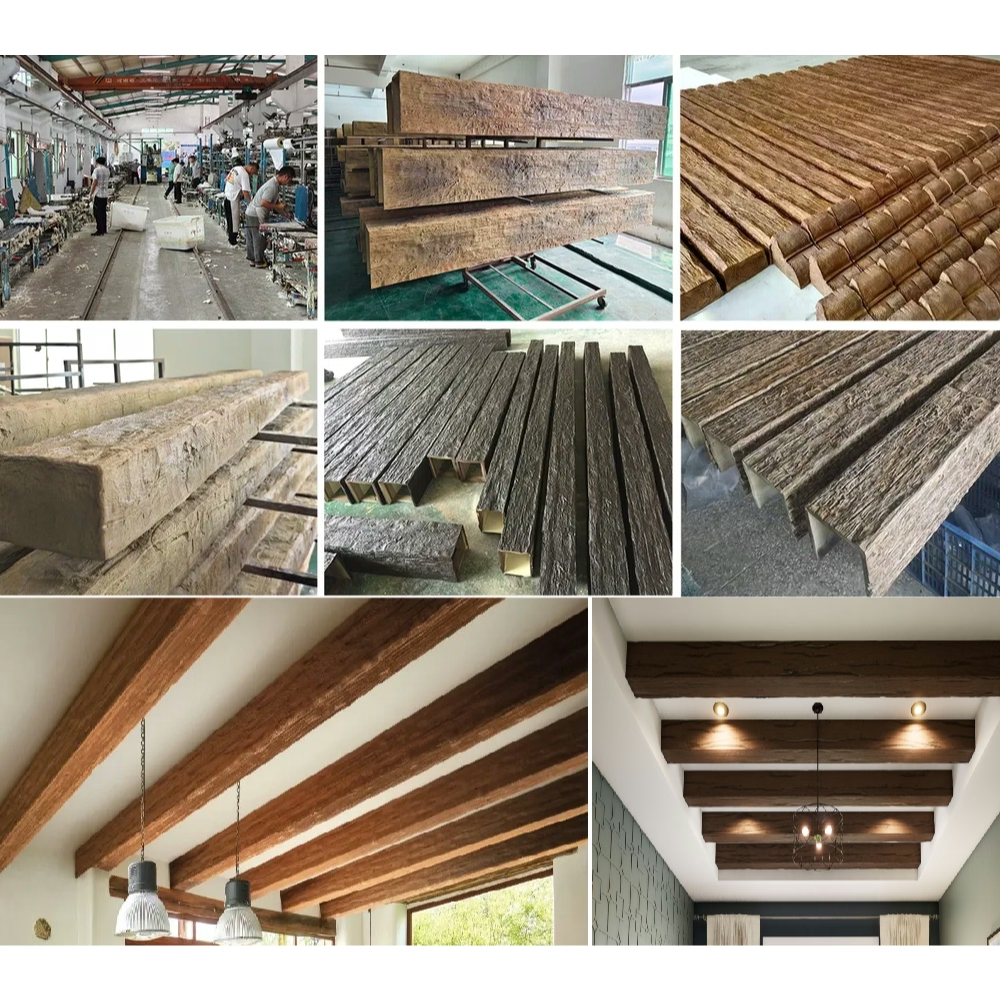
When Simplicity Should Not Compromise Quality
Installation ease should never excuse quality shortcuts that appearance or performance would eventually reveal. Even simple installations require appropriate surface preparation, adequate fastening, and attention to detail that ensures lasting results. The accessibility that easy-installation design provides should encourage rather than discourage professional execution.
Specification selection matters as much for easy-installation products as for complex ones. Products suited to straightforward mounting might not serve applications requiring superior performance, and specification should match product capabilities to application requirements. Easy installation never justifies inappropriate application.
Support resources remain available despite simplified installation. Manufacturers offering easy-installation products typically provide installation support through documentation, videos, and customer service. These resources supplement rather than replace careful attention to proper technique.
The open shell hollow beam approach reflects manufacturing wisdom that understands customer needs. By designing products that work for installers rather than demanding installers adapt to products, manufacturers expand their markets while serving customers better. This alignment of interests benefits everyone involved in the ceiling beam ecosystem.
Technical References
ASTM standards cited in every specification
Test Data
Lab results from internal testing program
Updated 2026
Reviewed against current product specs