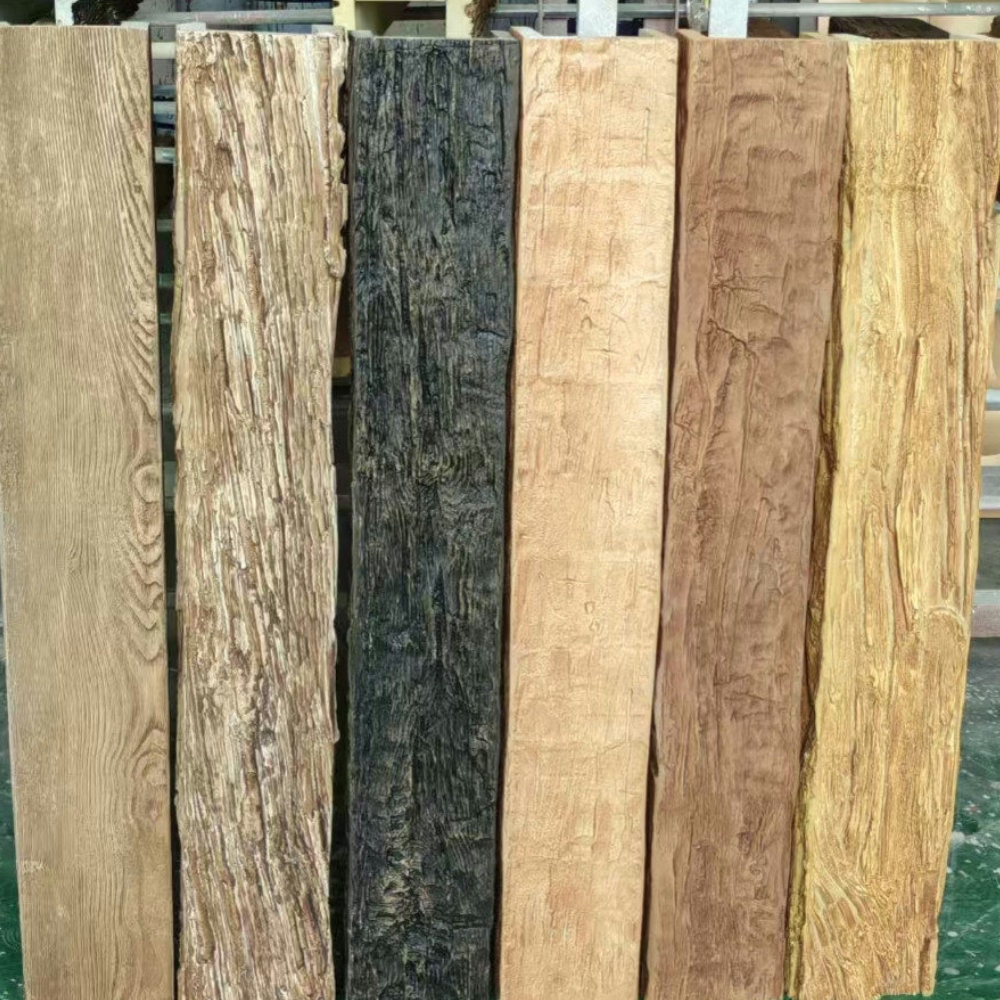
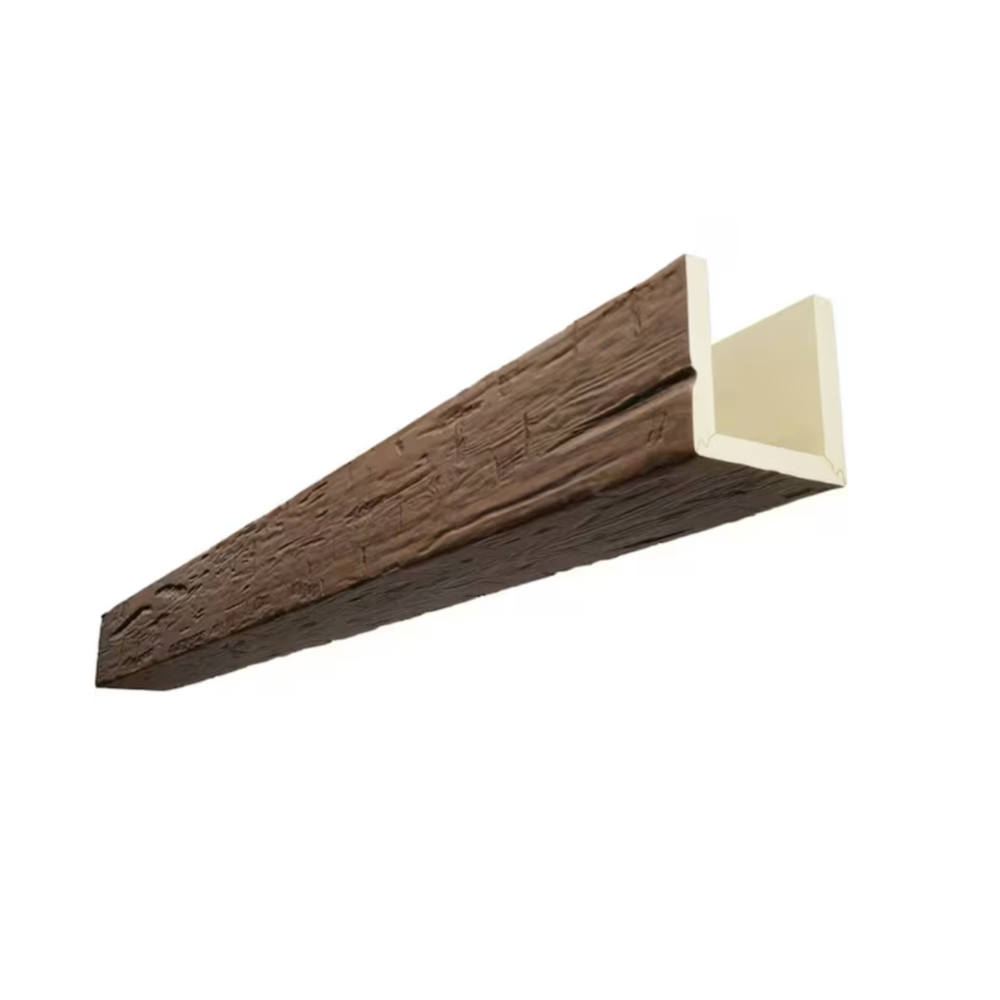
Organic modern design emerged as a response to increasingly digital, disconnected contemporary lifestyles. This design philosophy seeks to reintroduce natural elements, imperfect beauty, and grounded materiality into spaces dominated by smooth surfaces and manufactured perfection. Within this movement, natural wood look faux beams serve as powerful architectural anchors that establish warmth and authenticity while supporting the clean lines that define contemporary sensibilities.
The term "organic modern" encompasses several related but distinct design approaches. Scandinavian hygge emphasizes cozy comfort through soft textiles and warm lighting alongside natural materials. Japanese wabi-sabi celebrates imperfection and transience through asymmetrical arrangements and aged materials. Californian organic modernism draws from mid-century sources while embracing flowing interior-exterior boundaries. Natural wood look beams adapt readily across these variations, providing consistent warmth with flexible aesthetic compatibility.
Understanding organic modern design requires rejecting the false dichotomy between nature and technology that earlier design movements sometimes presented. Organic modern spaces welcome contemporary materials and technologies while ensuring human comfort and environmental connection remain paramount. The approach recognizes that authentic experiences of nature require not just natural materials but appropriate context—spaces designed for habitation rather than exhibition.
Core Principles of Organic Modern Aesthetics
Simplicity forms the foundation of organic modern design. Spaces avoid visual clutter through careful editing and multifunctional design that reduces unnecessary elements. When beams enter such environments, they earn their presence by contributing meaningful aesthetic value rather than merely adding decorative complexity. The principle suggests restraint in beam sizing and quantity—strategic placement of meaningful elements rather than comprehensive coverage.
Warmth distinguishes organic modern from purely minimalist approaches that might feel cold or clinical. This warmth derives from material selection, color temperature, and textural variety working together. Natural wood look beams provide visual warmth through color and pattern while contributing textural complexity through grain and surface character. These material properties address warmth requirements that purely painted or glossy surfaces cannot satisfy.
Connection to natural cycles influences organic modern design at multiple scales. Large windows that frame outdoor views establish interior-exterior relationships. Indoor plants bring living greenery into occupied spaces. Material selections that age gracefully rather than requiring constant replacement acknowledge natural change processes. Natural wood look beams contribute to this temporal awareness by capturing the visual richness of aged timber without requiring the maintenance authentic wood demands.
Human scale awareness ensures spaces remain comfortable and navigable regardless of ceiling height or overall dimensions. Organic modern interiors rarely feature oversized elements that dwarf occupants. Beam sizing should relate comfortably to human dimensions—a beam that looks appropriately substantial in a grand entry might overwhelm a modest bedroom ceiling. Thoughtful scaling maintains the human-centric focus that organic modern design prioritizes.
Integrating Faux Beams into Organic Modern Schemes
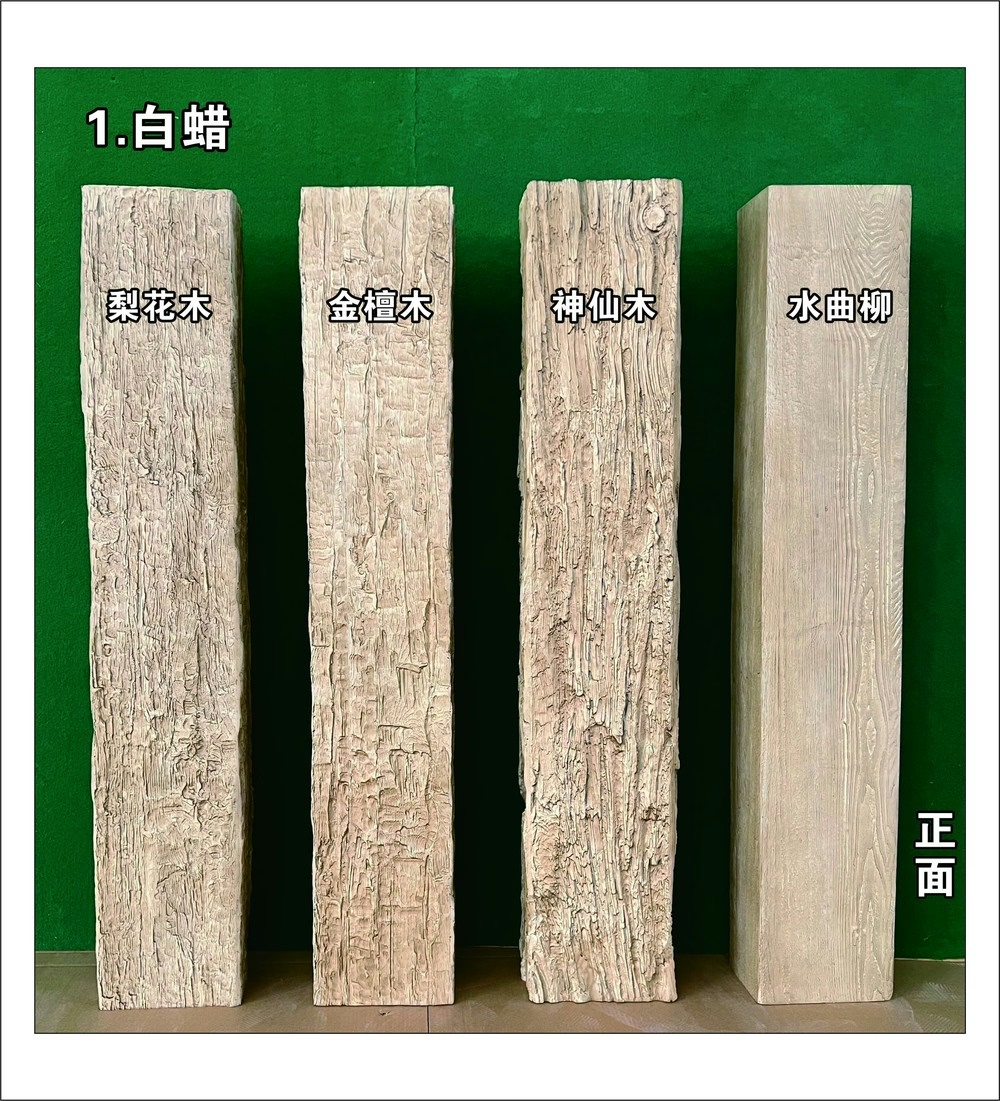
Ceiling beams in organic modern spaces typically employ natural finishes that complement rather than contrast with surrounding surfaces. Light oak finishes harmonize with pale wall colors and abundant natural light. Medium walnut tones anchor spaces with stronger color presence while maintaining warmth. The key involves selecting finishes that feel found rather than designed—wood that might have been salvaged or repurposed rather than newly manufactured.

Beam profiles in organic modern applications favor clean, unadorned shapes. Simple rectangular cross-sections with minimal detailing suit contemporary settings where authenticity derives from material quality rather than ornamental complexity. Chamfered edges provide subtle refinement without introducing decorative flourishes that might conflict with minimalist intent. The design principle suggests letting wood grain and natural color variation provide visual interest.
Supporting elements should reinforce rather than compete with beam installations. Pendant lighting in natural materials—bamboo, rattan, hammered metal—complements wood tones while maintaining contemporary form language. Furniture selections emphasizing solid wood construction and organic shapes support overall design coherence. Textile choices in natural fibers add warmth and tactile interest without introducing competing pattern or color.
Color palette development for organic modern spaces typically centers on earth tones with strategic accent introduction. Warm whites, soft grays, and sand tones create calm backgrounds against which wood beams provide focal warmth. Greenery in various forms introduces complementary organic color while reinforcing biophilic design intent. Strategic accent colors—terracotta, deep blue, forest green—add personality without overwhelming the fundamental natural orientation.
Room-by-Room Application Strategies
Living rooms in organic modern homes benefit from beam installations that define activity zones without enclosing spaces. A single beam running perpendicular to an exposed structural ceiling can establish the living area within an open floor plan while maintaining visual flow to adjacent spaces. The beam's presence provides architectural interest while its modest scale preserves the openness that open plans provide.
Bedroom applications emphasize coziness and retreat character appropriate to spaces dedicated to rest. Lower ceiling beams that might overwhelm living areas feel appropriately intimate in bedrooms. Cross-beam arrangements create canopy-like effects that define sleep zones while maintaining the overall ceiling plane. Combined with soft textiles and warm lighting, bedroom beams contribute to environments optimized for relaxation.
Kitchens present specific challenges due to cooking-related humidity and potential splatter exposure. Natural wood look faux beams in kitchen applications benefit from appropriate finish selection—higher sheen options clean more readily than matte alternatives. Beam placement should consider proximity to cooking areas and potential grease exposure routes. When thoughtfully specified, kitchen beams add warmth to spaces that might otherwise feel purely functional.
Bathroom applications require attention to moisture resistance. Quality polyurethane beams handle bathroom humidity without the warping or decay that affects authentic timber in such environments. The organic modern aesthetic embraces spa-like bathroom environments where natural materials contribute to relaxation. Achieving this character without maintenance concerns becomes possible through appropriate faux beam specification.
Maintaining Organic Modern Integrity Over Time
Durability considerations influence specification decisions for organic modern spaces designed for long-term habitation. The aesthetic values authenticity and natural change over time—spaces should age gracefully rather than appearing frozen at installation. Natural wood look faux beams contribute to this temporal dimension by maintaining consistent appearance without the gradual weathering that requires attention in authentic timber installations.
Cleaning and maintenance routines should align with organic modern values emphasizing healthy environments. Simple cleaning approaches using mild solutions suit most maintenance needs. Avoiding harsh chemicals maintains indoor air quality while reducing environmental impact. The maintenance philosophy mirrors the design philosophy—working with natural processes rather than fighting against them.
Material evolution over time affects surrounding elements more than faux beam surfaces. Wall paint may require refreshing, furniture might develop patina, and living plants will mature and require replacement. Beam installations should accommodate this evolution without requiring corresponding updates. Selecting versatile finishes that harmonize with evolving palettes ensures long-term design coherence.
Professional design consultation helps ensure organic modern beam installations achieve intended effects. The design philosophy's subtlety means that small errors in scale, finish, or placement become more apparent than in more forgiving design approaches. Investment in professional guidance typically yields superior results that justify the additional upfront cost through reduced remediation requirements.
Natural wood look faux beams offer compelling solutions for organic modern interior design, bringing warmth and grounded materiality to spaces that might otherwise feel disconnected from natural experience. By understanding the principles underlying organic modern aesthetics and applying them thoughtfully to beam specification and installation, designers create environments that support human wellbeing while maintaining contemporary design relevance.
Technical References
ASTM standards cited in every specification
Test Data
Lab results from internal testing program
Updated 2026
Reviewed against current product specs