Fine decoration in building interiors implies attention to detail at scales that distinguish quality environments from ordinary ones. While broad architectural gestures establish spatial character, fine decoration provides the visual richness that rewards extended habitation and close inspection. Ornamental polyurethane beams contribute this fine decoration through profiles, moldings, and surface treatments that transform plain ceilings into refined architectural compositions.
The craft tradition underlying fine decoration developed over centuries, establishing principles that remain relevant despite material and technological evolution. Proportion systems ensure that decorative elements relate appropriately to surrounding architecture. Repetition and variation create visual rhythm without monotony. Detail scale should relate to viewing distance—finer detailing for close viewing, bolder forms for distant perception.
Contemporary interior design often pursues fine decoration through selective architectural intervention rather than comprehensive ornamentation. A single ornate beam run in a key location may provide more visual impact than extensive but timid decoration throughout. This selective approach requires confident specification decisions about where to concentrate fine decorative effort for maximum effect.
Understanding Fine Decoration Principles
The principle of hierarchy guides fine decoration placement. Primary elements—the most elaborate ornamentation—occupy positions of maximum visibility. Secondary elements provide support and transition without competing for attention. Tertiary details fill remaining spaces with appropriate but restrained treatment. Ornamental beam installations should understand their hierarchical position and receive detailing appropriate to that role.
Scale relationships between decorative elements and surrounding architecture determine visual coherence. Overscaled decoration overwhelms modest spaces while underscaled detail disappears in grand rooms. Ceiling height provides the fundamental scale reference for beam installation—higher ceilings support larger beam profiles and more elaborate ornamentation. The relationship should feel inevitable rather than arbitrary.
Rhythm in fine decoration involves both repetition and variation. A series of ornamental beams creates visual rhythm through repeated presence. Variation in specific detailing, finish color, or intersection treatment prevents monotony while maintaining overall coherence. The best ornamental installations feel designed rather than manufactured—individual elements clearly belong to unified systems.
Craftsmanship awareness distinguishes fine decoration from mere ornamentation. Details should reveal craft intention when observed closely—evidence of thoughtful design and careful execution. This craftsmanship quality appears in smooth moldings, crisp edges, and appropriate transitions between different profile elements. Ornamental polyurethane beams can achieve this craftsmanship quality when manufacturing precision combines with skilled finishing.
Profile Options for Fine Decoration
Coffered beam profiles create fine decoration through geometric composition rather than applied ornament. The recessed panels formed by intersecting beams create shadow patterns that suggest elaborate decoration without surface embellishment. Coffered profiles range from simple grid patterns to complex arrangements featuring radiused corners and multiple depth levels. The architectural approach suits spaces where refined geometry supports overall design intent.
Molded edge details add fine decoration to basic beam profiles through applied moldings. Dentil molding—small rectangular blocks arranged in repeating patterns—represents classic fine decoration appropriate for traditional interiors. More contemporary alternatives include asymmetric fluting, geometric bands, and organic profiles that complement modern design vocabularies. Molded edges should appear integrated rather than attached.
Corbel and bracket details contribute sculptural fine decoration to beam installations. These supporting elements provide visual transition between beam and ceiling plane while adding decorative interest. Traditional corbel profiles feature acanthus leaf, scroll, or geometric forms. Contemporary alternatives might include angular brackets or flowing organic shapes. Selection should coordinate with overall interior design language.
End cap treatments complete fine decorative schemes through thoughtful termination of beam runs. Exposed ends provide opportunities for distinctive detailing that terminates visual progression gracefully. Traditional turned profiles, carved medallions, or simple geometric caps each suit different design contexts. The end treatment should feel like intentional conclusion rather than arbitrary cutting.
Surface Treatment for Refined Appearance
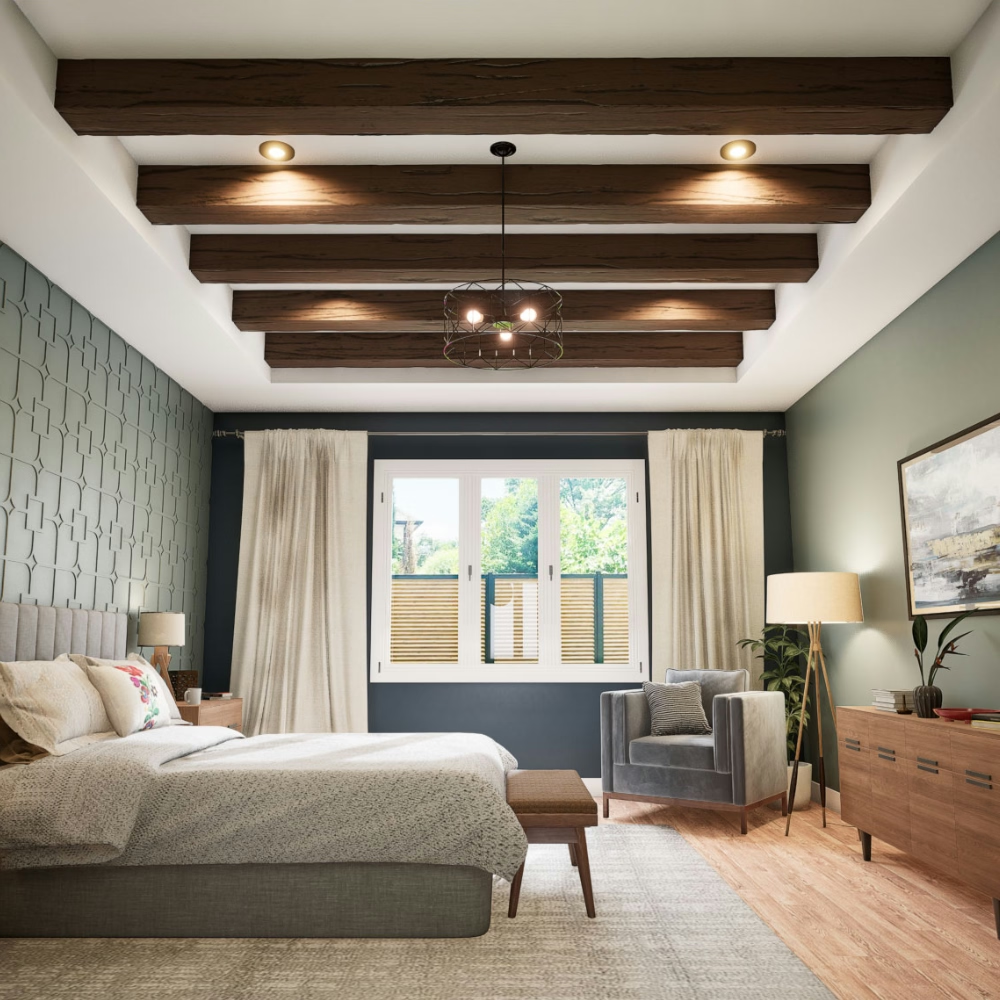
Stain and finish selection determines how ornamental beams present in finished interiors. Fine decoration benefits from finishes that reveal rather than conceal surface detail. Light to medium tones typically suit fine detailing by providing sufficient contrast for profile visibility while maintaining warmth. Dark finishes can overwhelm fine details, reducing their visual contribution.
Hand-rubbed finishing techniques enhance factory-applied coatings to achieve refined appearances. Multiple thin coats with intermediate sanding build depth that survives close inspection. Final rubbing with fine abrasives produces smooth surfaces that reflect light uniformly. This finishing attention distinguishes fine decoration from basic installation where paint application might suffice.

Color variation within beam surfaces adds life that flat coloration lacks. Subtle toning that varies across profiles, darker highlighting in recesses, and gentle transitions between light and shadow create visual complexity appropriate to fine decoration. These variations should appear natural rather than applied—the result of skilled finishing rather than carelessness.
Patination techniques age beam surfaces appropriately for their decorative context. New beams in traditionally styled interiors benefit from subtle aging that integrates them with antique surroundings. The patination should suggest long habitation without appearing artificially distressed. Professional finishing services understand appropriate aging intensity for different design contexts.
Integration with Interior Architectural Systems
Ceiling molding integration connects ornamental beams to surrounding architectural elements. Crown molding at wall-ceiling intersections, cornice details at beam terminations, and transition moldings at beam intersections create unified ceiling compositions. These connecting elements should coordinate with beam profiles, sharing design language while providing necessary visual bridges.
Lighting integration enhances fine decorative impact through strategic illumination. Recessed fixtures can graze beam surfaces to emphasize texture. Track lighting can highlight specific decorative elements. The interplay between light and ornamental detail creates visual richness impossible to achieve through either element alone. Lighting design should integrate with beam specification early in project development.
Coordination with other interior elements ensures fine decoration reads as coherent system rather than isolated feature. Door and window trim, fireplace surrounds, and built-in millwork should share design vocabulary with ceiling beams. This coordination might involve matching profile types, coordinating finish colors, or relating overall proportion systems. The goal involves creating environments where all architectural elements feel like members of the same family.
Attention to installation quality ensures fine decorative intent translates to actual visual results. Fine details amplify rather than forgive installation imperfections. Precise alignment, consistent spacing, and clean joints become increasingly important as decoration complexity increases. Professional installation with appropriate techniques and attention to detail distinguishes successful fine decoration from disappointing approximation.
Fine decoration through ornamental polyurethane beams requires understanding traditional craft principles while applying contemporary manufacturing advantages. The resulting installations contribute architectural refinement that enhances interior environments at scales ranging from intimate residential spaces to grand commercial venues. When specification, procurement, and installation receive appropriate attention, ornamental beams deliver fine decoration that satisfies discriminating design expectations.
Technical References
ASTM standards cited in every specification
Test Data
Lab results from internal testing program
Updated 2026
Reviewed against current product specs


