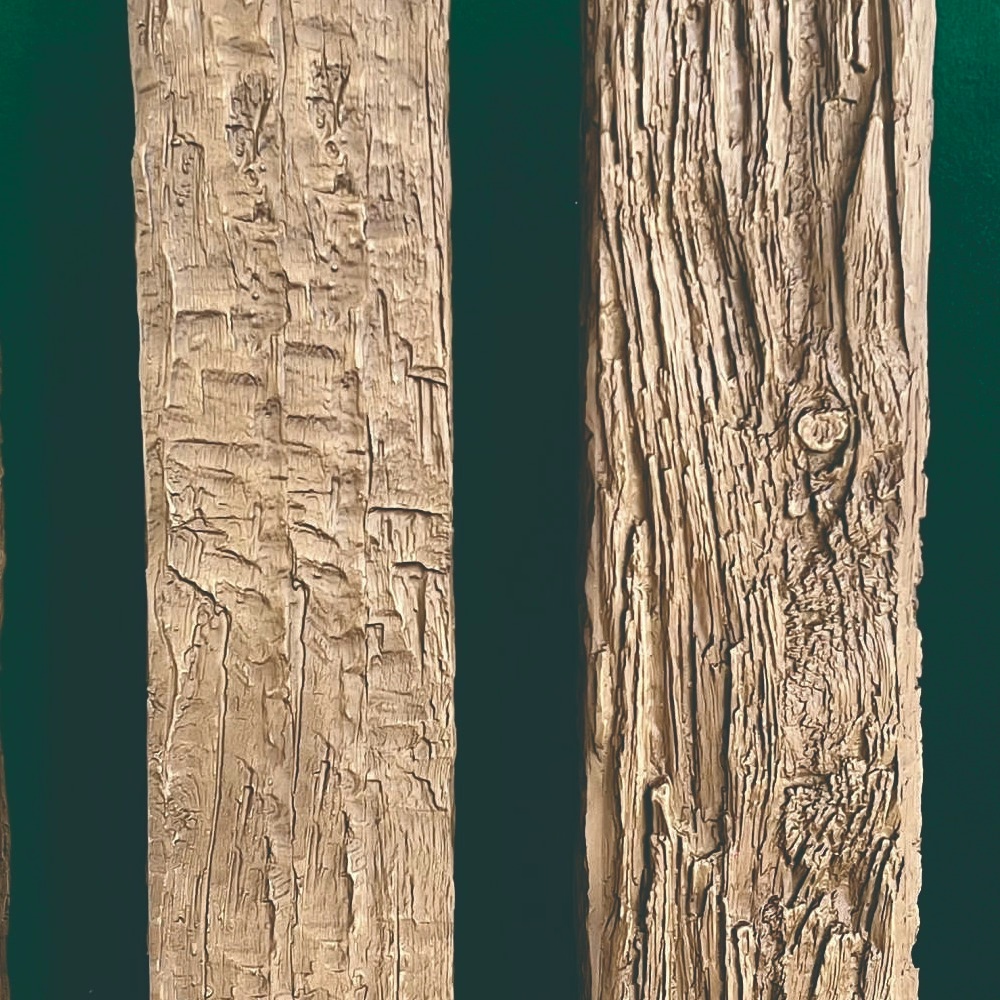
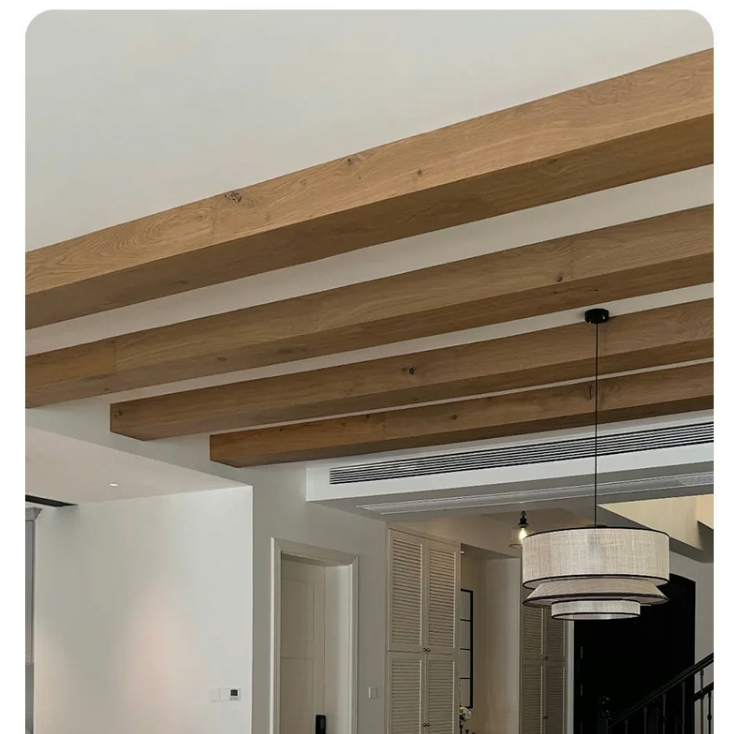
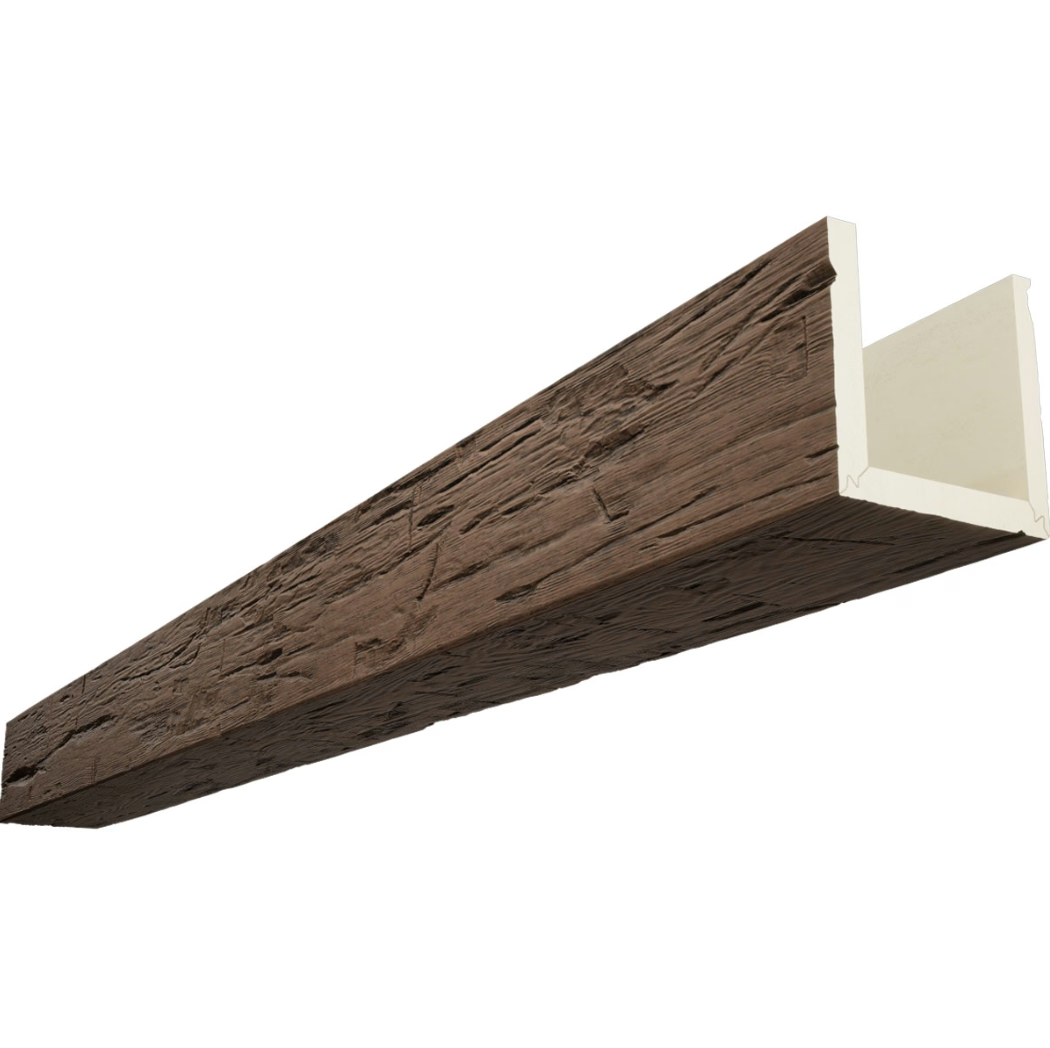
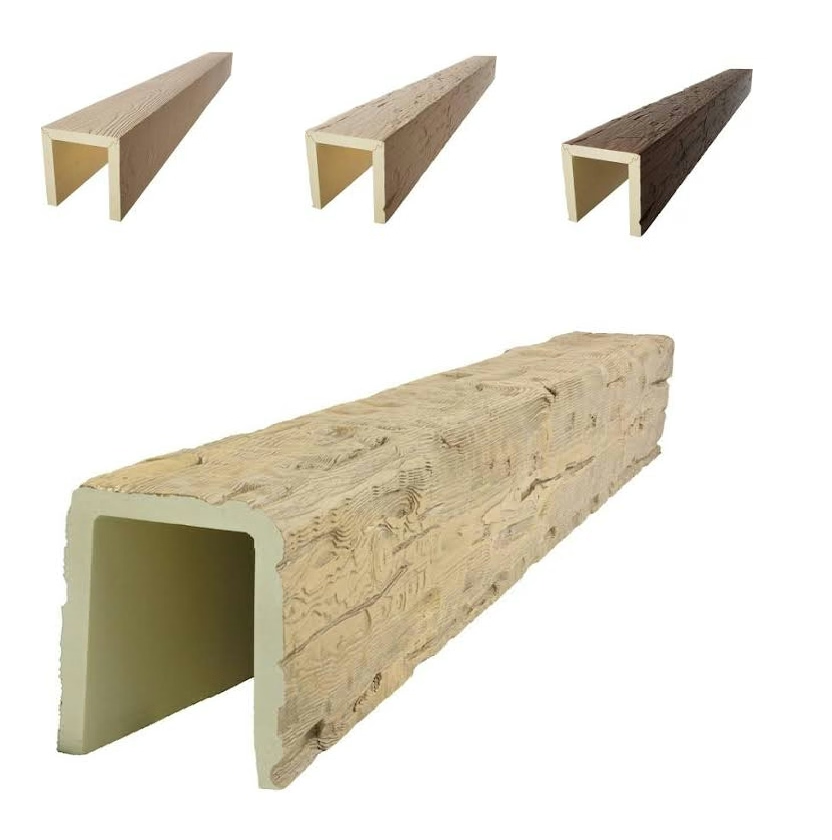
Exterior architectural applications present challenges that interior specifications cannot address. Weather exposure, temperature extremes, moisture variation, and UV radiation combine to degrade materials that perform adequately indoors. Outdoor grade replica timber polyurethane faux beams meet these demanding requirements while providing the warm timber aesthetics that exterior spaces deserve.
The distinction between interior and exterior grade materials reflects fundamental differences in performance requirements. Interior materials need not resist weather; exterior materials must withstand it. This performance difference influences manufacturing processes, material formulations, and quality standards that separate outdoor products from their interior counterparts.
Understanding exterior beam applications helps guide appropriate specification. Covered locations like covered patios and loggias present different challenges than fully exposed installations. Vertical applications differ from horizontal exposure. Geographic location affects UV intensity, temperature range, and moisture exposure that influence material performance requirements.
Weather Resistance Requirements
UV stability prevents degradation from sun exposure that would otherwise cause fading, chalking, and surface deterioration. Quality outdoor formulations include UV inhibitors that absorb or reflect damaging radiation. UV-stable products maintain color and surface integrity through years of sun exposure that would quickly degrade untreated materials.
Moisture resistance prevents water absorption that leads to swelling, delamination, or biological growth. Outdoor polyurethane formulations resist moisture penetration while maintaining dimensional stability across wet-dry cycles. This moisture resistance enables exterior applications that natural timber cannot reliably support without extensive treatment.
Temperature cycling resistance addresses expansion and contraction that exterior materials experience through seasonal and daily temperature variations. Materials that crack, split, or delaminate through temperature cycles fail prematurely. Quality exterior formulations maintain integrity across temperature ranges typical of installation locations.
Freeze-thaw resistance ensures performance in climates where temperatures cycle above and below freezing. Water absorption followed by freezing creates internal pressure that degrades porous materials. Exterior polyurethane formulations resist this degradation mechanism, enabling reliable performance in cold climate applications.
Application Contexts and Installation Considerations
Covered porch applications benefit from exterior beam aesthetics while receiving protection from direct weather exposure. The covered conditions reduce but do not eliminate weather challenges—moisture from humidity, occasional splash, and wind-driven rain still affect materials. Covered applications typically tolerate less robust specification than fully exposed installations.
Patio cover and pergola structures frequently employ exterior beams as primary architectural elements. These freestanding structures define outdoor rooms while remaining fully exposed to weather. Beam selection must address the most demanding conditions these applications present. Quality outdoor specification ensures reliable long-term performance.
Exterior dining and entertainment spaces feature beams that must perform reliably despite constant exposure. Restaurant patios, resort outdoor seating, and residential outdoor living areas all present challenging applications. The investment in quality exterior beams ensures these spaces maintain aesthetic appeal through seasons of use.
Pool and water feature surroundings present specific challenges including chlorine exposure, constant humidity, and potential chemical contact. Standard exterior formulations may not address these specialized requirements. Specification should confirm chemical resistance appropriate to actual exposure conditions.
Structural Considerations for Exterior Applications
Wind load resistance addresses beam installations that must withstand wind pressure without failure or excessive movement. Exterior beams in exposed locations experience significant forces during wind events. Engineering documentation for exterior beams should address these requirements with appropriate safety factors.
Seismic considerations in earthquake-prone regions affect beam attachment to supporting structure. Beams that fall during seismic events create safety hazards. Appropriate attachment systems address both gravity and lateral load requirements. Engineering consultation identifies specific requirements for installation locations.
Drainage consideration ensures that beam installations do not trap moisture that might cause deterioration. Proper slope, concealed drainage paths, and appropriate end treatment prevent water accumulation that would compromise exterior beam performance. Design details should address moisture management proactively.
Ventilation consideration allows air circulation that promotes drying after moisture exposure. Enclosed installations with limited air movement dry more slowly than well-ventilated configurations. Specification should consider ventilation implications for specific installation contexts.
Maintenance and Longevity Expectations
Cleaning requirements for exterior beams relate to material accumulation that affects appearance over time. Dust, pollen, and environmental pollutants deposit on exposed surfaces. Periodic cleaning maintains appearance without damaging beam surfaces. The cleaning approach should be appropriate for specific finish types.
Inspection recommendations identify conditions that might indicate performance concerns. Cracking, delamination, or significant color change might indicate formulation issues or installation problems. Early identification enables remediation before problems progress. Regular inspection schedules ensure timely identification of concerns.
Warranty coverage provides confidence in exterior beam performance through defined periods. Quality manufacturers stand behind exterior formulations with meaningful warranty coverage. Warranty terms should be reviewed carefully to confirm that coverage addresses actual failure modes and environmental conditions.
Service life expectations for quality exterior beams typically exceed twenty years with appropriate maintenance. This longevity justifies initial investment that might exceed interior product pricing. Lifecycle cost analysis often favors quality exterior specification despite higher initial pricing.
Outdoor grade replica timber polyurethane faux beams make timber aesthetics available for exterior architectural applications that natural timber cannot reliably serve. When formulation quality, installation practice, and maintenance attention meet appropriate standards, these beams provide durable, attractive solutions for outdoor spaces ranging from covered porches to exposed pergolas. The resulting installations add warmth and architectural character to exterior environments while withstanding the demanding conditions that outdoor exposure presents.
Technical References
ASTM standards cited in every specification
Test Data
Lab results from internal testing program
Updated 2026
Reviewed against current product specs