When designing outdoor spaces that demand both visual impact and long-term durability, material selection becomes the defining factor between a project that ages gracefully and one that deteriorates within seasons. Polyurethane faux wood beams have emerged as the preferred choice for landscape architects and exterior designers who refuse to compromise on aesthetics while demanding practical resilience against environmental exposure.
The evolution of polyurethane manufacturing has produced materials specifically formulated for exterior applications. Unlike natural wood that absorbs moisture, warps, and decays when exposed to the elements, polyurethane faux beams maintain their structural integrity and visual appearance through rain, sun, temperature fluctuations, and even salt air environments near coastal installations.

Landscape architecture projects benefit enormously from the versatility that polyurethane beams bring to exterior design. Pergolas, covered walkways, garden pavilions, and poolside structures all demand materials that can withstand constant exposure while contributing to an organic, natural aesthetic. Polyurethane beams deliver the warmth and texture of authentic timber without the maintenance burden that plagues natural wood in outdoor settings.
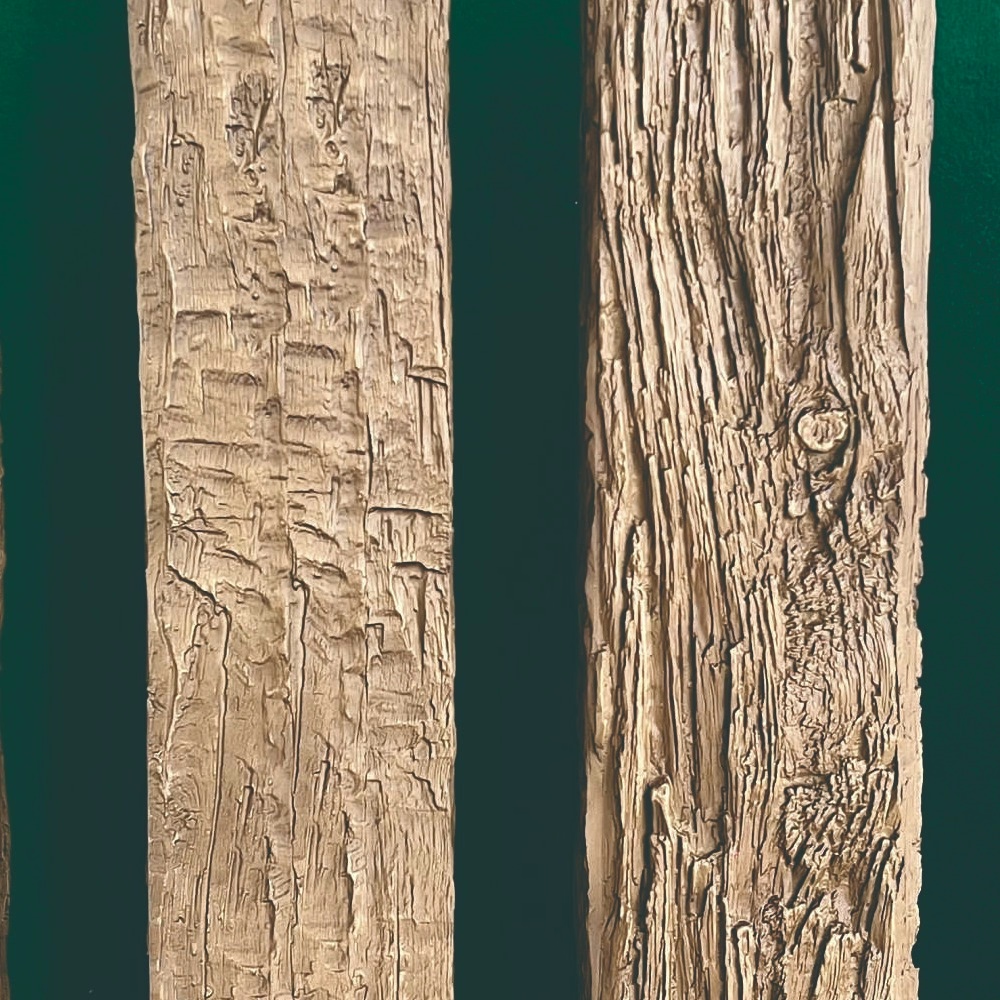
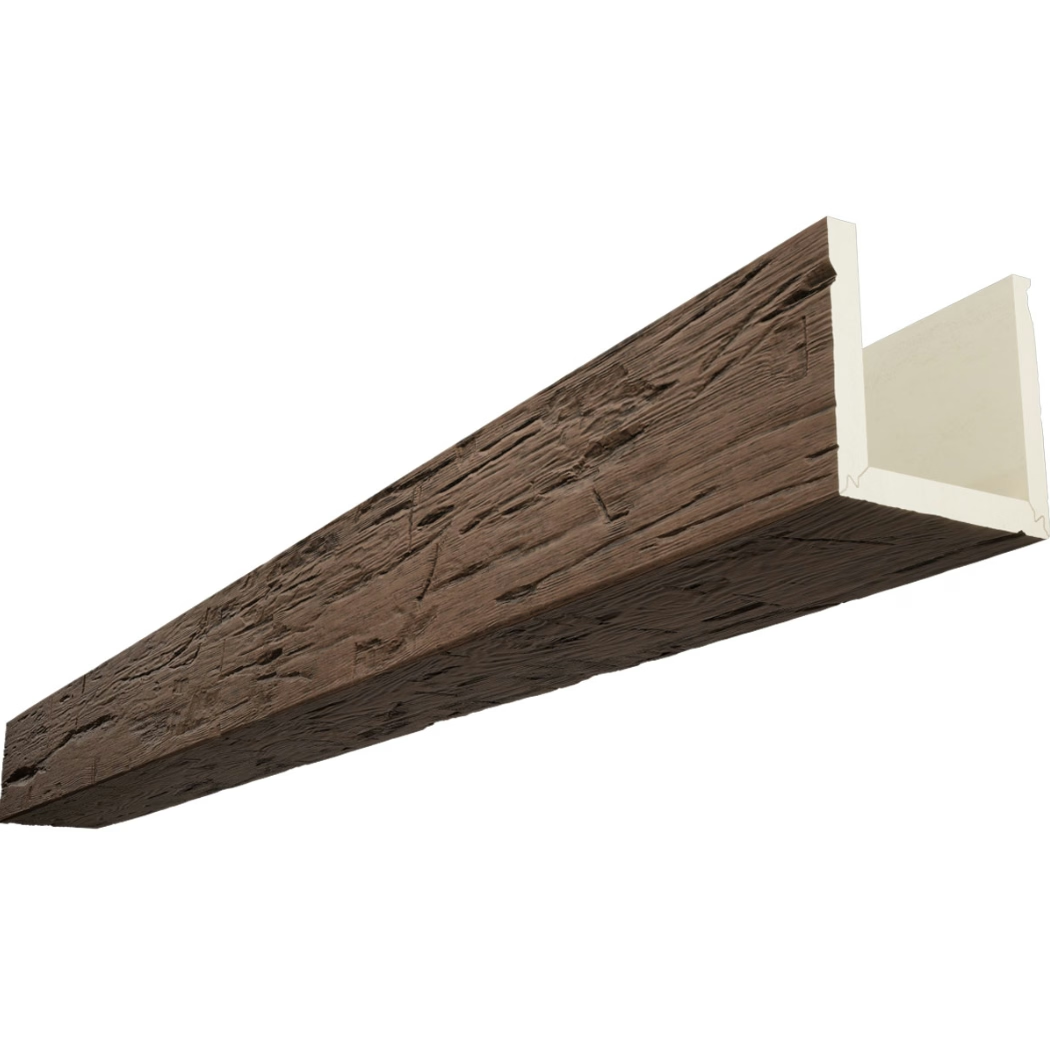
The manufacturing process allows these beams to replicate even the most detailed wood grain patterns, knotholes, and natural variations that give real timber its character. Advanced molding techniques capture the subtle imperfections that make wood visually appealing, ensuring that exterior installations achieve the same organic beauty as traditional construction while eliminating rot, insect damage, and moisture-related deterioration.
Performance Characteristics for Exterior Applications
Understanding the technical properties of outdoor-rated polyurethane beams helps architects and builders make informed specifications for their projects. The density of quality polyurethane formulations typically ranges between 30 and 45 pounds per cubic foot, providing sufficient weight for realistic appearance while remaining light enough for manageable installation.
UV resistance represents perhaps the most critical performance factor for exterior applications. Premium outdoor-grade polyurethane beams incorporate UV inhibitors and stabilizers that prevent the material from becoming brittle, cracking, or significantly discoloring when subjected to prolonged sun exposure. This formulation区别ates true exterior products from interior-only alternatives that yellow and degrade rapidly when installed outdoors.
Thermal expansion and contraction presents another consideration for outdoor installations. Quality manufacturers engineer their polyurethane formulations to accommodate temperature swings without cracking or separating from mounting surfaces. The material expands and contracts uniformly, maintaining tight joints and consistent appearance throughout seasonal cycles.
Moisture resistance eliminates the吸水膨胀 and subsequent warping that afflicts natural wood in humid or rainy climates. Polyurethane beams can be pressure-washed, exposed to sprinklers, or subjected to coastal salt spray without experiencing the dimensional instability that necessitates regular maintenance and eventual replacement of timber alternatives.
Design Applications in Landscape Architecture
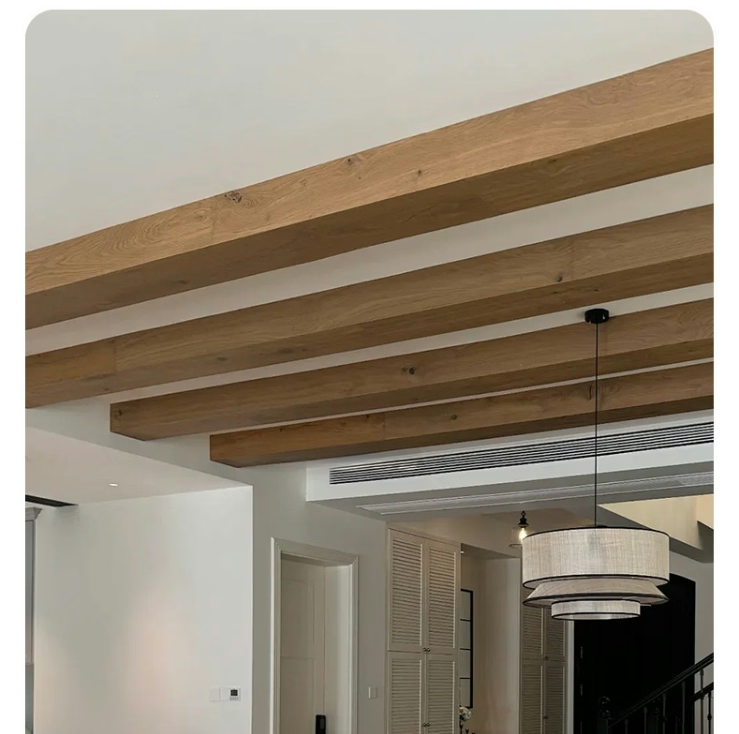
Covered outdoor living spaces represent the most common application for exterior polyurethane beams. Patios, decks, and porch ceilings gain warmth and architectural interest through exposed beam installations that frame outdoor rooms while providing structural visual support for roof overhangs. The lightweight nature of polyurethane allows installation on existing structures without requiring additional structural reinforcement.
Garden structures including pergolas, arbors, and trellises benefit from the authentic wood appearance while maintaining the clean lines and precise dimensions that modern design demands. Natural wood components often arrive warped, twisted, or with inconsistent sizing, creating installation challenges and finished appearances that disappoint. Polyurethane beams arrive precision-manufactured and ready for immediate installation.
Water features and pool areas particularly suit polyurethane beam installations because the material tolerates constant humidity and occasional splashing without deterioration. Natural wood adjacent to pools or water features requires expensive pressure-treated or exotic hardwood species to withstand moisture exposure, while polyurethane achieves the same aesthetic with superior durability and lower material cost.
Commercial hospitality projects including hotel courtyard, restaurant patios, and resort outdoor dining areas demand materials that can withstand heavy use while projecting an upscale image. Polyurethane beams provide the refined wood appearance that elevates these spaces while tolerating the environmental exposure and intensive cleaning protocols that commercial applications require.

Entry gates, fencing, and perimeter structures gain architectural presence through beam-style construction that coordinates with building exteriors while providing privacy and security. The ability to customize beam profiles, finishes, and dimensions ensures that exterior structures complement rather than clash with primary architectural elements.
Installation Considerations for Exterior Projects
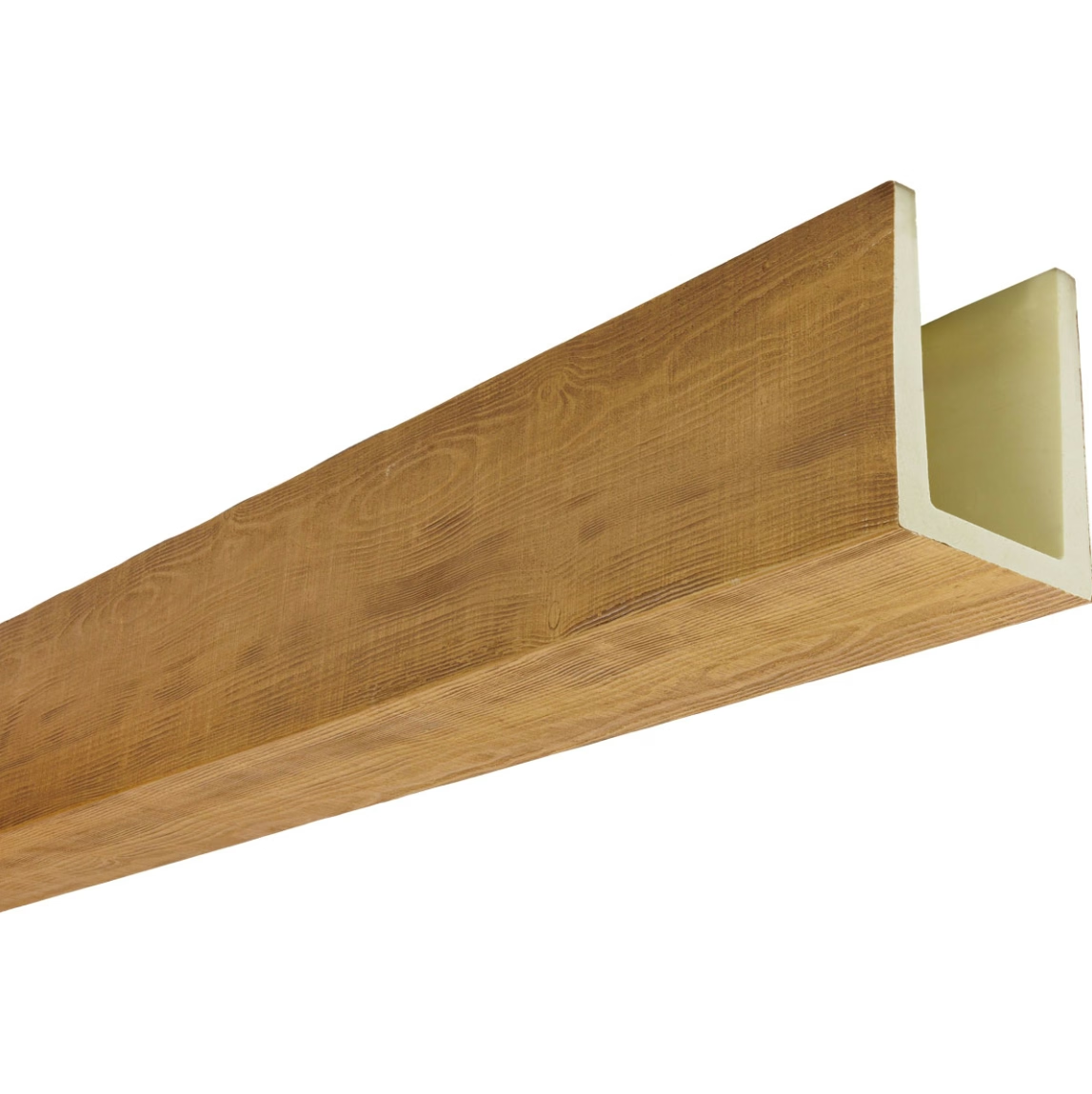
Successful outdoor installations begin with proper surface preparation and mounting systems appropriate for the chosen application. Concrete, masonry, and pressure-treated lumber all accept different fastening methods, and understanding these requirements prevents costly callbacks and premature failures.
Structural mounting for beams that bear visual weight or support canopy coverings requires steel brackets and hardware rated for exterior exposure. The lightweight nature of polyurethane beams reduces overall structural load, but proper engineering ensures that mounting systems perform reliably through wind loads and thermal cycling.
Sealing joints and connections prevents water infiltration that could compromise adjacent materials or create staining on visible surfaces. Quality exterior-grade sealants maintain flexibility through temperature extremes while preventing moisture penetration at beam intersections and terminations.
Ventilation and airflow around beam installations extends service life by preventing moisture accumulation that could affect mounting surfaces or adjacent building materials. Design details that promote air circulation around beam elements contribute to the longevity of both the beams themselves and surrounding construction.
Cost Analysis and Long-Term Value
Initial material costs for quality polyurethane beams typically exceed dimensional lumber alternatives, but lifecycle cost analysis reveals significant advantages over the project timeline. Natural wood requires regular staining, sealing, and periodic replacement that accumulates substantial expense over decades of service.
Maintenance requirements for polyurethane exterior beams consist primarily of occasional cleaning to remove environmental accumulation. The material accepts exterior-grade paints and stains if color changes become desirable, though factory finishes typically provide superior durability and consistency compared to field application.
The absence of insect damage, rot, and moisture-related deterioration eliminates repair and replacement costs that plague natural wood in exterior applications. Buildings located in termite-prone regions particularly benefit from this characteristic, as polyurethane provides the wood aesthetic without the vulnerability that attracts wood-destroying organisms.
Extended service life combined with minimal maintenance requirements produces favorable lifecycle economics that increasingly influence specification decisions for both residential and commercial projects. Landscape architects and designers recognize that client satisfaction depends partly on installations that continue looking excellent with reasonable care rather than constant attention.
The environmental dimension of material selection deserves consideration as well. Quality polyurethane beams manufactured with modern formulations and efficient processes carry different but not necessarily greater environmental impact than harvested, processed, and transported natural timber. For projects pursuing sustainable design objectives, the longevity and recyclability of polyurethane beams merit evaluation alongside other material characteristics.
Project success ultimately depends on selecting products that match application requirements and design intentions. Outdoor-rated polyurethane faux beams offer compelling advantages for landscape architecture and exterior building projects when properly specified and installed. The combination of authentic wood appearance, weather-resistant performance, and design flexibility makes these materials increasingly indispensable for contemporary outdoor design.
Technical References
ASTM standards cited in every specification
Test Data
Lab results from internal testing program
Updated 2026
Reviewed against current product specs