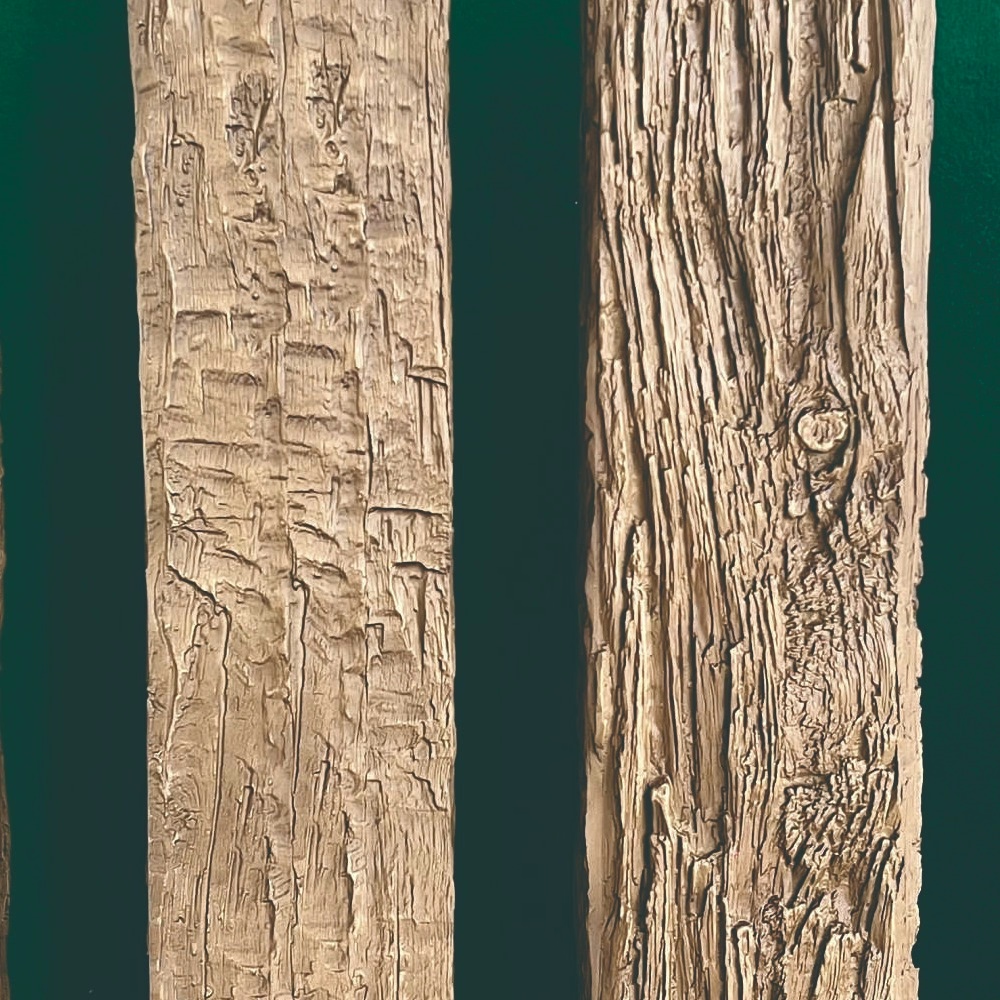
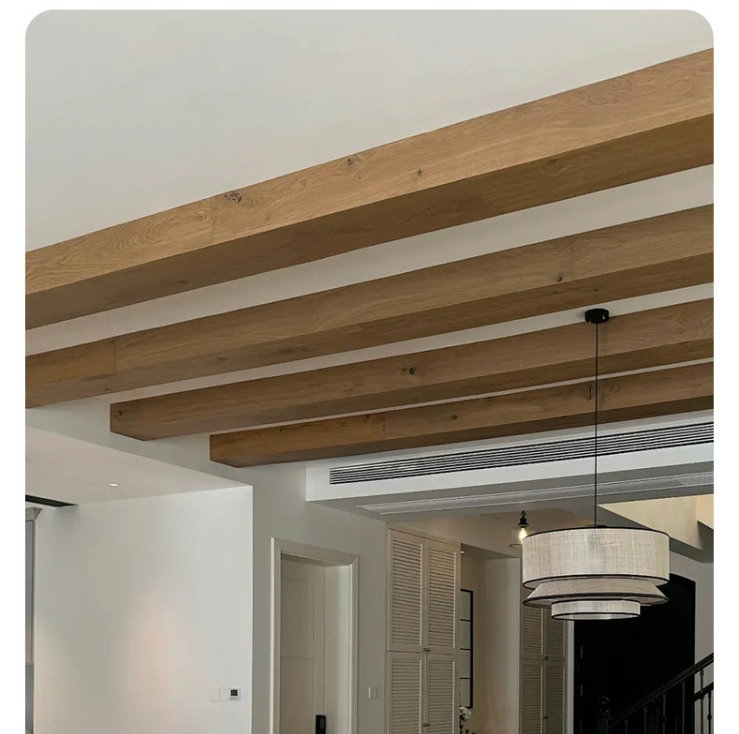
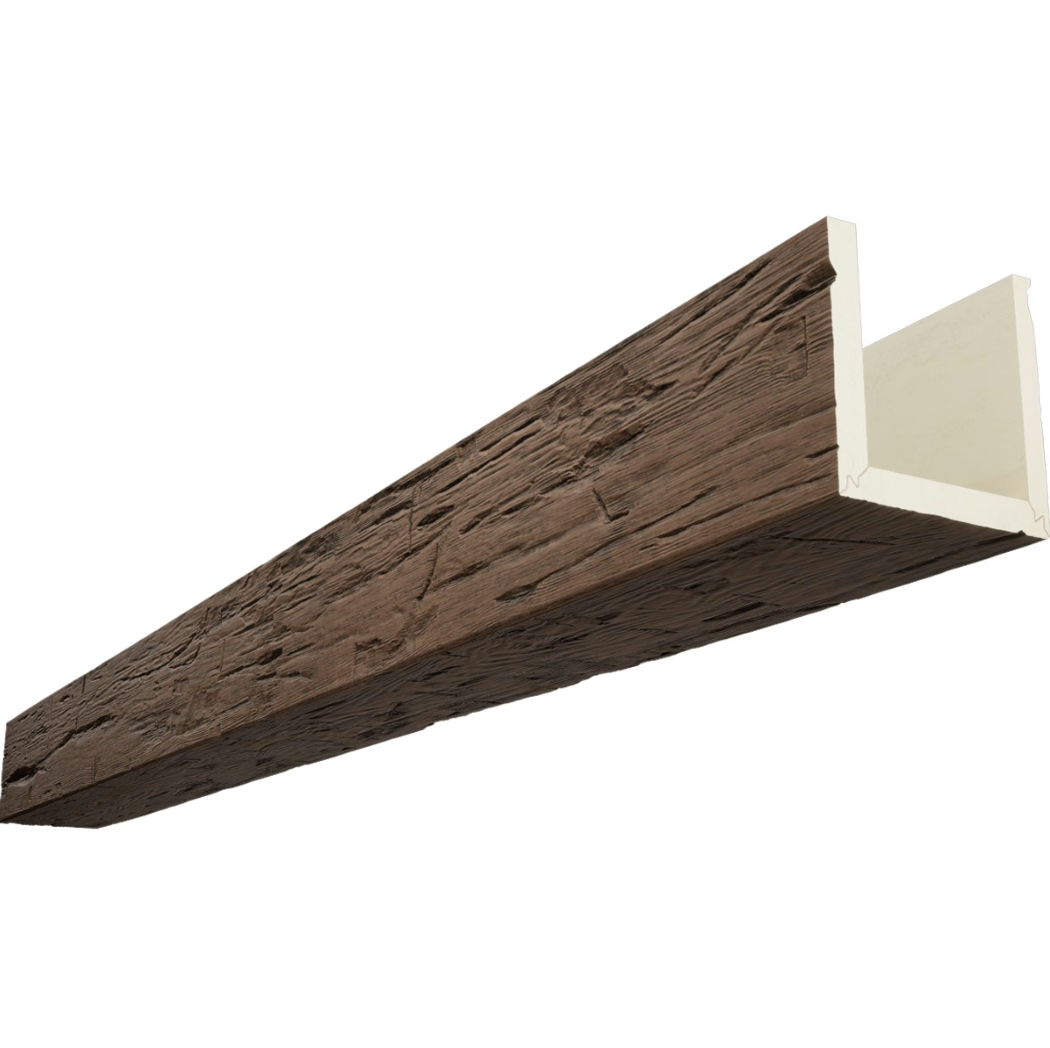
Roof overhangs and eaves occupy some of the most demanding positions in exterior architecture. These transitional zones between protected interiors and environmental exposure experience the full force of weather while serving critical aesthetic functions in defining rooflines and architectural character. Material selection for these applications requires exceptional performance across multiple degradation mechanisms while maintaining the visual refinement that quality exterior design demands.
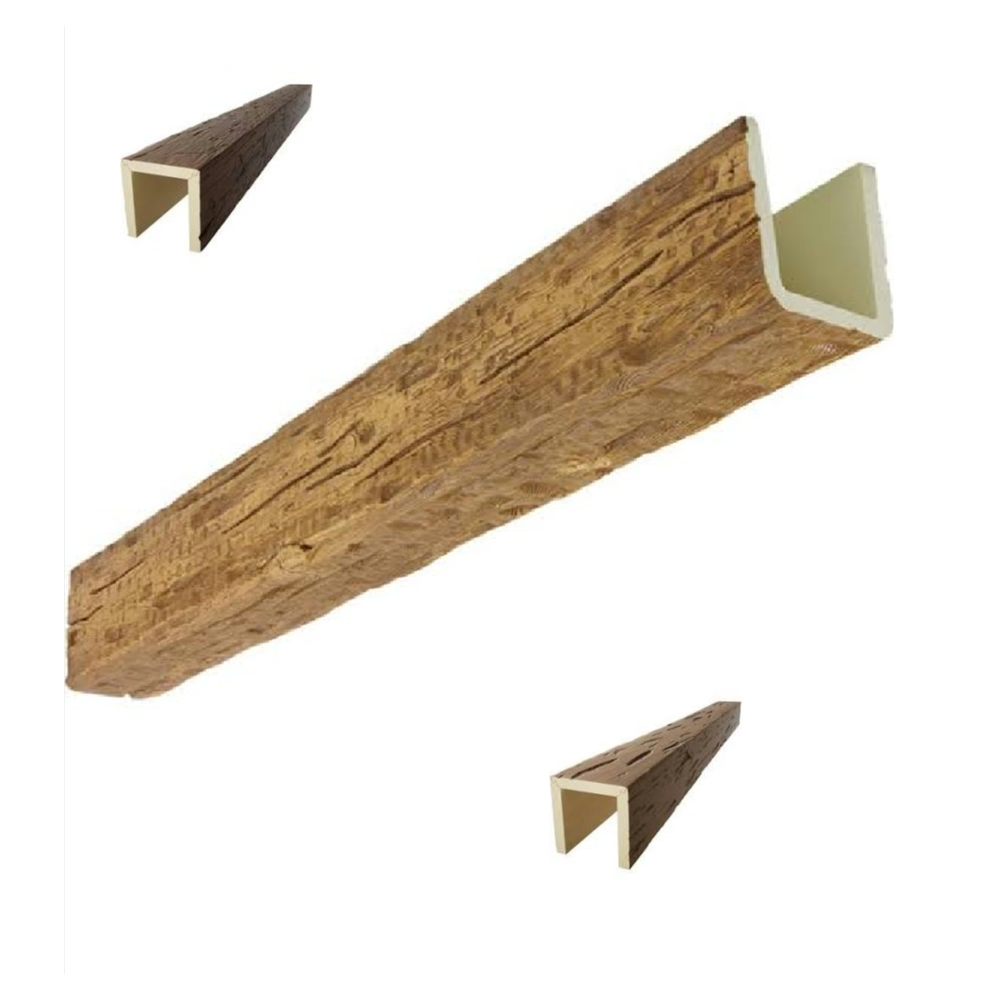
Overhang eave grade polyurethane faux timber beams address these specific requirements through formulations optimized for exposed conditions. The designation indicates products tested and proven for the challenging environment where roof edges meet walls, where UV exposure, precipitation, and thermal cycling concentrate their degradation effects.
The architectural significance of eave and overhang details frequently gets underestimated until poorly performing materials require replacement. Genuine timber in these positions demands constant attention—regular refinishing, rot repair, insect treatment—that distracts from other property maintenance. The alternative of specifying non-wood materials often compromises the architectural character that makes traditional rooflines appealing. Overhang eave grade faux timber beams resolve this tension through materials that honor traditional aesthetics while delivering modern performance.

Understanding Eave and Overhang Exposure Conditions
The environmental intensity at roof edges exceeds typical wall exposure in multiple dimensions. Solar radiation strikes these surfaces at angles that maximize UV exposure, while precipitation drives water horizontally into overhang undersides and end grain. Temperature fluctuations in these exposed positions stress materials through daily expansion-contraction cycles that accelerate fatigue in less resilient alternatives.
Wind loading on eaves creates both uplift forces and aerodynamic vibration that test mechanical connections and material flexibility. In high-wind regions, these forces can exceed design assumptions, producing failures that would not occur in more sheltered positions. Eave grade materials must accommodate dynamic loading without cracking, delaminating, or separating from mounting surfaces.
Ice accumulation in cold climates adds weight stress and freeze-thaw damage potential that inland installations avoid. The underside of eaves experiences condensation accumulation during winter nights when warm interior air meets cold exterior surfaces. Materials that absorb this moisture become vulnerable to freeze-thaw damage through successive winter cycles.
The combination of these factors means that not all polyurethane beams perform equally in eave applications. Products labeled as overhang eave grade have demonstrated the specific performance characteristics these demanding positions require.
Architectural Applications for Eave Beams
Fascia boards represent the most common eave beam application, replacing natural wood boards that trim roof edges and cover rafter ends. Quality faux fascia beams provide clean termination for roofing materials while accepting paint or stain finishes that coordinate with overall color schemes. The dimensional stability of polyurethane eliminates the warping, cupping, and splitting that plague natural wood fascia.
Box rafters and exposed rafter tails benefit from beam treatments that add visual depth to roof overhangs. These architectural details create the substantial, crafted appearance associated with traditional building while concealing actual structural elements. Faux rafter treatments range from simple beam wraps to elaborate corbel assemblies that suggest heavy timber construction.
Beam crowns and decorative eave treatments add historical character to traditional and contemporary designs alike. These ornamental elements frame roof edges with detailing that ranges from subtle trim strips to elaborate classical profiles. Polyurethane manufacture enables intricate detailing that would require expensive custom milling in natural wood.
Gable end treatments extend beam aesthetics to triangular roof wall sections, coordinating eave details with pediment and fascia elements throughout roof architecture. The continuity of material and finish creates cohesive roofline presentation that distinguishes quality construction.
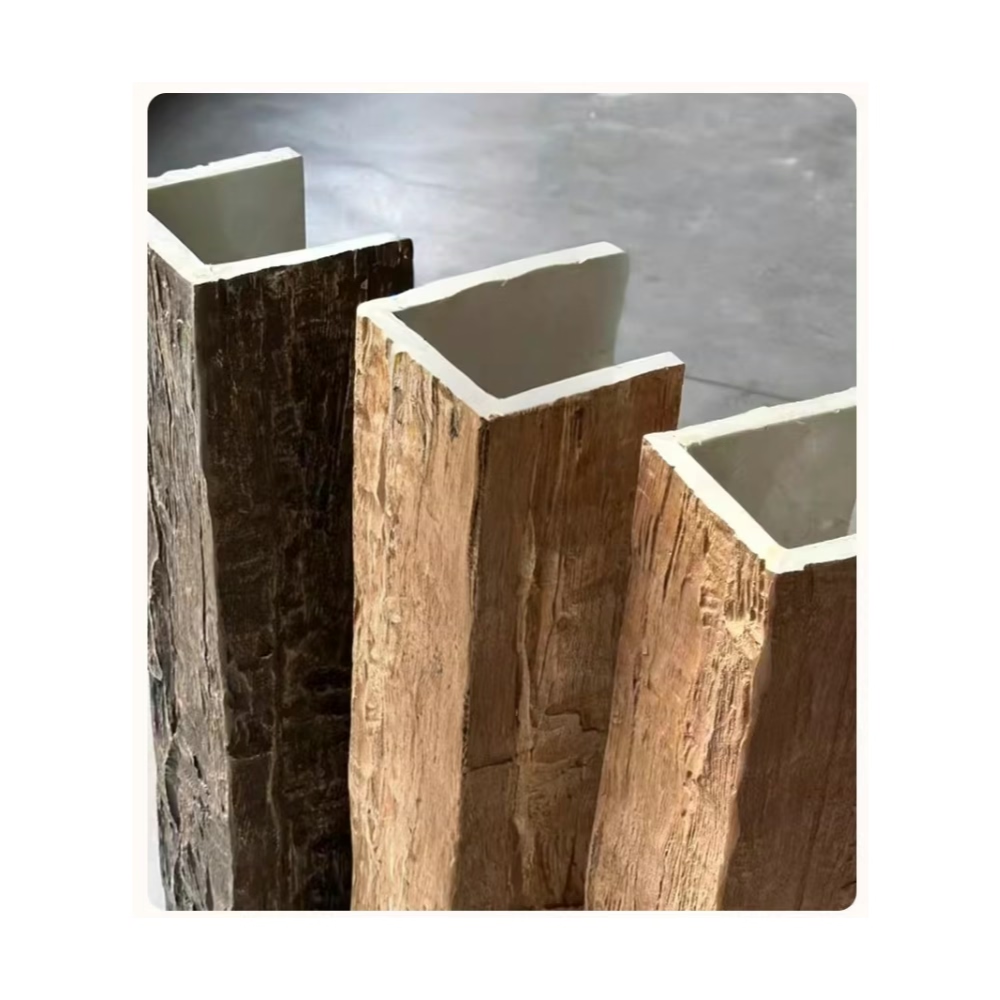
Performance Requirements for Overhang Applications
Impact resistance matters significantly for eave applications where windblown debris, ladder contact, and routine building maintenance create surface damage potential. Quality eave grade beams incorporate impact modifiers that resist denting and cracking from these common exposure events.
Moisture management prevents the water absorption that leads to degradation in less-resistant materials. Premium eave grade formulations include moisture barriers that shed water while remaining permeable to water vapor, allowing any trapped moisture to escape without accumulation.
Color retention through UV exposure ensures that painted or stained finishes maintain intended appearance rather than fading, chalking, or yellowing. This characteristic proves particularly important for dark finishes that absorb maximum solar radiation and experience the most intense UV exposure.
Thermal cycling accommodation prevents the cracking and joint separation that affects rigid materials in freeze-thaw conditions. Flexible formulations move with temperature changes without developing stress cracks or losing adhesion to mounting surfaces.
Installation Techniques for Eave Success
Proper fastening prevents wind damage and extends service life for eave beam installations. The specific fastening requirements depend on substrate materials and local building codes, but general principles apply across most installations. Structural screws through backing材料 provide primary support while decorative fasteners or adhesives address cosmetic requirements.
Ventilation provisions prevent moisture accumulation that could affect mounting surfaces or encourage biological growth. Quality eave installations include airflow paths that allow any moisture to escape rather than accumulating against building materials.
The transition between eave beams and adjacent trim elements deserves attention during both design and installation. Proper flashing, caulking, and alignment create weatherproof joints that prevent water infiltration while maintaining clean visual lines.
Corner treatment at roof intersections requires careful attention to ensure weatherproofing while achieving authentic appearance. Quality manufacturers provide matching corner pieces that simplify this challenging detail.
Maintenance Advantages Over Natural Timber
The primary advantage of eave grade faux timber involves the dramatic reduction in maintenance requirements compared to natural wood alternatives. Real timber in eave positions requires regular inspection, cleaning, and refinishing to maintain appearance and prevent deterioration. Faux timber eliminates these demands while preserving the aesthetic qualities that motivate wood selection.
Routine maintenance for faux eave beams consists primarily of occasional cleaning to remove environmental accumulation. The smooth, non-porous surface resists staining and accepts cleaning without damage. Pressure washing at moderate settings provides efficient cleaning for larger installations.
The absence of rot, insect damage, and moisture-related deterioration eliminates the repair and replacement cycles that natural timber demands. Property owners can specify faux eave beams with confidence that the initial investment eliminates future maintenance concerns.
Warranty coverage from quality manufacturers provides additional assurance against premature failure. Coverage periods of 25 years or more indicate confidence in long-term performance and provide valuable protection for building owners.
The combination of authentic appearance, superior performance, and minimal maintenance has established overhang eave grade faux timber beams as the preferred choice for quality exterior applications. When specifying materials for roof edge and eave positions, these purpose-engineered products deliver the aesthetic qualities that traditional architecture demands with the performance that modern building standards require.
Technical References
ASTM standards cited in every specification
Test Data
Lab results from internal testing program
Updated 2026
Reviewed against current product specs