The kitchen island has evolved from simple work surface to the undisputed center of contemporary home life. Beyond meal preparation, these generous counters serve as homework stations, home office alternatives, gathering spots, and the default location for family conversations that once happened around dinner tables. Designing this multi-purpose centerpiece demands attention to every detail, including the overhead space that frames daily activities.
Ceiling beams positioned above kitchen islands create immediate visual anchors that define these zones without walls or room dividers. The architectural presence draws the eye upward, establishing the island as the room's focal point while adding the warmth and character that stainless steel appliances and stone countertops sometimes lack. This contrast between industrial efficiency and organic texture generates the balanced aesthetic that distinguishes successful kitchen designs.
Modern kitchen aesthetics often emphasize clean lines, minimal ornamentation, and neutral color palettes. These design priorities create serene backgrounds for daily life but can feel sterile without carefully considered accent elements. Ceiling beams introduce natural texture and substantial presence that humanize contemporary spaces without reintroducing visual clutter or historical references inappropriate to modern contexts.

Design Strategies for Kitchen Beam Placement
The relationship between beams and island dimensions requires thoughtful proportioning. Beams that span the island's full length establish the strongest presence but may overwhelm smaller islands. Partial-length beams that extend beyond island edges on both sides create visual volume while framing the workspace below.
Beam spacing affects both aesthetic impact and practical considerations like light fixture placement. Single beams positioned at island centers create minimal interruption to overhead lighting plans. Parallel beam pairs establish defined zones that include more substantial visual weight. Multiple parallel beams across entire kitchen ceilings work in open-plan spaces where islands represent one element among several functional zones.
Height positioning above the island influences both visual proportion and practical headroom. Higher placement maintains clear sightlines and open feeling while reducing visual impact. Lower positioning creates more dramatic presence but requires attention to sightlines from seated positions and the height of tall household members.
The orientation of beams relative to island shape matters for visual coherence. Rectangular islands generally accommodate parallel beam arrangements well. Islands with curved or irregular shapes may benefit from beams oriented perpendicular to the island's longer dimension, creating cross-wise framing that complements rather than conflicts with organic forms.
Material Selection for Kitchen Environments
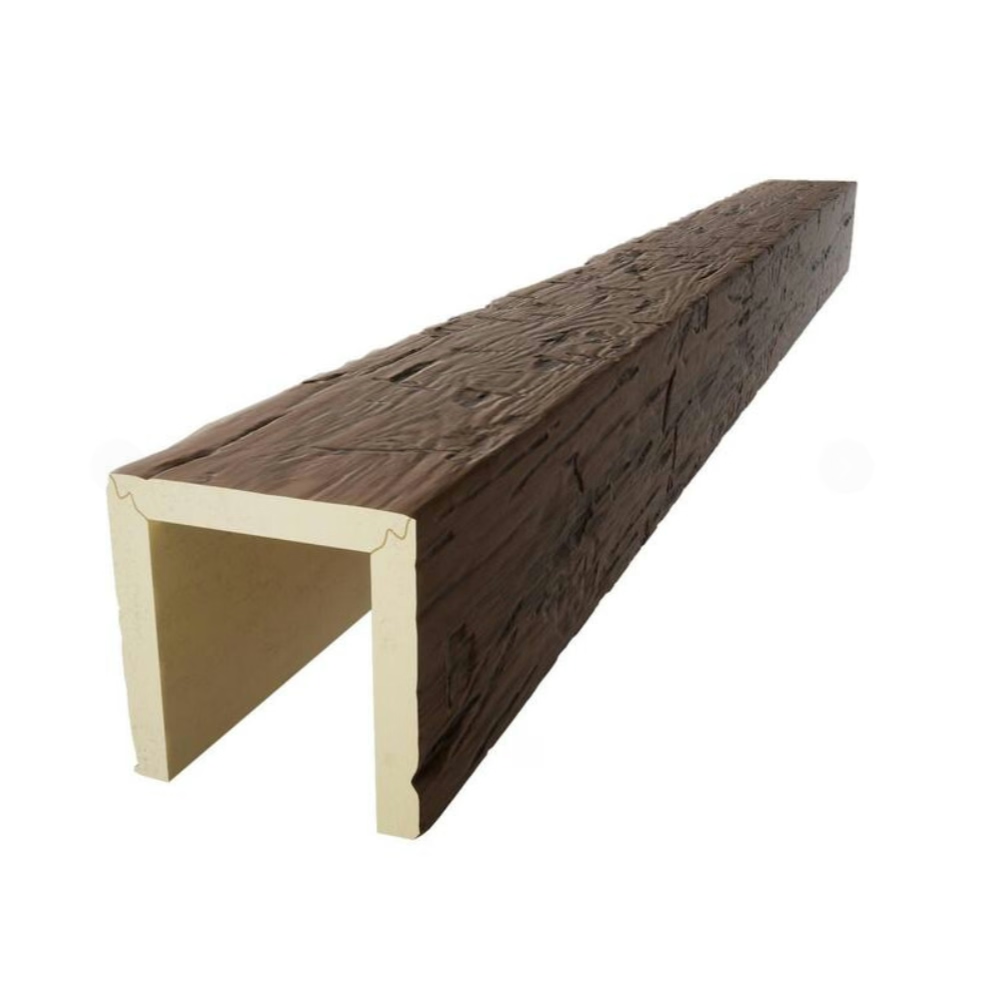
Moisture resistance becomes paramount in kitchen applications where cooking activities generate humidity, temperature fluctuations create condensation, and cleaning splashes expose surfaces to water. Quality polyurethane beams tolerate these conditions without the swelling, warping, or decay that affects natural wood in similar circumstances.
Cleanability requirements favor smooth, non-porous surfaces that resist staining and accept cleaning without damage. Polyurethane finishes typically provide these characteristics while still achieving convincing wood texture. The ability to clean beam surfaces with standard kitchen cleaning products simplifies maintenance considerably.
Heat resistance matters for installations directly above cooking appliances. While polyurethane does not ignite easily, sustained high temperatures could affect surface appearance over time. Appropriate clearance from cooktops and proper ventilation ensure that beam positioning does not create heat-related concerns.
The weight of ceiling-hung items including pot racks, lighting fixtures, and ventilation hoods attached to beams requires proper engineering. Beam mounting must accommodate these additional loads while maintaining secure attachment to ceiling structures.
Styling Approaches for Different Kitchen Aesthetics
Contemporary minimalist kitchens benefit from clean-lined beams that suggest timber character without excessive texture or rustic detail. Smooth surfaces, consistent grain patterns, and restrained color variations complement clean modern environments. Lighter finishes keep spaces feeling open while still introducing the warmth that wood brings.
Transitional kitchens blending traditional and contemporary elements pair naturally with beams featuring more pronounced grain texture and richer finish tones. These beams introduce warmth that coordinates with transitional cabinetry and countertop selections while maintaining the refined proportions that distinguish transitional from purely traditional design.
Industrial-influenced kitchens embrace beam textures that suggest reclaimed timber or rough-cut lumber. The contrast between refined appliances and rustic beams creates the tension that defines successful industrial aesthetics. Dark stain finishes further reinforce the industrial character while hiding the environmental accumulation that kitchen ceilings experience.
Scandinavian-inspired kitchens often employ light-toned beams with subtle texture that maintain the bright, airy character essential to this aesthetic. The addition of wood beams prevents spaces from feeling cold or institutional while preserving the essential lightness that defines Scandinavian design.
Integration with Kitchen Lighting
Lighting integration elevates kitchen beam installations from architectural decoration to functional design elements. Pendant fixtures hung between beams provide focused illumination for island work surfaces while adding visual interest to the ceiling plane.
Recessed lighting positioned between beams offers practical task lighting without interrupting beam aesthetics. This approach works particularly well with beam arrangements that leave substantial ceiling surface for fixture placement.
Linear lighting installations within beam arrangements create ambient illumination that enhances evening atmosphere. LED strips concealed within beam configurations provide subtle glow that highlights architectural detail while maintaining general kitchen illumination.
The interplay between beam textures and light direction reveals surface details that flatter both materials. Downlighting emphasizes grain patterns and creates shadows that deepen texture. Indirect lighting washes beam surfaces with soft illumination that minimizes shadows while still defining forms.

Practical Installation Considerations
Ceiling structure assessment identifies mounting options and requirements before finalizing beam specifications. Standard joist construction offers straightforward mounting points at regular intervals. Suspended ceilings may require supplementary support structures. Platform framing and truss construction each present specific mounting considerations.
The weight of beams plus any attached fixtures determines required mounting strength. Polyurethane beams weigh substantially less than equivalent timber, reducing structural requirements, but proper engineering ensures secure long-term attachment.
Ventilation hood integration frequently accompanies kitchen island design, and coordinating beam placement with hood positioning ensures both elements receive appropriate attention. Hoods mounted between beams create visual integration; hoods positioned alongside beams require careful alignment to maintain proportional relationships.
Professional installation ensures that beam mounting handles kitchen conditions reliably over extended service. The investment in quality installation protects the substantial investment in quality beams while ensuring safe, secure attachment that building codes require.
Modern kitchens demand attention to every detail, and ceiling beams positioned above islands provide the architectural finishing that distinguishes truly considered designs. The warmth, texture, and substantial presence that faux wood ceiling beams deliver transform functional kitchen spaces into environments that inspire daily use and genuine enjoyment.
Technical References
ASTM standards cited in every specification
Test Data
Lab results from internal testing program
Updated 2026
Reviewed against current product specs


