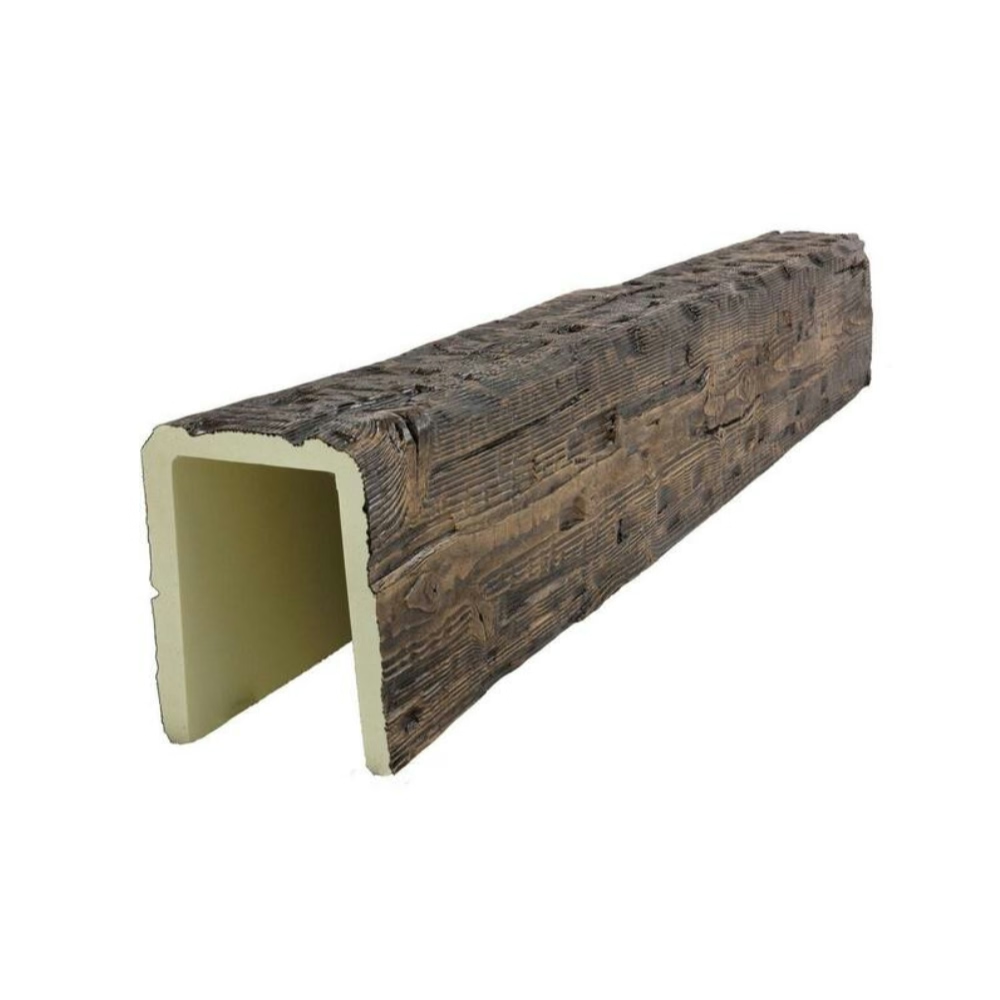
Interior color schemes depend on careful coordination between elements to achieve the cohesive environments that successful design produces. Walls, trim, ceilings, and built-in elements all contribute to overall color relationships that either unify or fragment visual experience. When ceiling beams introduce contrasting colors or finishes, the disruption to planned color schemes can compromise otherwise successful designs. Paintable polyurethane faux wood beams resolve this challenge, enabling precise color matching that integrates beams seamlessly into planned color compositions.
The ability to finish beams on-site ensures exact coordination with adjacent surfaces. Sample chips, specified paint numbers, or existing color references provide targets that on-site finishing can match precisely. This capability distinguishes paintable products from pre-finished alternatives where color matching depends on manufacturer offerings rather than project-specific requirements.
Ceiling installations present particular finishing challenges including overhead work, limited access, and visibility from multiple angles. Paintable beam formulations address these practical realities through formulations that apply evenly, dry consistently, and resist sagging on vertical and overhead surfaces.
The psychology of color integration affects how spaces feel to occupants. Ceiling beams that match or coordinate with adjacent surfaces create environments that feel designed and intentional. Contrasting or clashing elements create visual noise that undermines design confidence and comfort.

Color Matching Strategies
Exact matching to adjacent ceiling surfaces creates the appearance of beams emerging naturally from surrounding structure. This approach suits contemporary spaces where seamless integration rather than prominent decoration defines design objectives. The beams contribute texture and dimension without introducing color contrast.
Coordination with wall colors rather than ceiling surfaces creates visual connection between horizontal and vertical planes. This approach can make rooms feel taller or more cohesive depending on specific color relationships. The connection between wall and beam colors establishes design continuity throughout spaces.
Contrast selection deliberately introduces color contrast that makes beams prominent design elements. This approach suits spaces where beams should command attention and serve as focal points. Bold color statements require confidence but create memorable spaces when executed well.
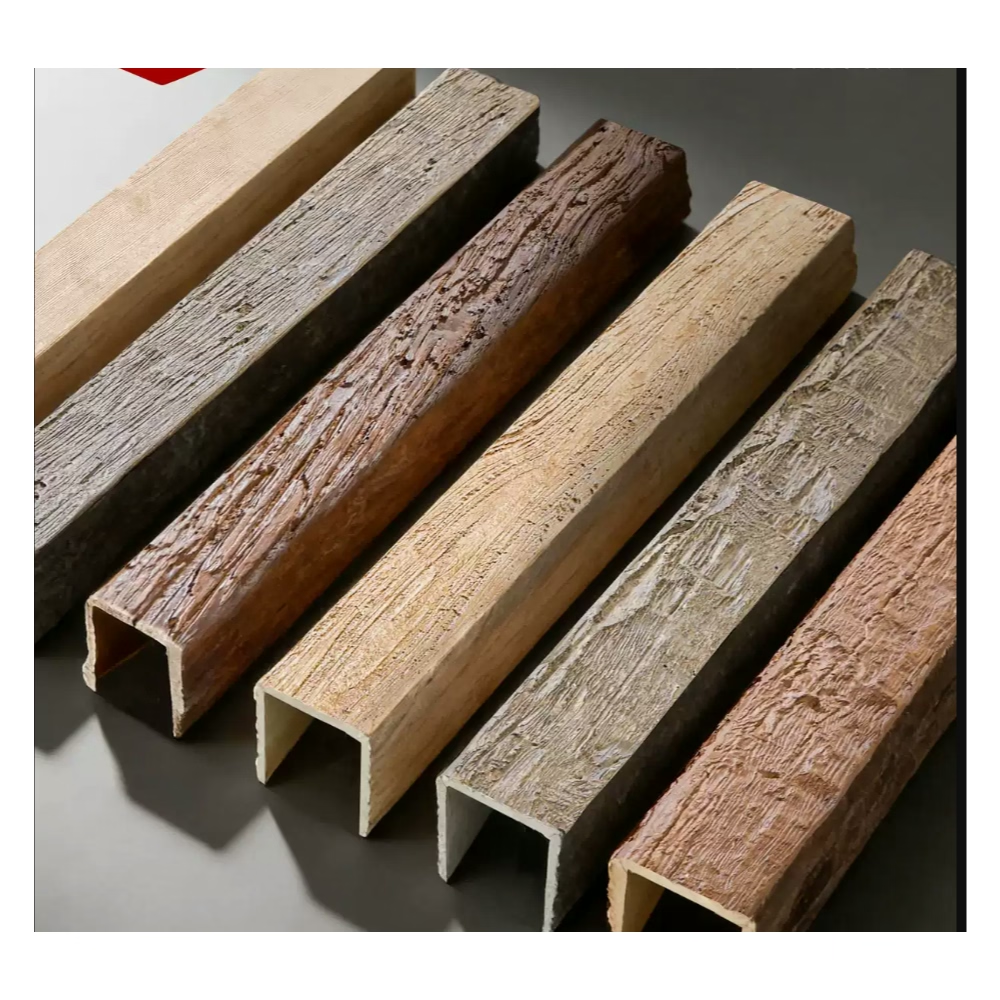
Multi-tone approaches use different finishes on different beams within the same installation. This technique adds visual complexity while allowing subtle coordination with varied adjacent colors throughout complex ceiling compositions.
Technical Approaches for Quality Matching
Color specification using standard systems ensures consistent color communication. Manufacturer color names and numbers provide inadequate reference for precision matching; universal color systems like Pantone, RAL, or exact paint manufacturer formulations enable precise communication and replication.
Sample finishing before full installation verifies color accuracy. Applying proposed finishes to sample beam sections and comparing against target colors identifies adjustments needed before committing to complete installation finishing.
Environmental lighting affects color perception significantly. Colors that appear matching under natural light may differ under artificial illumination common in interior spaces. Finish verification under actual installation lighting conditions prevents surprises.
Application technique consistency ensures uniform color across beam surfaces and between multiple beams. Consistent spray pressure, roller technique, and coverage rates prevent variations that undermine matching objectives.
Integration with Interior Design Styles
Contemporary interiors frequently employ ceiling beams that match surrounding surfaces, creating integrated environments where beams add dimension without color contrast. This approach suits minimalist and modern spaces where visual simplicity represents a design priority.
Transitional spaces may benefit from beams that coordinate with but contrast slightly from adjacent surfaces, establishing visual hierarchy without stark disconnection. Subtle value or tonal variations create interest while maintaining overall cohesion.
Traditional interiors often embrace the warmth that wood tones provide, matching beams to wood elements including flooring, cabinetry, and millwork throughout spaces. This coordination reinforces traditional character while ensuring that beams contribute rather than distract from established aesthetics.
Eclectic and collected spaces may welcome beam colors that introduce unexpected elements into color schemes. The deliberate mismatch becomes design intention rather than oversight, contributing to the layered complexity that eclectic aesthetics pursue.
Practical Finishing Considerations
Application location affects finishing approach. On-ground finishing before installation offers easiest access but risks damage during handling and installation. Overhead finishing after installation requires more careful technique but eliminates handling damage concerns.
Drying time accommodation between coats affects project scheduling. Most finishing projects require overnight drying between primer and paint applications; complete cure may require several days before installation handling.
Edge and end coverage requires attention to ensure complete color application on all visible surfaces. Beams present multiple surfaces that may be visible from different angles; complete coverage ensures consistent appearance regardless of viewing position.
Touch-up capability ensures that installation damage or subsequent damage can be addressed without complete refinishing. Matching remaining finish colors enables repairs that blend with surrounding areas.
Quality Outcomes Through Careful Execution
The investment in quality color matching pays returns through cohesive interior environments that feel properly designed. The attention to detail that matching requires signals craft consciousness that distinguishes quality work from ordinary execution.
Professional finishing application ensures results that meet expectations. While DIY finishing is certainly possible, professional finishers bring experience with technique, materials, and troubleshooting that produce reliable outcomes.
Verification before project completion catches any remaining issues while correction remains straightforward. Walking through spaces with critical attention to matching quality identifies areas requiring attention before final approval.
Maintenance of matched finishes involves understanding that all finishes age over time. Some colors and finishes age more gracefully than others; selection should consider not only initial appearance but aging characteristics that affect long-term satisfaction.
Paintable polyurethane faux wood beams empower designers and homeowners to achieve precisely coordinated interior environments. The capability to match any color ensures that beam installations enhance rather than disrupt planned design schemes. When finish quality matches installation quality, the results create spaces where every element contributes to cohesive, intentional design.
Technical References
ASTM standards cited in every specification
Test Data
Lab results from internal testing program
Updated 2026
Reviewed against current product specs


