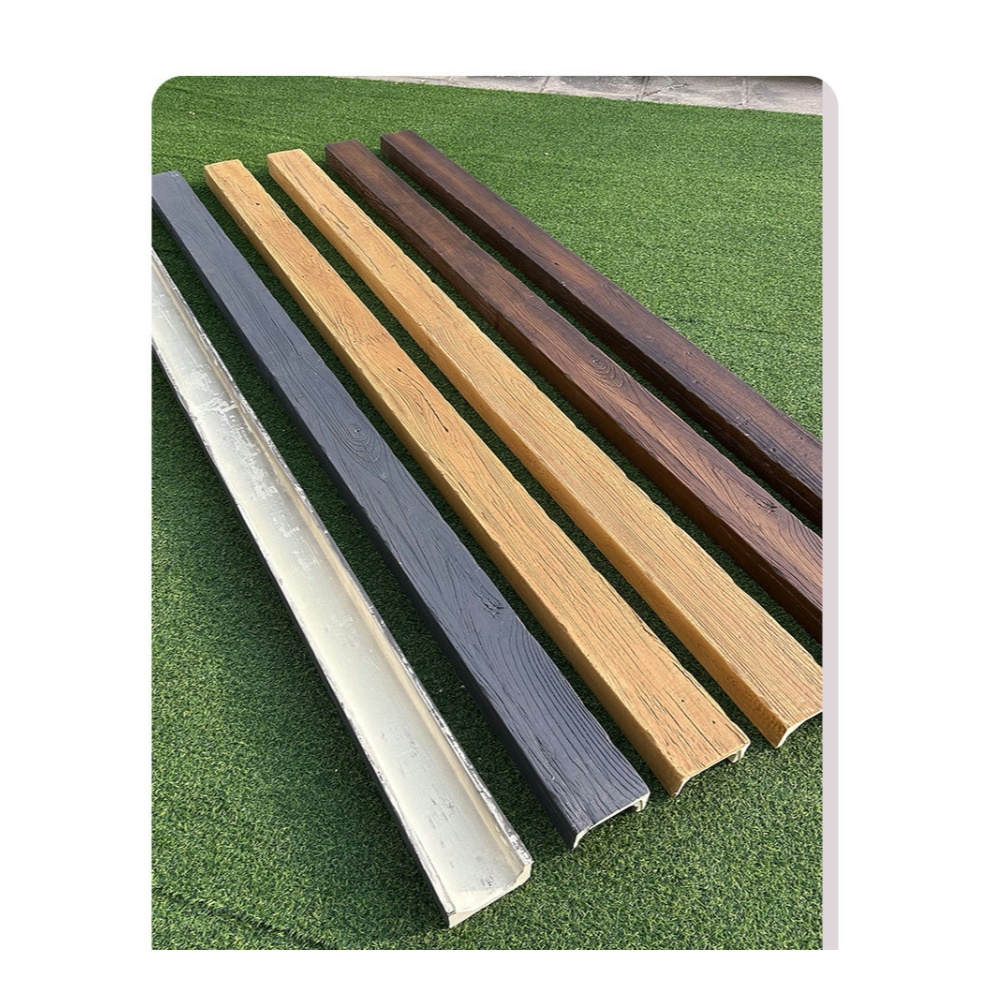
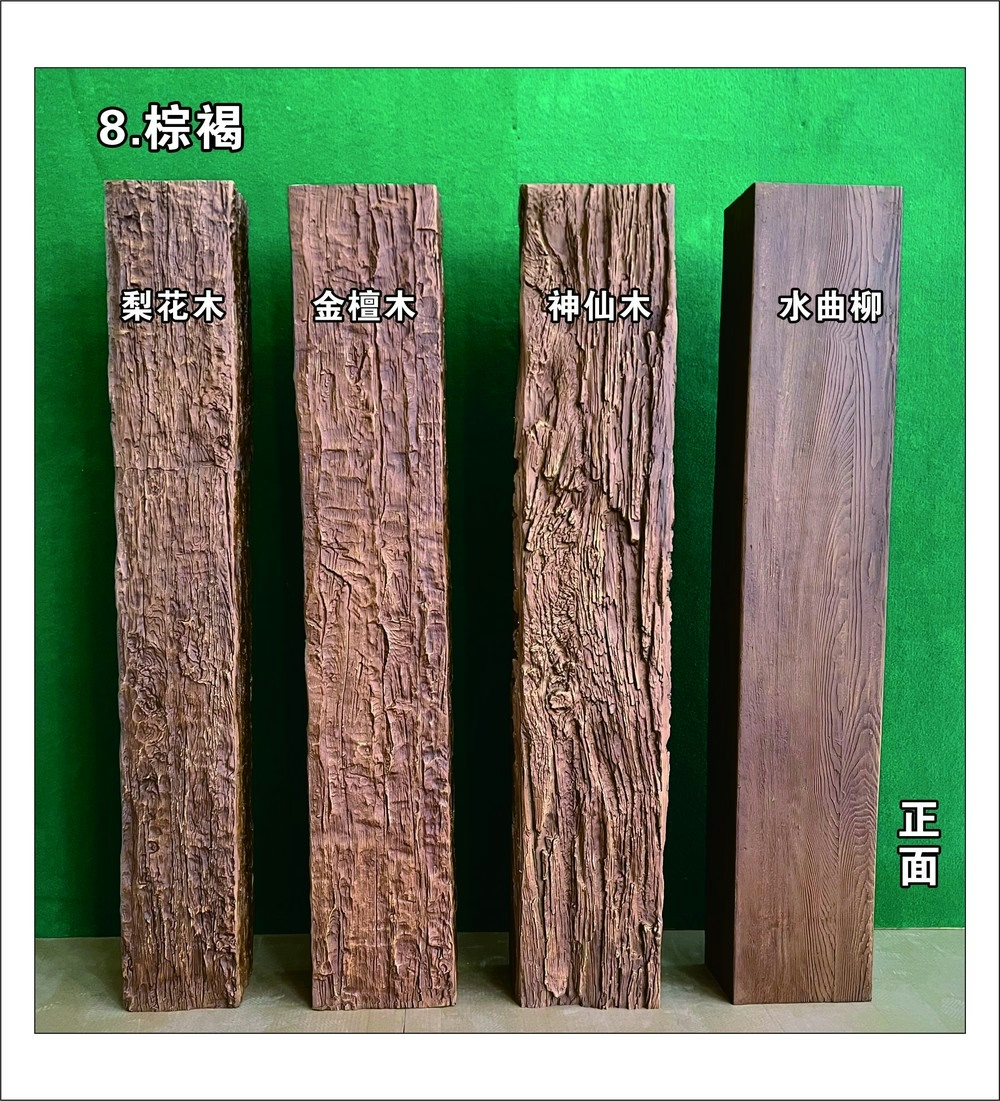
Design decisions rarely finalize as early in project timelines as convenient procurement would prefer. Color schemes evolve as samples are reviewed, adjacent materials are selected, and client preferences crystallize. Lighting conditions reveal unexpected interactions that shift color requirements. The inability to adjust finish colors after beam procurement creates constraints that disciplined design processes cannot always accommodate. Paintable surface polyurethane faux timber beams resolve this challenge, enabling on-site color adjustments that accommodate late-breaking design decisions without product replacement.
The practical advantage of field finishing extends beyond color matching to environmental adaptation. Colors that appear correct in warehouse lighting may shift under actual installation conditions. Trial applications on-site reveal these variations before commitment, enabling adjustments that ensure satisfying final appearance.
Quality paintable beam surfaces accept finishing without the extensive preparation that lesser materials require. The factory-prepared surfaces provide appropriate texture and porosity for reliable adhesion, eliminating the sanding, priming, and conditioning steps that more demanding substrates demand.
Professional finishers appreciate paintable beam surfaces that accept standard finishing techniques without modification. The familiarity with paintable surfaces enables consistent results from contractors experienced with conventional painting work.

Situations Requiring On-Site Color Adjustment
Late material selection often occurs when beam installation timing doesn't align with complete finish specification. Paintable beams accommodate these delays, finishing correctly whenever color decisions finalize without dependency on earlier procurement schedules.
Client-requested changes after installation represent another common scenario. Preferences evolve through the design process, and paintable beams enable responding to these changes without replacement. The cost avoidance compared to removing and replacing beams justifies the finishing investment.
Coordination with adjacent finishes that weren't selected during beam procurement requires matching capability after both selections occur. Paintable beams accept finishes that coordinate precisely with materials selected later in project timelines.
Environmental factors including available light, surrounding colors, and viewing context affect color perception in ways that showroom evaluation cannot predict. On-site color adjustment enables fine-tuning that showroom-based selection cannot achieve.
Finishing Workflow for Site Adjustments
Surface assessment before finishing identifies any damage, contamination, or conditions requiring attention. Clean, sound surfaces accept finishes reliably; addressing surface issues before finishing prevents appearance problems.
Cleaning procedures remove dust, handling marks, and environmental accumulation that compromise finish adhesion. Pressure washing for exterior applications, vacuuming and wiping for interior installations, ensures clean surfaces for finishing.
Masking and protection prevent finish application to adjacent surfaces that shouldn't receive paint. Careful masking at beam-wall intersections and around fixtures creates clean transitions that eliminate tedious cleanup.
Finish application proceeds according to standard finishing practices for the selected product type. Consistent technique ensures uniform appearance across all beam surfaces.
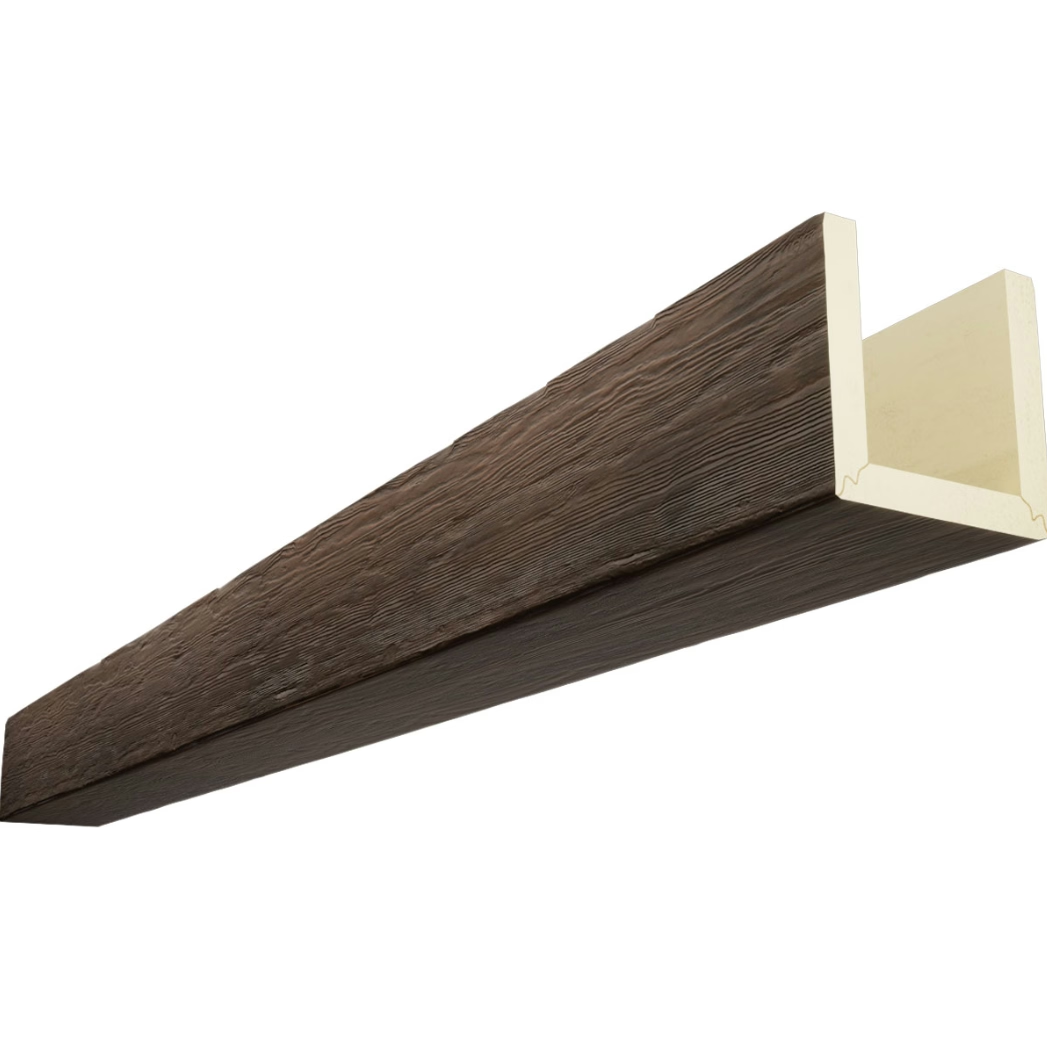
Coordination with Adjacent Materials
Color matching to fixed adjacent surfaces requires careful comparison under actual installation lighting. Sample applications dried beside existing materials reveal whether coordination achieves intended results.
Lighting conditions throughout the day affect color perception significantly. Evaluating color matching under morning light, midday brightness, and evening illumination ensures satisfaction across lighting variations that occur daily.
Adjacent material aging affects long-term color relationships. Selecting beam colors that coordinate with both current and anticipated aged appearance of adjacent materials prevents future mismatches as materials weather differently.
Documentation of final colors enables future touch-up and maintenance. Recording specific products, colors, and application conditions ensures that future repairs can match finished appearance precisely.
Technical Considerations for Quality Results
Temperature and humidity conditions during finishing affect cure times and final appearance. Appropriate environmental conditions for the selected finishing products ensure reliable results.
Ventilation requirements ensure adequate air circulation for finish curing while maintaining worker safety. Appropriate respiratory protection and ventilation equipment protects workers while ensuring proper finish cure.
Drying time accommodation between coats prevents damage from premature handling or stacking. The additional time investment ensures durable, attractive results.
Quality verification through careful inspection identifies any areas requiring additional attention. Addressing issues before project completion prevents visible deficiencies in finished installations.
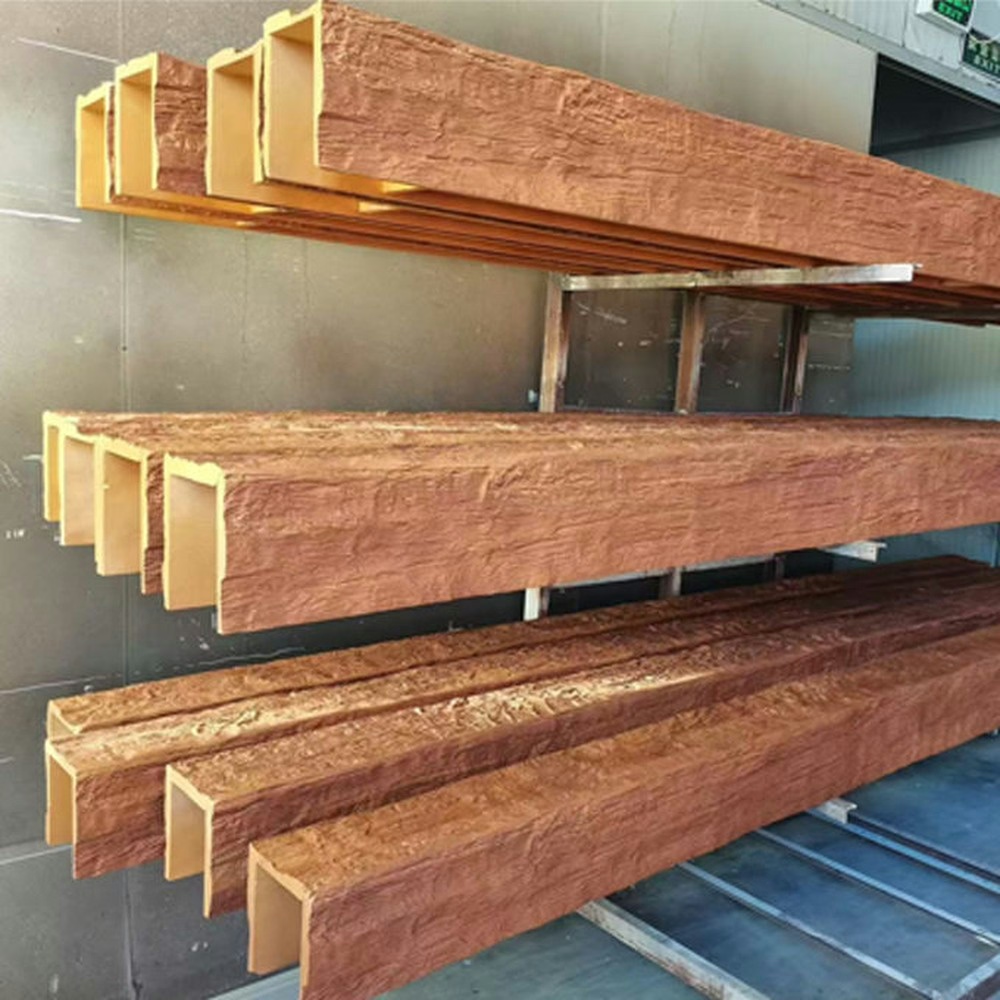
Advantages for Different Project Types
Renovation projects frequently encounter color requirements that differ from original construction. Paintable beams accommodate these requirements without finding exact matches to existing materials that may no longer be available.
Design-build projects benefit from flexibility that paintable surfaces provide. Evolving design directions don't require reversing procurement decisions when beam finishes can adjust to new requirements.
Custom home projects where client preferences may shift during construction particularly benefit from paintable beam capability. The ability to accommodate late preferences prevents conflicts that rigid finish requirements might create.
Commercial projects with brand color requirements can achieve exact specification compliance through on-site finishing that precisely matches corporate color standards.
On-site custom color adjustment capability transforms beam specification from early commitment to flexible response. Paintable surface PU faux timber beams accommodate design evolution throughout project timelines, ensuring that final installations achieve the coordination and quality that design processes aspire to deliver. The practical finishing advantage translates to design satisfaction that fixed-finish products cannot provide.
Technical References
ASTM standards cited in every specification
Test Data
Lab results from internal testing program
Updated 2026
Reviewed against current product specs