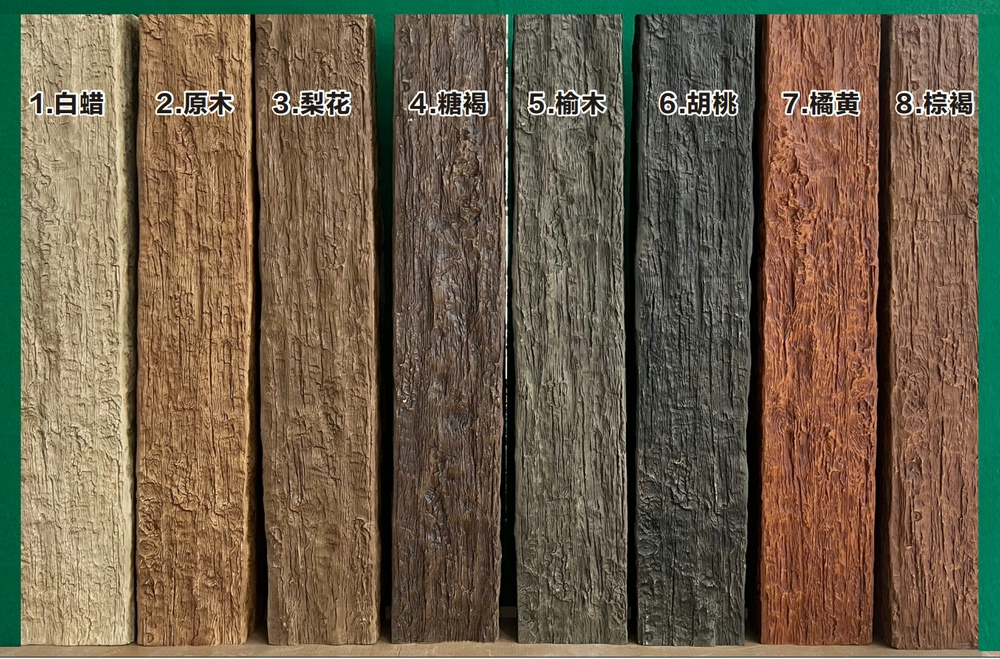
The preference for bright, airy interior environments has driven design trends across residential and commercial spaces. Light color palettes, minimal ornamentation, and generous natural illumination characterize contemporary aesthetics that emphasize openness and connection to natural light. Within this context, pale wood finishes provide warmth and organic texture without the heaviness that darker wood tones can introduce. Pale light oak finish polyurethane faux wood beams occupy this design space perfectly, offering the warmth of natural wood with the brightness that contemporary interiors demand.
The specific appeal of light oak finishes involves their ability to introduce wood's organic character while maintaining the visual lightness that modern spaces require. The subtle grain patterns and gentle color variations characteristic of oak species translate beautifully into pale finishes that brighten rather than darken their surroundings.
Natural light integration represents a key advantage of pale wood finishes in contemporary design. Spaces flooded with daylight accommodate wood elements that might appear heavy under artificial illumination alone. The interplay between natural light and pale wood surfaces creates warmth without darkness.
The versatility of light oak finishes extends across diverse design contexts. Scandinavian minimalism, coastal casual, and transitional modern styles all embrace the brightness that pale wood contributes. This flexibility makes light oak finish beams safe choices for projects where ultimate versatility matters.

Design Contexts for Light Oak Beams
Scandinavian interiors emphasize pale woods throughout, with light oak and ash finishes defining the traditional Nordic aesthetic. Light oak beams reinforce this design language while adding the architectural presence that ceiling beams provide. The coordination between beam finishes and other wood elements—flooring, furniture, built-ins—establishes the cohesive character that Scandinavian design pursues.
Coastal and beach-inspired interiors benefit from light wood that suggests driftwood, weathered timber, and sun-bleached surfaces. Light oak finish beams contribute to this aesthetic without requiring the actual weathering that natural materials would demand. The authentic appearance without maintenance extends to coastal applications where salt air and sun would quickly degrade natural wood.
Contemporary modern spaces employ light wood as counterpoint to industrial materials including steel, concrete, and glass. The organic warmth of light oak balances these cooler materials while maintaining the visual lightness that modern aesthetics demand. The contrast between refined beam surfaces and rougher industrial elements creates visual interest.
Transitional spaces blending traditional and contemporary elements use light oak beams as connecting elements between eras and styles. The familiar wood material grounds contemporary spaces while the pale finish signals modern sensibilities. This bridging capability makes light oak beams valuable in spaces that resist categorical assignment.
Visual Effects in Interior Spaces
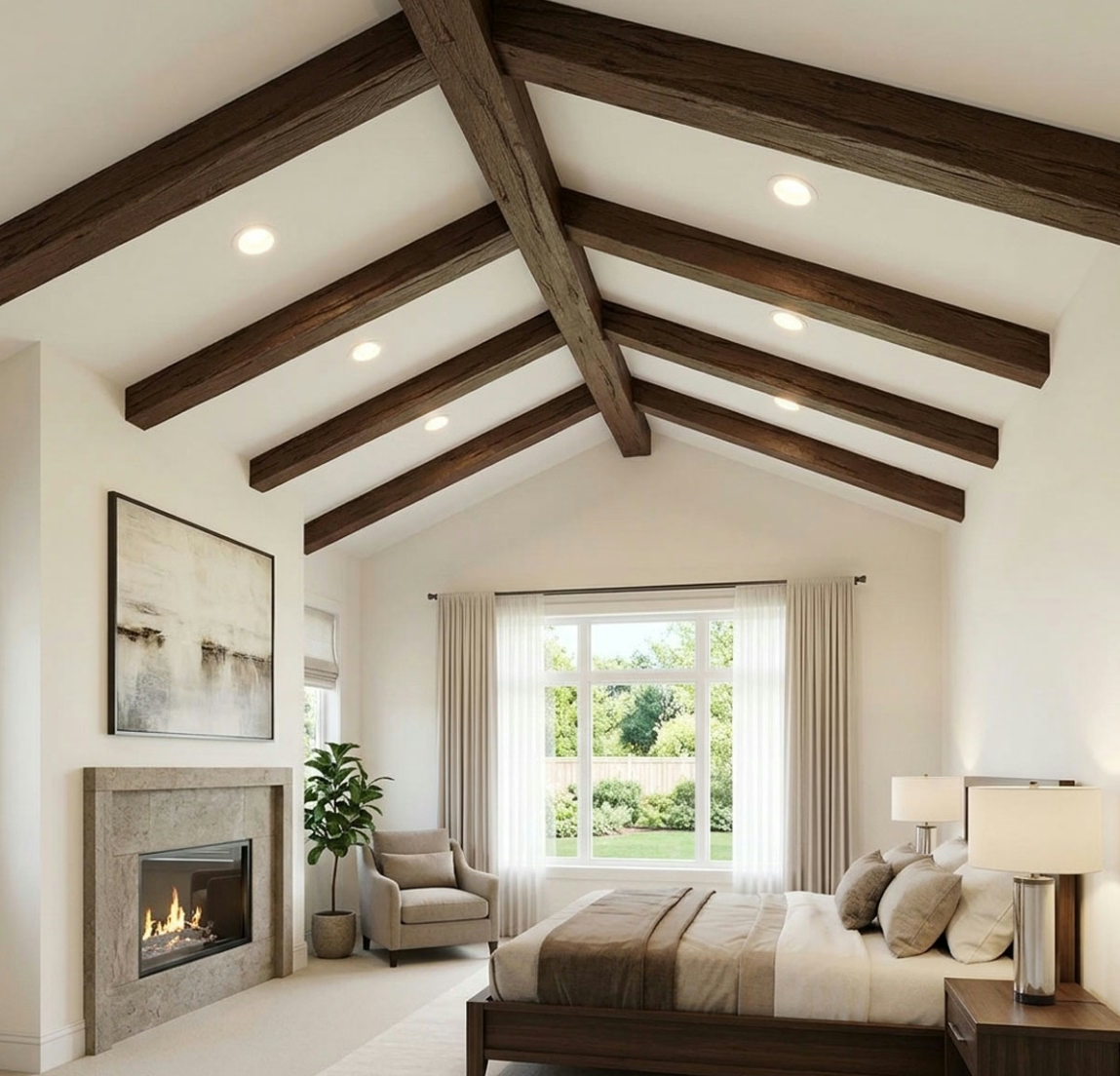
Spatial perception modification represents one of the primary effects that ceiling beams provide. Light oak finish beams enhance this effect by contributing to bright, open spatial impressions rather than closing spaces down through visual weight. The combination of ceiling beam architecture and pale finish creates volume that feels expansive rather than confining.
Light reflection from pale wood surfaces contributes to overall room brightness. This effect becomes particularly valuable in north-facing rooms or spaces with limited natural light where every reflective surface helps distribute available illumination. The contribution may be subtle but contributes to overall ambient light levels.
Texture introduction without darkness adds the visual interest that flat surfaces lack. The grain patterns visible in light oak finishes create depth and character while remaining subtle enough for contemporary preferences. This texture adds sophistication without overwhelming the clean aesthetics that often accompany light color schemes.
Material warmth counteracts the potential coldness that contemporary materials sometimes introduce. Steel, glass, and stone dominate many contemporary interiors; the organic warmth of wood—even pale wood—provides necessary counterbalance that makes spaces more comfortable and inviting.
Coordination with Interior Color Schemes
White and off-white color schemes pair naturally with light oak beams, establishing bright foundations that wood warmth enhances rather than disrupts. The subtle warmth that oak contributes prevents white-on-white combinations from feeling sterile while maintaining the lightness that white schemes pursue.
Gray and blue-gray palettes create sophisticated combinations with light oak. The cool undertones in these colors complement the subtle warmth of oak without competing for attention. The resulting balance creates refined environments that feel both warm and contemporary.
Neutral earth tones including beige, cream, and soft tan coordinate with light oak while adding their own warmth to the composition. This palette layering creates rich, inviting spaces that maintain the brightness contemporary design prefers.
Bold accent colors pop effectively against light oak beams. The neutral wood surface provides backdrop that allows colorful elements to command attention without competing for visual space. This coordination capability makes light oak beams flexible foundations for evolving color schemes.
Practical Considerations for Light Finish Selection
Cleaning requirements for light surfaces exceed those for darker finishes. Environmental accumulation including dust, pollen, and handling marks shows more readily on pale surfaces. Understanding this maintenance requirement prepares owners for the cleaning attention that light finishes demand.
Sun exposure effects on light finishes differ from darker alternatives. Fading and yellowing affect pale finishes differently than dark ones; quality finishes designed for UV stability maintain appearance longer in sun-exposed positions.
The selection of light oak finish should consider actual room lighting conditions. Spaces with abundant natural light can accommodate any light finish; spaces with limited illumination benefit from the brightest available options that maximize reflective surfaces.
Touch-up and repair considerations for light finishes require attention to color matching that darker finishes can tolerate more loosely. Minor scratches and damage show more readily on pale surfaces, making quality finishing and careful handling more important.
Long-Term Appearance and Aging
Light finishes age differently than dark ones, often developing warmer tones as yellowing occurs over years of service. This aging can enhance rather than diminish appearance if anticipated during initial selection. Understanding how specific finishes age prevents disappointment when inevitable changes occur.
Maintenance requirements evolve as finishes age. Touch-up and refinishing may become necessary as surfaces accumulate wear and damage that cleaning cannot address. Planning for this eventual maintenance ensures that owners understand the commitment light finish selection entails.
Quality considerations matter more for light finishes than dark ones. Subtle imperfections visible in pale surfaces can mar otherwise successful installations. Premium products and professional installation ensure the flawless appearance that light finishes demand.
The timeless quality of light wood ensures that installations maintain relevance as design trends evolve. Unlike trendy colors that date quickly, light oak finishes offer classic appeal that adapts to changing preferences without appearing obviously of-their-era.
Pale light oak finish polyurethane faux wood beams provide the combination of brightness, warmth, and natural character that contemporary interiors increasingly demand. The versatility across design contexts, coordination with diverse color schemes, and timeless appeal make these beams valuable additions to spaces pursuing bright, airy aesthetics. When quality products receive professional installation and appropriate finishing, the results create environments that feel both contemporary and genuinely welcoming.
Technical References
ASTM standards cited in every specification
Test Data
Lab results from internal testing program
Updated 2026
Reviewed against current product specs


