Entryway design sets the tone for entire homes, establishing architectural character that visitors experience before interiors reveal themselves. The combination of patterned tile flooring with rustic wood look beams creates compelling juxtaposition—precise geometric pattern below, organic texture above—that captures attention and communicates design intention. This pairing has gained popularity as homeowners seek distinctive approaches that balance visual complexity with welcoming warmth.
The entryway occupies unique architectural position as transition between exterior exposure and interior climate control. Materials in these spaces must tolerate temperature fluctuations, moisture tracking, and the dirt accumulation that foot traffic inevitably introduces. Both tile and polyurethane meet these challenges effectively while providing the aesthetic qualities that design success requires.
Patterned tile brings color, geometry, and handcraft heritage to entry floors. The variety of available patterns—from traditional Moroccan and Victorian motifs to contemporary geometric interpretations—enables style matching that coordinates with overall architectural character. The durability that quality tile provides ensures that this design investment maintains appearance through years of use.
Rustic wood look beams introduce organic warmth and substantial presence that tile alone cannot provide. The contrast between precise tile patterns and irregular wood grain creates visual tension that enriches entry environments. The texture variety adds tactile interest that encourages lingering and appreciation.

Design Philosophy: Pattern Meets Texture
The successful combination of patterned tile with rustic beams depends on understanding how visual elements interact. Pattern introduces complexity through repetition and variation; texture adds depth through surface character. Together they create layered visual environments that reward attention without overwhelming.
Scale relationship between tile pattern and beam texture affects overall balance. Large-scale tile patterns pair well with substantial beams featuring pronounced texture. Smaller, more detailed patterns suit refined beams with subtler surface character. Mismatched scales create tension that undermines rather than enriches.
Color coordination between tile and beam finishes establishes visual connection that makes disparate materials read as intentional composition. Whether matching undertones, complementing hues, or providing deliberate contrast, color relationships determine whether the combination achieves cohesive design.
The principle of visual hierarchy helps organize these competing elements. One material should dominate while the other supports—either bold tile patterns with understated beams or dramatic beams with subtle tile background patterns. Equal emphasis creates competition that dilutes both elements.
Tile Selection for Entry Environments
Material durability matters significantly in entry applications where foot traffic concentrates. Porcelain tile offers superior density and resistance to moisture absorption compared to ceramic alternatives. The investment in quality tile pays returns through lasting appearance that lower-quality alternatives cannot maintain.
Pattern style should coordinate with overall architectural context. Traditional homes suit traditional patterns including encaustic, Moroccan, and Victorian designs. Contemporary architecture accommodates geometric abstracts and minimalist interpretations. Mismatched styles create confusion that undermines design intention.
Color palette establishment through tile selection provides foundation for beam finish coordination. Whether tiles establish dominant colors later extended through beams, or beams introduce complementary tones that tile backgrounds support, the relationship requires intentional establishment.
Scale appropriateness relates tile pattern size to entry dimensions. Generous entries accommodate large-scale patterns that make bold statements; smaller entries benefit from refined patterns that don't overwhelm limited space.

Beam Selection for Entry Applications
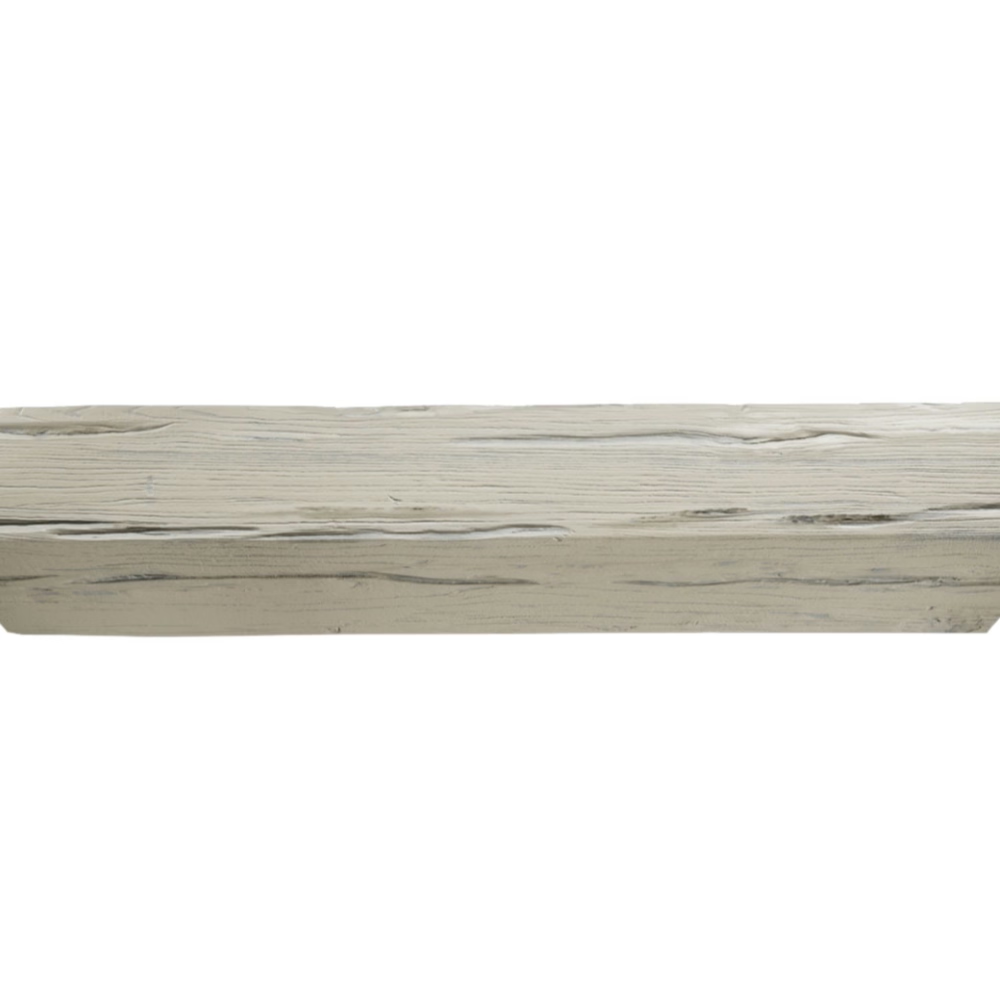
Rustic character in beam finish involves pronounced grain texture, natural color variation, and surface character suggesting aged timber. Quality faux beam manufacturing achieves convincing rustic appearance through deep surface textures and carefully developed finish applications that replicate weathered wood.
Finish warmth coordinates with tile colors while providing necessary contrast. The organic warmth that rustic wood contributes counteracts any coolness that tile surfaces might introduce, creating balanced entry environments that feel both refined and welcoming.
Profile selection influences overall rustic character. More substantial beams with pronounced profiles suggest traditional timber construction; refined profiles with subtler detailing suit more contemporary contexts. The beam profile should relate to both tile pattern style and overall architectural character.
Protection considerations for beams in entry locations require attention to potential moisture exposure from wet footwear, umbrella storage, and weather tracking. While polyurethane tolerates moisture better than natural wood, appropriate ventilation and occasional attention ensures lasting performance.
Styling Variations and Interpretations
Mediterranean entry design combines terracotta-toned patterned tiles with rustic beams finished in warm honey or golden oak tones. The sun-baked warmth that characterizes Mediterranean aesthetics translates effectively through these material choices. Wrought iron accents, plaster walls, and Moorish door surrounds complete the composition.
Farmhouse entry styling pairs white or cream patterned tiles with beams finished in weathered white or gray tones. The contrast between light floors and darker ceiling beams creates visual grounding that anchors farmhouse compositions. Shiplap walls, board and batten details, and vintage accessories reinforce the rustic farmhouse character.
Transitional entry spaces blend traditional and contemporary elements through refined tile patterns with clean-lined rustic beams. The sophistication that transitional design pursues emerges through material quality and proportional balance rather than historical reference. This approach suits homes blending multiple design influences.
Global inspired entries reference specific cultural traditions through tile pattern selection paired with beams finished to complement regional color palettes. Moroccan zellige tiles coordinate with warm-toned beams; Japanese-inspired geometric tiles pair with natural or blackened finishes. The reference specificity creates distinctive spaces that transcend generic design.
Practical Integration Considerations
Transition between tile floor and beam elements requires thoughtful detailing at wall-flooring and beam-wall intersections. Appropriate trim pieces, proper sealing, and coordinated finish application ensure that these transitions appear intentional rather than incidental.
Lighting integration affects both tile and beam presentation significantly. Recessed lighting illuminates beams while pendant fixtures or chandeliers can highlight tile patterns below. The interplay between lighting and materials creates the atmosphere that entry spaces should establish.
Storage integration in entries with patterned tile and beams requires attention to benches, cubbies, and shelving that coordinate with design language. The material quality that defines tile and beam selection should extend to these functional elements to maintain design consistency.
Seasonal considerations affect entry design as holidays and seasons introduce decorations that should complement rather than conflict with established materials. The timeless quality of both tile patterns and rustic beams accommodates seasonal styling without appearing dated or inappropriate.
Maintenance requirements for patterned tile include regular cleaning and occasional sealing depending on grout and tile type. Rustic beams require occasional cleaning and potential touch-up as finishes age. Understanding these requirements ensures appropriate expectations for long-term appearance.
The combination of patterned tile entryways with rustic wood look faux beams creates entry environments that balance visual complexity with welcoming warmth. The pattern-meets-texture approach produces spaces that engage attention while providing the practical durability that entry applications demand. When material selection, color coordination, and proportional balance receive appropriate attention, these entry treatments establish the architectural character that welcomes visitors and establishes home identity.
Technical References
ASTM standards cited in every specification
Test Data
Lab results from internal testing program
Updated 2026
Reviewed against current product specs

