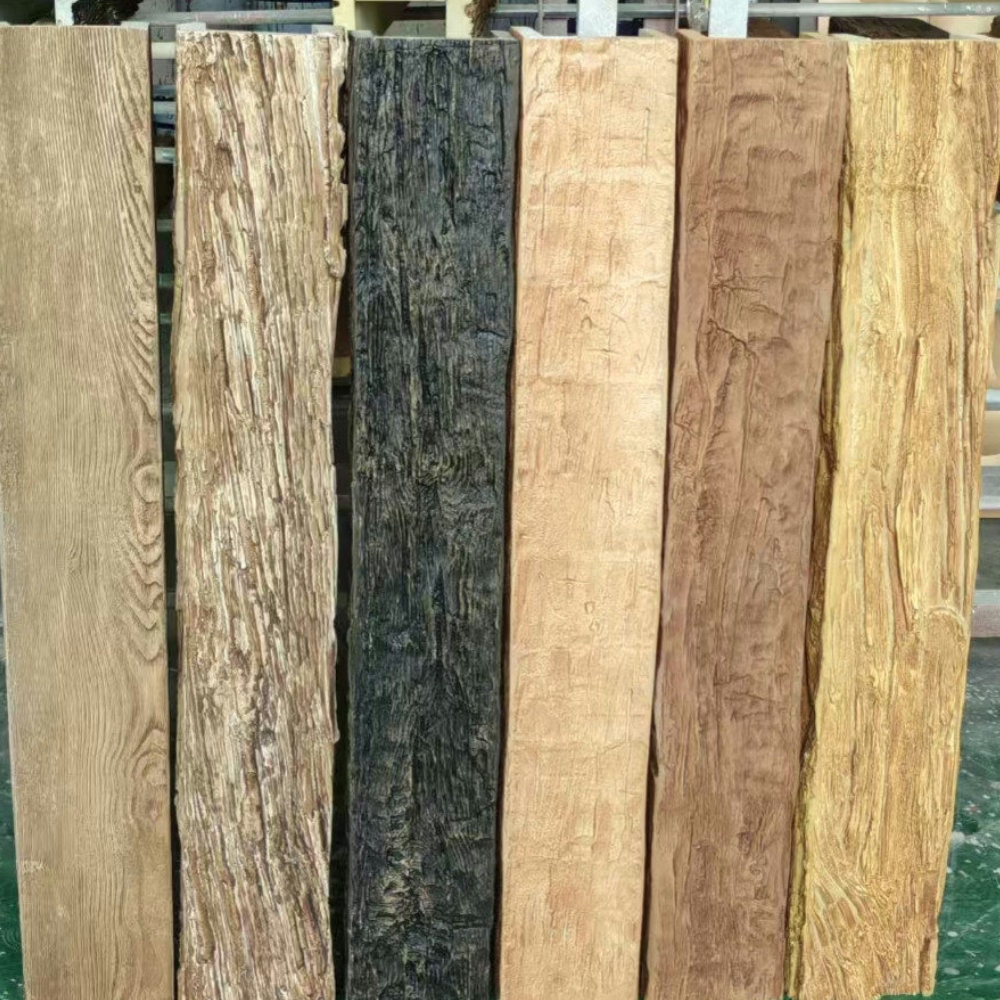
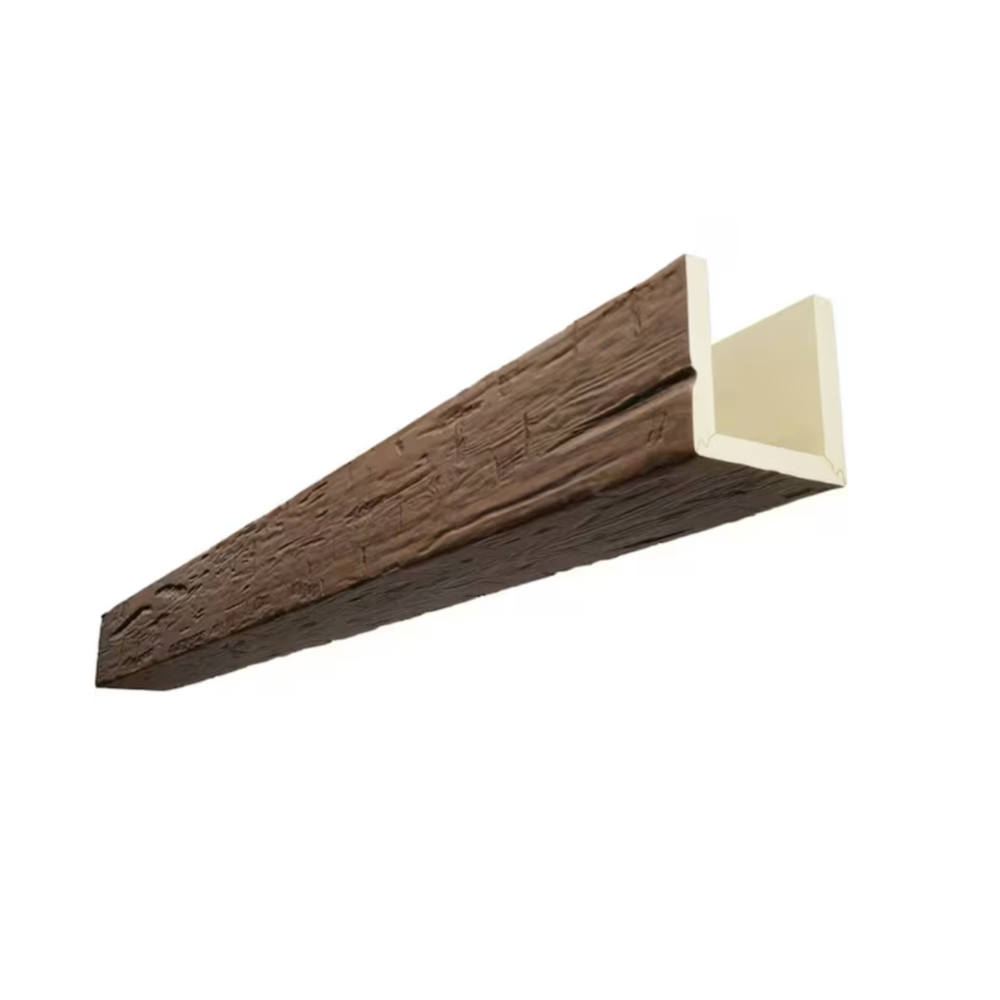
The combination of grey walls with light oak faux wood beams represents one of the most versatile and enduring pairings in contemporary interior design. This color relationship achieves a careful equilibrium—grey providing cool sophistication and structural neutrality while light oak introduces warmth, texture, and organic authenticity that prevents spaces from feeling sterile or disconnected from natural elements. Interior designers repeatedly gravitate toward this pairing because it accommodates diverse style expressions from Scandinavian minimalism to transitional farmhouse aesthetics without requiring fundamental color adjustments.
Understanding why this combination resonates requires examining how humans perceive and emotionally respond to color relationships. Grey operates as a neutral buffer that absorbs surrounding colors without competing for attention, making it an ideal backdrop for accent pieces and architectural details like ceiling beams. Light oak, with its golden undertones and visible wood grain patterns, introduces visual warmth that counteracts grey's potentially cold or melancholy associations. Together, these colors create rooms that feel both refined and inviting—qualities that explain their prevalence in hospitality spaces, model homes, and design publications.
Selecting the Appropriate Grey Base
The specific grey chosen for wall surfaces dramatically influences how successfully light oak beams integrate into the overall room composition. Cool grey tones with subtle blue or green undertones create contemporary spaces with crisp, gallery-like atmospheres where beams serve as natural focal points. Warmer grey shades containing beige or taupe undertones produce more relaxed environments where beams blend more harmoniously with surrounding finishes. Charcoal grey walls create dramatic contrast against light oak, resulting in bold visual statements suitable for feature ceilings in master bedrooms or dining rooms.
Testing grey paint samples at different times throughout the day reveals how natural and artificial lighting transforms wall colors. A grey that appears perfect at noon might seem too purple or too green under evening illumination. Viewing samples alongside actual light oak beam samples—or at minimum, bringing beam color swatches to the paint store—ensures the selected wall colour complements rather than clashes with the wood finish. Large paint chips applied directly to walls provide more accurate impressions than small samples viewed in isolation, since wall dimensions and adjacent materials influence perceived color.
Light Oak Finish Variations and Undertone Matching
Light oak faux wood beams encompass substantial finish variation beyond simple color designation. Honey oak finishes display warm golden tones that pop against cool grey walls but may create excessive warmth in rooms already receiving abundant natural sunlight. Natural oak finishes present more balanced, neutral wood tones that photograph consistently across various lighting conditions. Bleached or whitewashed oak finishes offer the lightest options, creating coastal or Scandinavian aesthetics when paired with light grey walls.
The grain pattern intensity in light oak beams affects room perception significantly. Subtle, consistent grain patterns create refined appearances suitable for contemporary spaces, while bold, dramatic grain variations introduce rustic character that anchors rooms more forcefully. For grey-walled spaces seeking balance between contemporary cleanliness and organic authenticity, medium-grain intensity provides optimal versatility—visible enough to read as genuine wood, restrained enough to avoid overwhelming clean-lined décor.

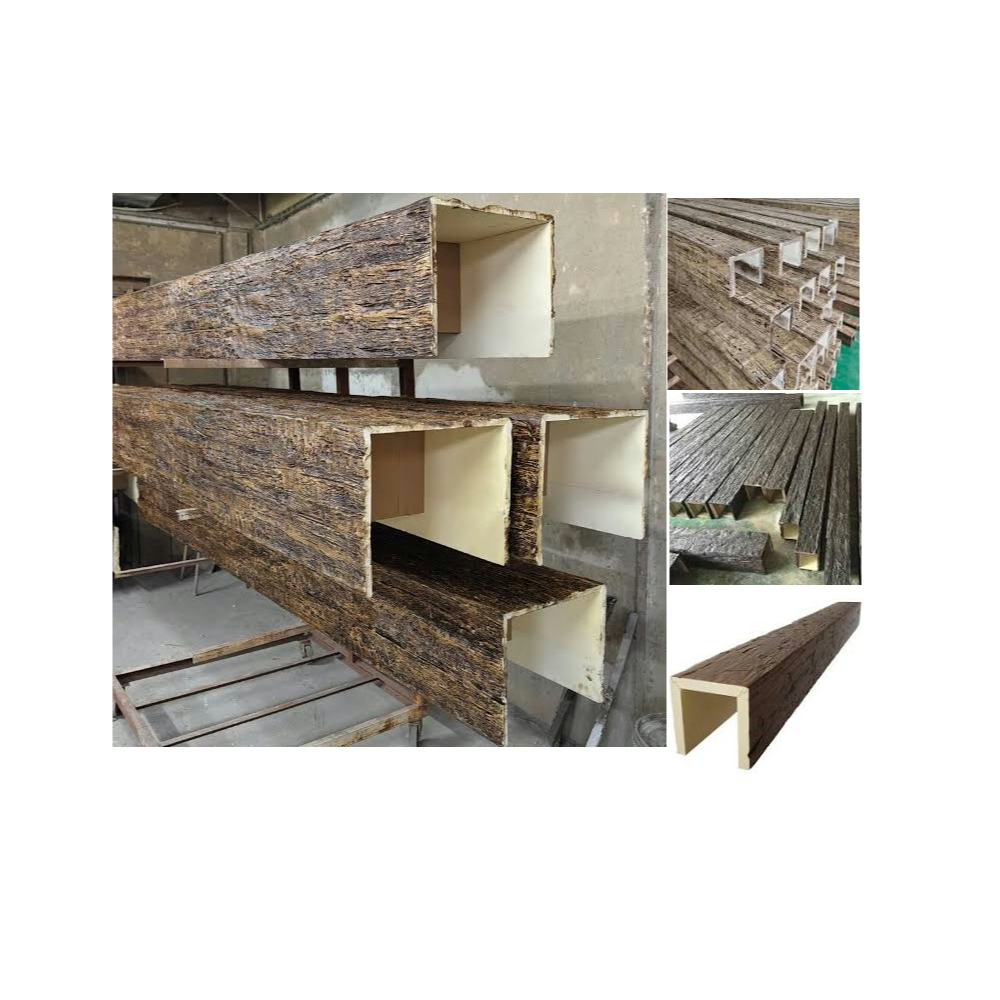
Proportional Guidelines for Beam Sizing
Ceiling height establishes baseline parameters for appropriate beam sizing, with taller ceilings accommodating larger beams and lower ceilings requiring more modest dimensions to maintain proportional relationships. In rooms with 9-foot ceilings, beams measuring 4 to 6 inches wide typically provide appropriate visual presence without crowding the overhead space. Ten-foot ceilings allow 6 to 8 inch beams, while grand spaces with 12-foot or higher ceilings can support 10-inch or larger architectural beams that create genuine impact.
Beam spacing relative to room dimensions influences perceived ceiling height and spatial proportions. Beams spaced too widely appear disconnected from the room's architectural language, while overly tight spacing creates cluttered, busy ceiling surfaces. A general guideline suggests spacing beams at intervals approximately 1.5 to 2 times the beam width—for example, 6-inch-wide beams spaced 9 to 12 inches on center. This proportion creates visual rhythm that the human eye finds naturally pleasing without calculating precise mathematical relationships.
Lighting Integration Strategies
Successful grey and light oak interiors require deliberate lighting design that enhances both elements throughout the day and evening. Recessed lighting positioned between beams creates layered illumination that washes the ceiling plane while highlighting beam texture during evening hours. Track lighting directed toward beam surfaces emphasizes wood grain patterns and creates visual depth through shadow interplay. In rooms with limited natural light, warmer LED bulb selections (2700K to 3000K color temperature) enhance oak warmth, while cooler bulb temperatures (3500K to 4000K) complement grey walls but may reduce oak's golden undertones.
Skylights or light tubes positioned to illuminate beam surfaces directly create dramatic natural light presentations that shift throughout the day. The interplay between changing natural light and static beam textures generates visual interest that static artificial lighting cannot replicate. However, UV exposure considerations for polyurethane beams require evaluation—while quality PU beams include UV inhibitors, consistent direct sunlight may eventually affect surface color stability over many years.

Furniture and Accessory Coordination
Completing the grey and light oak color story requires thoughtful furniture selection that bridges both palette elements without overwhelming either. Upholstered pieces in grey fabrics or leathers anchor seating areas within the established wall color framework. Natural wood furniture pieces—coffee tables, side tables, media consoles—in matching or complementary oak finishes create continuity between ceiling beams and lower room elements. Metal accents in brass, matte black, or brushed nickel provide finishing touches that tie the overall composition together.
Textile selections including rugs, throw pillows, and window treatments offer opportunities to introduce accent colors or reinforce the established palette. Cream, ivory, or white textiles lighten spaces and prevent them from feeling too heavy or brown-adjacent. Subtle pattern mixes—geometric greys with natural fiber textures—add visual interest without disrupting the fundamental color harmony. Avoiding excessive accent colors keeps the grey and light oak relationship clear and prevents rooms from feeling chaotic or theme-less.
Room-Specific Application Considerations
Living rooms benefit most from beams installed perpendicular to visible ceiling joists, creating authentic architectural framing that organizes open floor plans. The beams establish visual zones within larger spaces, defining conversation areas from adjacent dining or reading nooks without requiring physical partitions. Grey walls throughout the main living area can extend into adjacent spaces like hallways and entryways, creating flow and continuity while beams remain visible only where ceiling height and room function justify their presence.
Bedrooms featuring grey walls and light oak beams should prioritize relaxation-oriented lighting and furniture arrangements that counteract any overly energizing effects from the color combination. Softer lighting with dimming capability, blackout window treatments, and upholstered headboards in complementary grey tones create cocoon-like retreats. The ceiling beams become discovery elements that reward looking upward from the bed, adding architectural interest to private spaces that might otherwise feel generically decorated.
Dining rooms gain formal elegance when grey and light oak pairings receive formal furniture treatment—dining tables in matching oak finishes, grey upholstered dining chairs, and coordinated lighting fixtures. The beams overhead frame the dining experience while grey walls create appropriate dinner party atmosphere without appearing stark or unwelcoming. This application demonstrates how the color combination transcends casual living spaces to accommodate more sophisticated entertainment requirements.
Technical References
ASTM standards cited in every specification
Test Data
Lab results from internal testing program
Updated 2026
Reviewed against current product specs