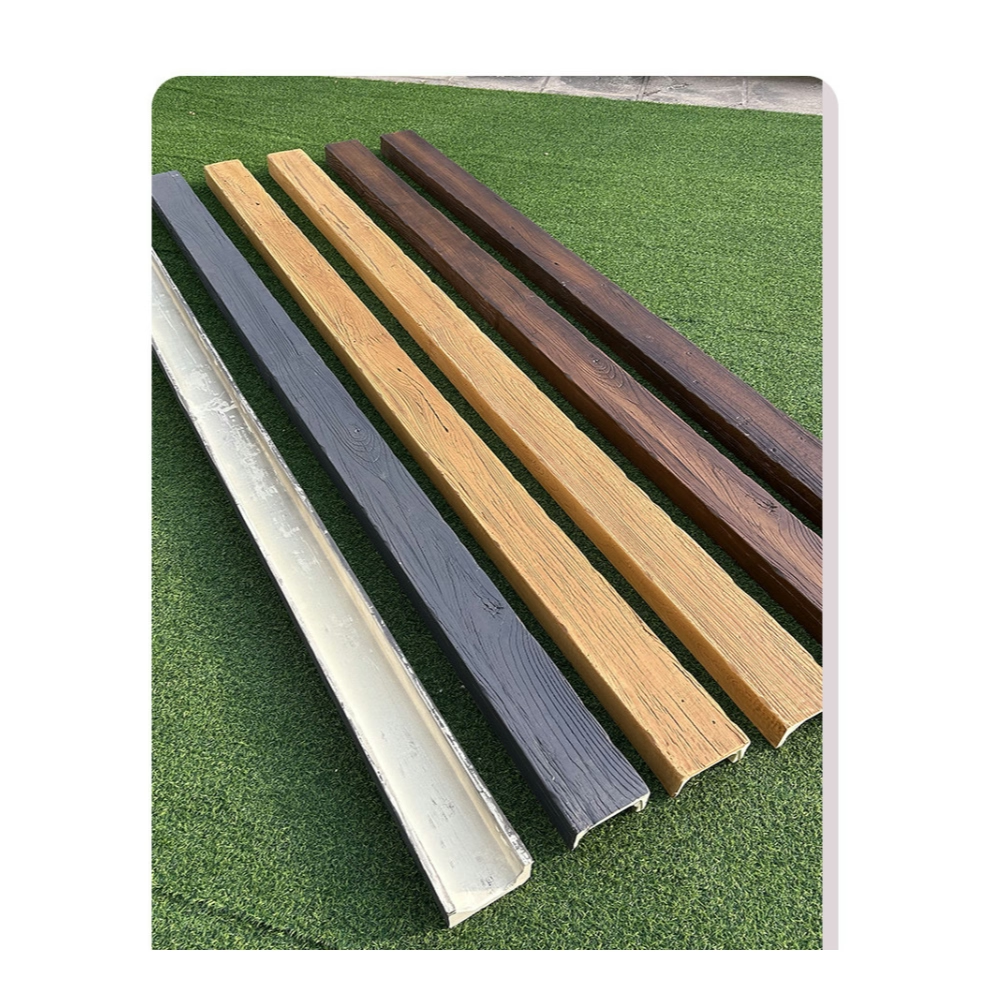
Walking into a showroom and running your fingers across the grain of a faux wood beam tells a completely different story than scrolling through product photographs on a website. That tactile experience—the weight of the piece, the way light catches the embossed texture, the unexpected realism of the finish—cannot be replicated digitally. For trade professionals and end customers alike, physical showroom sample displays have become an essential step in the decision-making process for ceiling beam installations.
The value of a physical sample extends far beyond simple color verification. When architects and interior designers specify materials for hospitality projects, they need to understand how their chosen beams will interact with ambient lighting conditions, adjacent materials, and the overall spatial atmosphere. A sample displayed under natural daylight streaming through a showroom skylight reveals qualities that simply cannot be anticipated from a product catalog alone. The way polyurethane faux beams absorb and reflect light differs subtly from photographs, and these nuances matter enormously when the installation spans hundreds of linear feet across a restaurant ceiling or hotel lobby.
Creating Immersive Display Environments
Modern showrooms dedicated to architectural finishes have evolved far beyond simple product shelving. The most effective displays recreate entire room scenarios, allowing visitors to experience how faux wood ceiling beams perform in context. A hospitality design firm working on a mountain lodge concept, for instance, benefits enormously from seeing beams mounted against rough stone veneer samples, under appropriate lighting fixtures, and at the correct ceiling height. This contextual presentation eliminates the guesswork that often leads to costly specification errors and installation disappointments.
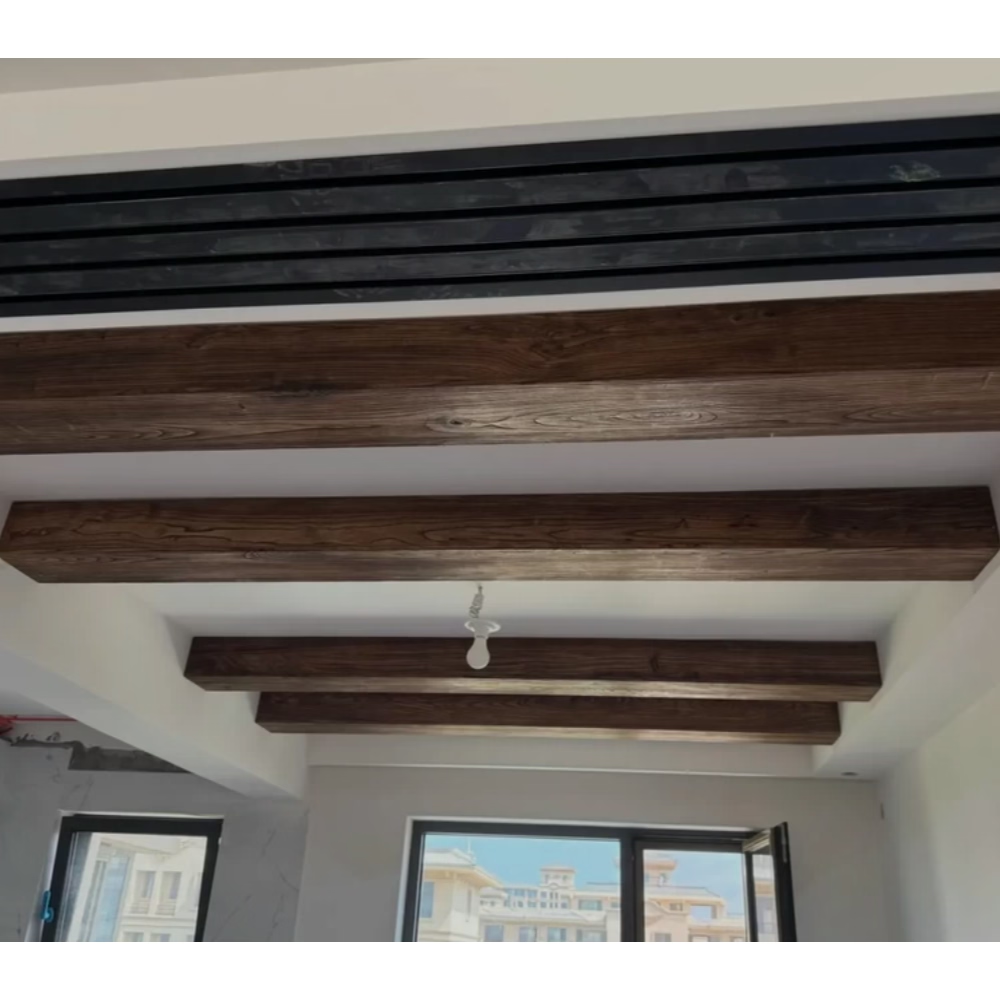
The arrangement of display pieces also communicates practical installation information. When showroom visitors observe beams with varying profiles—single beams versus beam mantels, coffered ceiling installations alongside exposed beam treatments—they gain intuitive understanding of how different configurations transform spatial perception. A narrow corridor feels expansive with horizontal beam runs, while a vaulted great room achieves rustic grandeur through staggered perpendicular installations. These spatial lessons, absorbed through visual observation rather than verbal description, stick with clients as they move toward purchase decisions.
Display lighting deserves particular attention in sample presentation areas. Directional lighting that mimics actual installation conditions helps visitors evaluate shadow patterns and depth perception. Recessed fixture simulations above displayed beams reveal how lighting interacts with beam profiles, while wall-washing techniques demonstrate how finish colors shift under different illumination temperatures. A warm halogen highlight brings out golden undertones in honey oak finishes, whereas cool LED lighting reveals subtle gray veining in weathered gray stain options. This lighting education prevents post-installation surprises that disappoint clients and damage supplier reputations.
The Client Consultation Experience
Physical sample displays transform client consultations from abstract discussions into tangible material explorations. When a contractor sits down with a homeowner debating between authentic reclaimed beams and polyurethane alternatives, placing both sample types side by side facilitates honest conversations about performance expectations, budget constraints, and maintenance requirements. The visual comparison immediately clarifies that polyurethane beams offer remarkable wood aesthetics without the splitting, insect damage, or moisture concerns that accompany genuine timber.
For commercial clients, sample displays serve additional strategic purposes. Restaurant franchise developers evaluating beam options for multiple locations appreciate the ability to compare finish consistency across production batches. They can verify that beam color 2147, their preferred honey amber finish, remains uniform whether the sample originated from last month's production run or yesterday's manufacturing batch. This quality assurance demonstration builds confidence in bulk ordering and establishes expectations for large-scale procurement that photographs simply cannot provide.
Specification teams also use physical samples to coordinate with adjacent trades. A sample beam held against proposed ceiling joists, drywall finishes, or decorative corbel samples reveals integration challenges before installation begins. These pre-construction discoveries, made possible by accessible showroom displays, prevent expensive change orders and construction delays that plague projects where material coordination happens solely through digital submittals.
Sample Size Considerations
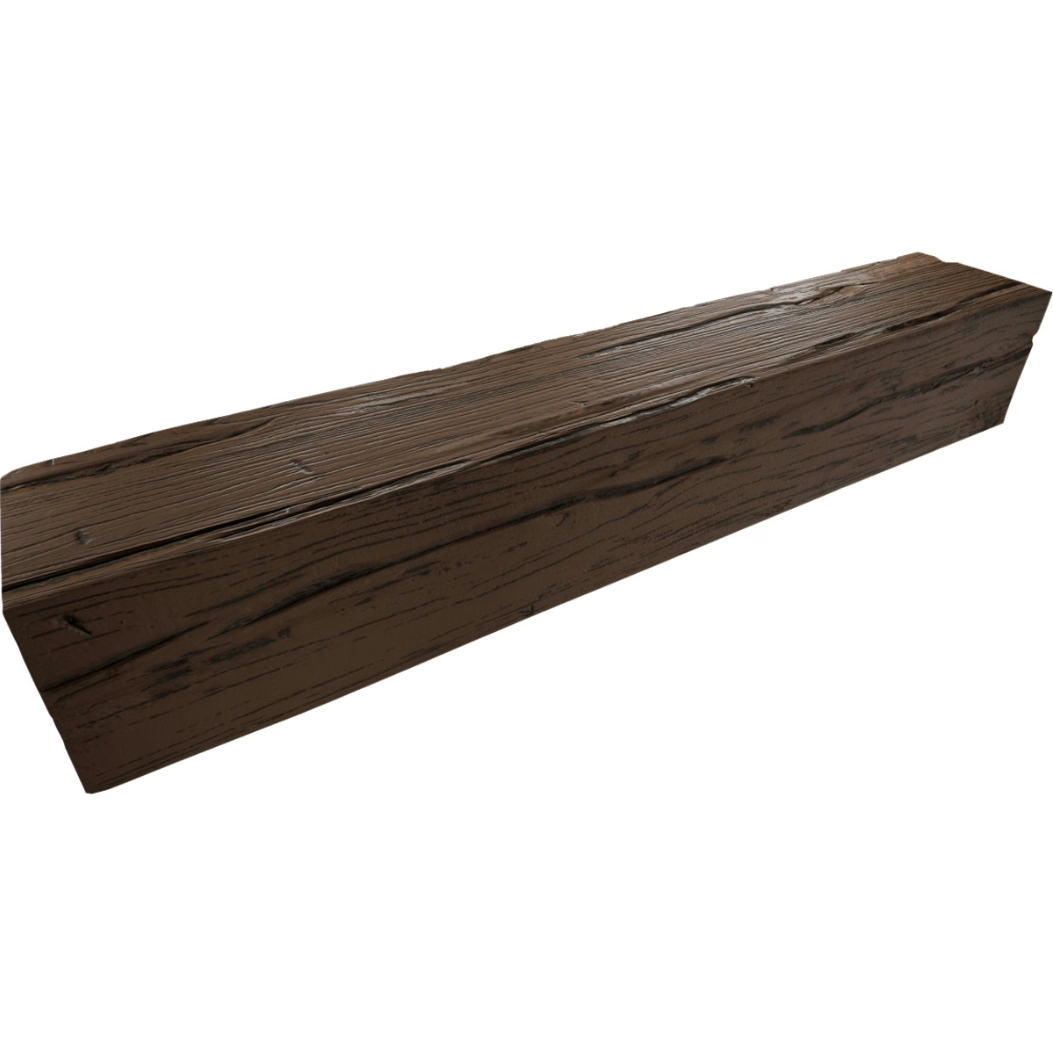
Effective showroom displays incorporate multiple sample sizes to address different client needs. Full-length beam samples—typically three to four feet—demonstrate how wood grain patterns repeat and transition along longer runs. These larger pieces also reveal any subtle manufacturing characteristics like injection point locations or seam visibility that affect finished appearance. Clients selecting beams for prominent installations, such as vaulted church ceilings or grand hotel ballrooms, require these comprehensive views to make confident specifications.
Tactile samples smaller than one foot serve different purposes, offering convenient take-away options for clients comparing multiple finishes across different suppliers. These pocket-sized pieces travel easily to client presentations, job site meetings, or color matching sessions with painting contractors. Many design professionals maintain sample libraries organized by finish family, using these physical references throughout the specification process. The ability to place a small oak finish sample against client-selected furniture fabrics or flooring materials streamlines material coordination significantly.
Edge detail samples prove invaluable for professionals specifying beams for visible end-grain applications. The cross-section view reveals core material composition, density consistency, and surface finish quality that front-facing displays cannot show. For beams installed where ends remain exposed—as architectural features terminating at masonry walls or as floating mantel supports—these detail samples prevent unpleasant installation discoveries when beam ends arrive at the job site.
Building Trade Relationships Through Display Excellence
Suppliers who invest in sophisticated showroom displays differentiate themselves in crowded marketplaces. When procurement officers and design teams remember a showroom visit as a productive, educational experience, they return for future projects and recommend the supplier to colleagues. This relationship-building function of physical displays generates long-term business value that transcends individual transaction margins.
The most successful showroom environments employ knowledgeable staff who guide visitors through material selection without pressure. These professionals understand that clients exploring faux wood beam options often remain early in decision processes, requiring education rather than aggressive sales pitches. By answering technical questions about mounting systems, weight tolerances, and fire rating options, showroom representatives establish supplier expertise that translates into specification influence when projects move into purchasing phases.
Regular display updates keep showrooms relevant as product lines evolve. Seasonal rotation of featured finishes, introduction of newly developed textures, and removal of discontinued options maintains visual interest for repeat visitors while ensuring displayed samples accurately represent current inventory. This merchandising attention signals operational professionalism that reassures clients about the supplier's overall business reliability.

The tactile truth of physical sample displays transforms abstract product specifications into informed purchasing decisions. For both trade professionals specifying materials across multiple projects and end customers investing significant resources in home improvements, the opportunity to see, touch, and compare faux wood ceiling beams before committing protects against disappointment and builds lasting supplier relationships. Those few minutes spent examining a showroom sample often determine the success of installations that will remain visible for decades.
As global supply chains lengthen and specification decisions increasingly happen through digital interfaces, physical showrooms provide irreplaceable anchoring points where material reality meets design imagination. The investment in creating exceptional display environments pays dividends through reduced returns, fewer specification changes, and the customer confidence that comes from making decisions based on tangible understanding rather than digital approximation.
Modern showrooms continue evolving with hybrid approaches that combine physical samples with digital augmentation. QR codes displayed alongside beam samples link to installation videos, technical specifications, and project galleries that extend the educational experience beyond the showroom visit itself. This integration of tactile and digital experiences creates comprehensive product understanding that serves both client needs and supplier success in competitive global markets.

Technical References
ASTM standards cited in every specification
Test Data
Lab results from internal testing program
Updated 2026
Reviewed against current product specs